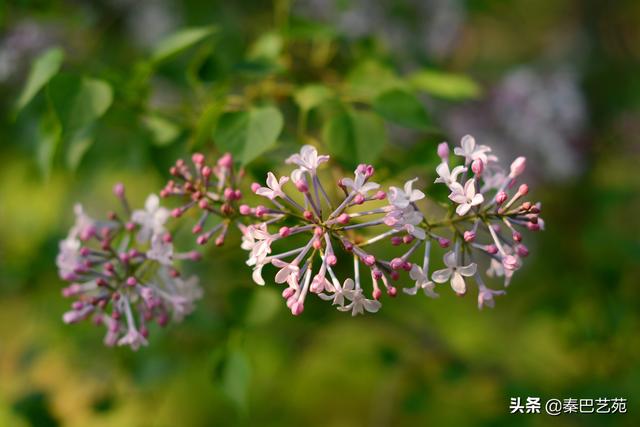
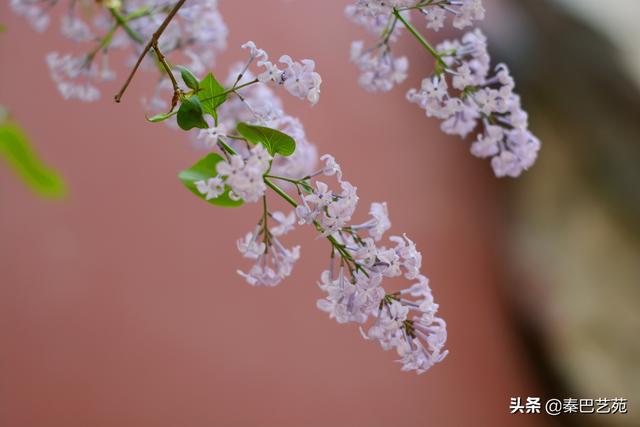
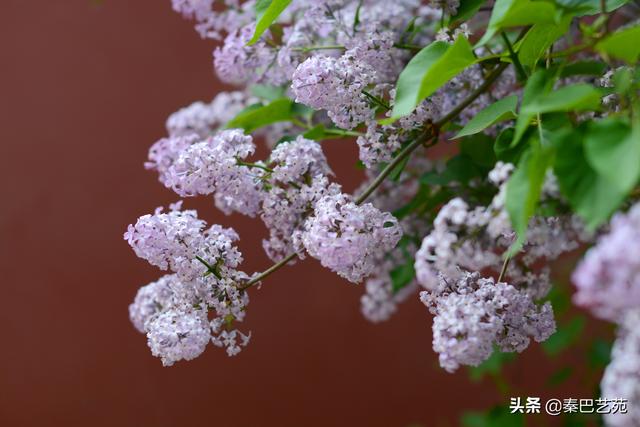
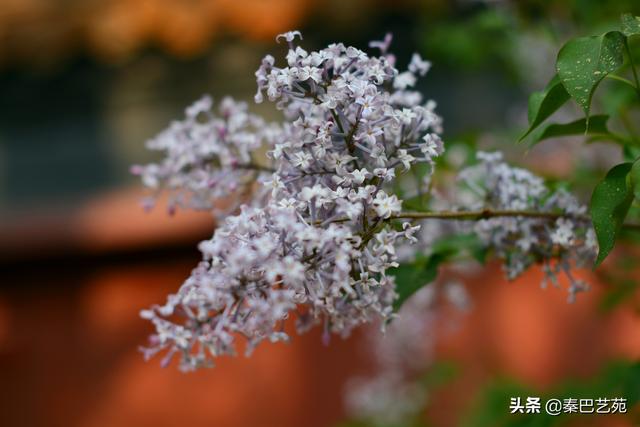
April Hiking and Cherry Blossom Viewing at Beijing Jingshan Park – Worthy of a Beautiful Spring Time
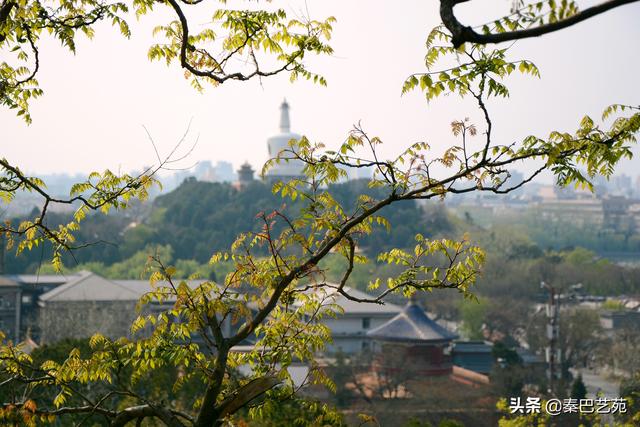
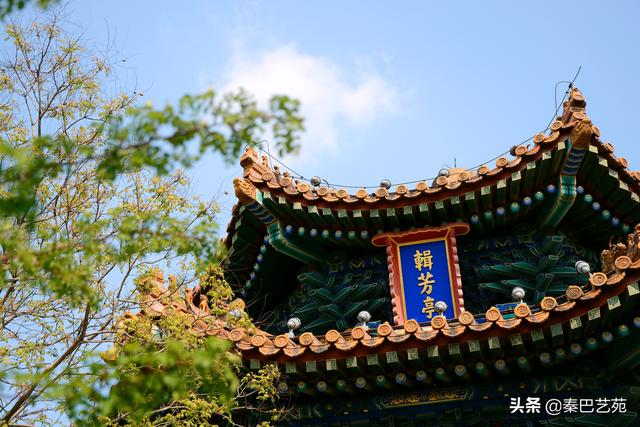
Jingshan Park, a royal garden dating back to the Yuan, Ming, and Qing dynasties, offers a panoramic view of the city. On sunny days, climbing to the highest hillock, the entire city unfolds before your eyes, a truly beautiful sight. It's a paradise for photographers.
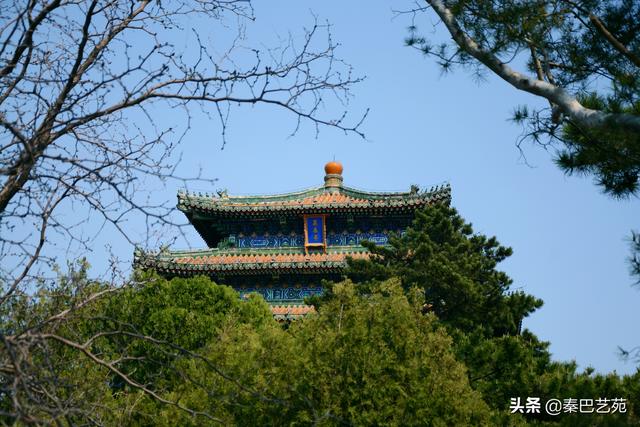
The most famous attractions in Jingshan Park are Wan Chun Pavilion and the site where Emperor Chongzhen hanged himself. Visiting Jingshan Park, these are must-visit landmarks.
Wan Chun Pavilion is located at the mid-peak of Jingshan, with a relative height of 45.7 meters, it's the best viewing point on Beijing's north-south-central axis. From Wan Chun Pavilion, you can see the entire Forbidden City.
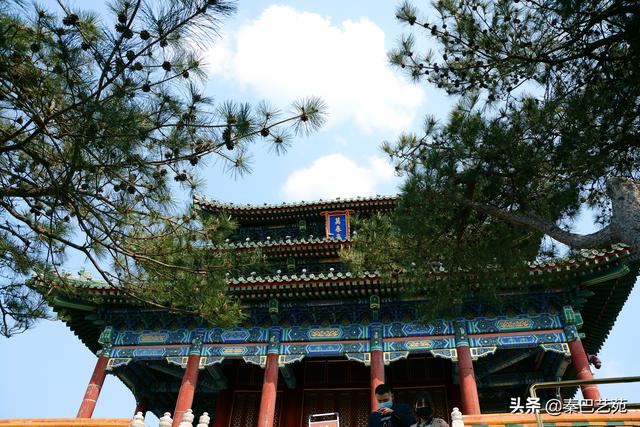
Wan Chun Pavilion
Jingshan Park's other historical site is the site of Chongzhen's suicide. Located at the east foot of Jingshan, there was once a low-lying old locust tree leaning eastward, which was the place where Emperor Chongzhen hanged himself. During the late Ming Dynasty, Li Zicheng's rebel army attacked Beijing in March 1644, and Chongzhen escaped to Jingshan on March 19th, believing it was a dereliction of duty towards his ancestors' legacy, and committed suicide at the crooked locust tree under the Viewing Pavilion. During the ten-year turmoil, the old locust tree was cut down as 'four olds,' and in 1981, a new locust tree was transplanted at the site. In 1996, the park management office transplanted a locust tree with a tree age of over 150 years from No. 7 North Shuncheng Street, Eastcheng District, Beijing, to the site of the old locust tree, replacing the small locust tree transplanted in 1981.
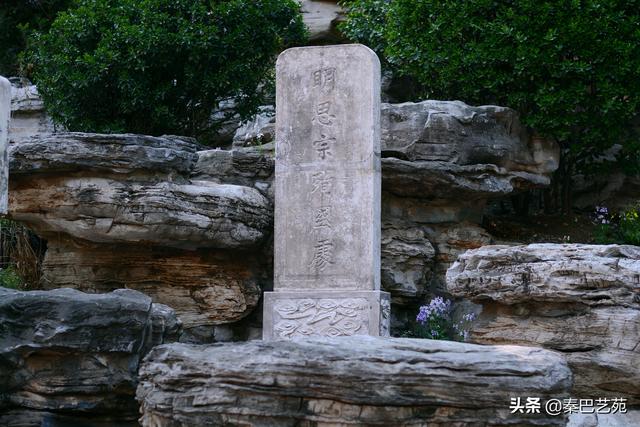
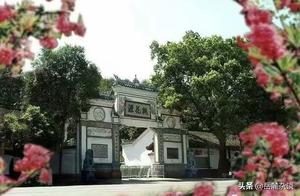
Ming Dynasty Memorial Monument