New Line, a Route Only a Few Dare to Challenge, Starting in Xinjiang Ye Cheng!
This place, where there are 5 mountains over 5000 meters, 16 ice mountain passes, and 44 ice rivers… that is the Qinghai-Tibet Highway, National Highway 219, also known as the World’s highest, most arduous, and most dangerous road. Take a bath in the Bangong Lake, urinate at the Jiayushan Pass, and sleep in the Death River Valley. These are the long-standing local sayings of the Qinghai-Tibet Highway. And now, the transformation of the Qinghai-Tibet Highway has already happened, its legendary status, are you willing to try it?
From the starting kilometer zero
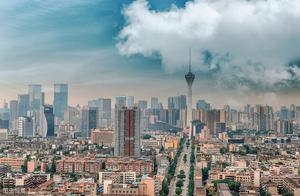
The starting point of the famous landscape avenue G318 is from Shanghai People’s Square, and the zero kilometer of the G219 (Qinghai-Tibet Highway) is located in Xinjiang, Ye Cheng. At the Ye Cheng county zero kilometer point, a majestic metal sign stands beside the road, "From here to the World’s Roof".
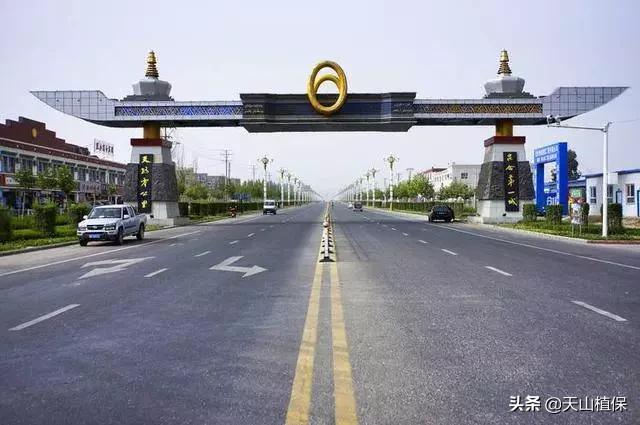
Continue forward, you can see a huge blue sign standing on the national highway, reading: "Tibet Ali", plus a straight arrow. This means the distance from Ye Cheng to Ali is 1100 kilometers away. The Qinghai-Tibet Highway is called "Death Road" because of the 1100 kilometers from Ye Cheng to Ali in Xinjiang.
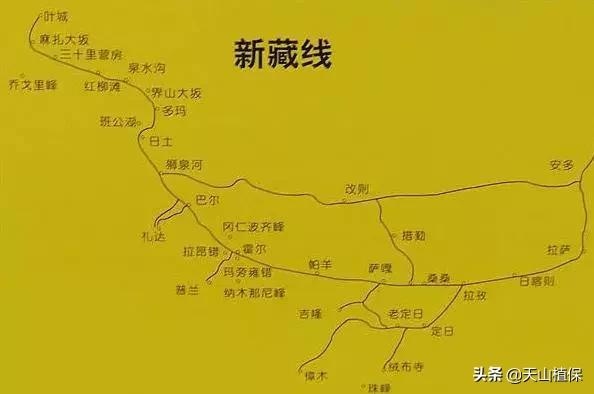
Endless Passes
There is a memory unique to the Qinghai-Tibet Highway – a road that’s impossible to see the end of, constantly climbing uphill.
The first high pass of the Qinghai-Tibet Highway is the Kubuqi Pass (altitude 3250), also known as the Akaizi Pass, which is named "Monkey cannot climb snow mountain" in Uyghur because of its dangerous terrain.
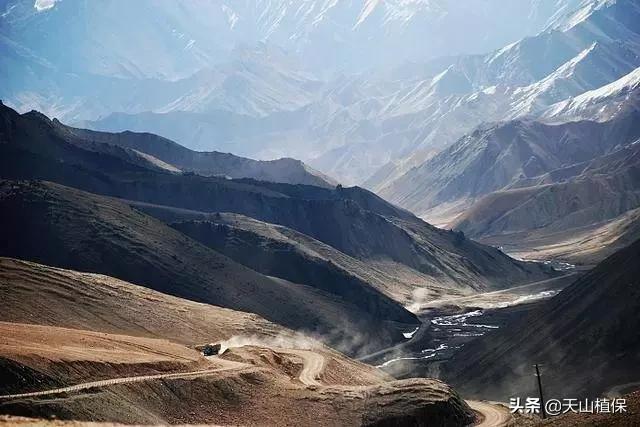
The Daxiang Pass is 27 kilometers long, people feel the altitude reaction is not obvious, but the air pressure difference is large, and the first time climbing up the mountain, if not careful, it is easy to cause ear membrane swelling, and in serious cases, it will cause ear membrane rupture. Gentlemen, you should remember this, play when you play, safety is the most important thing.
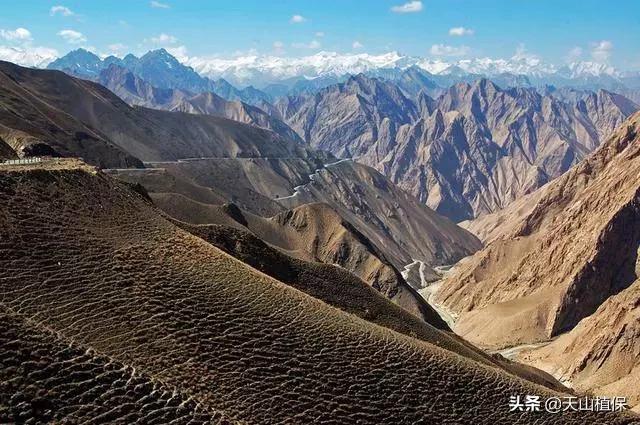
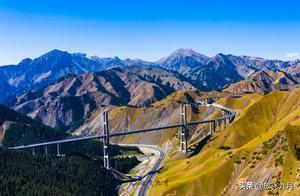
The second high pass of the Qinghai-Tibet Highway is the Maza Pass, also known as the Seryik Pass, which is the longest pass on the Qinghai-Tibet Highway. The altitude is 5100 meters, compared to the Kubuqi Pass, its danger is even greater. The Maza Pass goes straight into the sky.
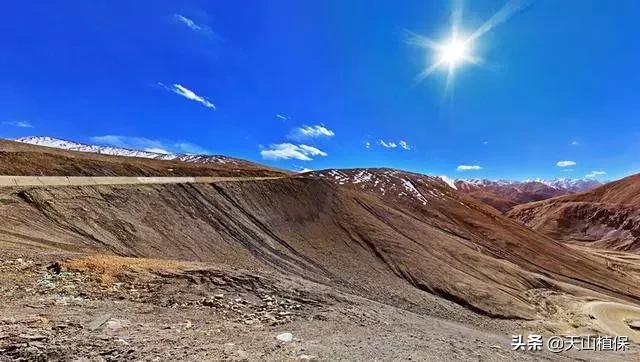
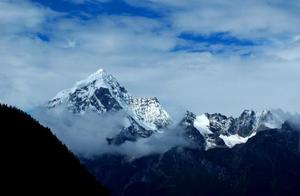
At the Maza Pass, there is a sign pointing to the next direction is "Pulan". The scenery on both sides is extremely desolate. There are endless rocks and no grass, everywhere is covered with brown gravel, and the mountain is covered with white. It is a very lonely sight, barren slopes, dust, white mountain tops, and no signs of life, only occasional passing trucks remind us that this place is still Earth.
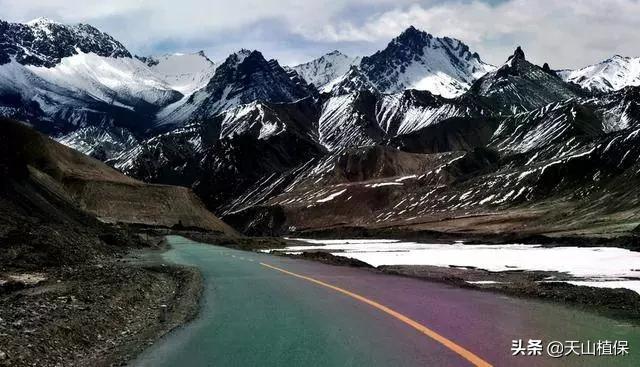
At 331 kilometers from Ye Cheng, the Black Card Pass (altitude 4930) begins to cross. The road surface here is loose soil, and when it rains or ice melts, it is easy to cause collapses and mudslides, which is very dangerous.
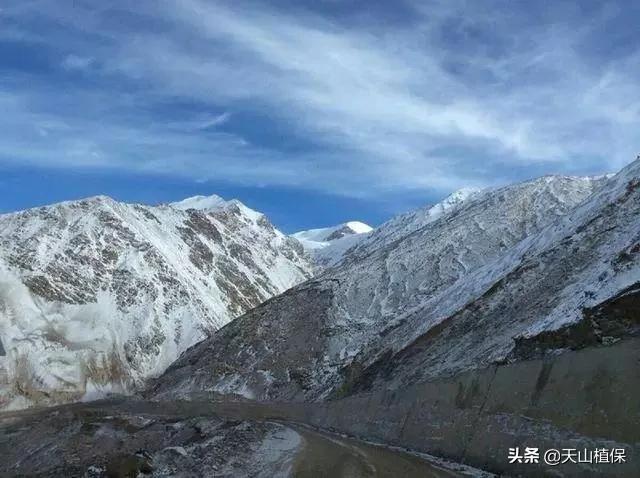
Constantly turning, for drivers, it is a test.
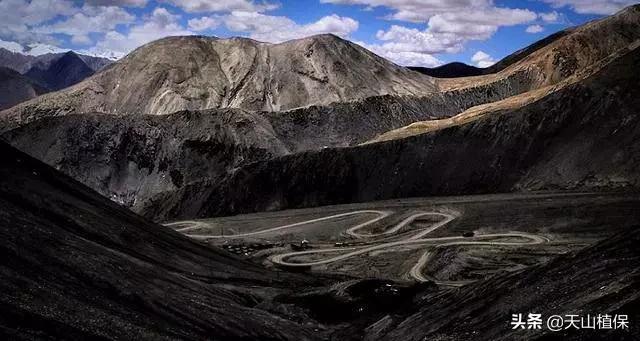
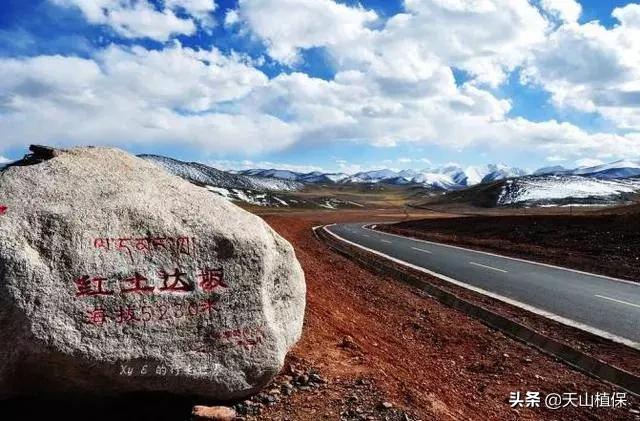
The Jiayushan Pass, also known as the Xinjiang-Tibet border mountain, is one of the most famous passes on the Qinghai-Tibet Highway. Its altitude was once considered 6700 meters, but after actual measurement, it was confirmed to be 5248 meters.
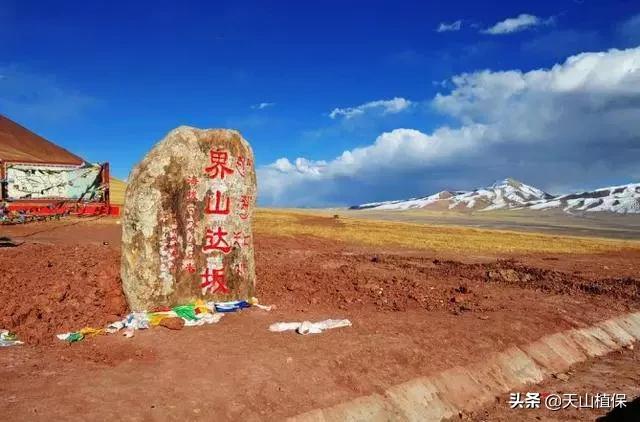
The climate at the pass is ever-changing, sometimes rain, sometimes snow, sometimes hail, the air is thin, and the oxygen content is less than that of the plains by 50%. Standing at the Jiayushan Pass, you know you have reached the highest road on Earth. Besides excitement, many people have headaches because of altitude sickness.
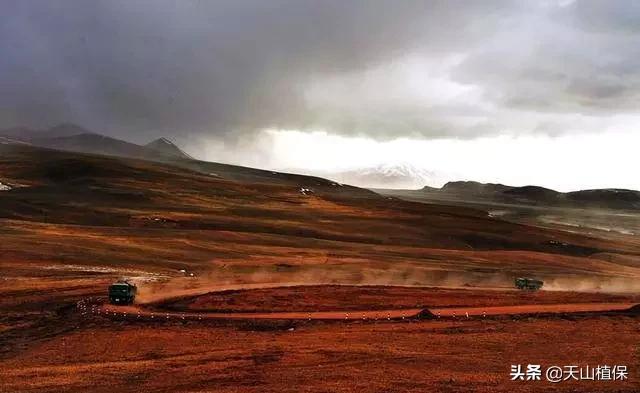
After passing the Jiayushan Pass, you arrive at the Qitai Pass with an altitude of 5186 meters, which is known for its steep slopes.
Many people think that the Jiayushan Pass is the highest point on the Qinghai-Tibet Highway, in fact, the highest point on the Qinghai-Tibet Highway is at the Red Soil Pass 23 kilometers south of the Jiayushan Pass, with a GPS measurement altitude of 5256.50 meters.
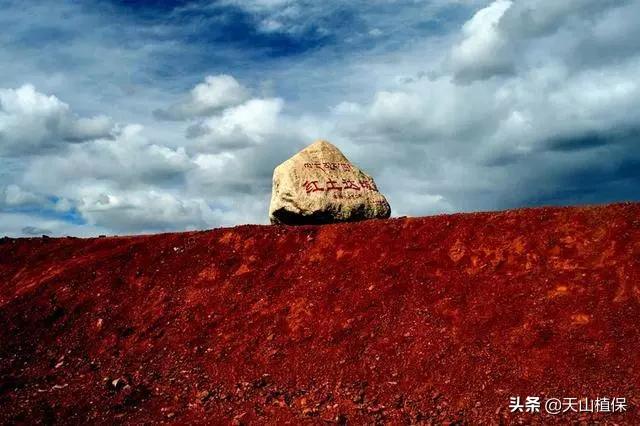
Therefore, the Red Soil Pass is theoretically the highest road section in the world. It is said that a high-quality kiss must be completed here, requiring 100 breaths. Gentlemen, if you are interested, you can try it!
People were terrified "Sleep in the Death River Valley"
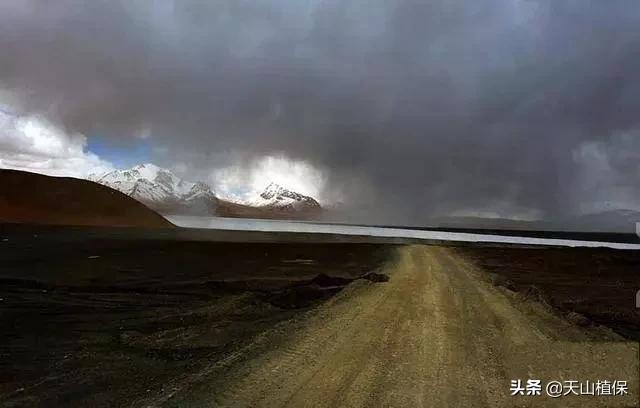
Long-standing local sayings on the Qinghai-Tibet Highway are "Urinate at the Tian Shan Pass, sleep in the Death River Valley." This describes someone who has experienced a lot and has a bold spirit.
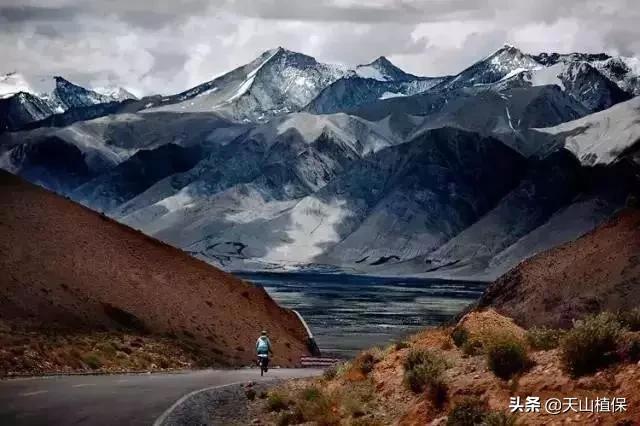
The origin of the Death River Valley is said to be in 1957, the PLA advance troops from Xinjiang entering Tibet camped and slept here overnight. Overnight, due to altitude sickness, the entire army was wiped out. People didn’t know much about altitude sickness at that time, thinking this place was mysterious and terrifying, and could kill people invisibly, so they named it a creepy name.
The Death River Valley gained a bad reputation, and it was the first most dangerous and scary place on the Qinghai-Tibet Highway. Whenever vehicles pass through here, the howling wind sounds like a ghost's cry and a wolf's howl, making people unwilling to stay.
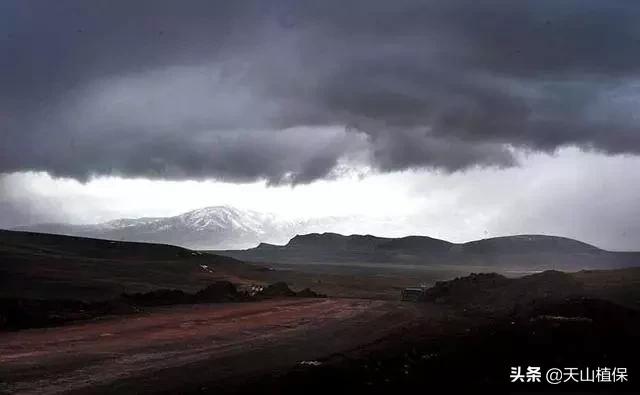
Change, has already happened.
The formerly harsh climate conditions, thin air, and long stretches of dirt roads made passing difficult. Once it rained, it was full of mud, and you had to constantly worry about collapses and traps… It was a nightmare for passing travelers. Few travelers dared to visit.
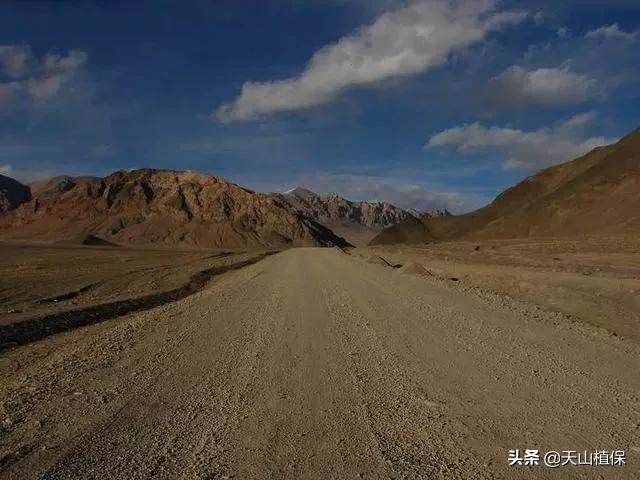
Now, the change has happened. The fully paved asphalt road has made it possible to reach Ali in one day from Ye Cheng. Walking on the Qinghai-Tibet Highway is no longer an unreachable dream.
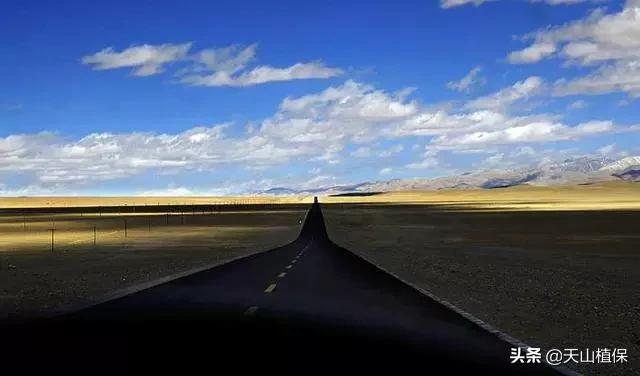
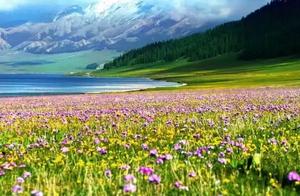
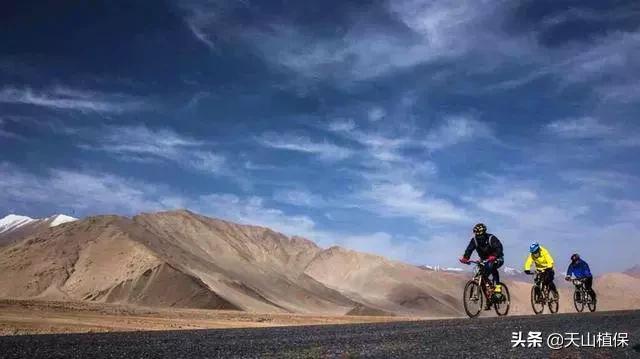
No matter how, the Qinghai-Tibet Highway is still a challenge for backpackers, cyclists, and self-driving enthusiasts. And of course, the spectacular natural scenery along the way.
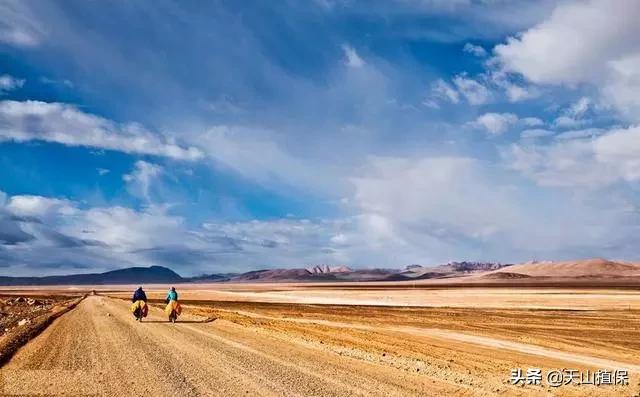
There is no road like the Qinghai-Tibet Highway that is both difficult and full of wonder. Its steep passes, desolation, wind and rain, and strange landscapes… Fellow travelers, it’s up to you to try it!
Source: Xinjiang New Discoveries