Mumbai: India's Largest City – A Skyline Like Shanghai? You Think It's Different from Shanghai?
Many Indians refer to Mumbai as 'India's Shanghai,' likely because Mumbai holds a similar position within India as Shanghai does in China – both are the largest cities in their respective countries and key economic and financial centers. In recent years, Mumbai has seen a proliferation of high-rise buildings, giving it a Shanghai-like feel, but to be honest, Mumbai hasn't yet reached Shanghai's level of development.
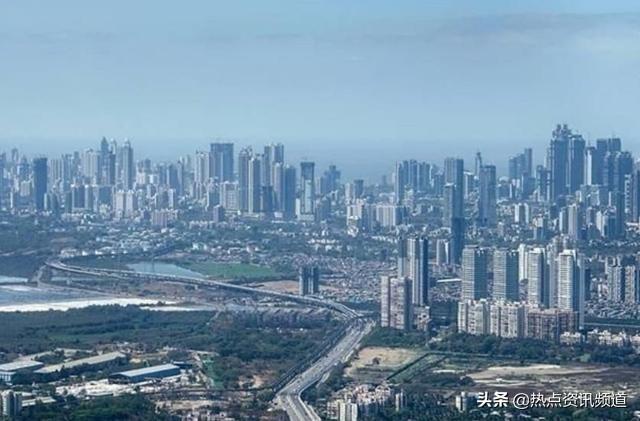
For foreigners, Mumbai is perhaps the most familiar Indian city. Located on Mumbai Island, facing the Arabian Sea, it is India's largest seaport and a vital transportation hub, historically known as 'India's Gateway to the West.' With an area of 604 square kilometers and a population exceeding 20 million, Mumbai is India's most modern city.
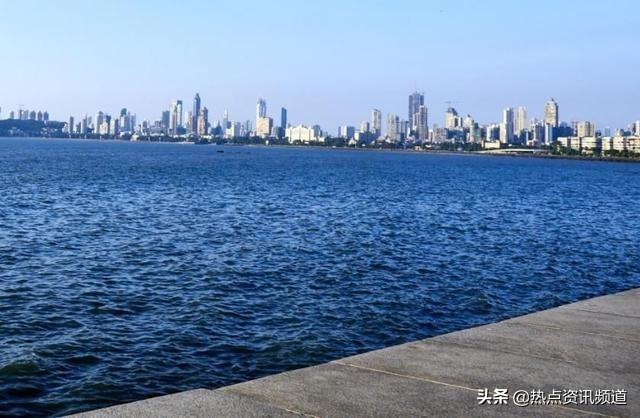
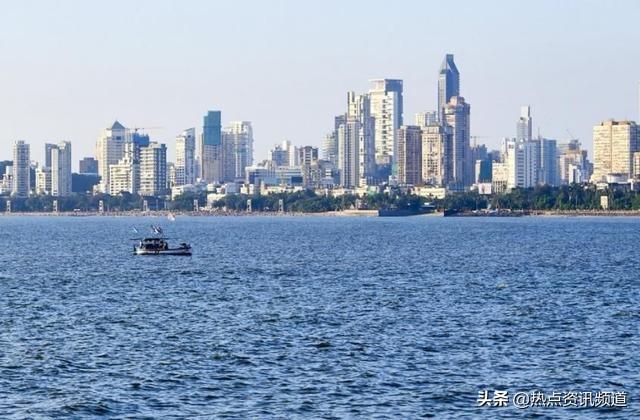
The Mumbai downtown area faces the sea, with new and old buildings intermingled along the coastline – it genuinely resembles the Bund in Shanghai. In recent years, Mumbai has undergone significant transformation, with many more high-rise buildings being constructed. Mumbai's city skyline doesn't lag behind Chinese cities, and the city is developing rapidly; we shouldn't underestimate it.
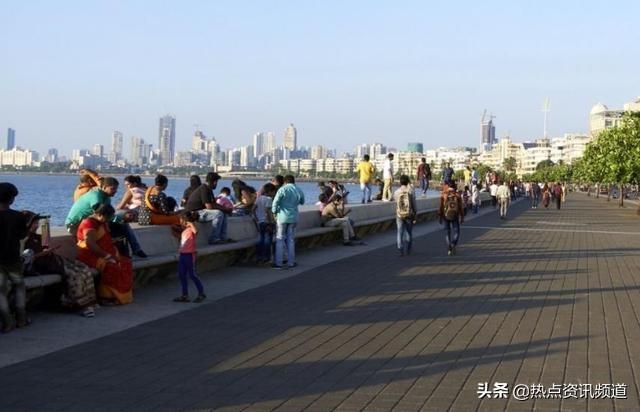
Marine Drive has always been a favorite destination for Mumbaikars, with a multi-kilometer-long seawall teeming with tourists. Looking out from here, one gets a strong Shanghai Bund vibe. Mumbai is one of the world's most eclectic cities, attracting representatives of India's three religions and diverse communities, where luxury and poverty, advancement and decline coexist simultaneously.
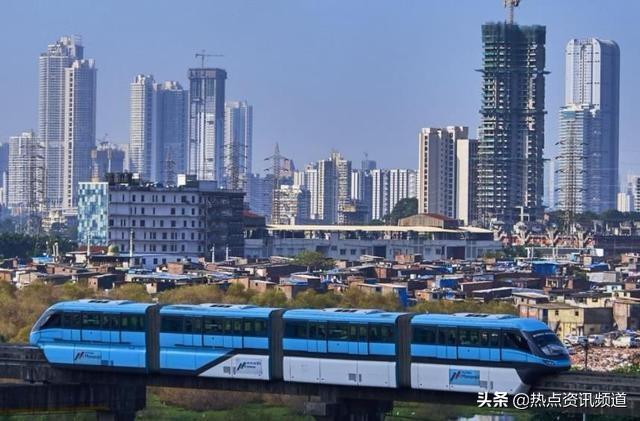
More and more high-rise buildings are being completed in Mumbai, while Shanghai boasts a maglev train; Mumbai now has a metro system. Due to India's private land ownership system, large-scale infrastructure projects in Indian cities face greater resistance to land acquisition and demolition compared to domestic efforts. If not for this, those traditional shacks beneath the high-rise buildings would have long been replaced by skyscrapers.
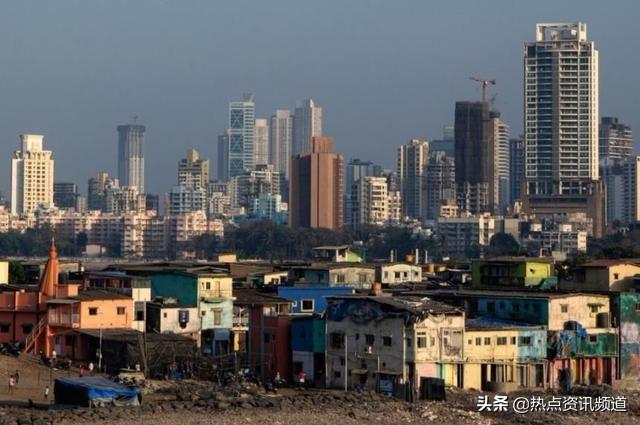
Like many rapidly developing megacities in developing countries, Mumbai faces similar urban challenges. Approximately 40% of Mumbai's population lives in slums and shantytowns. Mumbai is a microcosm of India, reflecting the country's widening gap between rich and poor—this is the gap between Mumbai and Shanghai, and also between India and China.
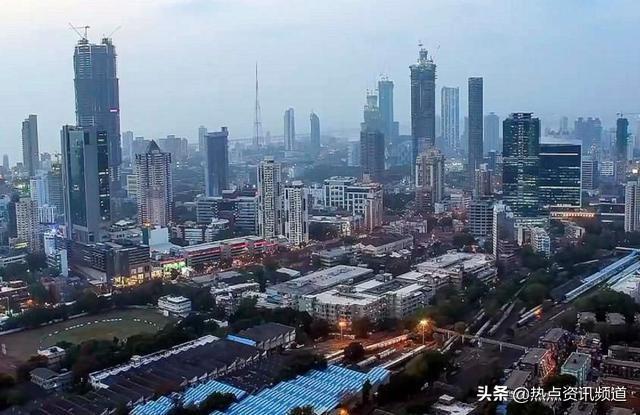
Compared to Shanghai, Mumbai is a rising star; new buildings are constantly under construction, resembling the situation during Shanghai's Pudong development. In the eyes of Indians, Shanghai will take 20 years to catch up with Mumbai, but from a Chinese perspective, it's the opposite—Mumbai is at least 20 years behind Shanghai overall. What do you think?