There's an Old Village in Baoji with a Familiar and Slightly Mysterious Charm
This village is called Wanjiacheng Village, located in Jiufang Town, Linzhou County, Baoji City, Shaanxi Province. It is the first village in Baoji City to be included in 'China's Traditional Villages'.
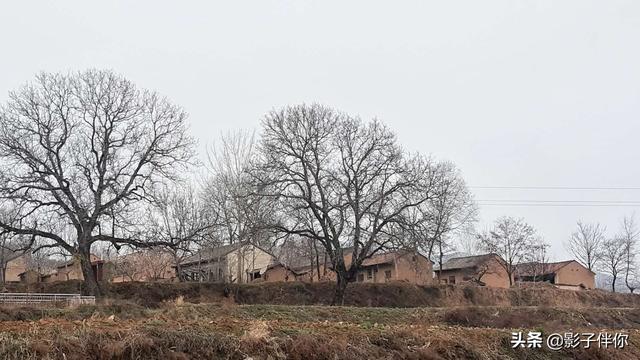
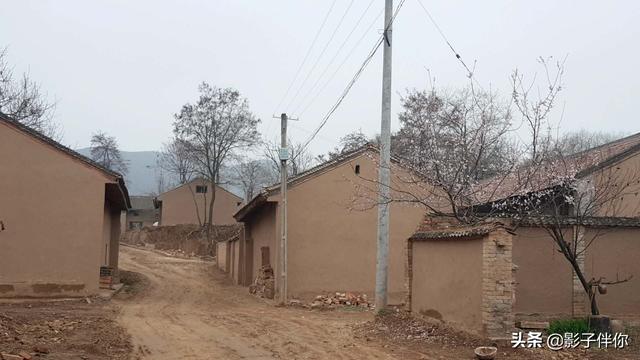
Wanjiacheng Village is located on the hillside, hidden in the mountains. I drove along the only small cement road and climbed up. Entering the village, there are old houses of different ages scattered along the terrain, mostly made of mud bricks with a few constructed from bricks. The majority of the houses have dark gray tile roofs, with a consistent architectural style. I saw some houses have been renovated, while some dilapidated houses are still being repaired. At first glance, Wanjiacheng Village, like countless other rural villages across China, appears unremarkable and lacks any particular features.
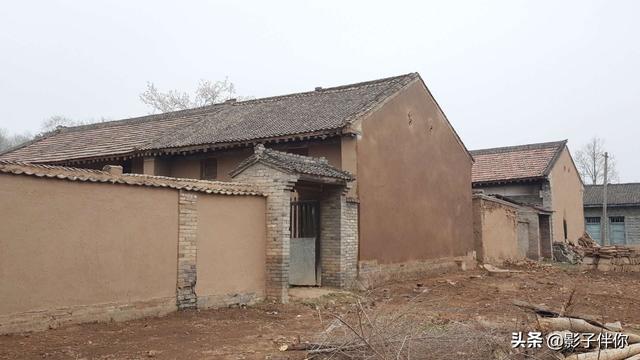
The villagers here are honest and kind-hearted. They didn't ask who I was or what I was doing as a 'stranger with no lineage.' They were very friendly.
Some villagers told me that these houses were built in the 1950s and 60s and have been lived in for several generations. They said that some of the village's residents' ancestors came to this place to live, and have now been passed down for more than ten generations. They said that the villagers have moved to the new village, and now those working here are repairing the old houses.
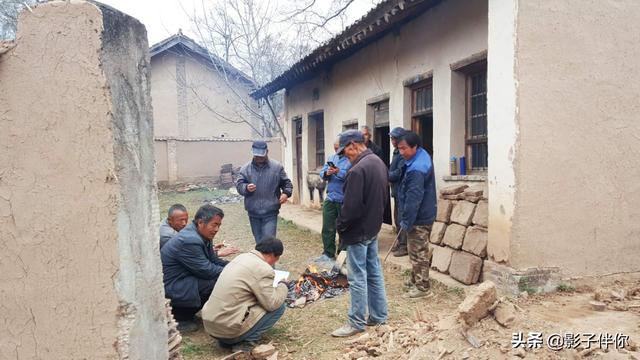
During a rest period while repairing the dilapidated houses, the villagers warmed themselves by a fire.
When I asked him, 'Wanjiacheng Village, is there a prominent ancestor of the Wan surname in history?' he said, 'No, I've never heard of it. It wasn't famous in history. It was just an ordinary family.'
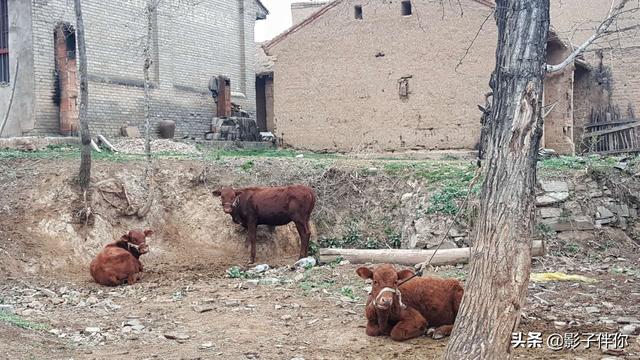
While walking through the alleyways of the village, I watched the old houses, the items inside, and the cows grazing, and the atmosphere of the village made me reminisce about my childhood, which brought me a sense of pleasure.
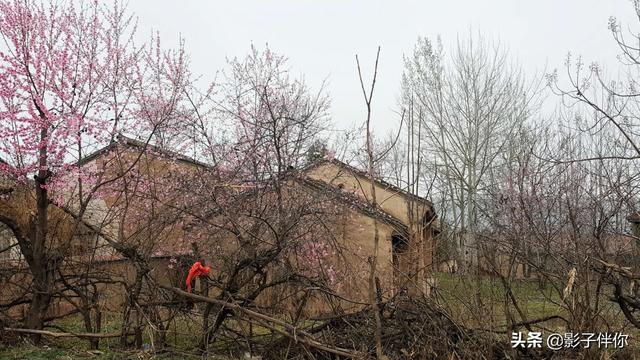
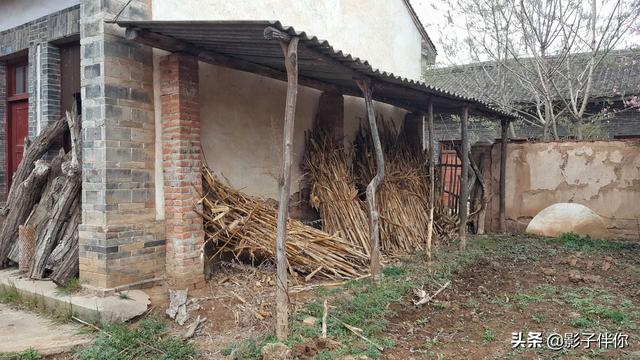
The whole village is located on the hillside, surrounded by forests on three sides, and a large expanse of farmland stretches up the hillside, presenting a harmonious coexistence of man and nature.
I entered the forest behind the village. Although it was the early spring season, many trees hadn't yet sprouted new leaves, but I could still hear the sound of birds chirping, and the dense flowers and trees provided a paradise for birds. The number of tree nests indicated how strong the village's natural atmosphere was, and how harmonious the relationship between man and nature was. This was a natural and simple beauty that made me feel refreshed.
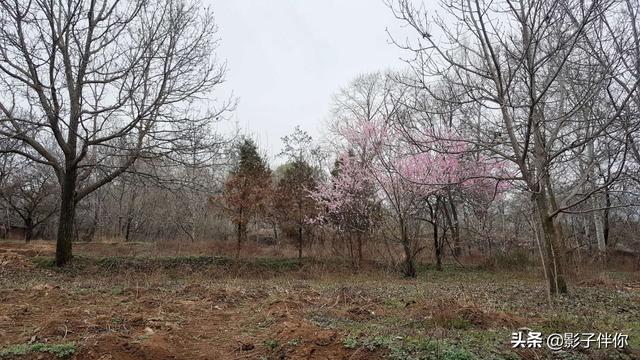
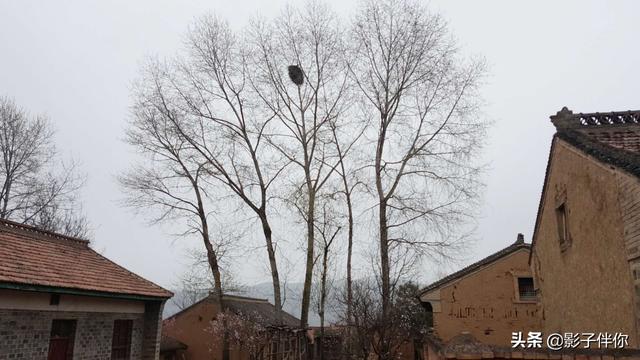
There are big bird nests hanging on the trees in the village.
According to the villagers, the local people hold 'Ditaishuli' (ritual performances) every year. The Ditaishuli in Linzhou were popular in the Ming and Qing Dynasties, and are still held on special days and during the Spring Festival. The Ditaishuli are divided into two categories: Wen (civil) and Wu (military). Wen Guild performances include plays and songs, while Wu Guild performances mainly simulate scenes of famous ancient battles. It has been widely circulated in many parts of China, including Shaanxi, Henan, Hebei, and Shanxi. This Guild performance was already included in the national 'Intangible Cultural Heritage' in 2006. Today is not a festival, so I didn't have the opportunity to watch it.
Six or seven years ago, all the villagers of Wanjiacheng Village had moved to a new village several hundred meters away in the mountains. This is partly due to the requirements of the 'Beautiful Rural Construction' and the goal of achieving a well-off life for all, and partly to protect the traditional appearance of the old village.
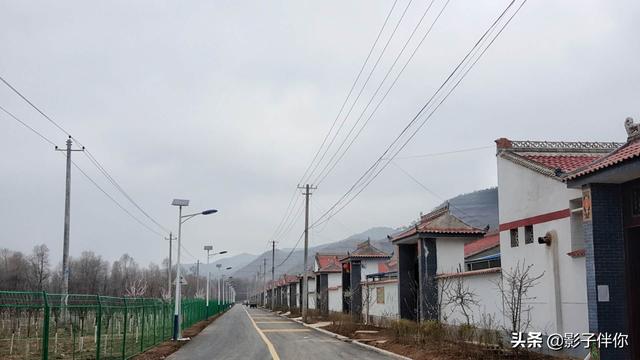
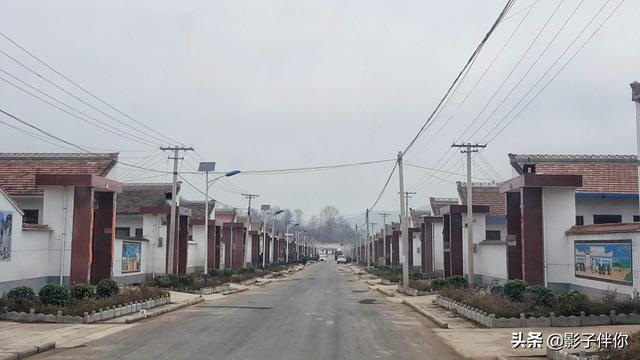
The houses in the new village have a consistent architectural style and are arranged neatly, distributed along the banks of the Wan River, which is very beautiful. The flowing river seems to compose a beautiful melody for Wanjiacheng Village.
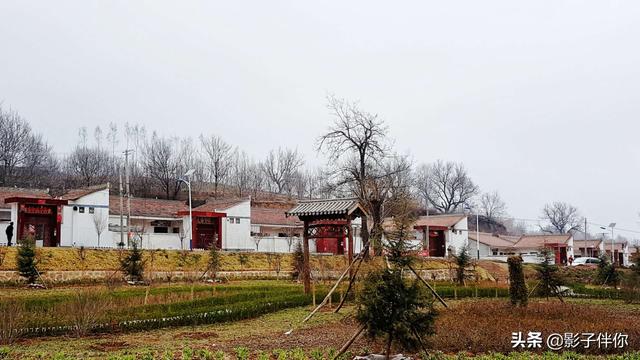
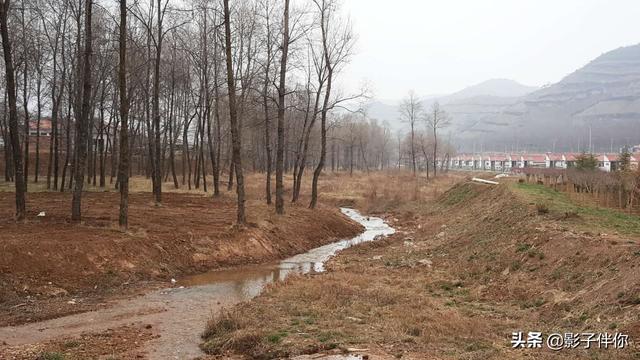
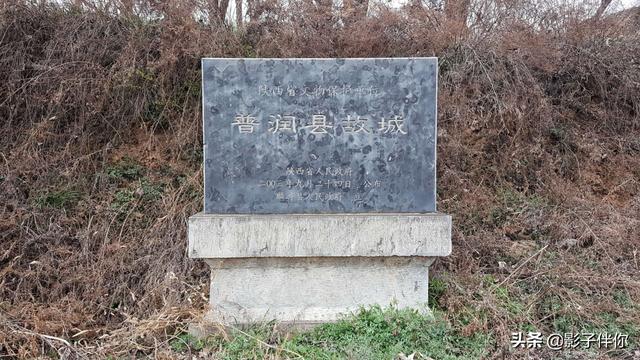
The land where Wanjiacheng Village is located was once the site of the ancient city of Pruin. Therefore, Wanjiacheng Village has added a touch of mystery.
According to historical records, the ancient city of Pruin was established during the Sui Dynasty, and it was not abolished until the Yuan Dynasty. The area governed by the ancient city of Pruin includes two townships and a town of Tangyang County in the present-day Linzhou County.
During the Hongwu and later Ming and Qing dynasties, Red Army and Liberation Army troops often rested in Wanjiacheng Village during their marches.
Therefore, Wanjiacheng Village has a history of over 1000 years. This seemingly ordinary and unremarkable small village actually has a deep and glorious historical background.
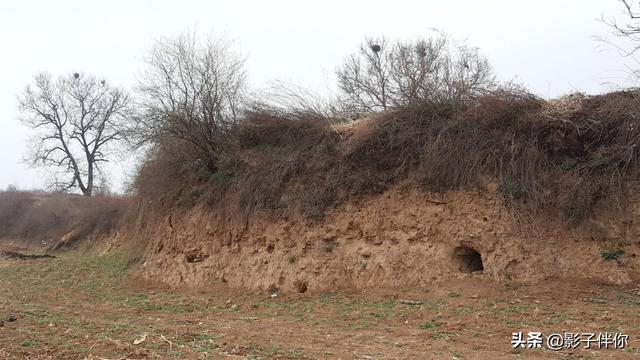
The ancient city ruins of Pruin now only leave traces of mud walls and scattered pieces of broken tiles.
However, the once glorious ancient city has disappeared, and only traces of mud walls and broken tiles remain on the ancient city ruins, which is regrettable. Its story is silently hidden in historical records and hidden behind the history of Wanjiacheng Village.
Because Wanjiacheng Village has a characteristic historical and traditional building with good preservation, it has been passed down as 'Intangible Cultural Heritage', and it is also the site of the ancient city of Pruin, so it was selected as one of the 'China's Traditional Villages' in the second batch in 2016, and it receives financial support from the central government, which is the first village in Baoji to be selected.
##
""2016""##