Two Days in Xiangxi
This piece of land, Xiangxi, is mysterious and full of strange incidents. It's like a magnet, attracting people to explore it.
The remote ‘Xiangxi Executions’ are still baffling, and difficult to unravel. Closer to it, works like ‘Xiangxi’ (Xiangxi Suppression of Banditry Record) and ‘’ (Hill of Wailing Ghosts Suppression of Banditry Record) have let the public know about this place. However, ‘the execution’ this mysterious profession is just heard or told, and it’s hard to see real versions.
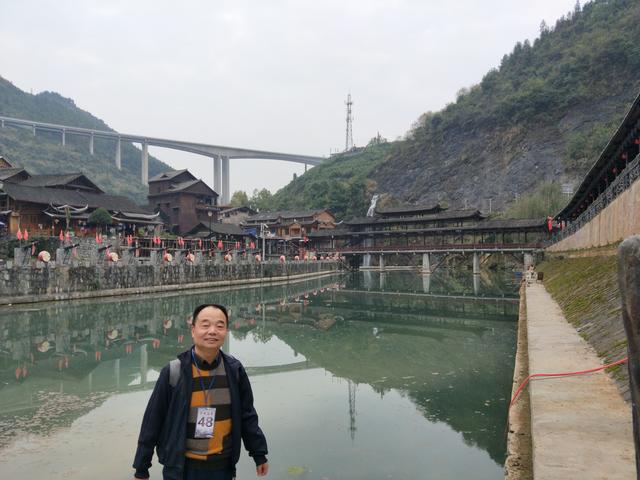
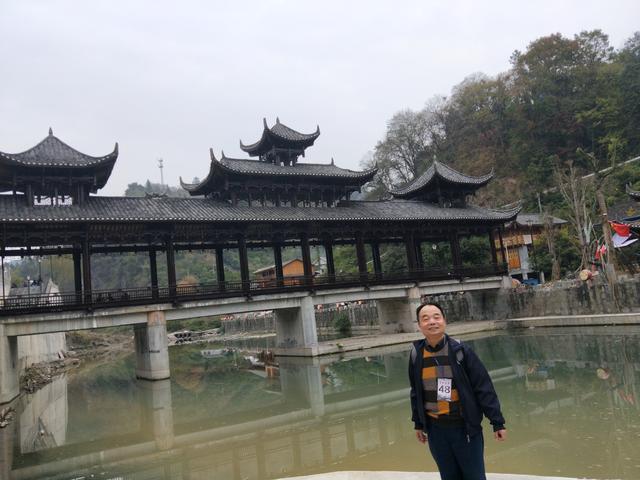
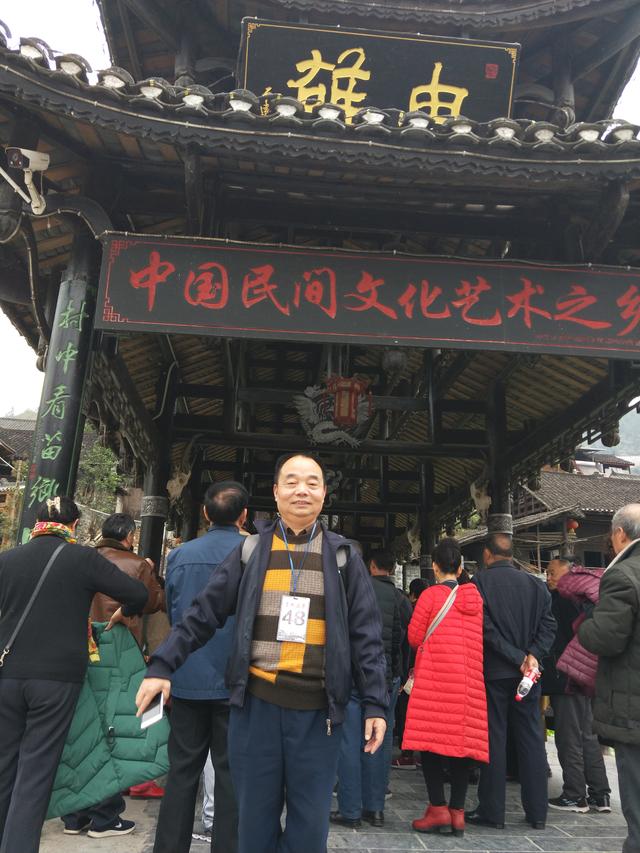
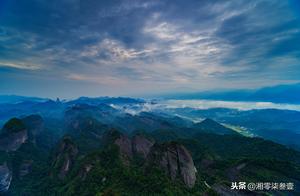
However, the mysterious Xiangxi is also a scenic tourist destination. Unwilling to be idle, people from all walks of life come to explore the magnificent scenery of Wulingyuan, with its mountains, streams, and lush vegetation. Suddenly, a beautiful rainbow appeared from the sky, crossing the Daxiang River Grand Canyon, transforming a dangerous pass into a road of opportunity, adding another highlight to Xiangxi tourism. Those pursuing ‘beauty’ are like bees, flocking to it.
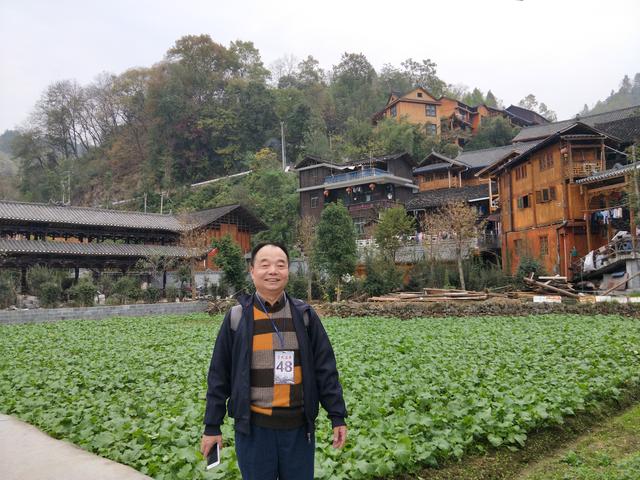
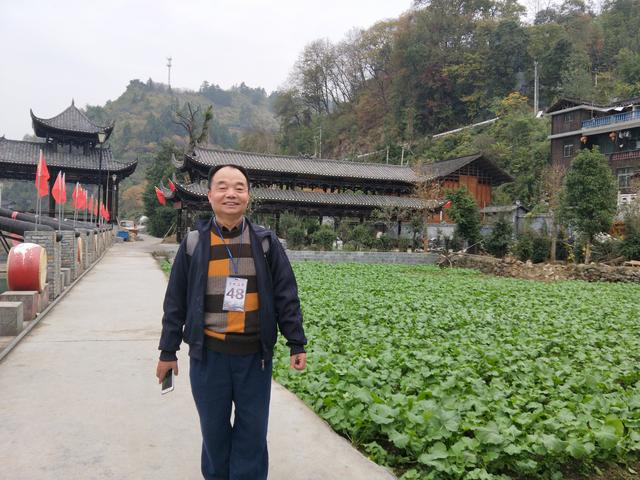
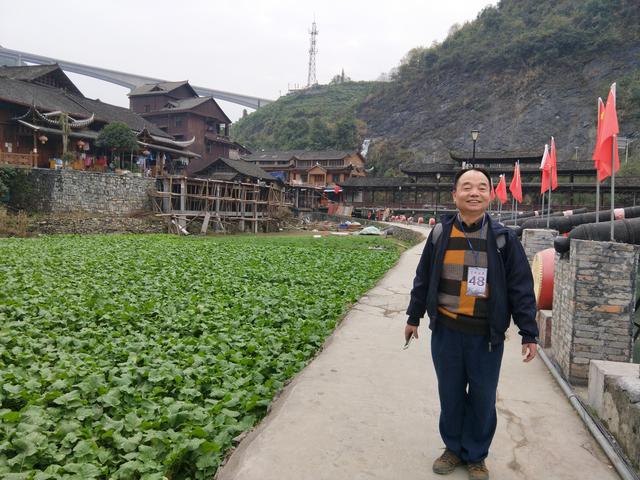
On November 23rd and 24th, 2019, a group of nearly forty people from the Enshi Happy Outdoor Team came to Xiangxi to explore for two days and one night. They visited Guanzhong County M ernu Miao Village, Xiangxi Daxiang River Grand Bridge, and Fenghuang Ancient Town.
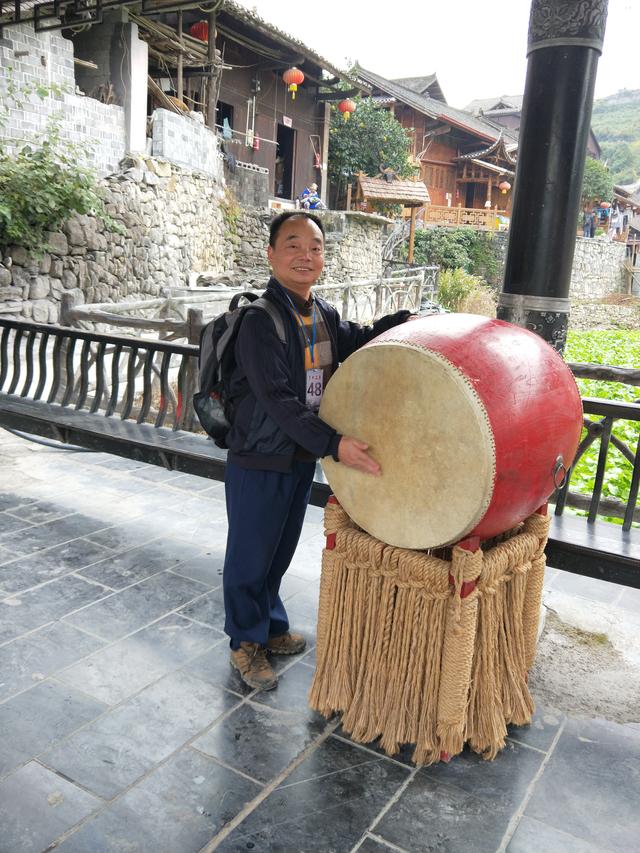
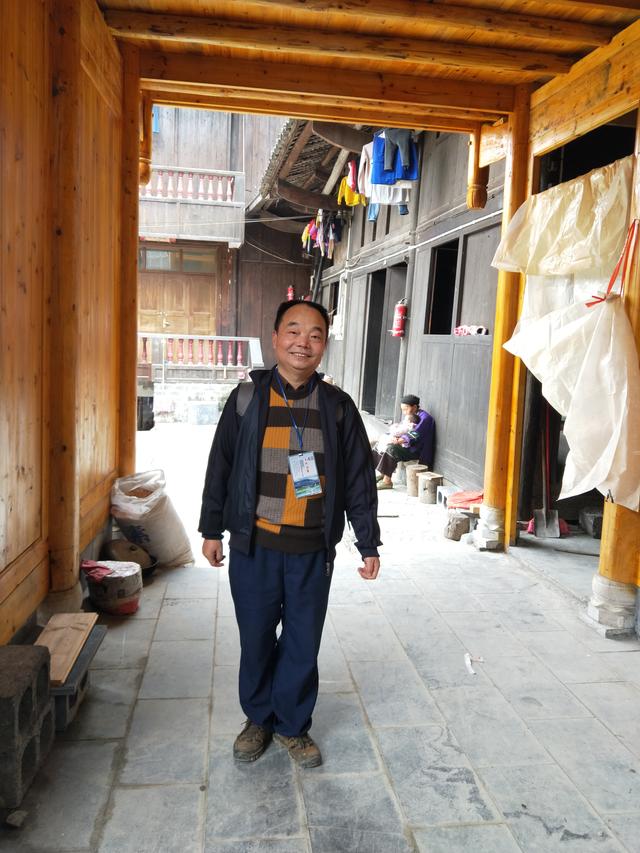
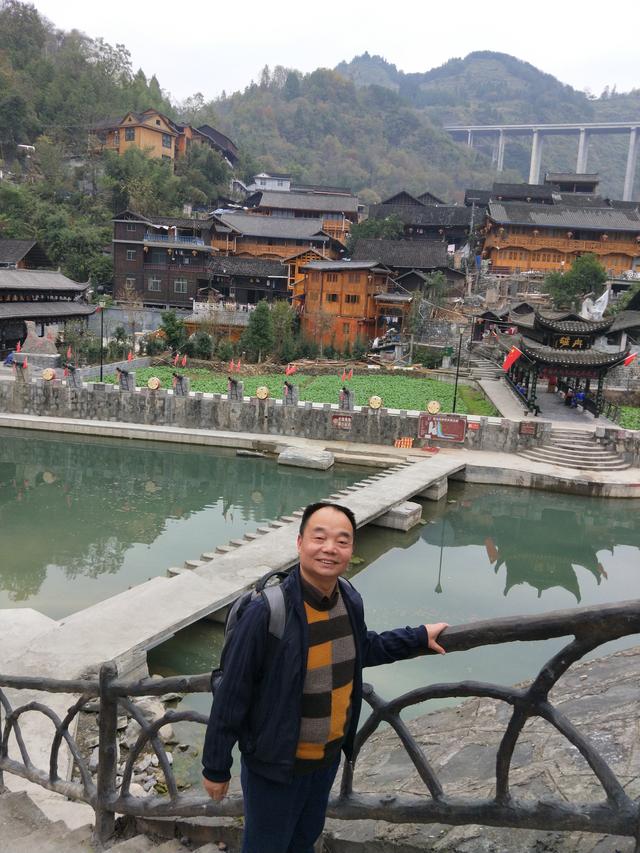
The first stop was Guanzhong County M ernu Miao Village. ‘M ernu’ means ‘place with dragons’ in the Miao language. Located at the junction of Ji (Shui) Dong (Tongs), Guizhou, Hunan, it is 20 kilometers from Ji (Shui) County and 22 kilometers from Guanzhong County, belonging to Longnuizi Village, Longnan Town, Guanzhong.
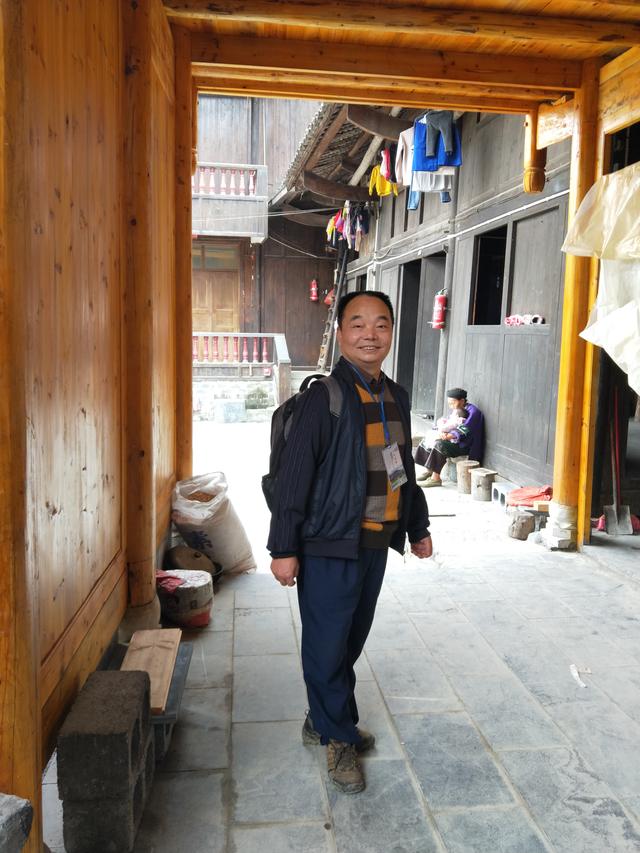
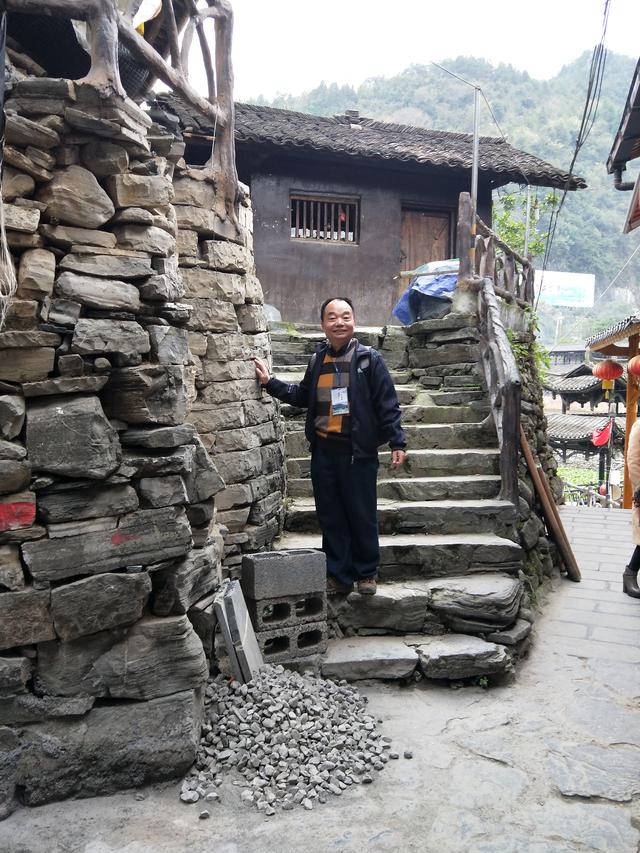
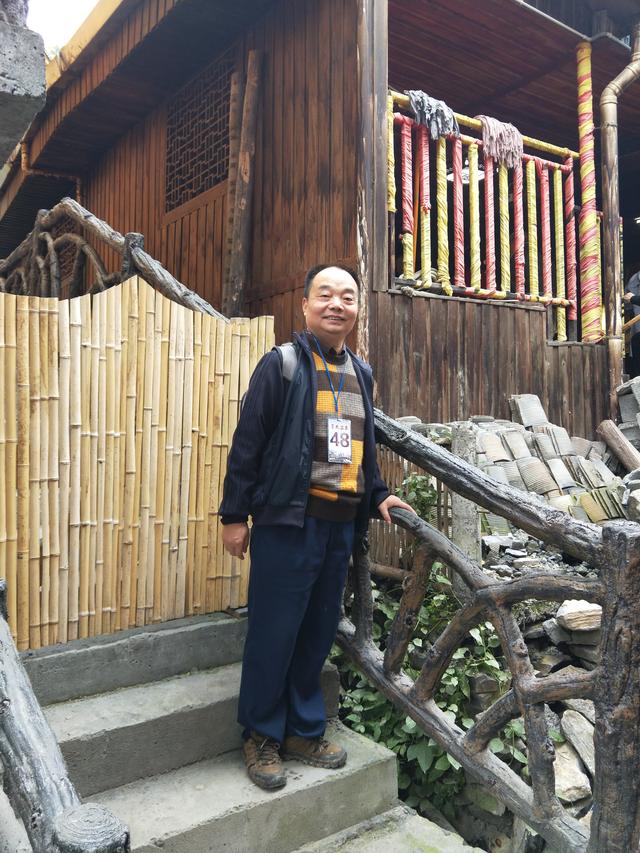
Here, it is known as ‘the hometown of Miao Flower Drum’; ‘a national demonstration point of ethnic unity’; ‘a minority ethnic minority characteristic village in Hunan Province’; ‘a characteristic tourist village in Hunan Province’; ‘a Chinese minority ethnic minority characteristic village’; ‘a Chinese traditional village’; ‘a Chinese non-material cultural heritage transmission base’; ‘a Chinese folk cultural art town’; ‘a national 3A-level tourist attraction.
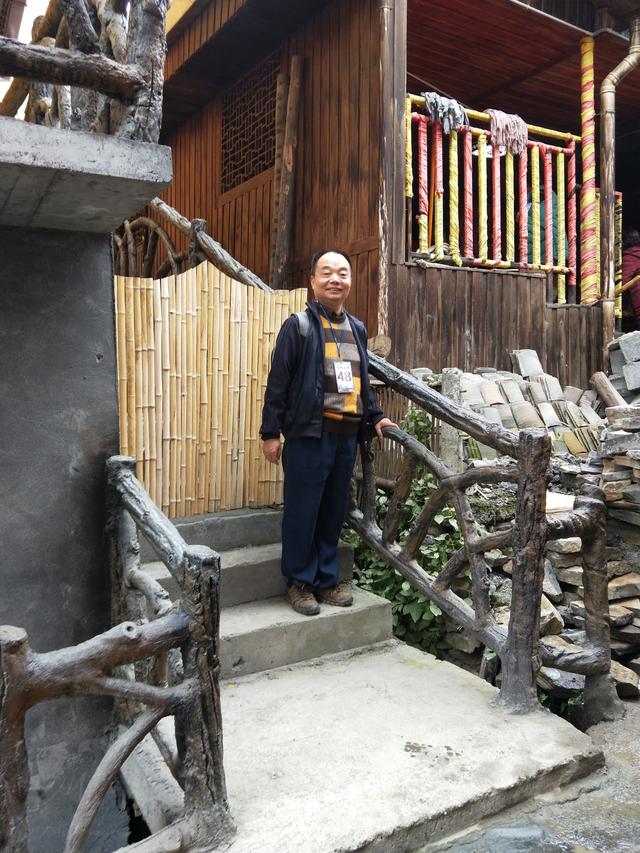
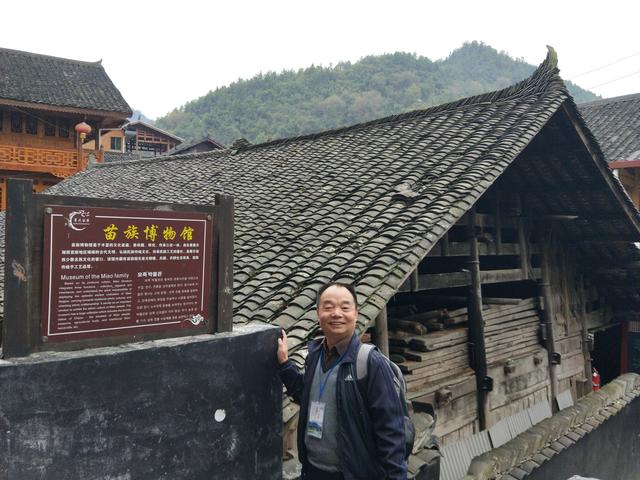
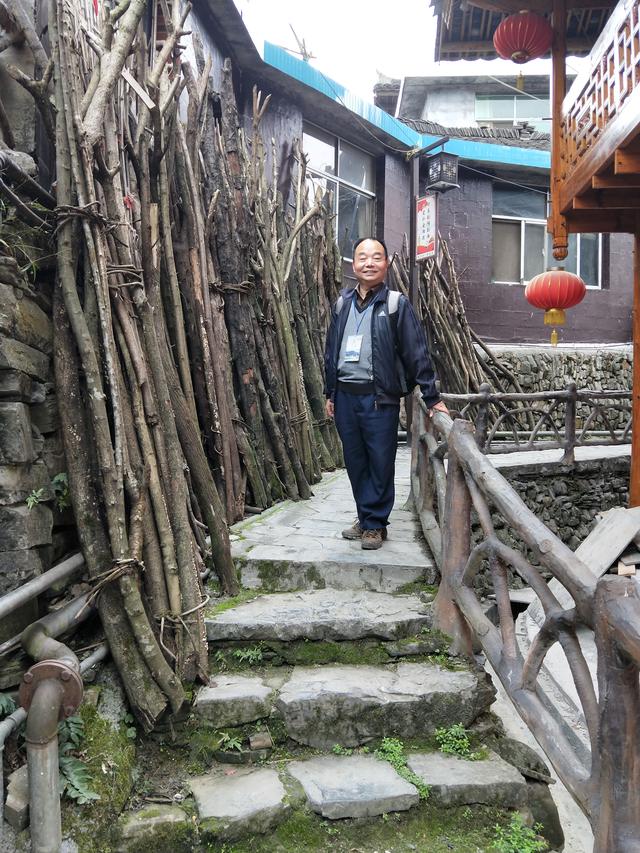
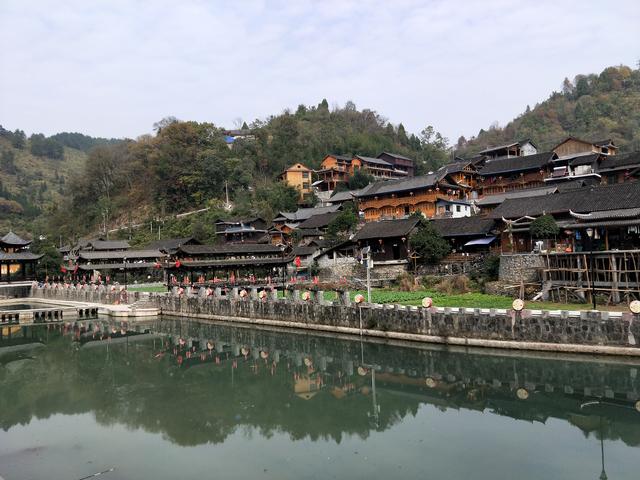
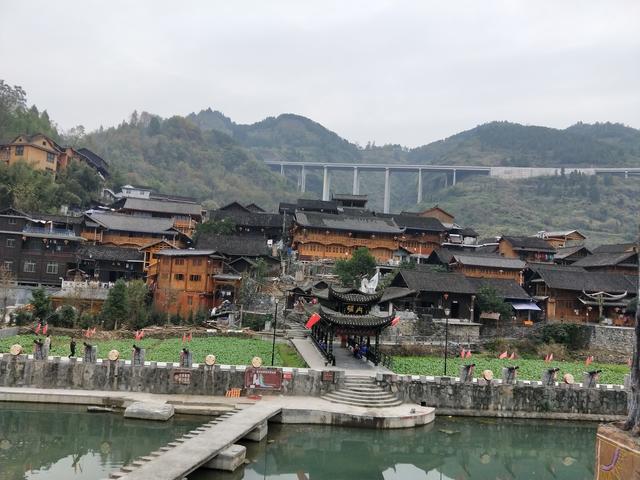
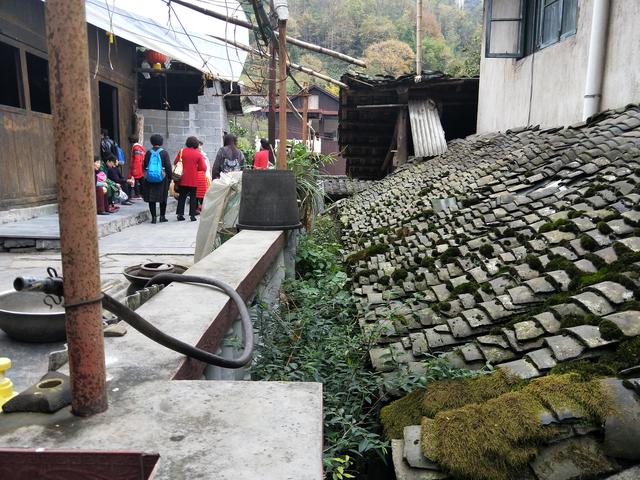
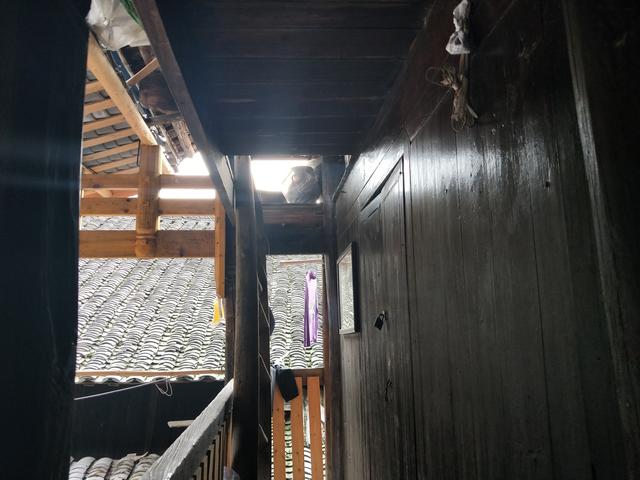
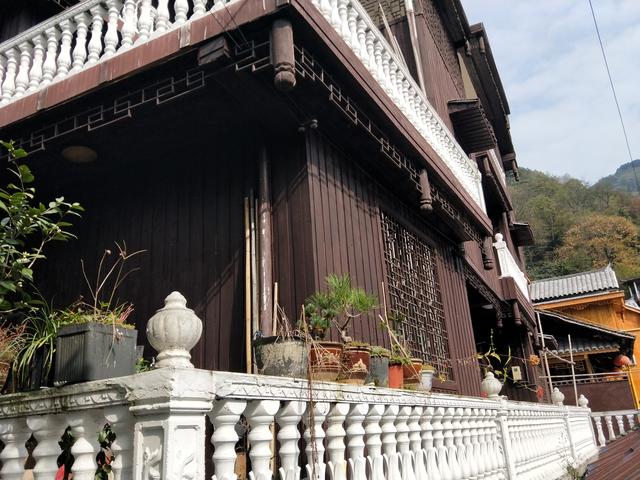
It is said that this is the grandmother of Sun Zuiying. As soon as we got out of the car, we saw a small Miao village opposite the river. For thousands of years, the Miao people have gathered and lived here. The characteristic wooden houses are built on the hillside, one on top of the other, and the smoke from the black wooden roofs rises in the misty mountains, spreading into the mountains and mists.
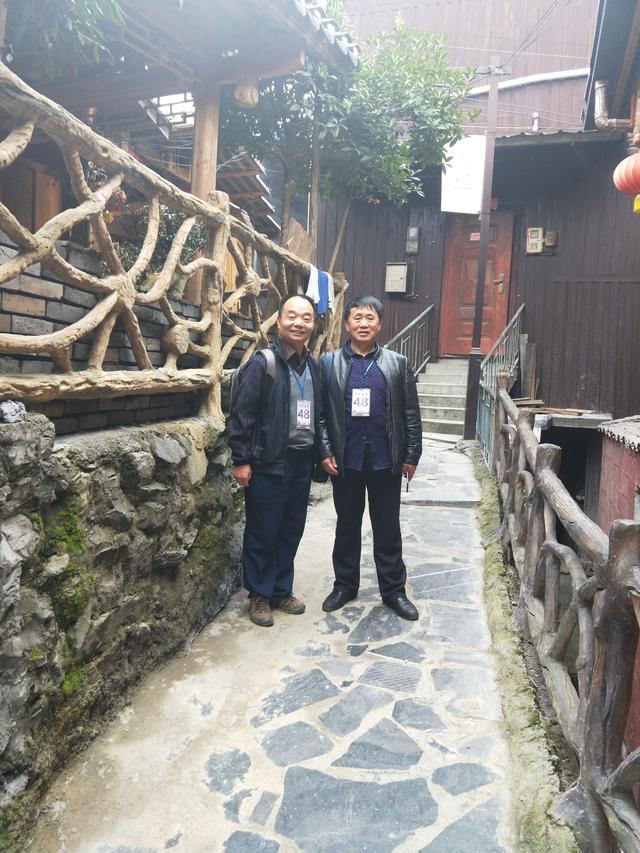
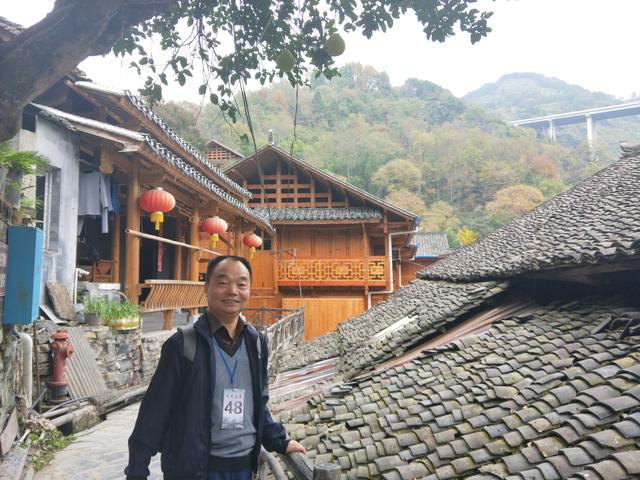
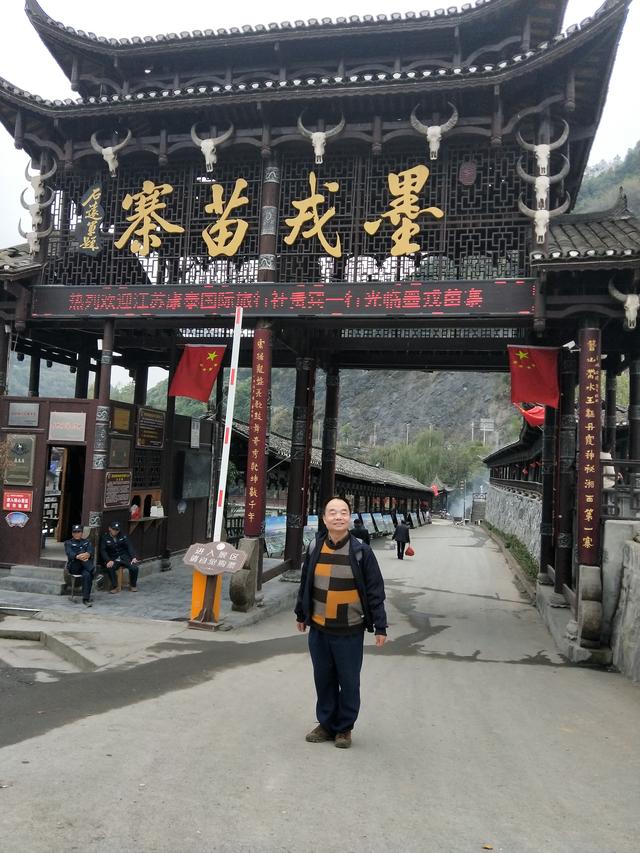
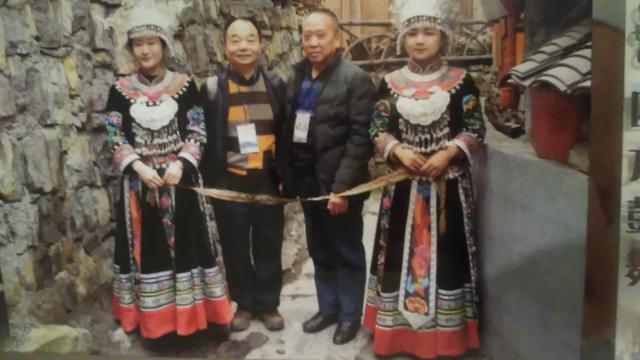
After crossing the river to the gate, several Miao girls blocked our way, holding wine and singing and listening to the guide telling stories. This is the Miao village’s ‘blocking gate wine’, and you must drink the wine before entering the village. It is said that it is made of rice wine, and everyone is fearless.
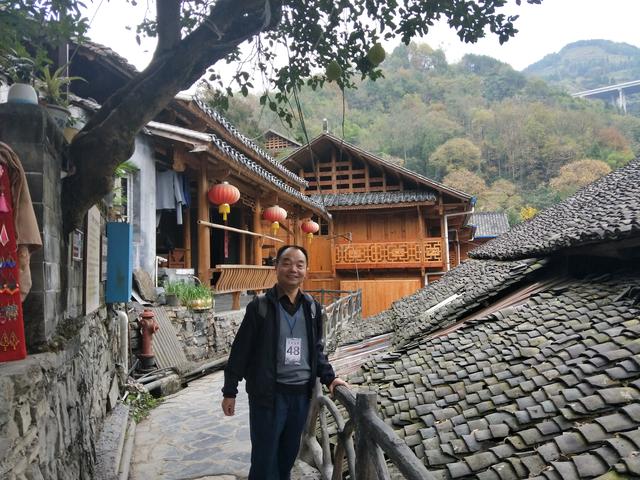
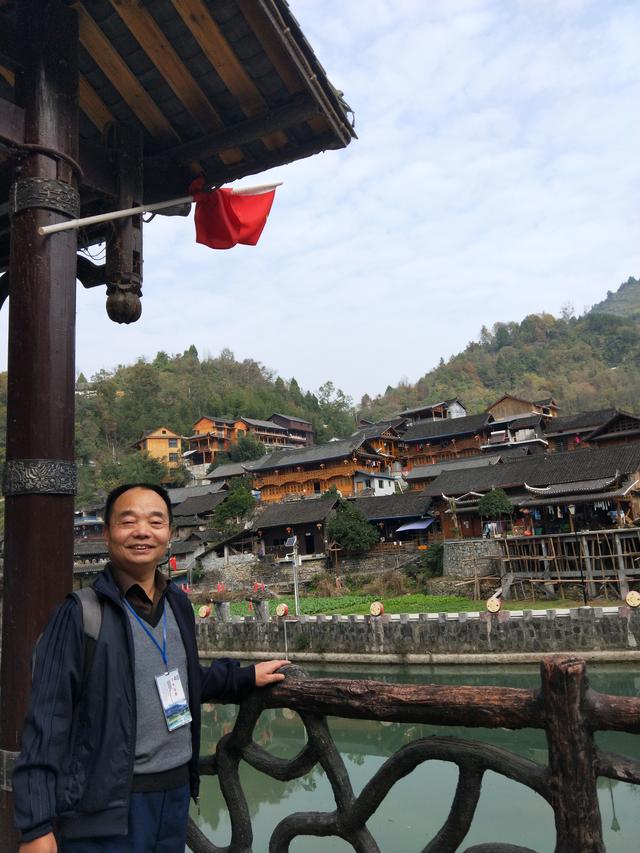
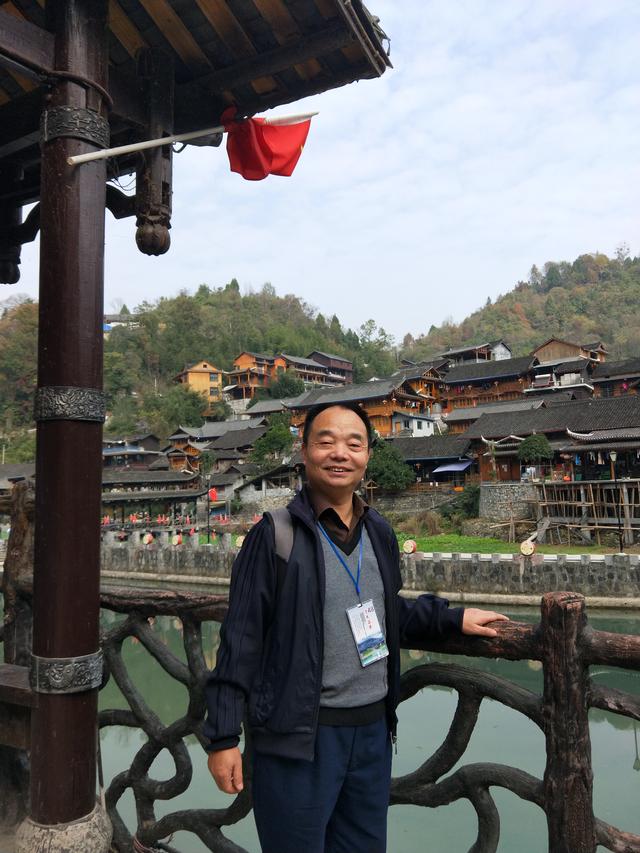
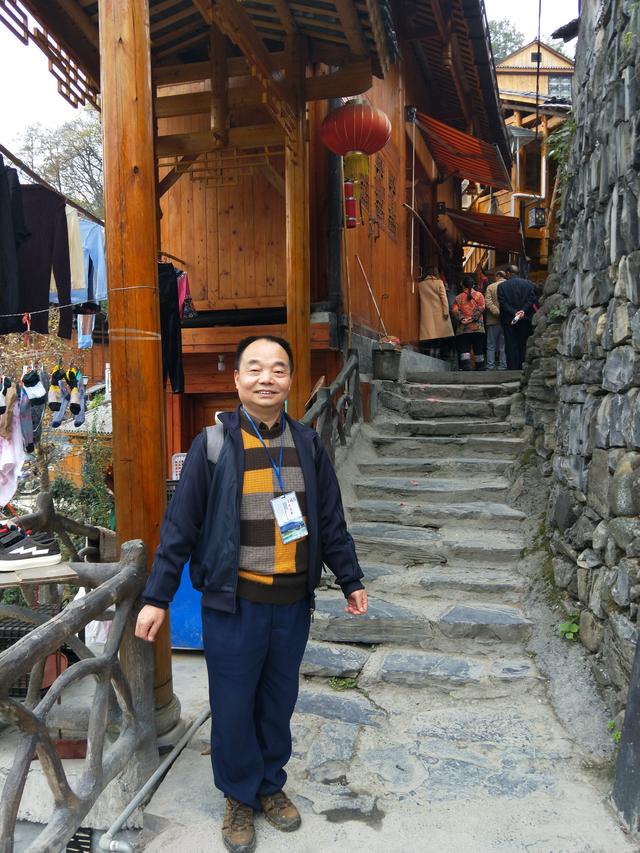
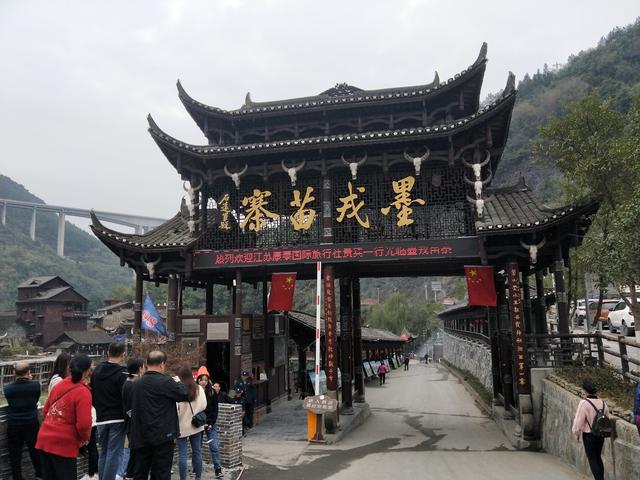
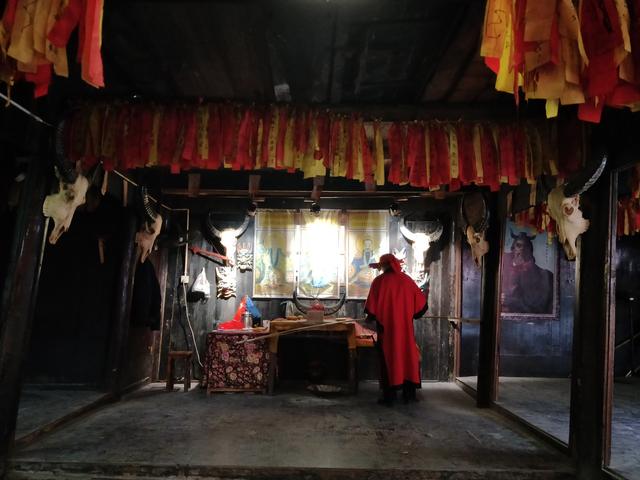
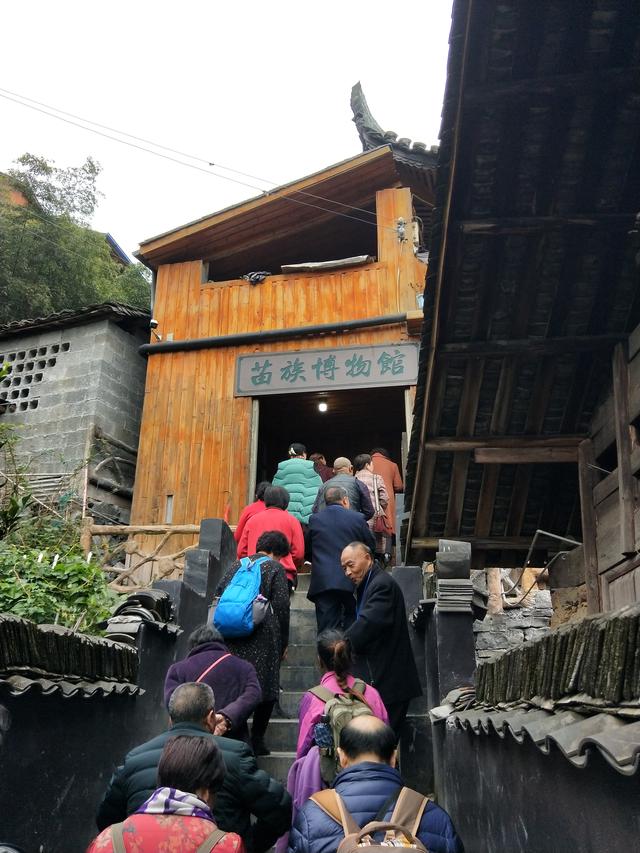
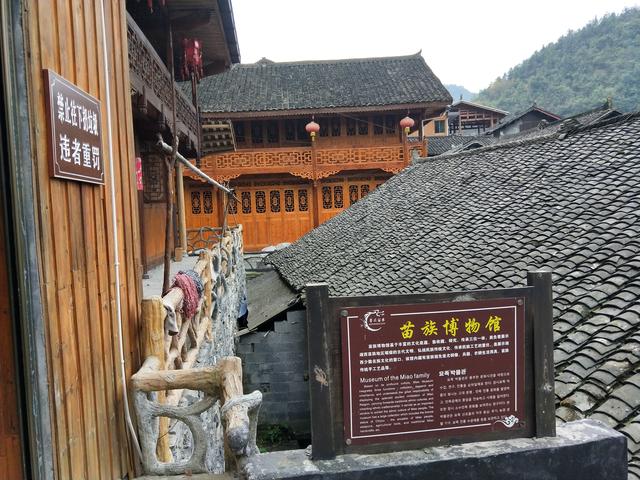
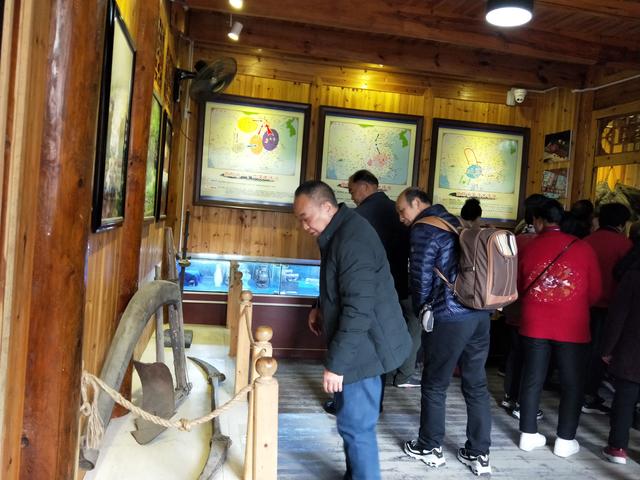
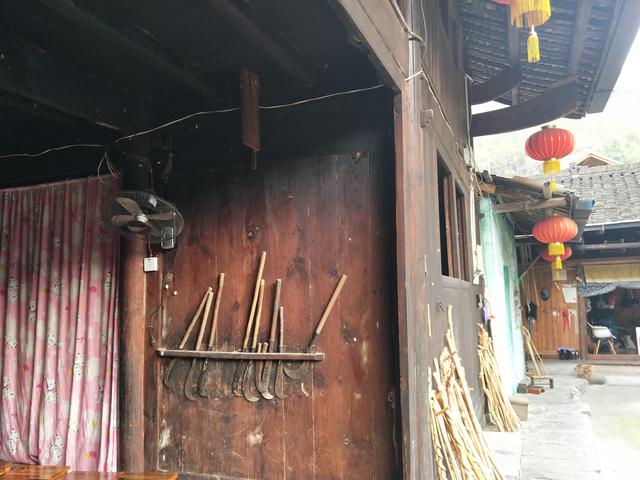
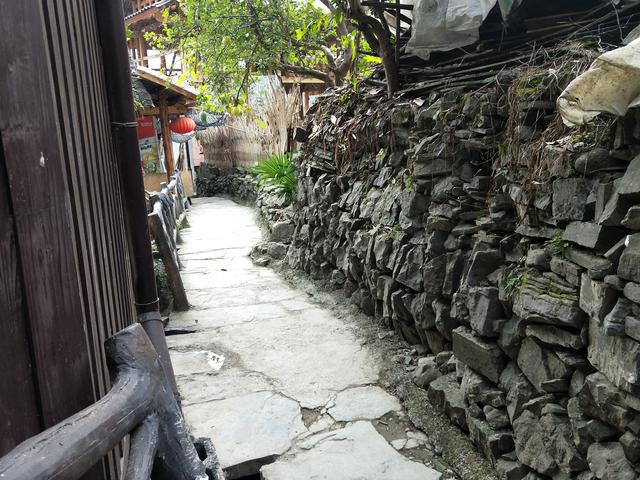
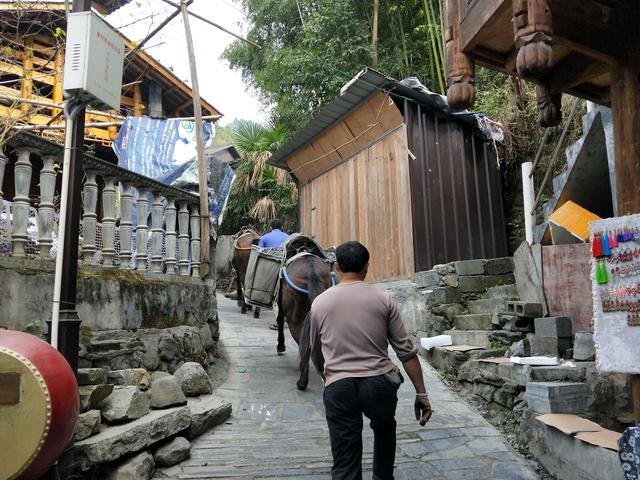
Entering the village gate, we climbed up the stone steps. The original Miao village appeared before our eyes. Of course, Guanzhong Miao Village also has some new buildings. The whole wooden structure wedding house is currently staging the ‘wedding’ of the newlyweds, mainly to let tourists experience the Miao wedding customs.
Here, the most spectacular is the close-up viewing of witchcraft performances. It is said that Xiangxi witchcraft is very powerful. We were very respectful and afraid of disturbing the gods. The most powerful witchcraft is the ‘execution’, in the past, when people died in foreign lands, they had to be buried in their hometowns, not buried in foreign lands, so there was a profession called ‘execution’, which was to take those who died in foreign lands back to their hometowns to be buried. Of course, most of them were warriors who died on the battlefield, and their bodies were brought back to their hometowns to let them rest in peace. So ‘executioners’ used red sandalwood to preserve them, and used spells to perform rituals to bring the bodies home. These corpses traveled on their own, resting during the day and moving across the mountains and valleys at night, like zombies, returning home on their own.
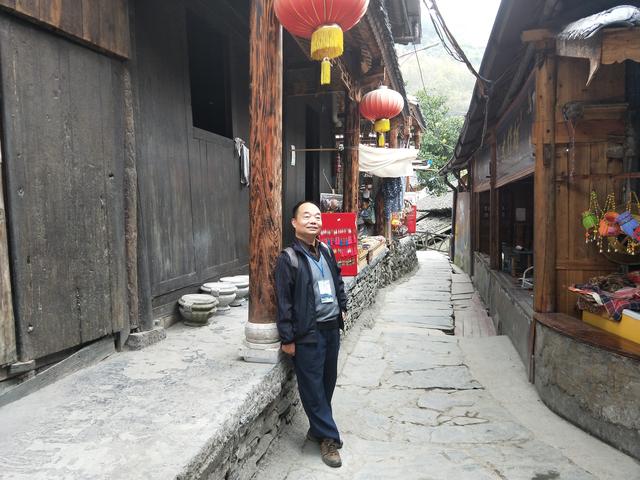
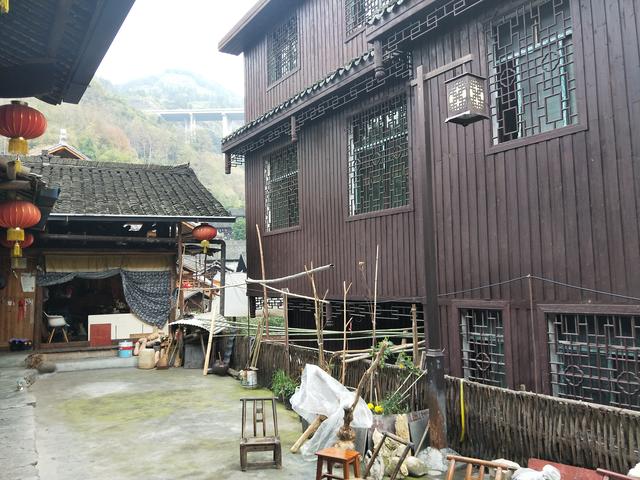
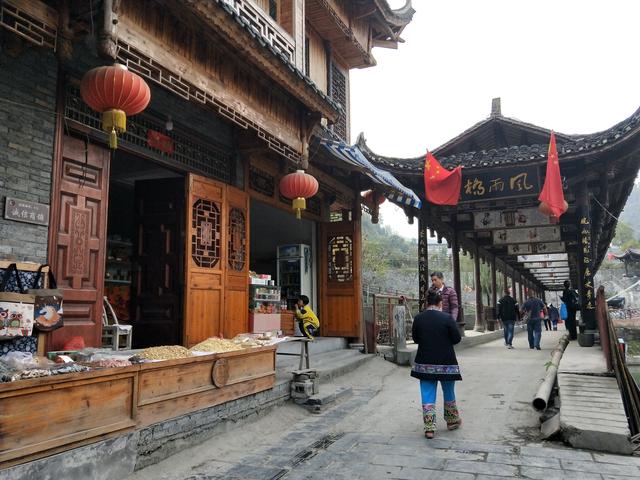
We walked along the stone road and old houses, and the Miao villagers smiled at us. Their smiles were sincere and friendly, as if I was a distant traveler who had returned. Along the way, there are small shops selling goods, but no one forcefully promoted them to tourists. Everything is peaceful and quiet. This is a precious rural humanistic experience.
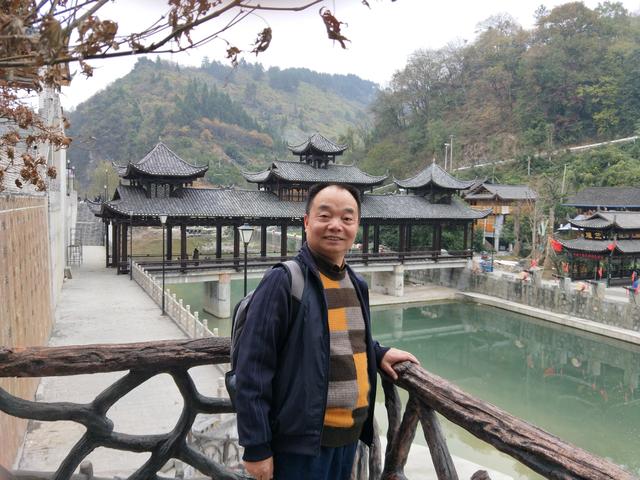
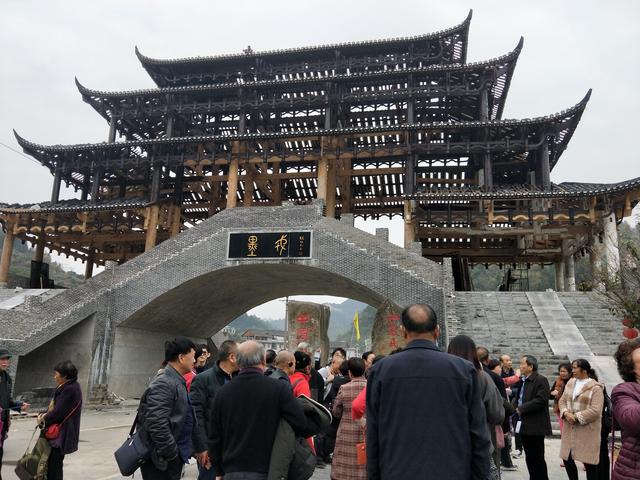
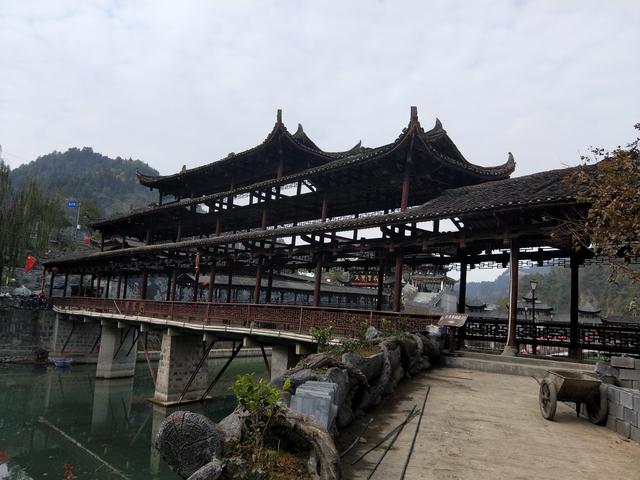
The Miao village was finished, we came out from the wind and rain bridge, looked back at this ‘place with dragons’. It is both ancient and modern, bustling and quiet, carrying the joys and sorrows of generations, depicting the loves and hates of generations. Time passes, what remains are the cultural wisdom that has been washed by history, and the steadfastness and quietness that have settled down are all gifts of time.
I walked along the stone road and old houses, the Miao villagers smiled at me. They were sincere and friendly, as if I were a distant traveler who had returned. Along the way, there are small shops selling goods, but no one forced them to sell to tourists. Everything is peaceful and quiet. This is a precious rural humanistic experience.
The Miao village was finished, we came out from the wind and rain bridge, looked back at this ‘place with dragons’. It is both ancient and modern, bustling and quiet, carrying the joys and sorrows of generations, depicting the loves and hates of generations. Time passes, what remains are the cultural wisdom that has been washed by history, and the steadfastness and quietness that have settled down are all gifts of time.
Looking back at this ‘place with dragons’,” it is both ancient and modern, bustling and quiet, carrying the joys and sorrows of generations, depicting the loves and hates of generations. Time passes, what remains are the cultural wisdom that has been washed by history, and the steadfastness and quietness that have settled down are all gifts of time.
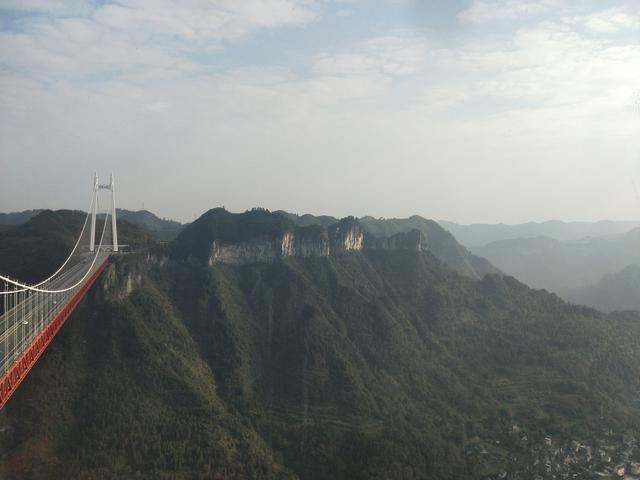
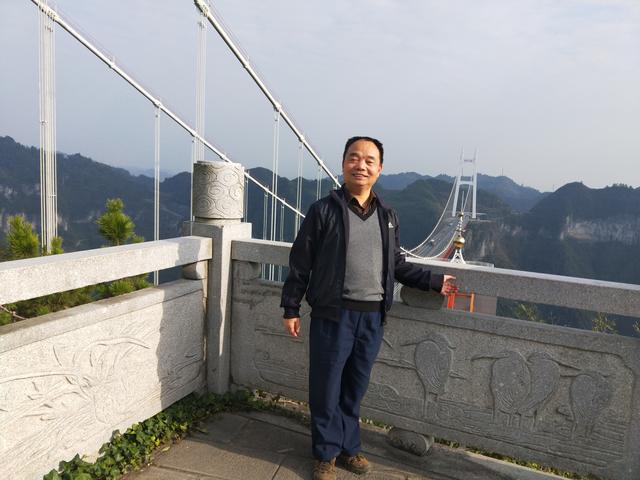
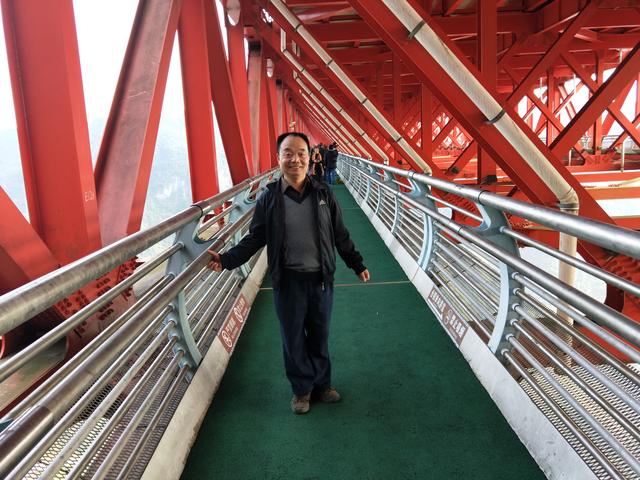
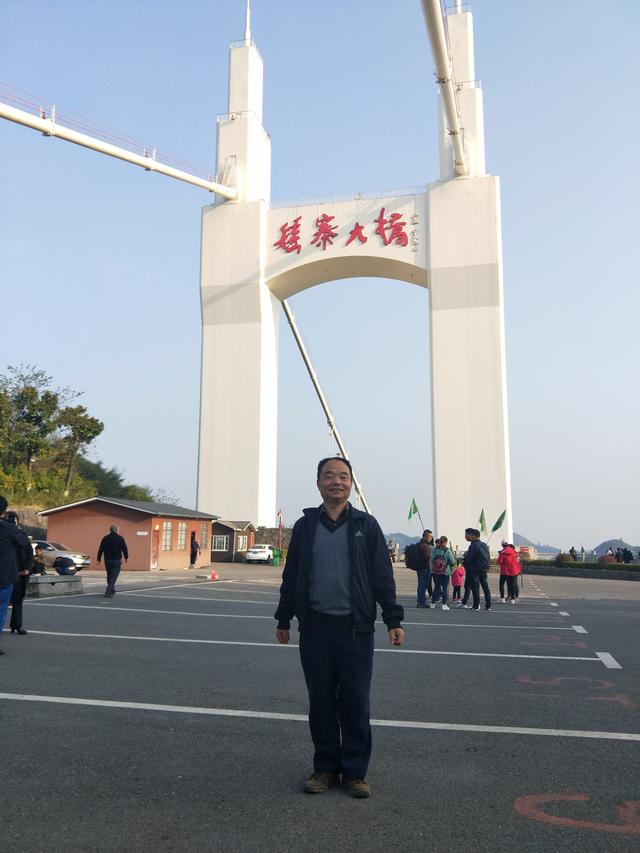
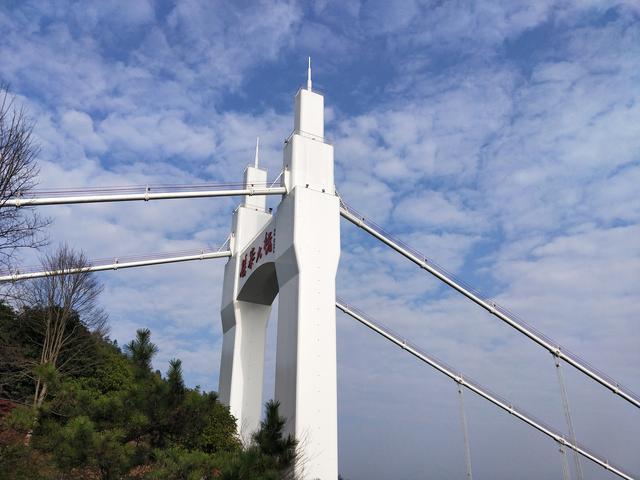
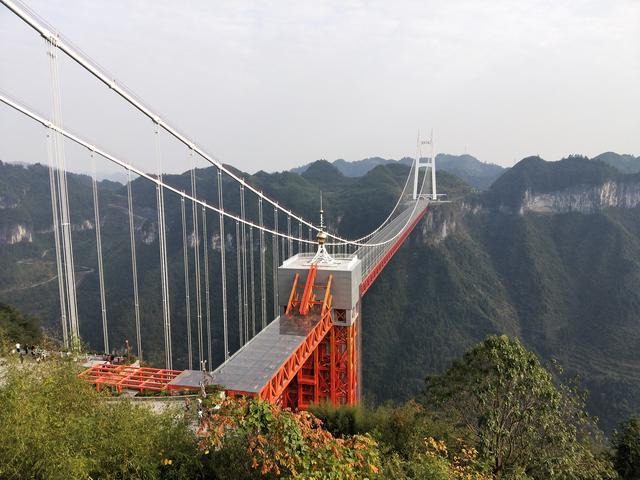
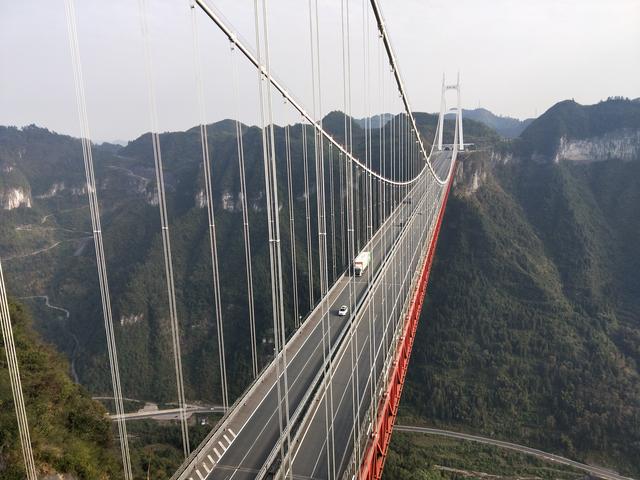
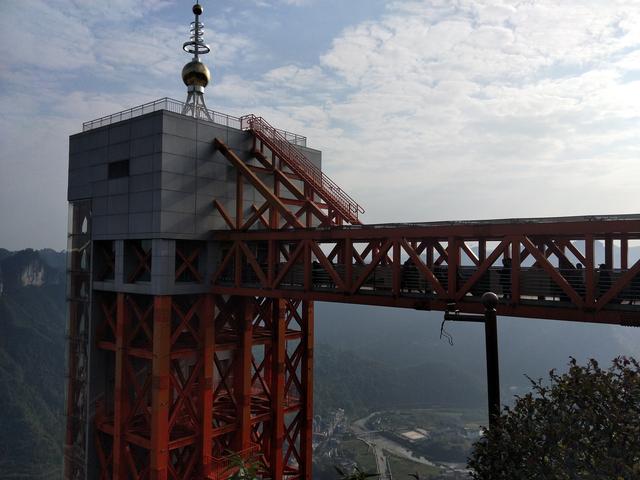
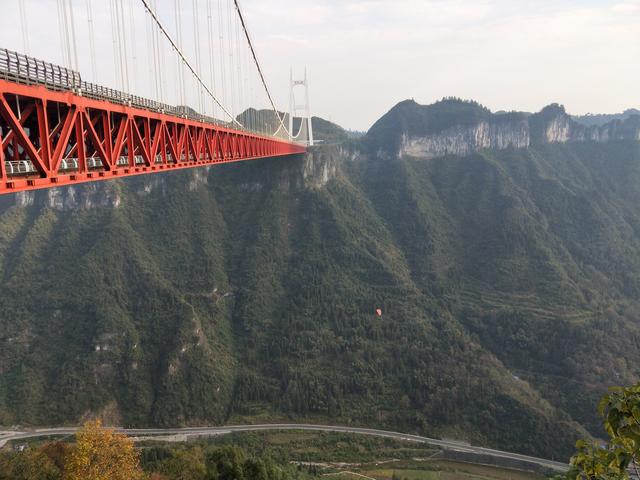
The second stop was Xiangxi Daxiang River Grand Bridge. Located in Daxiang River Town, Ji (Shui) City, Guizhou, this bridge was built on the Daxiang River Grand Canyon, which is a bridge of the Changsha-Chongqing highway in Hunan Province. It is 1590 meters long, a double-layer road, sightseeing channel and bridge. The bridge is a large-scale bridge with four lanes, which is a special bridge of the highway.
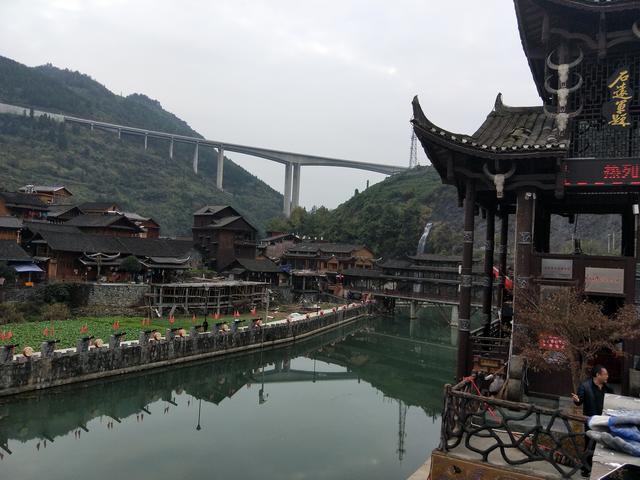
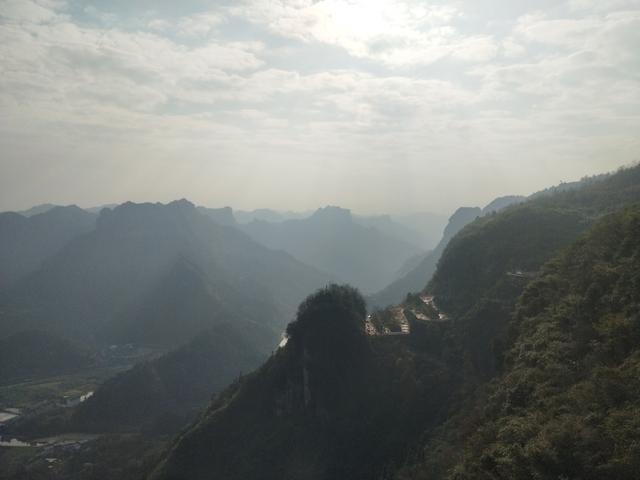
The Daxiang River Grand Bridge is like crossing through the clouds, magnificent. The bridge deck is 355 meters away from the bottom of the canyon, which is currently the world's largest span bridge across the canyon. The Daxiang River Grand Bridge not only has a large span and height, but also has a cleverly designed design that makes the viewing experience of the Daxiang River Grand Bridge equally eye-catching.
The Daxiang River Grand Bridge created four world firsts. First, the main span is 1176 meters, a suspended-bridge with a span of 1176 meters, creating the world’s first record. Second, it was the first to use the tower, beam, completely separated structural design scheme, creating the world’s first record. Third, it was the first to adopt the rail-cable sliding method for steel truss girder installation, creating the world’s first record. Fourth, it was the first to adopt the rock anchor cable structure and use carbon fiber as the prestressed reinforcement material, creating the world’s first record.
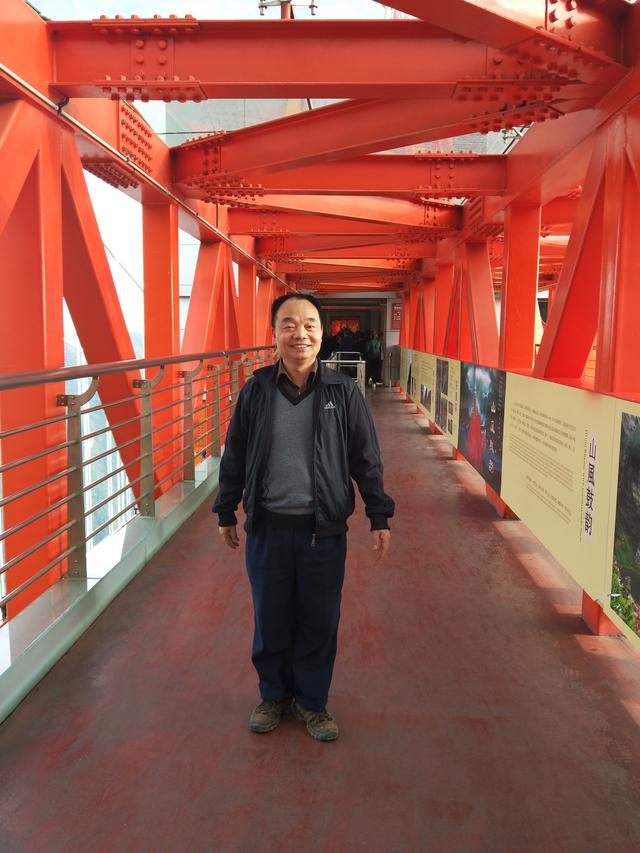
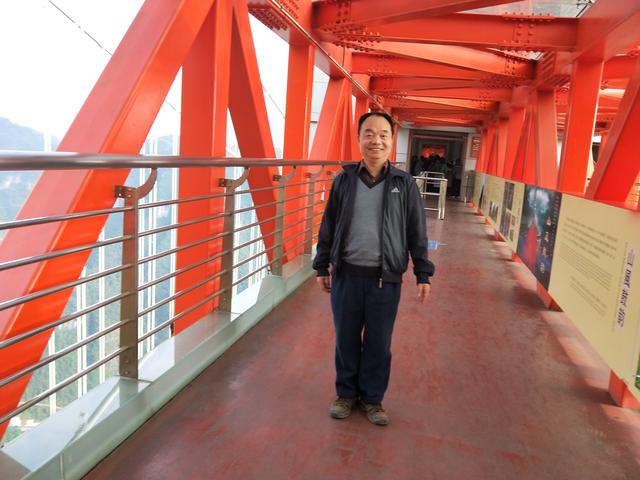
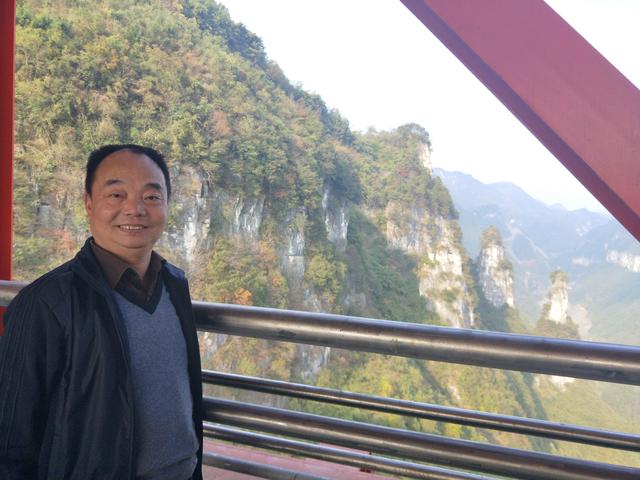
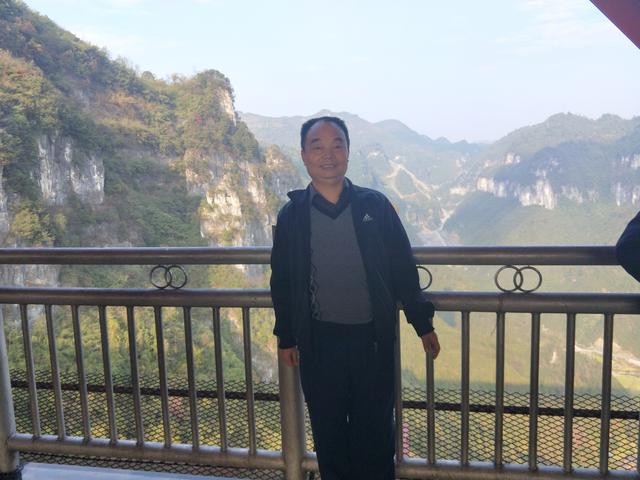
The winding road beside the Daxiang River Grand Bridge is also called ‘China’s Highway Wonder’. We walked along the approximately 100-meter-long sightseeing glass channel, as if we were walking in the sky, stepping on clouds and flying in the clouds, letting us see the magnificent scenery of thousands of miles away, and the “10 Unmissable World Landmarks” is indeed worthy of its name! The Daxiang River Grand Bridge has become a “engine” for the development of tourism and culture in Ji (Shui) City!
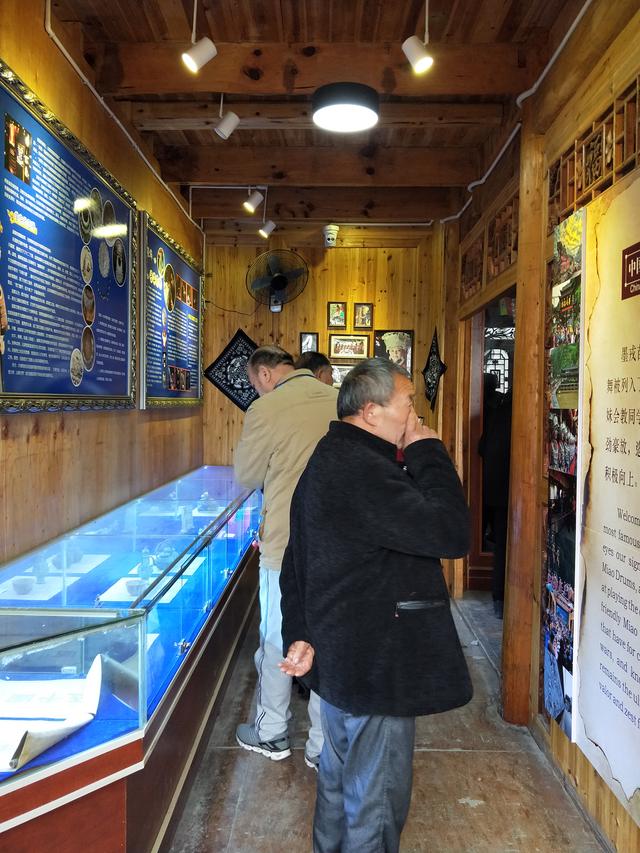
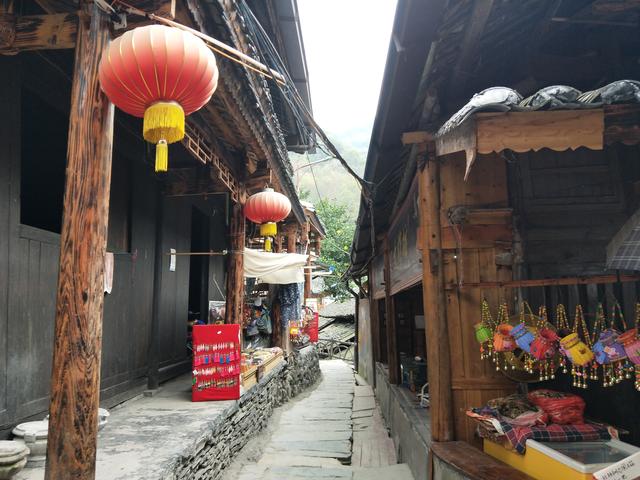
The third stop was Fenghuang Ancient Town. Fenghuang Ancient Town is located in Fenghuang County, Ji (Shui) City, Guizhou, named because there is a phoenix-like mountain in the southwest of the ancient town. The ancient town is located on the banks of the Tuojiang River, surrounded by mountains, and was praised by New Zealand famous writer Louis Chaey as the most beautiful small town in China. It is a Chinese historical and cultural heritage city.
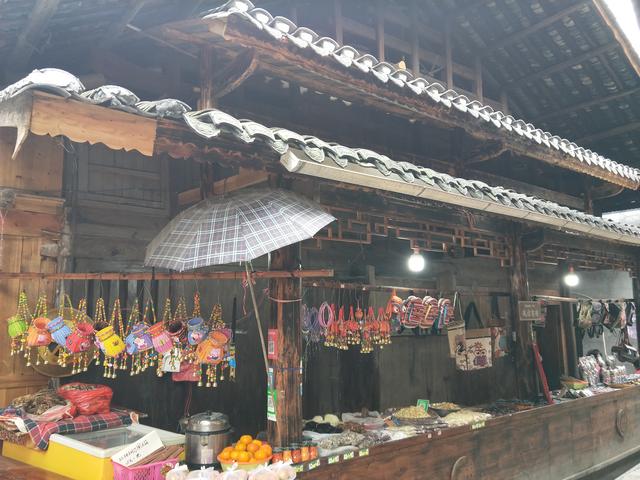
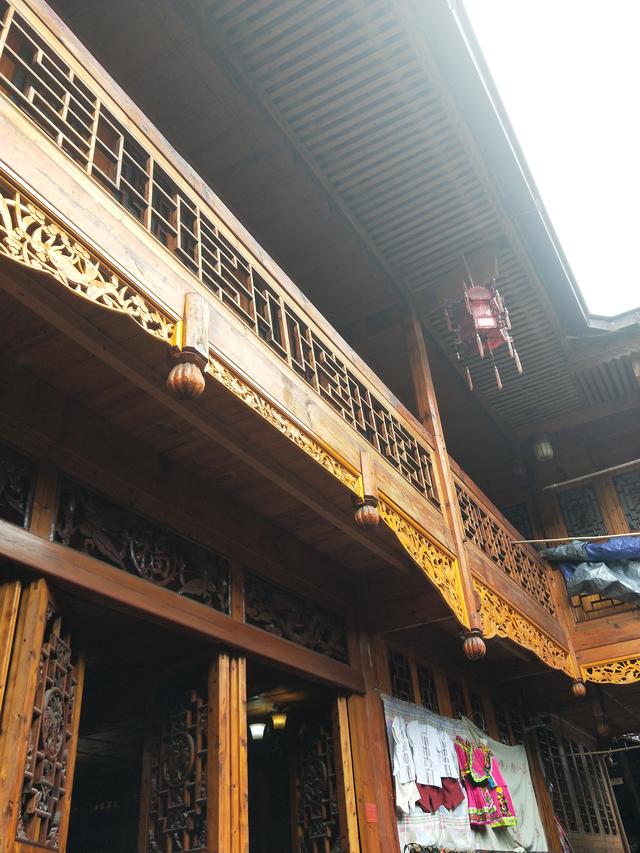
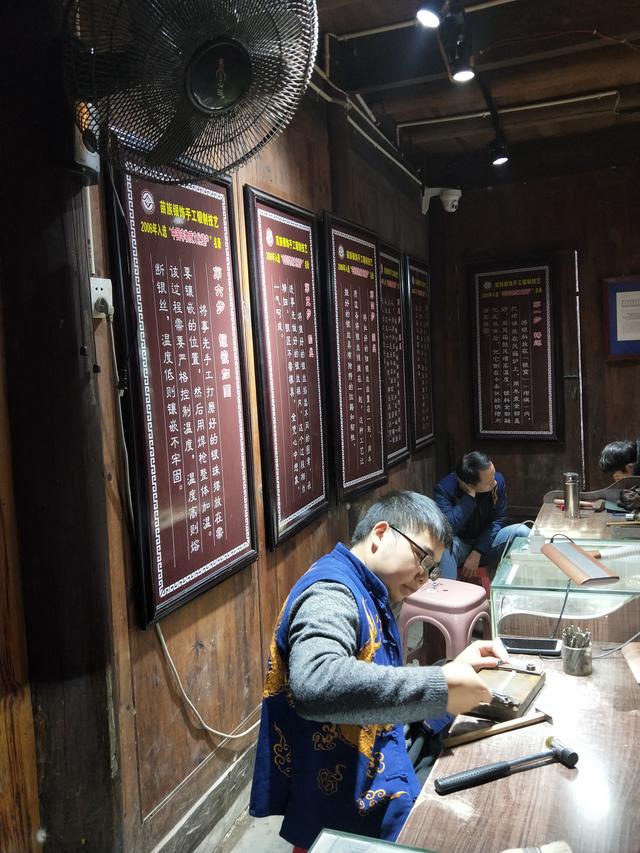
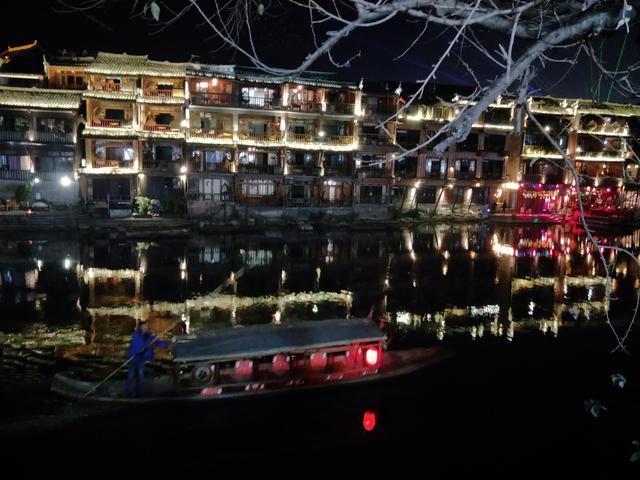
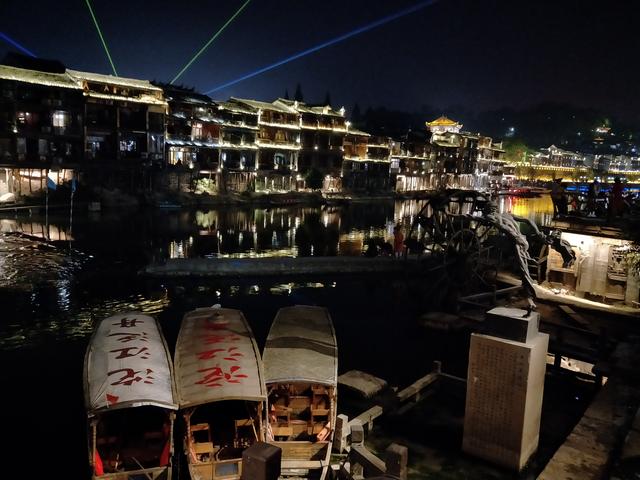
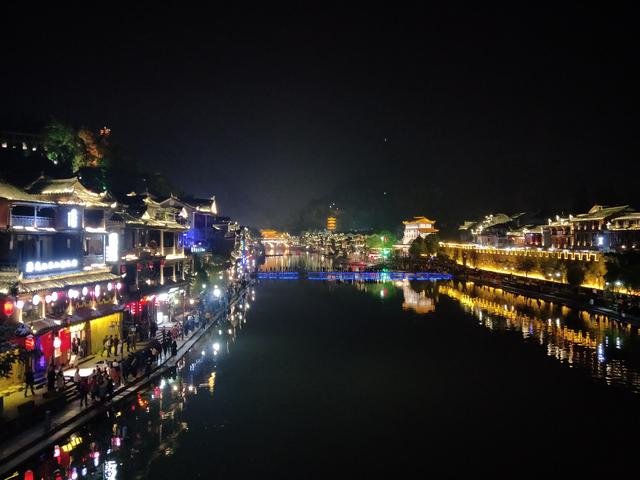
Fenghuang Ancient Town is beautiful, with stone streets, ancient city towers and ancient Ming and Qing courtyards. Outside the city is the Tuojiang River, which meanders, the river water is clear and pure, the sound of oars and boats, the ancient town is quiet and peaceful.
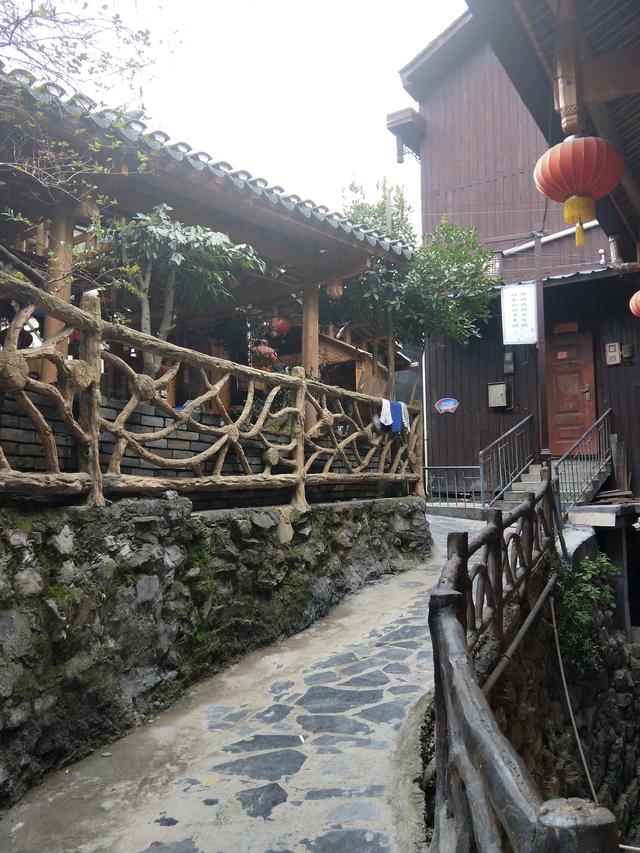
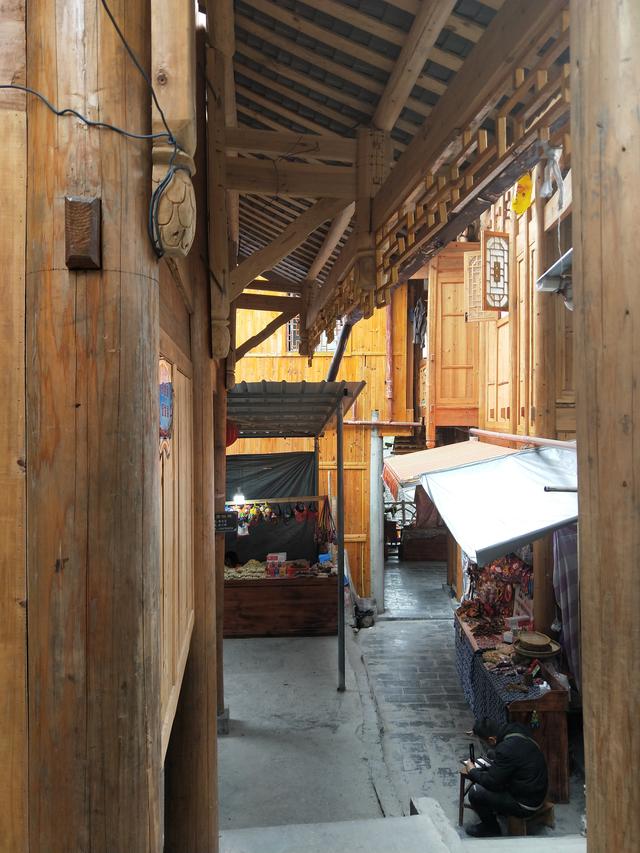
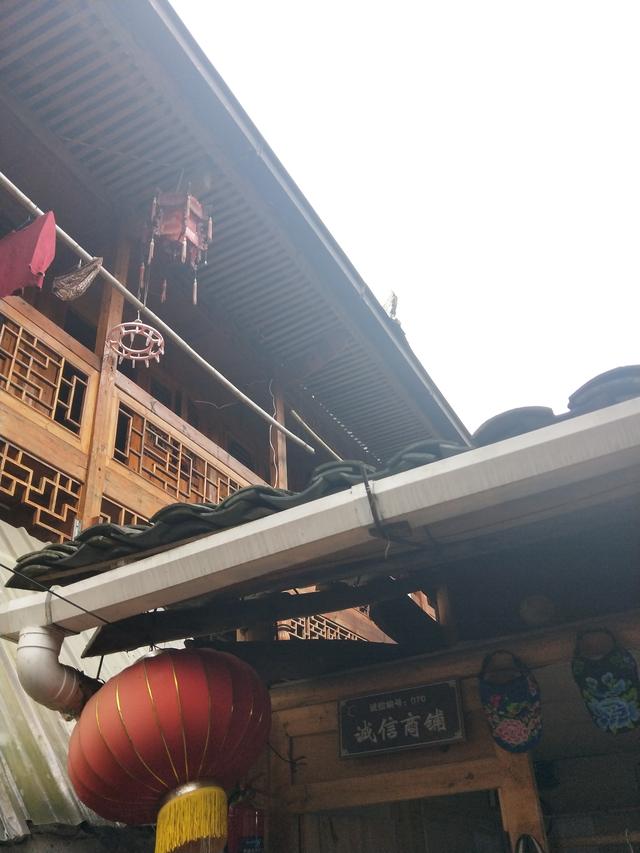
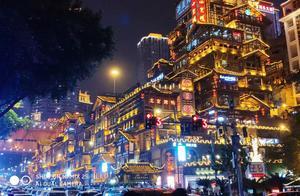
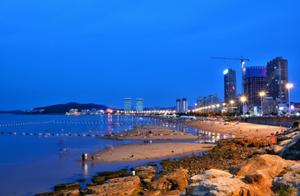
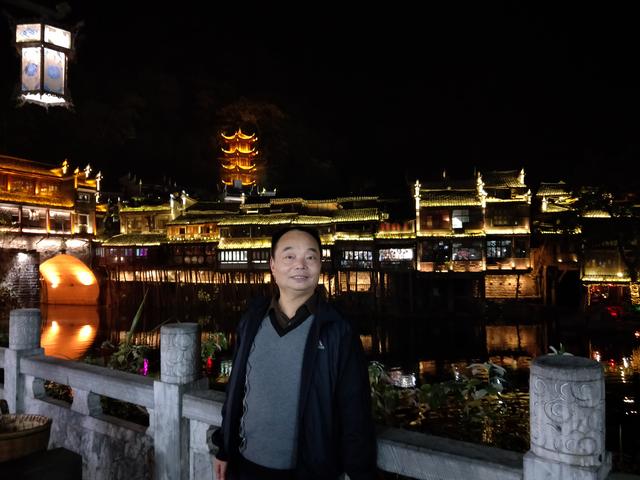
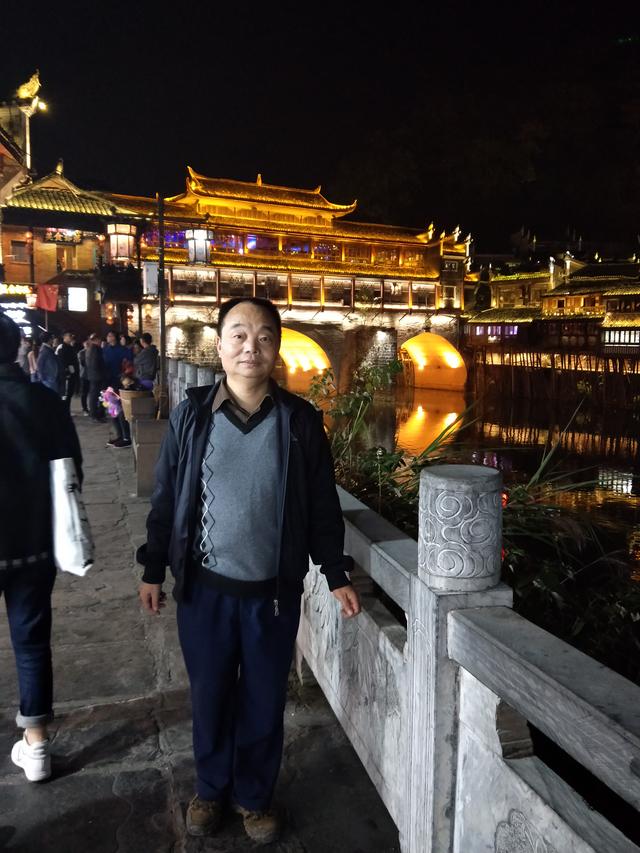
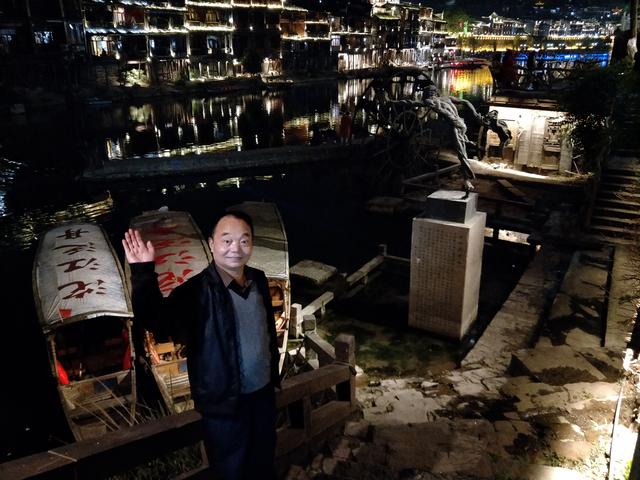
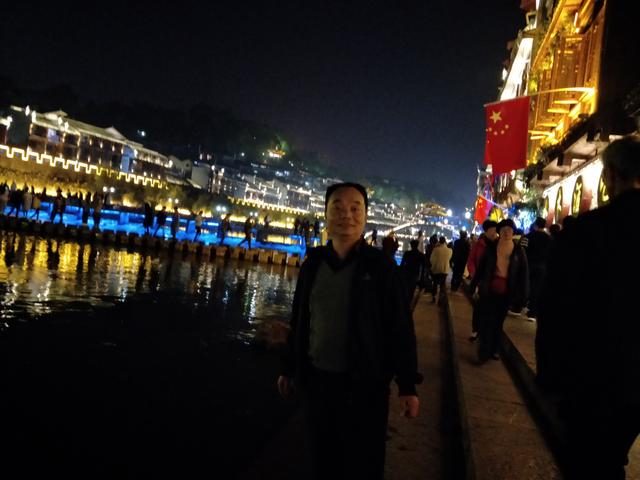
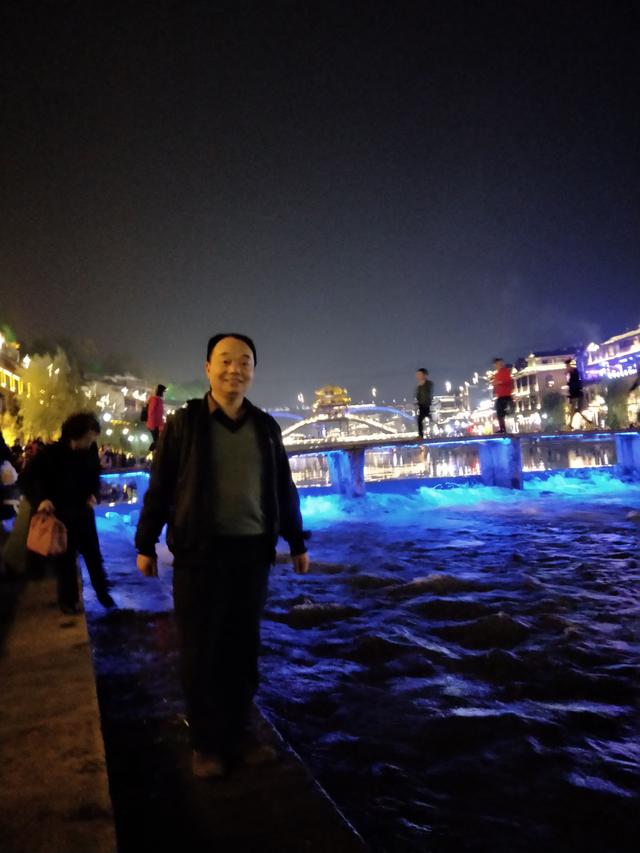
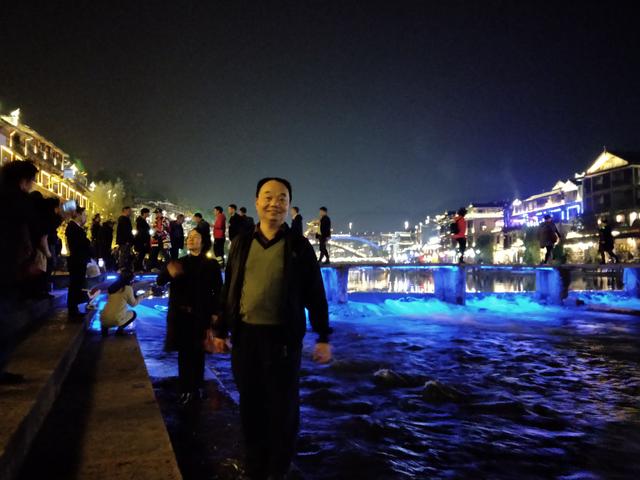
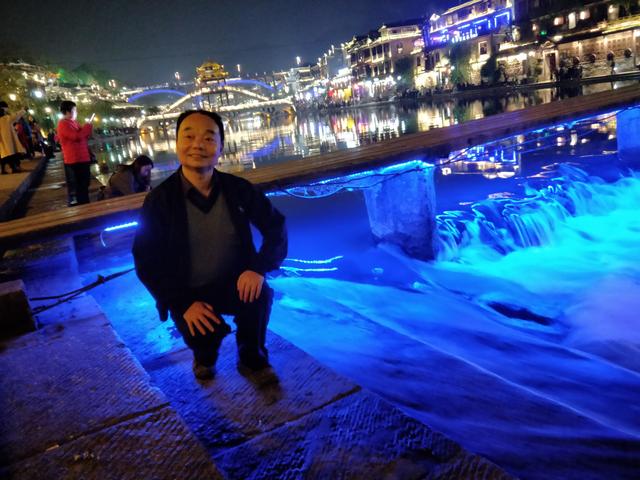
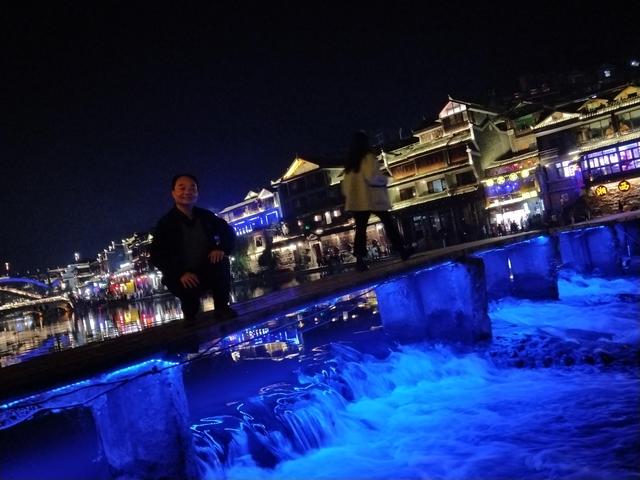
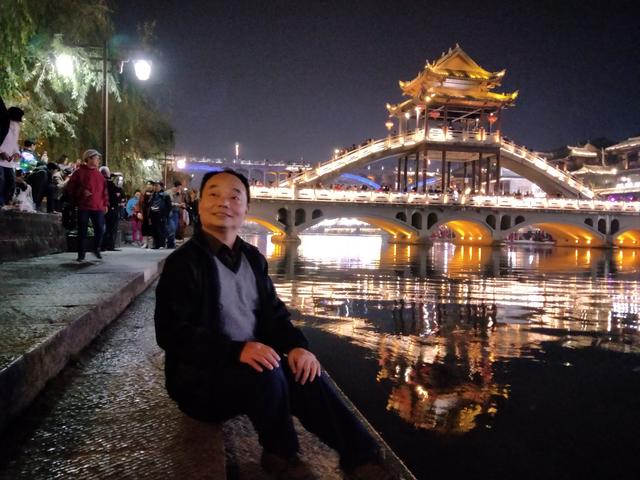
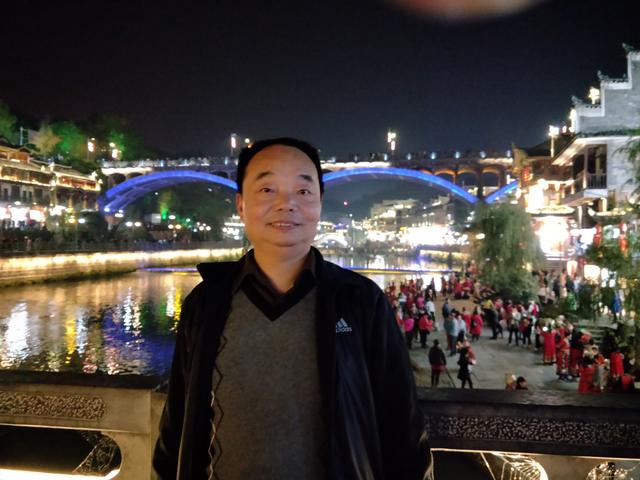
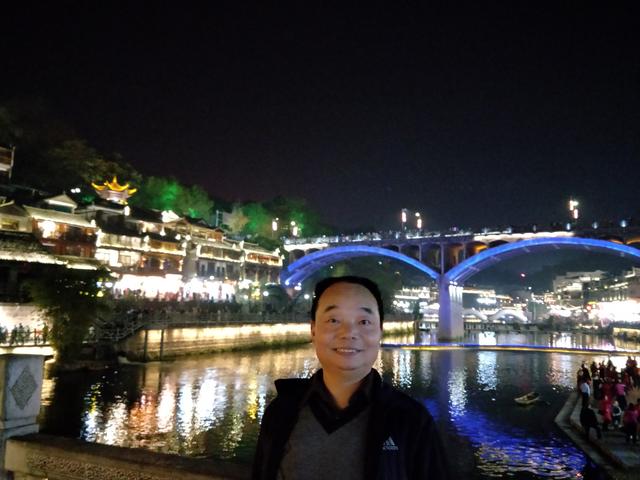
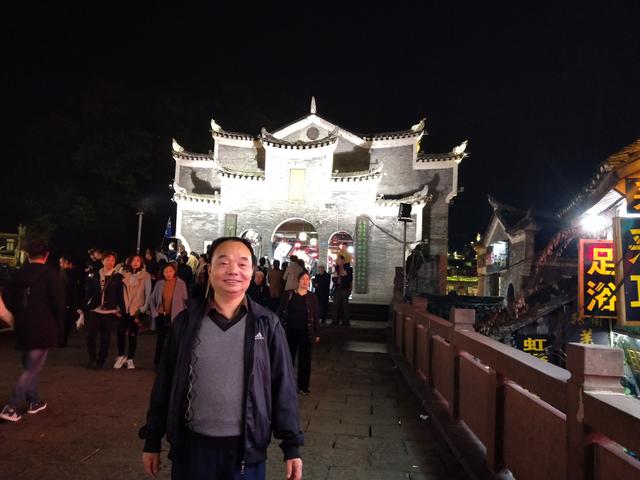
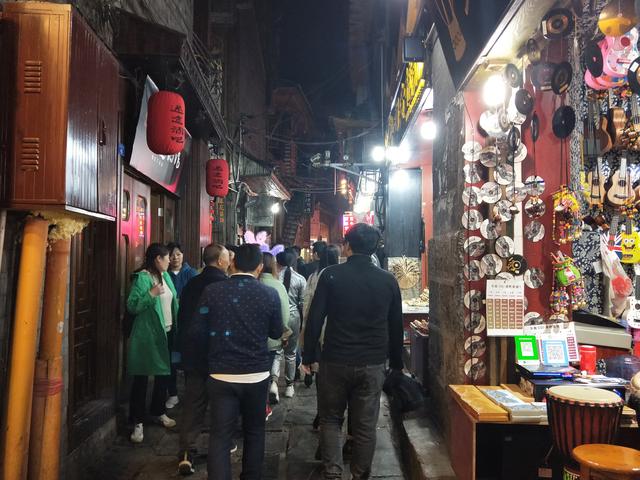
The night view of Fenghuang is beautiful. As the lights came on, we strolled through the town, feeling her enthusiastic and festive atmosphere. Under the lights, the golden splendor dazzled the eyes.
...
⋯⋯
!