Xinjiang's Most 'Mysterious' Lake: Hidden in the Desert, Now a Famous Tourist Attraction!
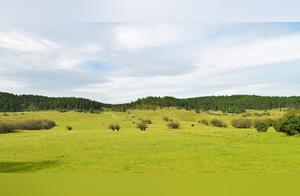
When people think of Xinjiang, the first thing that comes to mind is the vast expanse of the grasslands, dotted with cattle and sheep, and horses galloping across the plains. And for many, Xinjiang feels like a faraway country, almost like preparing for a trip abroad. However, it's actually not that far, and in recent years, Xinjiang has become a popular tourist destination, with many people choosing to travel here, and some even visit several times a year.
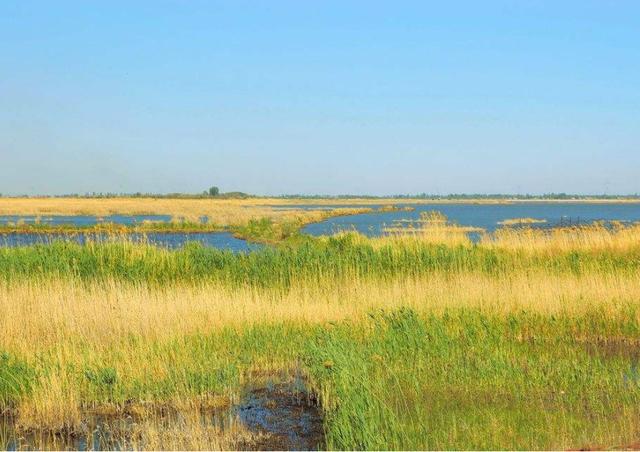
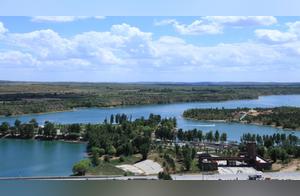
Besides the grasslands, Xinjiang boasts the most lakes. Today, I'm going to introduce you to Xinjiang's most mysterious lake – Qianquan Lake.I believe many of you might be familiar with this lake, located in the vicinity of the Junggar Basin. Originally, this area wasn't a lake but a natural wetland, with a vegetation area of 20,000 acres. The reeds along the lake shore hide over 3,000 gray-faced buzzards, hence the name Qianquan Lake.
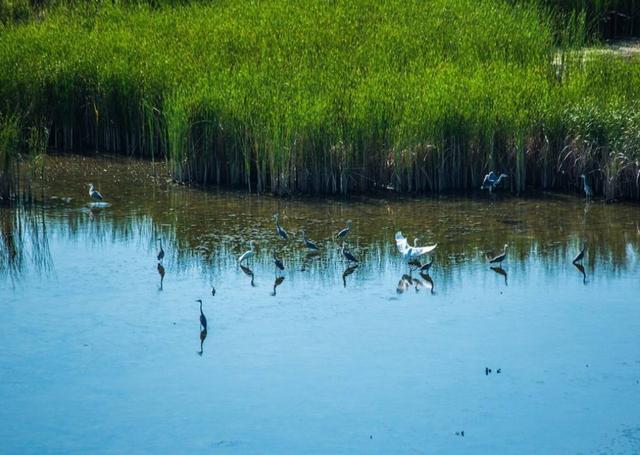
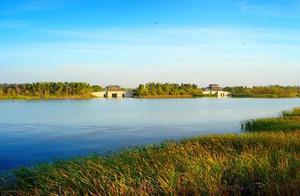
Amidst the arid desert, Qianquan Lake has become a verdant oasis with its unique water color. For centuries, this area was uninhabited, desolate, but how did this lake form in the desert? The answer, if you carefully observe the local geography, is not difficult. To the south of Qianquan Lake lies the Tian Shan Mountains, and the melting snow on Tian Shan seeps into the surface, and over time, combined with the lake's unique geological formation, it naturally formed Qianquan Lake.
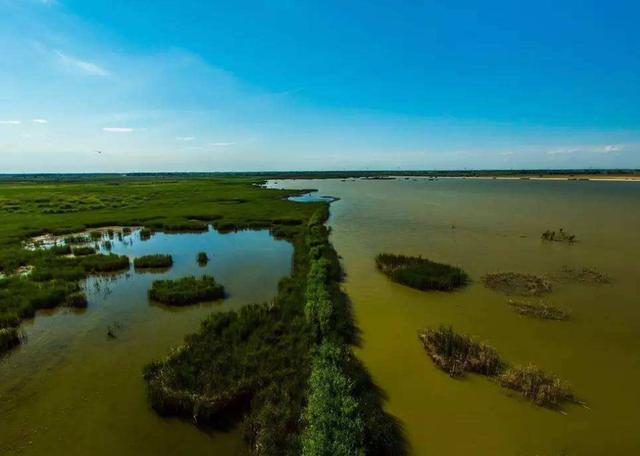
Now Qianquan Lake has been protected, and the surrounding environment has been greatly improved, including the water quality has also been improved, and it can sustain the surrounding residents. People living around the Junggar Basin rely on the pure mountain water of Qianquan Lake to solve their drinking water problems. It has also become Xinjiang's only national-level water landscape district. Now it has become a famous tourist attraction. If you have time to travel to Xinjiang, you should come here to take a look.