Little Hua Mountain Near Xi’an: A Dangerous and Scenic Mountain, Free to Visit
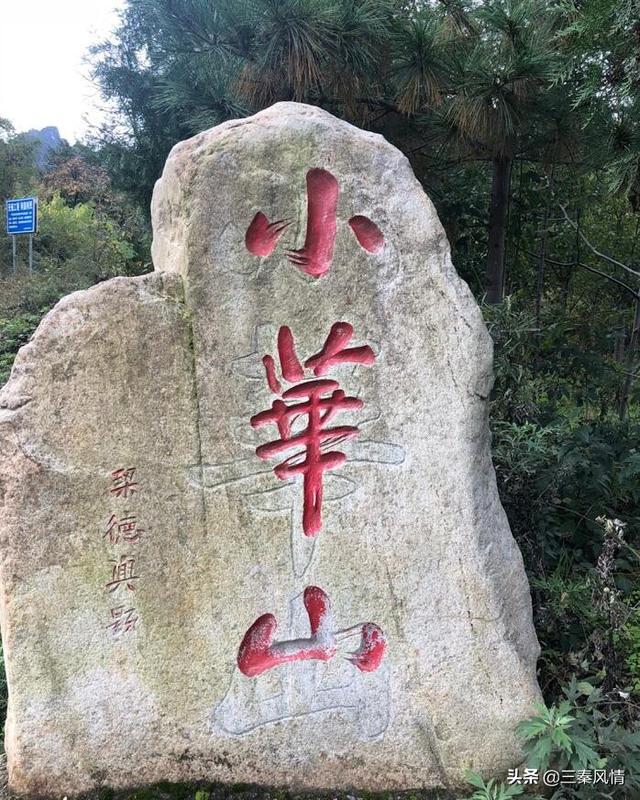
Talking about tourist attractions in Xi'an, we all think of Mount Hua just outside Xi'an. Mount Hua is one of the Five Great Mountains, the 'West Mountain', and has been known since ancient times as 'the most dangerous mountain in the world'. Its steep mountain terrain and magnificent mountain scenery have attracted countless tourists, and it has gradually become one of the most famous attractions in Shaanxi. For anyone traveling to Xi'an, they almost all go to climb Mount Hua to appreciate the wonders of Mount Hua. In fact, besides Mount Hua, there is also a 'Little Mount Hua' near Xi'an's southeast, which has a great momentum like Mount Hua itself.
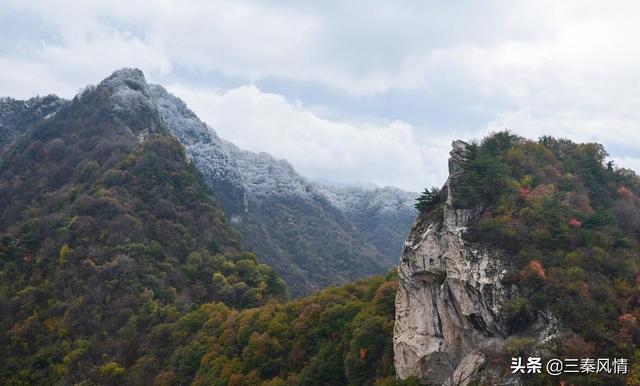
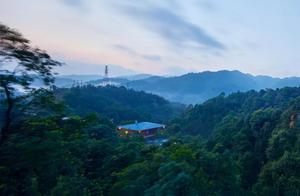
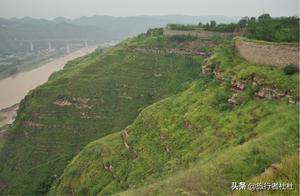
This 'Little Mount Hua' is located 40 kilometers southeast of Xi'an's Chaoyang District, Dagu Township, Yinzhen, between Xiyuzhen, it is a layer-stacked mountain peak in the Qinling Mountains, named 'Jiawu Terrace'. Jiawu Terrace Mountain is dangerous and spectacular, with a maximum altitude of 1810 meters. Although the altitude is not as high as Mount Hua, it looks very dangerous, so many people also call it 'Little Mount Hua'. So, what is the scenery of Jiawu Terrace like? Can it really be compared to Mount Hua? With a curious mindset, I also climbed Jiawu Terrace with my friends.
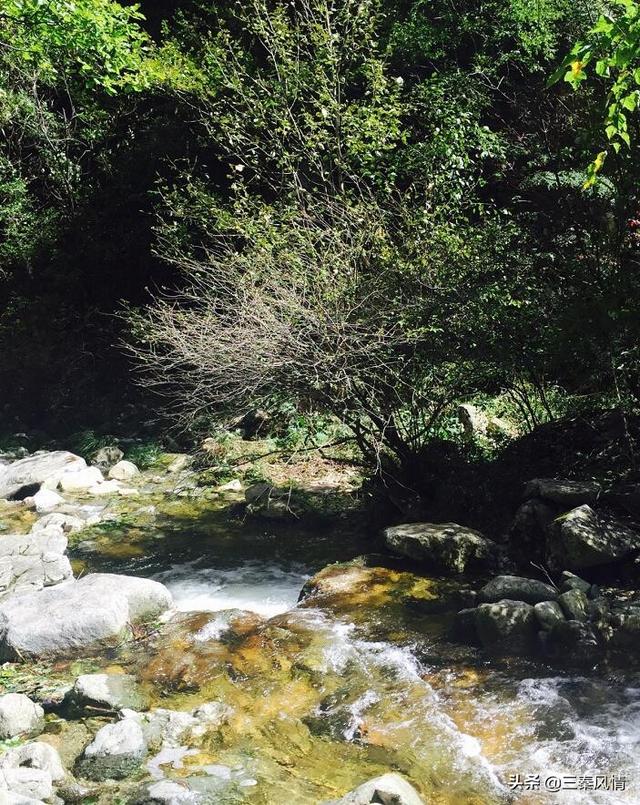
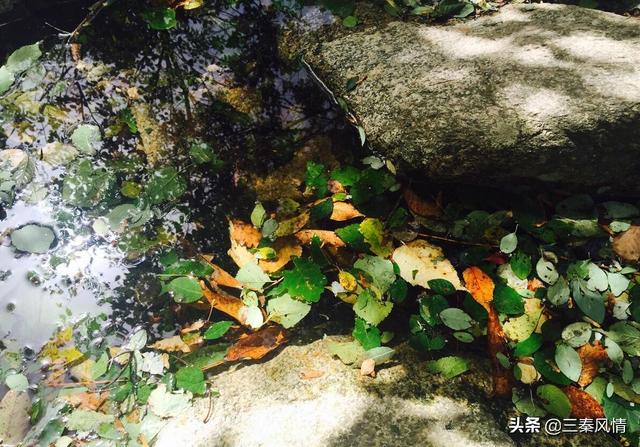
After entering the valley, you walk along the river and see various stones everywhere, which is very interesting. Some people are interested in stones and like to pick up a few stones to observe them carefully. The patterns on the top are clearly visible, carved by nature over a little time. Continuing to climb, you can see a resting place - Taibai Temple. Some people find climbing too tired and rest for a while here before continuing to climb. But when they arrive here, they haven't actually started the real climbing journey!
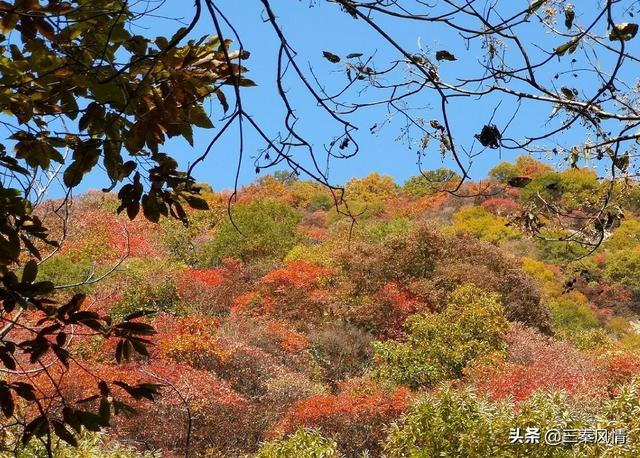
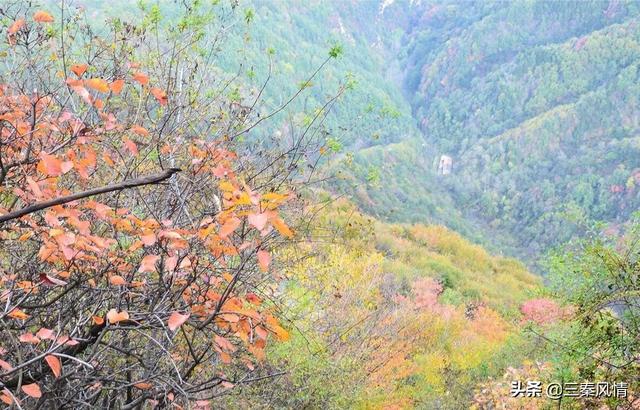
When you pass through a gate and reach the bottom of the valley, you have truly entered the mountain. At this point, the climbing journey really begins. As we climb up the mountain, we are gradually surrounded by tall pine trees. In autumn, the pine trees have a lush look, with various colors mixed in, as if painted by nature. The climbers also became figures in this oil painting, adding a bit of vitality and liveliness to this painting.
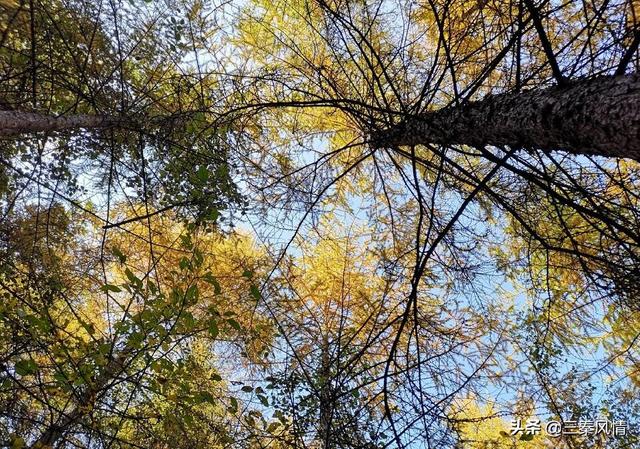
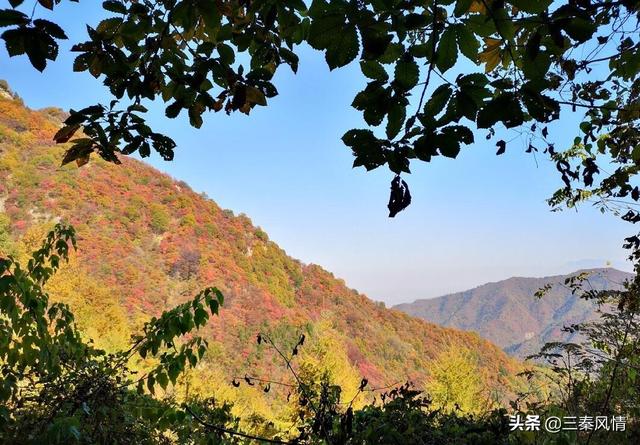
The stone steps in the mountain are brown and wind around the mountain, winding and winding, lying on the mountain, climbing on the stone steps, you gradually feel more and more tired. And these stone steps are extended in the forest, and there seems to be no end. At that time, you really had the idea of giving up climbing. But under the encouragement of each other, we still insisted on climbing up. Finally, after climbing layer after layer of stone steps, a ridge appeared before our eyes. It is said that this is the watershed. Looking out, both sides of the ridge are steep cliffs, which is very dangerous. The local villagers will sell food and drinks here.
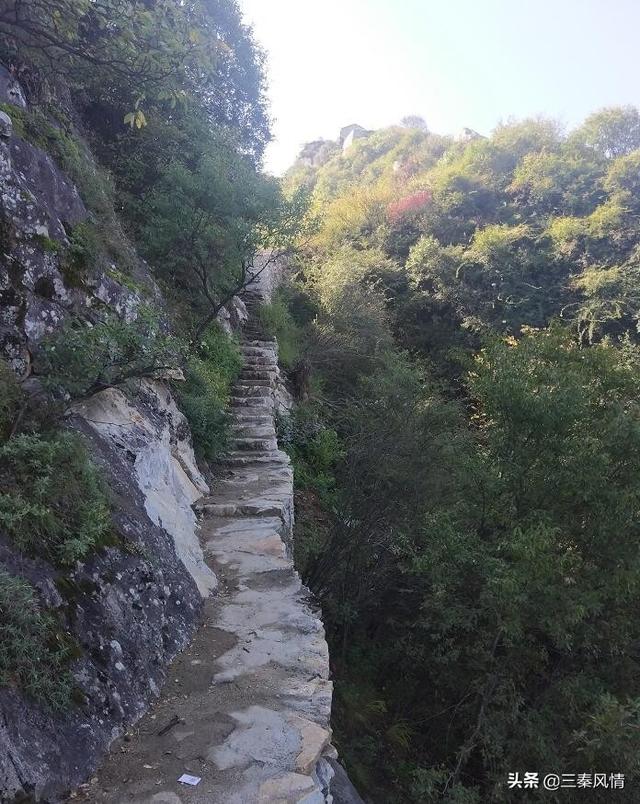
After crossing the watershed, as you go up the mountain, the terrain becomes steeper, and the stone steps are more winding. Most of the stone steps are built along the cliff walls. The corners are very dangerous, and I'm worried that I might fall into a ten-thousand-foot abyss, so when climbing, you must be very careful. The roads on both sides of the mountain are rugged, with some stones like dragons leaping and others like phoenixes facing the rising sun, which are lifelike and admirable. Sometimes, you will doubt whether nature hides an artist and quietly shows its masterpiece to the world.
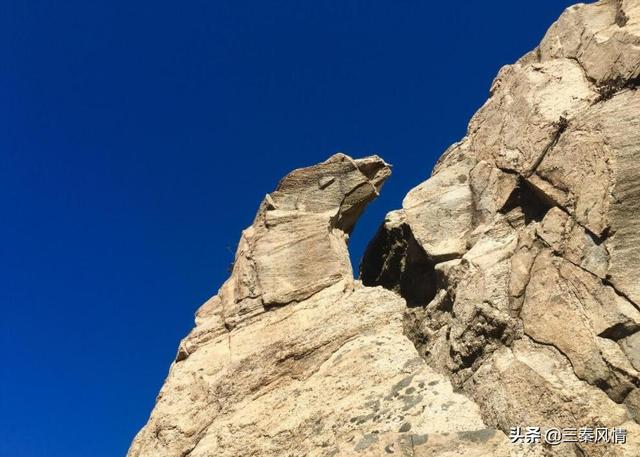
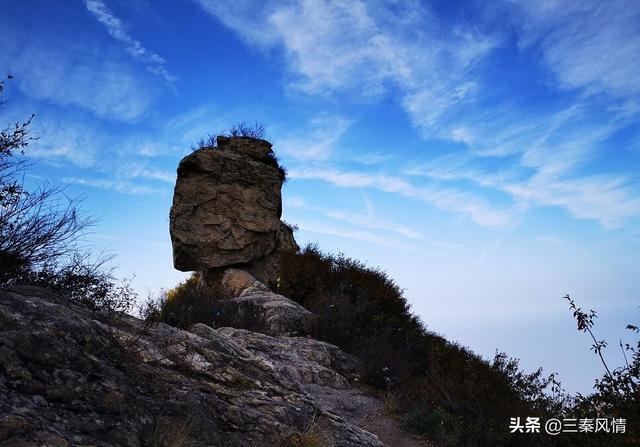
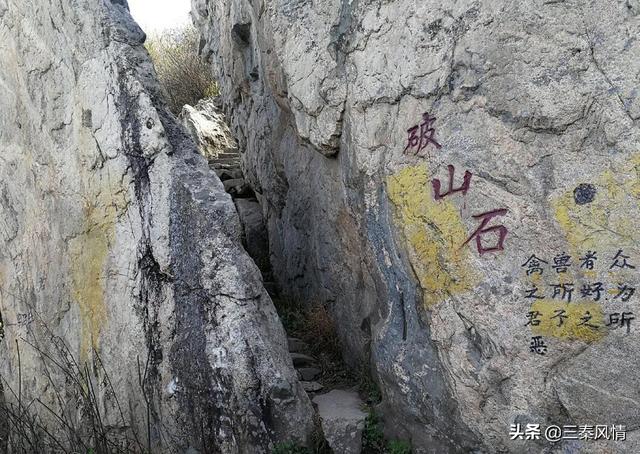
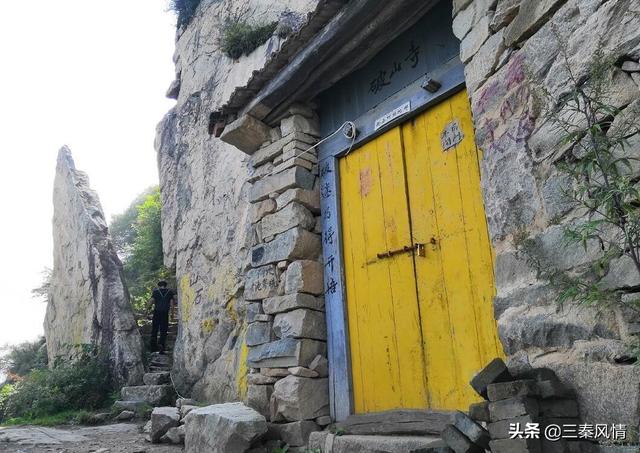
The most impressive is 'Broken Mountain Stone'. The cracks in Broken Mountain Stone are only enough for one person to pass through. The cracks look like a knife cut. It is said that it was cut by Guan Gong when he practiced his swords. Next to Broken Mountain Stone is a stone cave, which is said to be the residence of the Tang Dynasty Lamas. When the Western Lamas came to Chang'an City to do things, they would live here. It was very difficult for the Lamas to practice at that time. When traveling, they had to live in such a dangerous place. That was really not easy.
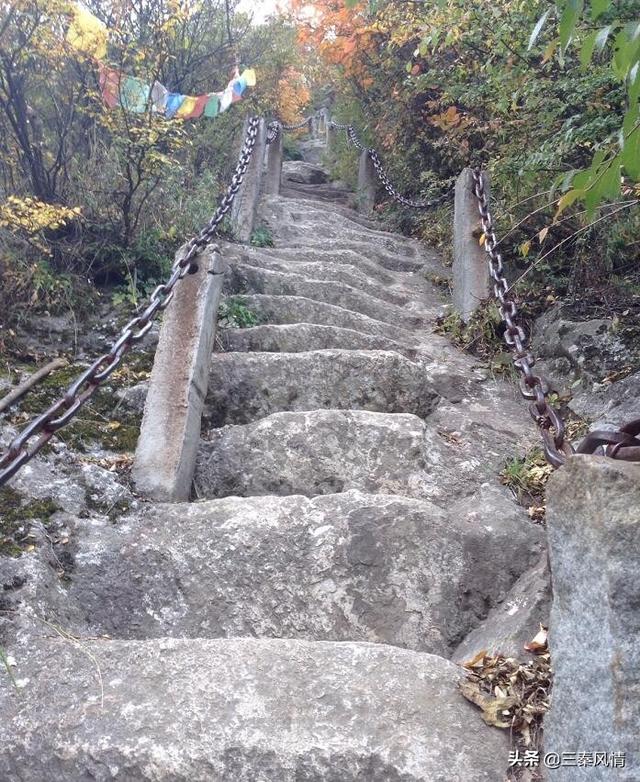
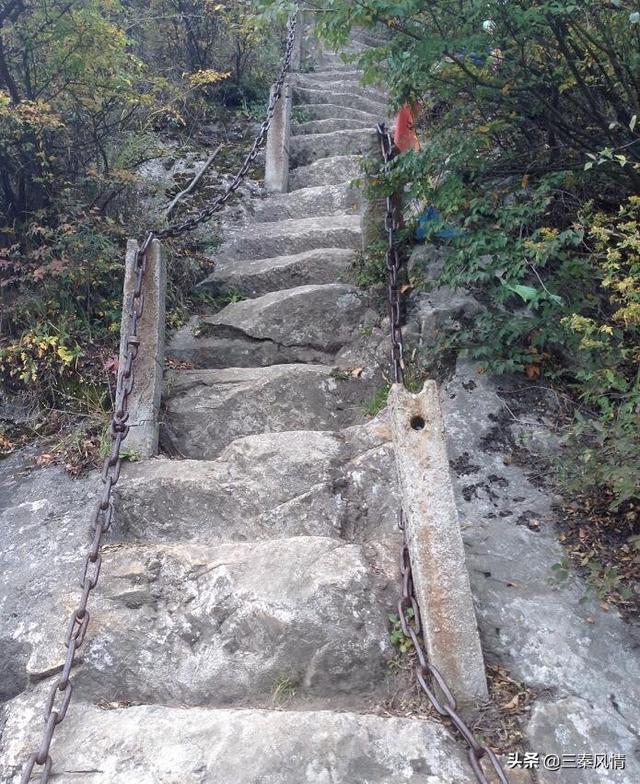
Continuing to climb, you can see a cliff about 50 meters high, and the stone steps to the top of the mountain are carved on the cliff. In order to ensure the safety of the climbers, there are solid iron ropes on both sides of the stone steps. The iron plates at the bottom of the iron ropes are all rusty, with hundreds of years of history. This cliff stone step is the most dangerous place on Jiawu Terrace - Facing the Sky Terrace. To get through it, you must grasp the iron rope with both hands and cautiously climb upwards. When climbing on the terrace, it's like climbing on the cliff of Mount Hua. At this time, you feel that Jiawu Terrace has a bit of the momentum of Mount Hua.
After crossing Facing the Sky Terrace, we finally arrived at Dai Ding. Dai Ding has Taixing Temple built in the 9th year of the Tang Kaiyuan (721). However, the ancient temple has been ruined, and the current temple was rebuilt in the Ming Dynasty. The ancient temple is still mottled and has stood in the mountains and forests, which has a Buddhist pure land meaning. Standing on Dai Ding, you can overlook the vast mountains and forests, which is both majestic and shocking. This beauty is not comparable to the scenery on the mountain waist.
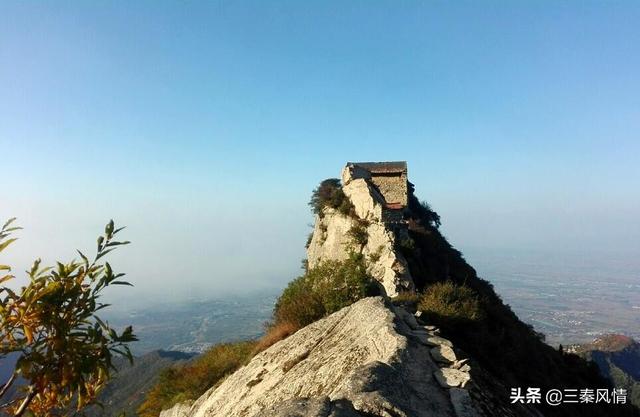
Not far from Taixing Temple is a 'Dragon Ridge'. This Dragon Ridge is just a narrow ridge with a width of 2-3 meters, with a cliff wall beside it. It looks very dangerous, and it seems to be more dangerous than Mount Hua's Longkongtan. Because I'm afraid of danger, we didn't go to see it carefully. In fact, when you feel frustrated in life, you can come to Jiawu Terrace for a visit. When you stand on the top of the mountain, you will relax and understand that after hard work, the scenery in front of you will be more beautiful.
Tourist Tips
Location: Xi'an's southeast 40 kilometers, between Chaoyang District's Dagu Township, Yinzhen, and Xiyuzhen.
Ticket price:Free.
Transportation route:Take the tourist bus line 2 to Jiawu Terrace, get off the bus and walk about 20 minutes along White Valley Road to the scenic entrance.