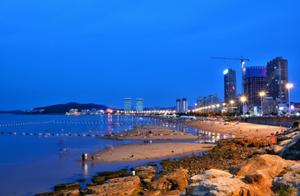
North Korea: Various Expressions in the Deepest Subway Cars, Foreign Tourists Have a Separate Car
While traveling in North Korea, besides the familiar three welfare benefits of free accommodation, education, and medical care, if the guide were to highlight a new sense of pride, Pyongyang's subway would be a standout.
Pyongyang's subway is very deep, averaging between 25 to 100 meters below ground, with some sections reaching 200 meters. It was built this way to also serve as an air raid shelter.
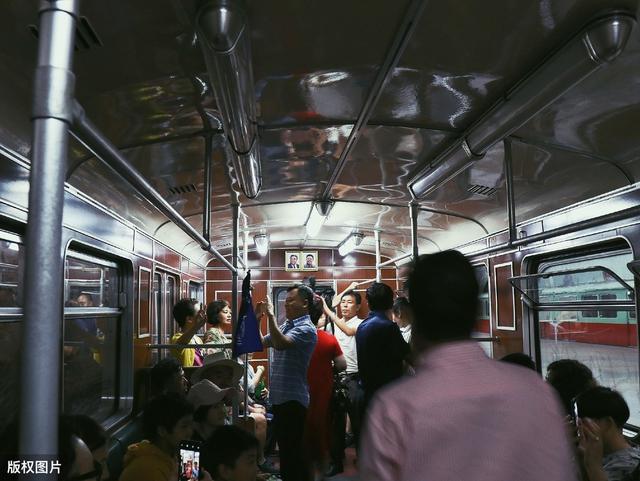
Chinese tourists visiting Pyongyang are taken to experience the great Pyongyang Subway, but they can only travel from Chungsan Station to Kyungsang Station, one stop. What's more interesting is that the carriages in this station are separately prepared for foreign tourists, isolated from the ordinary carriages used by locals. This operational mode is similar to the policy of not allowing foreigners to ride public buses, presumably to avoid contact and conversation. However, it is said that during peak hours, local passengers will come to visit the tourist carriages.
The Pyongyang Subway is mostly operated manually. First, ticket sales are done through manual windows, but we found that not many citizens were queuing. The guide explained that this was because everyone used monthly passes, which were cheap. Many monthly passes were provided as employee benefits.
Passing through the automatic turnstiles, you are greeted by a long automatic escalator, which takes almost two minutes to walk, and passengers around you don't speak, standing silently. Along the channel, there is a loudspeaker every few steps, and Korean songs float in the space, creating a strange feeling.
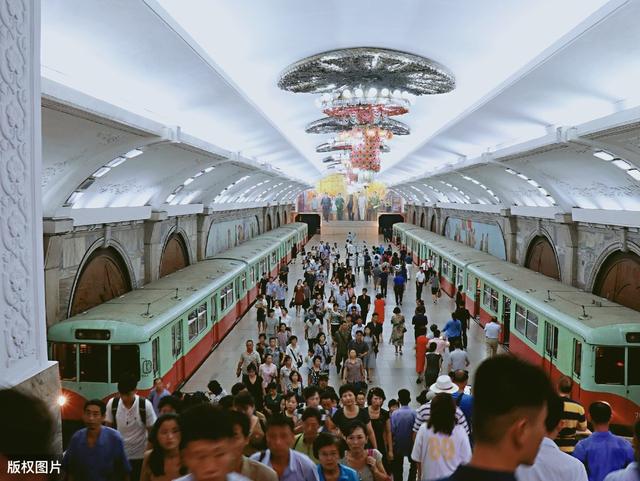
The Pyongyang Subway station platform is grand and magnificent, with marble walls reaching the ceiling, with a strong Soviet style. At first glance, it's like being in a Moscow subway station.
The Pyongyang Subway has a total of 17 stations, with a total length of 34 kilometers, and opened in 1973. According to the guide's explanation, all design and construction were the wisdom of the Korean people, and was a self-made achievement. However, we gradually realized after returning to China that the Pyongyang Subway was consolidated by the wisdom and sweat of Chinese people.
At the time the Pyongyang Subway was opened in the 1970s, it used DK4 shinkansens from Changchun, China. Four shinkansens were obtained, and they were all returned to Beijing's Line 13 in 1999. The quality was very sturdy,
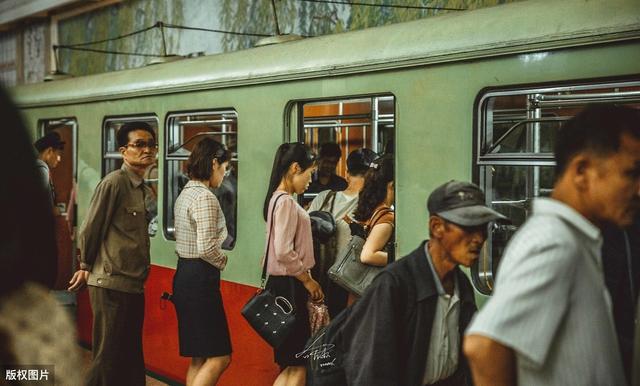
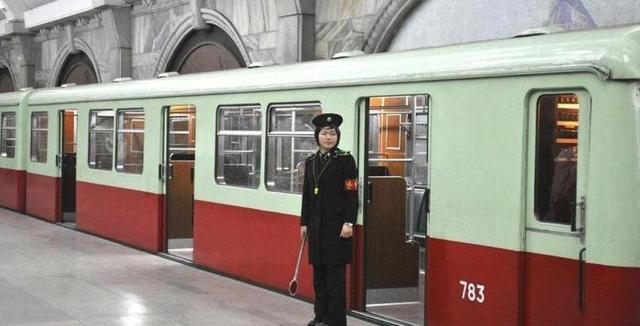
Currently, the red and green carriages we see in the Pyongyang Subway are produced by Germany, the D-type carriage, which was concentrated in the Korean replacement in the early 2000s. The biggest drawback of this carriage is the manual door. The station attendants follow passengers, opening and closing the doors at any time. The carriage we are in is isolated from the attendant, and our guide, Miss Li, takes on the task of opening and closing the door.
Pyongyang Subway tickets are about 3 Chinese cents, very cheap, and can be used to travel to the end. Because there are no private cars, the Pyongyang Subway has become part of the Korean people's life, especially among young girls, they like to take the subway. This is because due to the deepness of the subway, the temperature is always maintained at around 20 degrees Celsius, warm in winter and cool in summer.
Although we cannot enter the carriages of local people, through the windows we can see that inside the carriage, the lights are not bright, the passengers are sitting quietly, we cannot see them talking loudly, we cannot see them making phone calls, many people are reading books attentively,
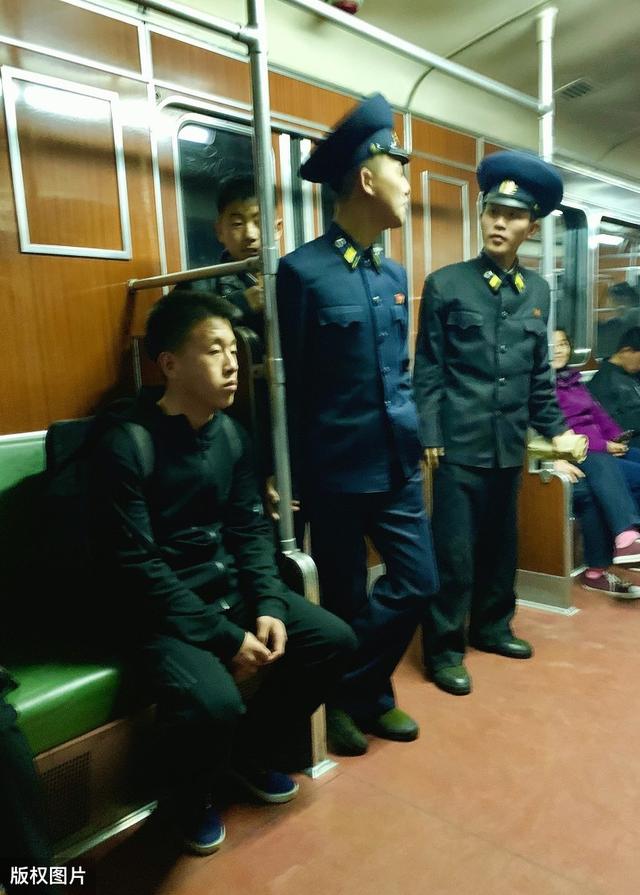
While riding the subway, we discovered a interesting thing: the station attendants are all young girls, while the train drivers are all young men. The girls are pretty, and the brothers are short and thin,
We greeted the girls, and they obviously understood Chinese, but they just smiled or didn't pay attention to us. However, they were very enthusiastic about the male drivers who were stopping at the station, and proactively chatting with them,