Understand the Twenty Sayings of Gui Gui Zi, Achieve the First Person in the World!
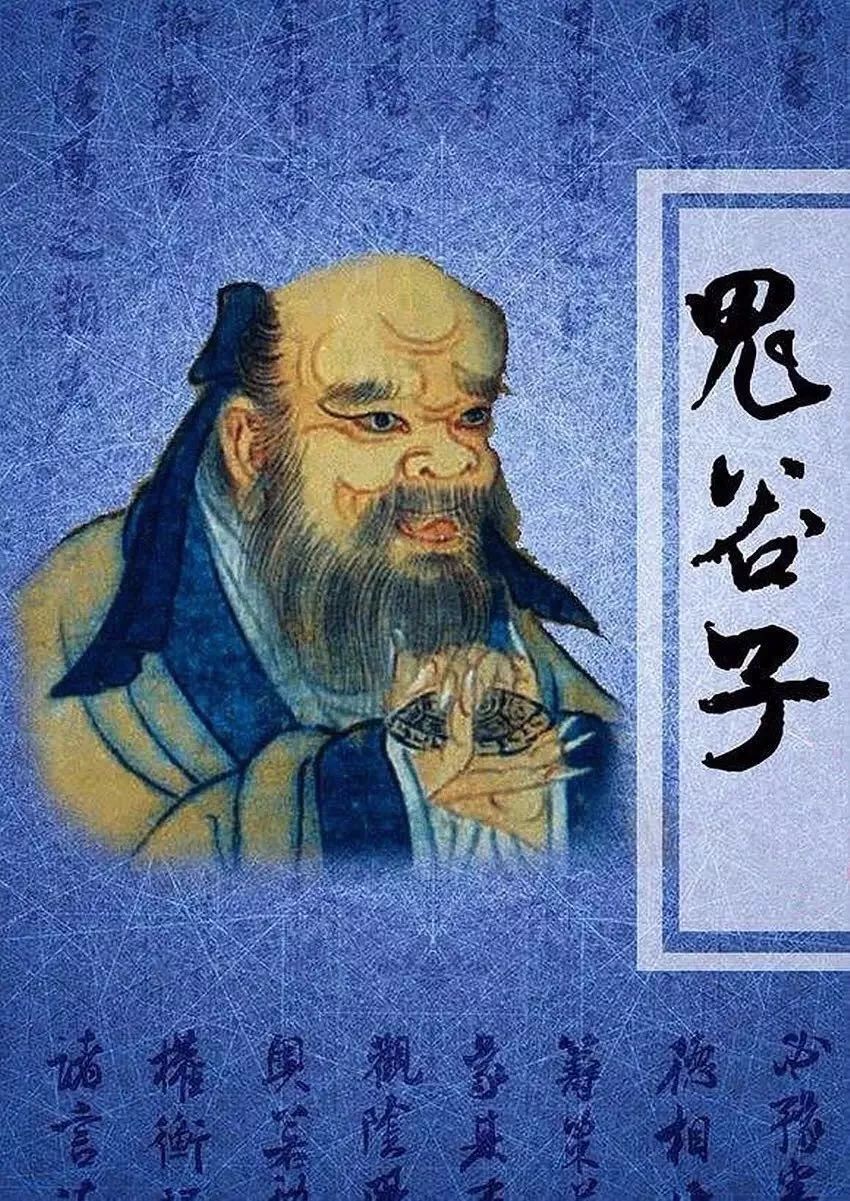
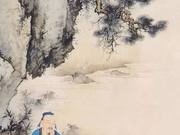
He was supremely intelligent and insightful, surpassing all others. Firstly, he was adept in mathematics, astronomy, and divination, and his predictions were invariably accurate. Secondly, he was a military strategist, mastering all types of warfare and tactics, creating strategies that were unpredictable and effective. Thirdly, he excelled in learning and rhetoric, with a deep understanding of situations, astute judgment, and eloquent speech, leaving audiences spellbound. Fourthly, he practiced asceticism, cultivating his body and mind, prolonging his life, and using medicine and techniques to treat illness and enhance vitality.
Over two thousand years ago, military strategists revered him as a sage. The school of strategists honored him as the originator, diviners regarded him as the Grand Diviner, and Taoists acknowledged him as Old Master Wang Chan. In the annals of Chinese culture, he stands alongside Confucius, Mencius, Zhuangzi, Xunzi, and Mozi, as one of the great thinkers. Gi Gong Zi's major works include 'Gi Gong Zi,' 'Ba Jing Yin Fu Seven Techniques,' and 'Gi Gong Zi Tian Sui Ling Wen.' These works were later referred to as 'Wisdom Fruit, Extraordinary Book,' containing profound ideas and strategic insights that continue to offer guidance in modern governance, diplomacy, business management, and leadership.
Gi Gong Zi spent only one journey out of the mountains and received only four disciples: Pao Jian, Sun Bin, Su Qin, and Zhang Yi – all of whom were just minor figures before entering his mountain, and became famous after exiting. These four men, wielding Gi Gong Zi's military tactics and strategic skills, rose to prominence in various states, influencing political affairs during the Warring States period. All of this was due to Gi Gong Zi's teachings and example.
These four figures used Gi Gong Zi's military strategies and debating skills to achieve influence in various states, shaping the political landscape of the Warring States era. This all happened because of Gi Gong Zi's teachings and example.
One, the current situation: The 'current situation' refers to the general trend of the world, the overall movement of the world. 'The current situation' refers to the momentum that drives the world's general trends. Understanding the 'current situation' means understanding 'the trend.' The 'current situation' in the world is complex and changeable, often baffling and unpredictable. The sage understands the 'current situation' and uses it to govern effectively. Villains, however, act against the 'current situation,' leading to chaos.
Two, comprehend the 'current situation'—to understand the 'current situation' requires perceiving the underlying forces driving events. Comprehending the 'current situation' is about gauging the state of affairs and understanding the various forces at play.
Three, deliberate before acting: Just as a chess player needs pieces to play, each player has 180 pieces; these pieces are always in the box, never alive until they're placed on the board. If a single piece is placed incorrectly, it can result in losing the game, even if it's just a minor misstep. This emphasizes the importance of careful planning and preparation before taking action.
Four, mind and heart: 'Mind' refers to strategy; without 'heart,' even the most sophisticated methods will become rigid and inflexible, eventually hindering one's success and potentially leading to self-destruction. Many people have fallen into this trap, causing harm to themselves and others.
Five, the four levels of enlightenment: There are four stages to enlightenment: firstly, 'hearing' enlightenment; secondly, 'knowing' enlightenment; thirdly, 'seeing' enlightenment; and finally, 'attaining' enlightenment. During the Zhou Dynasty, the people of Lu, led by Zhong Ni, heard about 'knowing' enlightenment and traveled to Luoyang to seek guidance from the Sage Lao Zan. Lao Zan taught him the Tao for three days, and Zhong Ni then gained a deep understanding of human affairs, and established the teachings of Confucianism. This demonstrates the importance of 'knowing.'
Six, art and Tao: Any school of thought has both art and Tao. In the art of warfare, the goal is to win; the essence of warfare is to resolve conflicts without fighting, to transform conflict into harmony, using a few words to achieve great effects.
Seven, the art of eloquence: Eloquence is defined as the ability to speak fluently, using argumentation and persuasion to influence others. When someone speaks, they can evoke emotions and thoughts that the listener doesn't want. It is often said that 'entering the mouth is beneficial, exiting the mouth is harmful,' referring to this principle.
Eight, heart and intention: 'Heart' and 'intention' are not inherently contradictory. The Tao exists within all things, and the intention to cultivate it is also found in the mundane emotions of the world. The sun and moon exist in pairs, males and females are complementary, and men and women are paired – this reflects the harmony of the Tao. Emotional experience is, in itself, a manifestation of the Tao. Cultivating the Tao and practicing asceticism are not mutually exclusive. If you lack understanding of the Tao, you cannot grasp its essence. When the intention is clear, the understanding becomes clear; when the understanding is clear, the intention ceases.
Nineteen, assess the 'current situation' and gauge the world: To succeed in life, one must 'assess the current situation' and 'gauge the world,' understanding the prevailing trends and the forces at play. When assessing the 'current situation,' you must also consider the dynamic forces at work.
The 'current situation' refers to the overall movement of the world; and 'the force' refers to the various driving forces behind these movements. Understanding the 'current situation' means understanding the 'trend.' The 'current situation' in the world is complex and changeable, often baffling and unpredictable. The sage understands the 'current situation' and uses it to govern effectively; villains, however, act against the 'current situation,' leading to chaos.
Twenty, heart and intention: Heart and intention are not inherently contradictory. The Tao exists within all things, and the intention to cultivate it is also found in the mundane emotions of the world. The sun and moon exist in pairs, males and females are complementary, and men and women are paired – this reflects the harmony of the Tao. Emotional experience is, in itself, a manifestation of the Tao. Cultivating the Tao and practicing asceticism are not mutually exclusive. If you lack understanding of the Tao, you cannot grasp its essence. When the intention is clear, the understanding becomes clear; when the understanding is clear, the intention ceases.
Twenty-one, mortals have hearts and barriers: It is often said that 'mortals have hearts,' meaning that all people have 'heart barriers.' Some manifest this in arrogance, while others exhibit it through self-doubt. The foundation of cultivation is to eliminate these 'heart barriers.'
“”
;
”
;;
;
;
;
;;;;;;;……
;
;
;;;;
?
“”
;
;
?;
;
;
?;