Essays | Remembering My Hometown
Written/by
Looking back at my hometown, the memories of childhood unfold like a scroll, and I suddenly see one after another of the dream-like scenes that often appear in my mind, so clear and profound:
I saw the old well at the east end of the village. Around the well's mouth were laid bricks covered with moss, the well was deep, and there was no water wheel seen in movies or television dramas above it. The people who came to draw water in my memory were all using carrying poles to carry two water jars, some made of earth-fired clay, which we called 'mud jars.' Those who drew water from the well used ropes to hook the jars, with one end hooked onto the rope and the other held in the hands of the water carrier, slowly lowering the rope into the well until the water level in the jar and the well matched, at which point the water carrier would use both hands to lift and lower the jar full of water, repeating the process until the other water jar was full. This continued until the late 1980s when water wells were used in households, when my father and mother, my rural compatriots, were all drawing water from this well for our daily meals.
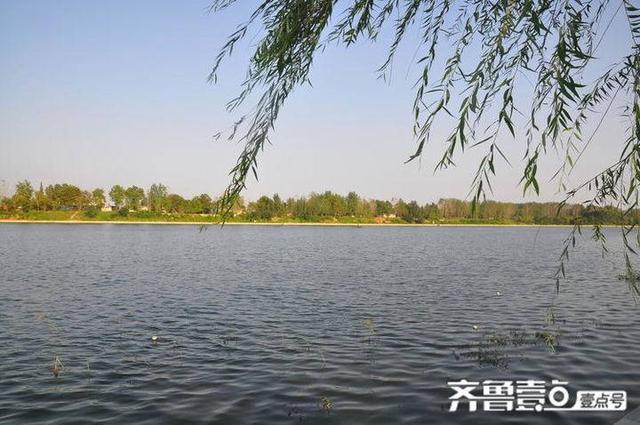
I also saw the riverbank filled with birdsong, shaded by willows, and covered with blooming lotus flowers, creating happy memories. My hometown was built on the west bank of the Shihu River. The Shihu River was picturesque, with lush vegetation, beautiful scenery, and a poem said: 'The Shihu River is half as beautiful as the Li River, and the Li River is less elegant. There are endless willow trees and blue sky, spring is like the East of Langya,.' The Shihu River bank was the best playground for us mischievous boys. In spring, 'Jade Rabbit formed a tall tree, ten thousand strips of green silk draped down, I don't know which small leaves were cut out, in February, spring breeze like scissors.' In summer, we took off our short clothes and shorts and threw them on the Shihu River bank to play in the shallow river and catch fish; in autumn, the Shihu River bank was beautiful, especially the forty-acre lotus fields 'Crushing without self-respect, autumn wind like how. Temporarily flowers wear snow, several leaves sunken in the waves.' 'Lotus wind rising in the evening, autumn river scales grow. Remaining sunset suddenly change color, wild ducks have extra sound.' The Shihu River bank carved deep impressions into my childhood memories.
Looking back at my hometown, I miss the rich history of my hometown even more.
My hometown is historically known as 'Fan Mother Village.' Legend has it that Han Dynasty General Fan Que's mother lived here, and it was named 'Fan Mother Village.' My hometown was built in the Ming Dynasty Chongzhen years with a Fan Que temple. If the legend is true, my hometown's history should be over two thousand years old.
(Feng Lao Zu – Feng Ancestor) returned to Fan Mother Village again during the early Ming Dynasty. After six hundred years of wind and rain, it was the 20th generation now. The first family tree was compiled by (Feng Da Xing – Feng Da Xing – Feng's eldest son, who was a scholar), who was the only scholar in the Feng family during the Qing Dynasty. Feng Da Xing was the 12th descendant of Feng Que, and this first family tree we see is a red paper with the genealogy from the first time Feng Que returned to Fan Mother Village to the 12th generation 'Great' character, with no additional text to explain. Until 2017, after consulting with a scholar specializing in historical research, the Feng family ancestor came from where – had a clear answer.
According to 'Yuntai Mountain Chronicles,' there was a sea south of Yuntai Mountain. 'East Sea' refers to the semi-island or island along the coast of Yuntai Mountain in (Lianyungang).
Feng Lao Zu wasn't migrated from the Big (Big – Big Pei Tree) in Shanxi; he returned to Fan Mother Village after traversing two hundred miles from the sea island of (Lianyungang). The reason he returned was because of the command of the emperor during the Ming Dynasty to relocate residents from the island to the inland, so Feng Que old ancestor led his family back to Fan Mother Village, and the original forest was located in the northwest corner of the village.
The old ancestor's inscription 'Refuge in the East Sea' puzzled the Feng family descendants for hundreds of years, 'East Sea' was where?
Six hundred years ago, Feng He Jun (Feng He Jun – Feng Que's father) actually came to Fan Mother Village from 'East Sea' – how did he traverse mountains and rivers?
The first compilation of the Feng family tree was compiled by Feng Da Xing, the Feng family's only scholar in the Qing Dynasty. Feng Da Xing was the 12th descendant of Feng Que, and this first family tree we see is a red paper with the genealogy from the first time Feng Que returned to Fan Mother Village to the 12th generation 'Great' character, with no additional text to explain. Until 2017, after consulting with a scholar specializing in historical research, the Feng family ancestor came from where – had a clear answer.
According to 'Yuntai Mountain Chronicles,' there was a sea south of Yuntai Mountain. 'East Sea' refers to the semi-island or island along the coast of Yuntai Mountain in (Lianyungang).
Feng Lao Zu wasn't migrated from the Big (Big Pei Tree) in Shanxi; he returned to Fan Mother Village after traversing two hundred miles from the sea island of (Lianyungang). The reason he returned was because of the command of the emperor during the Ming Dynasty to relocate residents from the island to the inland, so Feng Que old ancestor led his family back to Fan Mother Village, and the original forest was located in the northwest corner of the village.
The old ancestor's inscription 'Refuge in the East Sea' puzzled the Feng family descendants for hundreds of years, 'East Sea' was where?
Six hundred years ago, Feng He Jun (Feng He Jun – Feng Que's father) actually came to Fan Mother Village from 'East Sea' – how did he traverse mountains and rivers?
The first compilation of the Feng family tree was compiled by Feng Da Xing, the Feng family's only scholar in the Qing Dynasty. Feng Da Xing was the 12th descendant of Feng Que, and this first family tree we see is a red paper with the genealogy from the first time Feng Que returned to Fan Mother Village to the 12th generation 'Great' character, with no additional text to explain. Until 2017, after consulting with a scholar specializing in historical research, the Feng family ancestor came from where – had a clear answer.
According to 'Yuntai Mountain Chronicles,' there was a sea south of Yuntai Mountain. 'East Sea' refers to the semi-island or island along the coast of Yuntai Mountain in (Lianyungang).
Feng Lao Zu wasn't migrated from the Big (Big Pei Tree) in Shanxi; he returned to Fan Mother Village after traversing two hundred miles from the sea island of (Lianyungang). The reason he returned was because of the command of the emperor during the Ming Dynasty to relocate residents from the island to the inland, so Feng Que old ancestor led his family back to Fan Mother Village, and the original forest was located in the northwest corner of the village.
The old ancestor's inscription 'Refuge in the East Sea' puzzled the Feng family descendants for hundreds of years, 'East Sea' was where?
Six hundred years ago, Feng He Jun (Feng He Jun – Feng Que's father) actually came to Fan Mother Village from 'East Sea' – how did he traverse mountains and rivers?
The first compilation of the Feng family tree was compiled by Feng Da Xing, the Feng family's only scholar in the Qing Dynasty. Feng Da Xing was the 12th descendant of Feng Que, and this first family tree we see is a red paper with the genealogy from the first time Feng Que returned to Fan Mother Village to the 12th generation 'Great' character, with no additional text to explain. Until 2017, after consulting with a scholar specializing in historical research, the Feng family ancestor came from where – had a clear answer.
According to 'Yuntai Mountain Chronicles,' there was a sea south of Yuntai Mountain. 'East Sea' refers to the semi-island or island along the coast of Yuntai Mountain in (Lianyungang).
Feng Lao Zu wasn't migrated from the Big (Big Pei Tree) in Shanxi; he returned to Fan Mother Village after traversing two hundred miles from the sea island of (Lianyungang). The reason he returned was because of the command of the emperor during the Ming Dynasty to relocate residents from the island to the inland, so Feng Que old ancestor led his family back to Fan Mother Village, and the original forest was located in the northwest corner of the village.
The old ancestor's inscription 'Refuge in the East Sea' puzzled the Feng family descendants for hundreds of years, 'East Sea' was where?
Six hundred years ago, Feng He Jun (Feng He Jun – Feng Que's father) actually came to Fan Mother Village from 'East Sea' – how did he traverse mountains and rivers?
The first compilation of the Feng family tree was compiled by Feng Da Xing, the Feng family's only scholar in the Qing Dynasty. Feng Da Xing was the 12th descendant of Feng Que, and this first family tree we see is a red paper with the genealogy from the first time Feng Que returned to Fan Mother Village to the 12th generation 'Great' character, with no additional text to explain. Until 2017, after consulting with a scholar specializing in historical research, the Feng family ancestor came from where – had a clear answer.
According to 'Yuntai Mountain Chronicles,' there was a sea south of Yuntai Mountain. 'East Sea' refers to the semi-island or island along the coast of Yuntai Mountain in (Lianyungang).
Feng Lao Zu wasn't migrated from the Big (Big Pei Tree) in Shanxi; he returned to Fan Mother Village after traversing two hundred miles from the sea island of (Lianyungang). The reason he returned was because of the command of the emperor during the Ming Dynasty to relocate residents from the island to the inland, so Feng Que old ancestor led his family back to Fan Mother Village, and the original forest was located in the northwest corner of the village.
The old ancestor's inscription 'Refuge in the East Sea' puzzled the Feng family descendants for hundreds of years, 'East Sea' was where?
Six hundred years ago, Feng He Jun (Feng He Jun – Feng Que's father) actually came to Fan Mother Village from 'East Sea' – how did he traverse mountains and rivers?
The first compilation of the Feng family tree was compiled by Feng Da Xing, the Feng family's only scholar in the Qing Dynasty. Feng Da Xing was the 12th descendant of Feng Que, and this first family tree we see is a red paper with the genealogy from the first time Feng Que returned to Fan Mother Village to the 12th generation 'Great' character, with no additional text to explain. Until 2017, after consulting with a scholar specializing in historical research, the Feng family ancestor came from where – had a clear answer.
According to 'Yuntai Mountain Chronicles,' there was a sea south of Yuntai Mountain. 'East Sea' refers to the semi-island or island along the coast of Yuntai Mountain in (Lianyungang).
Feng Lao Zu wasn't migrated from the Big (Big Pei Tree) in Shanxi; he returned to Fan Mother Village after traversing two hundred miles from the sea island of (Lianyungang). The reason he returned was because of the command of the emperor during the Ming Dynasty to relocate residents from the island to the inland, so Feng Que old ancestor led his family back to Fan Mother Village, and the original forest was located in the northwest corner of the village.
The old ancestor's inscription 'Refuge in the East Sea' puzzled the Feng family descendants for hundreds of years, 'East Sea' was where?