Zheng Li Han: Emotions – Your Best Friend

Author: Zheng Lihan
Source: Pre-Engagement Lightning Guide (ID: ruoheqinghan)
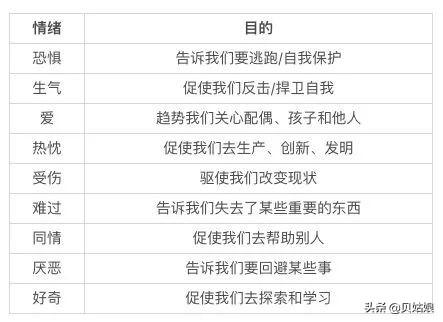
Previously, emotions were treated as a problem, now more often they are viewed as a window, which can better understand oneself and better interact with relationships. Emotions are not good or bad, and emotions all have their purpose. For example, anger is about one's boundaries/interests being harmed, requiring one to defend one's rights.
Each time I am troubled by emotions, I cannot concentrate on work or learning.
Of course, what I dislike most is others' criticism and reprimands. Perhaps my inner self-reproach and criticism are too much, so even a little bit of accusation from others makes me unbearable.
Let's take an example: my emotional container is 100ml, and I fill it with 90ml of my self-reproach and criticism, so when I encounter a little bit of accusation, it may exceed my emotional burden, causing me to have strong emotional feelings like 'How could I be so awful?', 'I wish I could just die'.
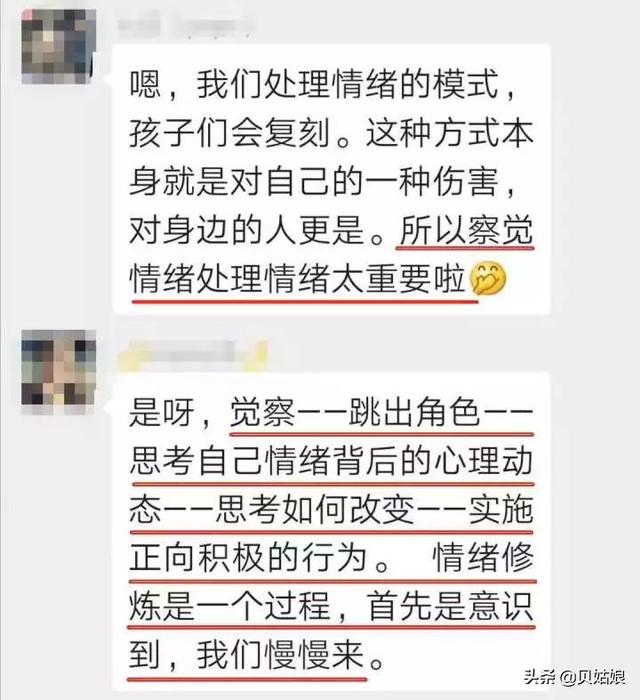
I have also been trying to figure out how to manage my emotions and give appropriate attribution to them.
During a conversation with a friend, I found that I am most skilled atself-dialoguemethod. In professional terms, it's the IAAA 4 steps:
First, Identify (recognize emotions). Just like a friend, ask yourself how you feel, become aware of the emotions you are in, and label the emotions, such as sadness/suppression/anger…;
Second, Accept (accept emotions). Feel the body changes (the connection between emotions and body is closely related), only by seeing its existence without judging emotions, can you better manage emotions;
Third, Attribute (attribute). Analyze the reasons for the emergence of emotions, 'Why am I so angry…';
Fourth, Act (action). When experiencing emotions, what thoughts and behaviors do you have? And try to explore the needs and desires behind the emotions, 'What situation did I expect'.

Of course, this requires you to have a good self-awareness, specifically as follows, like a friend asking himself his inner feelings:
I feel that you are a little unhappy today, how come?
I feel that I am offended, I feel uncomfortable, how can he say that about me?
What exactly happened?
What did he say or do today…
What feelings do you have now, what physical reactions do you have?
FeelFeel for 3 minutes, feel the information transmitted by your body, see its existence…
AwareYou think he offended you, what?
He doesn't consider your feelings. I have worked (family) diligently, I feel offended, I feel like I am not respected (lacking attention and care), I feel like I have no value (my sense of value and existence is weakened), I feel like I have no existence.
I understand that you feel this way, it's difficult to feel bad when encountering this situation. But can your dignity (personality, existence value) be casually lost?
It doesn't seem like it.
Are others doing the same to you? Is he truly hostile towards you?
It doesn't seem like it…
What thoughts did you have at the time, and what actions did you take?
It's natural for everyone to want to be noticed, valued, and to have close relationships.
In the middle, I made a serious mistake. I was in a suppressed state, butegowill judge my reaction to emotions, for example, I particularly dislike my suppressed state, I either indulge in bubble dramas or complain about reality, so I will be double-troubled. Because I can't accept my suppressed state, I don't like my response patterns, so it's a problem.
In other words, the level of consciousness is far from the physical sensation, the more you use rational thinking to tell yourself that this state is wrong, the less comfortable you feel, because the more you are attacked/reproached/denied, the more you want to defend or attack, or withdraw emotions…
Only by respecting your physical feelings can you better stretch out freely.
Once, when I washed clean dishes and brought them home, I found them in the washing pool, I was very angry, and a flame came out from my heart.
Later, I thought about it, why was I so angry, because I felt that I was not respected, the things were originally mine, how could they be carelessly moved by others' belongings.

Of course, it's common to encounter such problems when living in a shared house. Then I found that the boy had forgotten to return the things to their original position because every time he used the microwave, he would move them, and when he put away the microwave, he would forget other things. It wasn't intentional to move other people's belongings.
When I understood this, I wasn't so angry.
And once, when I went to Thailand's island, my foot was accidentally stabbed, and my friend didn't take care of me, she just played on her own, I felt uncomfortable.
I expected her to come and care for me, or sit with me, but she didn't. This made me angry because I felt ignored and not valued.
Often, we attribute a lot of meaning to things.
For example, we think that if someone loves us, they should do this to us; if they respect us, they should do that. If they don't, we are very aggrieved and annoyed.
Often thisshould thinkingmakes us feel wronged or troubled. Even worse is that I don't say it, you need to understand what I'm thinking. If they deny one of your aspects, we will magnify it endlessly, they think that this is not a good person, this is a bad thing, this is what I don't like, and I want to escape or fight, because they are weak inside.
Anger or criticism is a signal. It indicates that they have many desires and have some requirements for you, they want you to be responsible for this matter.
Angry people are actually weak internally, because they need to accumulate strength to attack others.
And close people's attacks may be a rescue signal. People who are unhappy or injured will attack others.
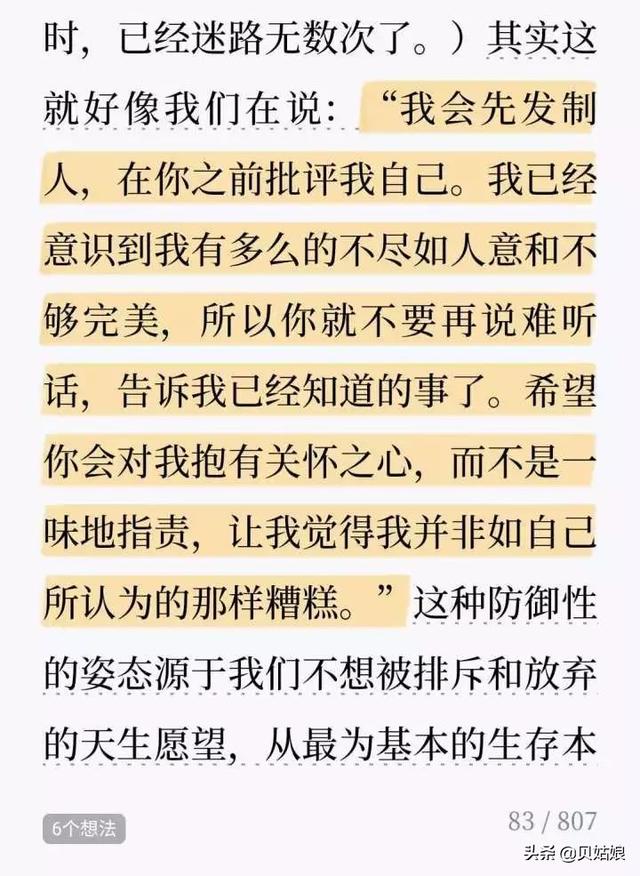
For example, when I make a defensive mechanism towards anger or criticism, I will first self-criticize myself (I have realized how imperfect I am and not as perfect as I think, so you shouldn't say things that are difficult to hear, I hope you have caring feelings for me, instead of criticizing me, I feel like I'm not as bad as I think).
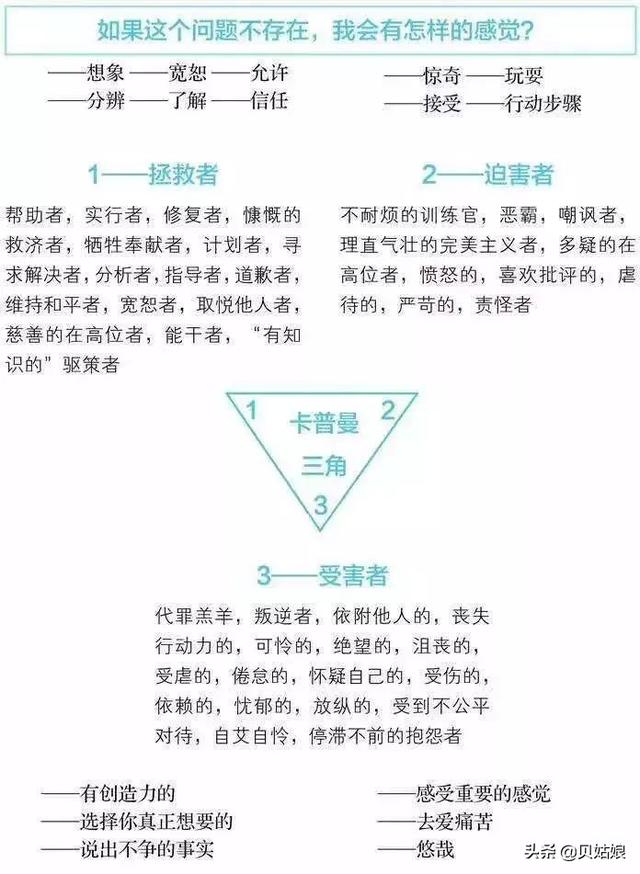
Of course, everyone's real enemy is themselves, just like inSelf-Carethe real enemy is our self-destructive tendency, our doubts, lack of value, pride, loneliness, jealousy, loneliness, and hatred of ourselves. Don't make yourself a victim, take responsibility for your emotions.
Author Introduction: Zheng Lihan, Public Number (ruoheqinghan), Psychology enthusiast, your emotional confidante, answering your doubts.
ta
ruoheqinghan