How to Elegantly and Respectfully Seek Help
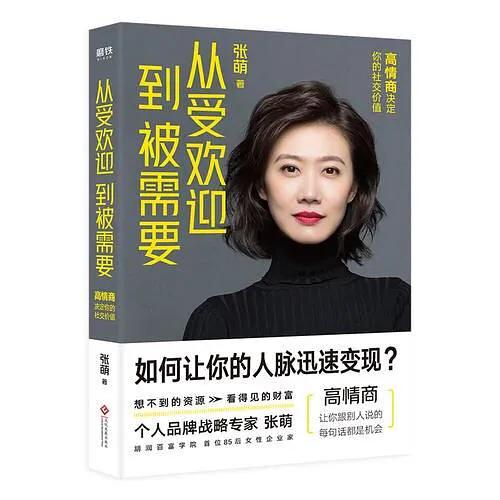
I recently joined Miss Meng's reading club and was fortunate to read her book, 'From Popular to Needed.' It truly infected me, allowing me to see the posture of a true struggler. In my life, I self-identify as someone with low emotional intelligence, quietly staying in my own world and unsure of how to interact with others. When faced with difficult problems, I often don't know where to start. This book initially presented many issues that are directly relevant to the problems I encounter in my life, offering solutions and fundamentally changing my previous thinking.
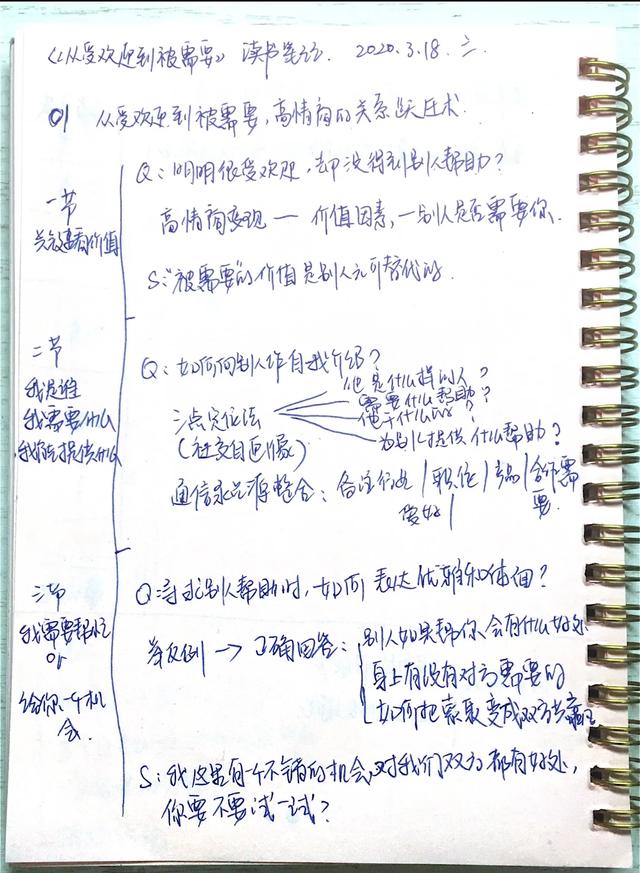
1. The extent to which others will help you often depends on whether they need you. Being liked is based on emotional factors, while getting help is based on value. Being needed represents an irreplaceable value.
2. Use the three-point positioning method in your self-introductions. This involves stating who you are, what you need, and what you can offer. This allows others to easily understand your personality and profession, as well as your needs and what you can provide in return. This was also the template I used during my first day in the reading club. For example, I'm an accounting and finance professional who enjoys investing, reading, and writing film reviews. I need to improve my communication skills and learn how to connect with people or manage myself. Within a year, I obtained the intermediate accountant qualification. I can provide answers to financial-related questions concerning tax, invoices, and reports.
3. Seeking help is not as effective as mutual assistance. In today's fast-paced life, everyone's time is precious. It's important to consider how willing others are to spend their time and energy on helping you to maximize benefits. This is a question we need to reflect on regularly, cultivating a sense of altruism.
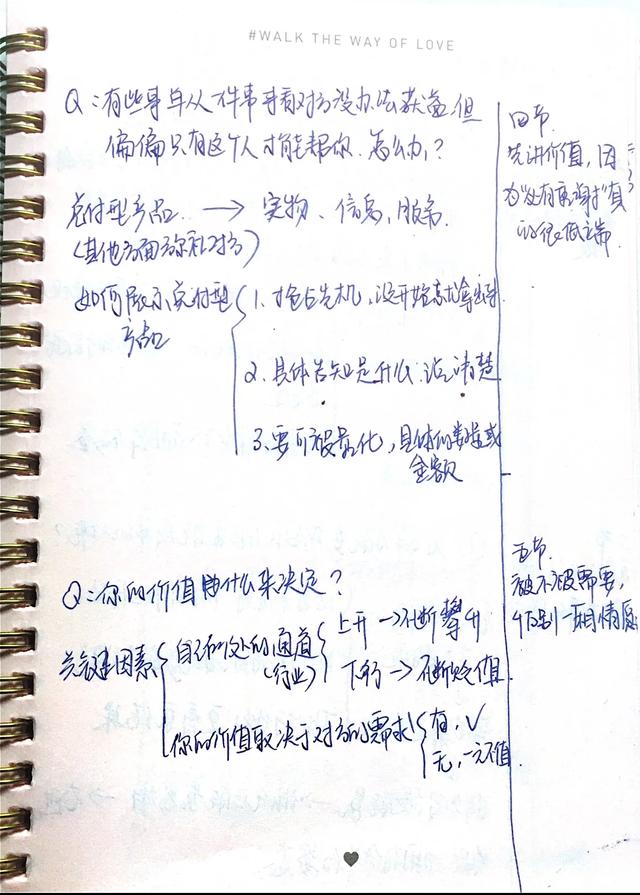
4. When someone helps you, you should promptly reciprocate. The corresponding benefits or compensation should be clearly stated upfront, resulting in a doubled effort when the task is completed.
5. Value is determined by two key factors. If you are on an ascending channel, your value will continuously increase. Conversely, if you are in a declining position, your value will continuously decrease. Value is closely linked to your industry. Furthermore, it depends on the needs of others; therefore, a key element of high emotional intelligence is being useful to others.
After reading the first chapter, I suddenly realized that when we often look at problems, we frequently consider the value the other person brings to us and whether we can connect with them. By shifting your perspective, you can learn the secrets of 'handling people.' I hope this sharing from the first chapter is beneficial to you.