No Perfect Social System
Expecting a perfect social system is unrealistic, just like expecting a perfect person.
Institutions are like marriages – they're about fit, not perfection. Marriages rely on compatibility, and institutions require constant evolution.If a country and society consistently adhere to unchanging systems, it's unsuitable. A nation's system and laws must adapt to the times, to technological advancements, and to changes in surrounding countries and environments, evolving based on shifts in conditions and internal conflicts.
We can only see the present when examining problems, and the future is often unpredictable and changeable. Therefore, we can only judge the goodness or badness of things based on their current state. Only after time passes can we truly evaluate the merits of a system; social systems are the same.
We all yearn for freedom, but without constraints, freedom becomes meaningless. We desire wealth, and we must provide the time and labor to obtain it. To achieve absolute equality, we lose competition, and without competition, there's no driving force for social development. Like a fish and a bear, you can't have both – systems are the same.
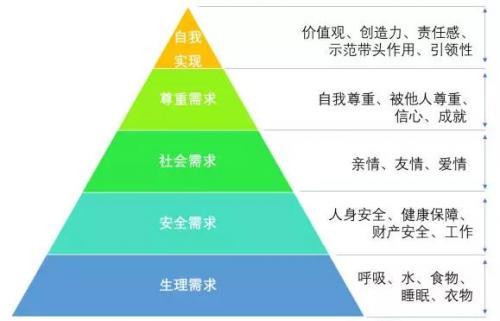
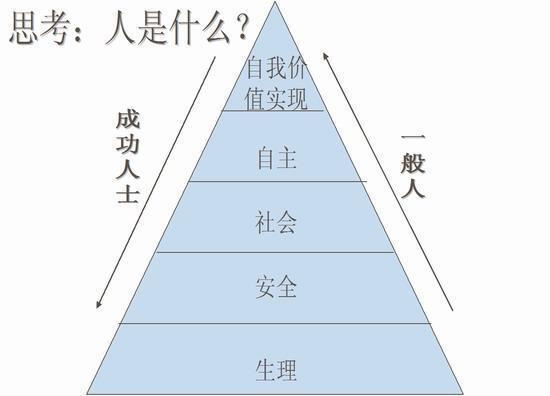
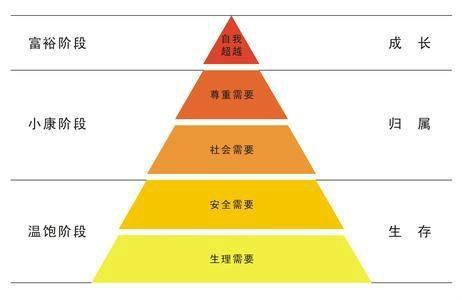
We can use Maslow's hierarchy of needs to assess a system's quality. Maslow divides human needs into five levels: physiological, safety, social, esteem, and self-actualization.If a society satisfies these needs for a greater number of people, it indicates a better social system, and the higher the level of satisfaction, the more progressive and promising the system is. It's simple: society is made up of people, and if their needs are met, the society is good. The higher the level of satisfaction, the better the social system.
The fulfillment of physiological needs.
We can use marriage to illustrate. A society that can enable most adults to form families and address issues of reproduction is generally stable. This low-level satisfaction, if a society cannot guarantee it, then the society lacks purpose.The stability of family and marriage is a measure of physiological need fulfillment.
The fulfillment of safety needs.
The content of safety needs is extensive and multifaceted, including personal safety, sufficient food supplies, food safety, public health safety, medical care, old-age care, housing, employment, social security, and national security. This list simply reflects the breadth of these needs. If a society can adequately meet these needs, the system is highly commendable. When these needs are well-satisfied, people can pursue higher-level needs. A society that cannot provide basic social security guarantees is prone to instability. Throughout Chinese history, the decline of dynasties stemmed from the failure to meet people's safety needs. There are significant differences between nations in terms of fulfilling safety needs. For example, countries experiencing turmoil cannot guarantee personal safety. Countries like Syria and Iraq are examples.Economic indicators often reflect a nation's people's fulfillment of safety needs.
The fulfillment of social needs.
Social needs refer to the breadth and depth of people's participation in social activities. Square dancing is a manifestation of social needs fulfillment; so are dinners, weddings, gatherings, card games, tourism, friendship, religion, and conversations. These activities, when satisfied, indicate a safe and healthy society.The state should not restrict people's social needs; it should only promote them.
These three aspects of need fulfillment are largely consistent across all nations, although the depth and breadth may differ.
The fulfillment of esteem needs.
If most people's self-actualization needs are met, it's a compelling indicator of a nation and system's quality. Self-actualization is the ultimate purpose of all human needs. If someone wants to be a writer, they achieve it; if they want to be a scientist, they do; if they want to be a doctor, they do; if they want to be an entrepreneur, they do…A country and its system are superior when more people can realize their dreams. A nation's system should be progressive and adaptable, evolving with the times and resolving social conflicts. A system that satisfies the needs of most people is a good system. There's no such thing as perfection, only adaptation to the times, reducing social tensions, and enabling most people to realize their self-value. A complete social system is achieved when a nation's system is constantly evolving to meet the changing times and resolving social conflicts while ensuring that the most people's needs are satisfied. The fulfillment of safety needs is a prerequisite for this.
……...