Stop Your Weight Loss Efforts - The Four Culprits
In this article, a Muscle will take you through four hidden errors in the fat loss process, which will prevent your weight loss. Most people give up halfway through because they don't see results. In fact, you might be gaining or losing very little, which can be frustrating.
If I don't see results, I'll also get discouraged and give up. But don't give up completely, it's important to step back and accurately analyze what you're doing and what's preventing you from losing fat.

First, you need to know what fat loss principles are
Consistent calorie deficit is the only way to reduce fat, meaning calorie intake is less than calorie expenditure, this phenomenon is called a calorie deficit.Also, frequent small meals are not important, because your fat reduction will depend on your calorie deficit. Despite whatever dietary habits you follow, any diet that helps you stick to a calorie deficit can help you lose fat.
If you haven't succeeded in losing fat so far, don't worry, it's not because you've been cursed by genes, your metabolism is impaired, or you're too old to lose weight. These aren't the main reasons for your fat loss. The following four errors you may not have noticed are.
Error 1: Underestimating calorie intake
The first and most common mistake you might make is underestimating calorie intake. People typically think their diet is not enough, but it's not.
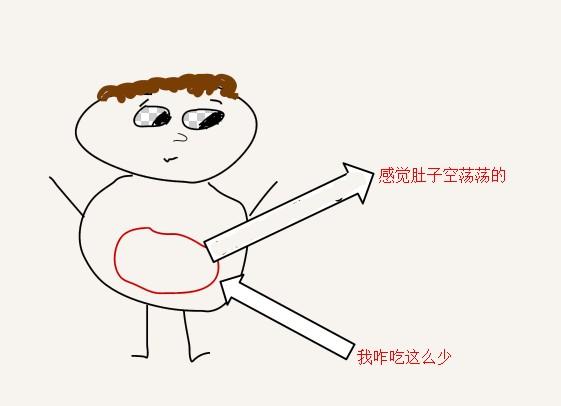
Why do people underestimate their calorie intake?
The fact is, most people are afraid of guessing how many calories they eat. You guess the raw materials, ingredients and seasonings you haven't calculated. You might guess that they total up to 620 calories. The perception of calorie difference quickly becomes a factor inhibiting your fat loss.
To reduce this situation, you need to start tracking your food intake. Ideally, it's best to use a food scale to track calorie and macronutrient intake.
Tracking food intake is not difficult, I strongly recommend you do it or at least try it, because it will help you understand how many calories you actually eat every day. Even if you do this for a week, it will help you accurately estimate your calorie ability.
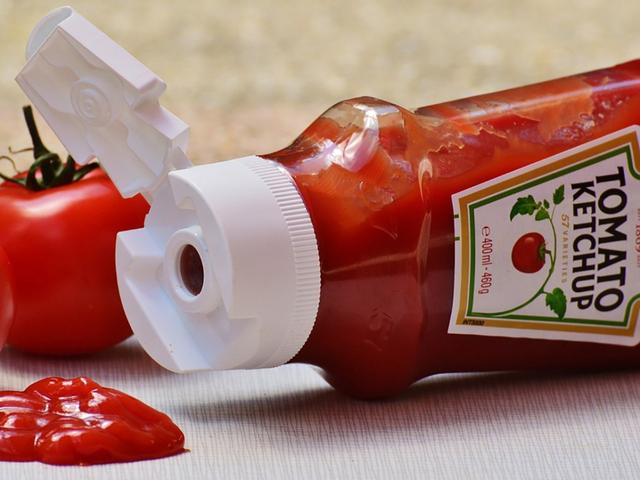
Beware of hidden calories
Make sure you don't forget about hidden calories. For example, if you need 2,000 calories to lose weight, you've already tracked the calorie intake for the day, and you're confident that you've reached the goal. But after analyzing the food intake, you realize you've missed some food, such as olive oil and garlic sauce in a salad.
These small, seemingly insignificant foods can add up to as many as 400 calories. If you consume 400 calories a day, it could disrupt your calorie deficit, which may be the reason you haven't lost fat.
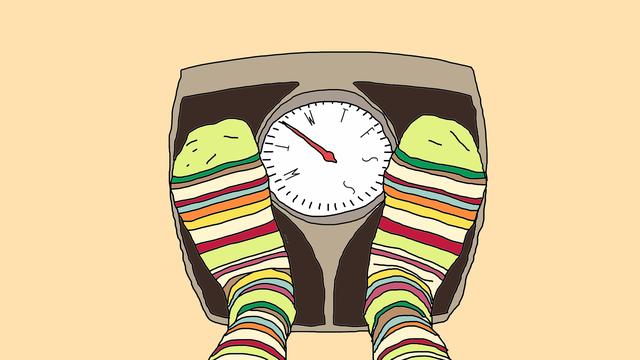
Error 2: Not accurately measuring weight
The next reason you don't see fat loss is that you're not accurately measuring your weight. Most people just weigh themselves about once a week, and the weight fluctuates greatly, which is normal. It's important that the overall trend is downward, with an average weight decrease of about 1 pound per week.
If you randomly add yourself once a week, you'll get random weight data, even if you're in a calorie deficit, it seems like you're gaining weight. It's just that you haven't taken the time to track the data accurately.
Weighing yourself once a week can seriously misrepresent the overall direction of weight change. What you need to do is weigh yourself first thing in the morning after waking up, before eating anything. Keeping a record of this number and taking its weekly average will help you maximize the reduction in daily weight fluctuations.
Weekly comparison of the average weight with the previous week's average weight is important, because this is a more accurate representation of the weight change. After about 3 or 4 weeks, if your weekly average weight doesn't change, you'll be told more information, and the plan may need to be adjusted, such as reducing calorie intake.
Error 3: Overestimating calorie expenditure

The next mistake you make is overestimating calorie expenditure. Many people find that after intense exercise, they feel hungry and think they should eat more to compensate for the calories burned. Exercise, especially cardio, can make people consume a lot of calories. It's normal to feel hungry after exercise. But many people overeat after exercising, often exceeding the calories burned during exercise.
Even worse, people often overestimate how many calories they burn during exercise, which can be up to 70%. If you use software to record calorie expenditure, it can overestimate calorie consumption by 24%.
For simplicity, stick to a consistent calorie intake every day and plan your workouts weekly. Track your weekly average weight. If you don't lose weight, you can adjust the plan accordingly, such as reducing calorie intake and/or increasing the frequency of cardio.
Error 4: Not recognizing body recomposition
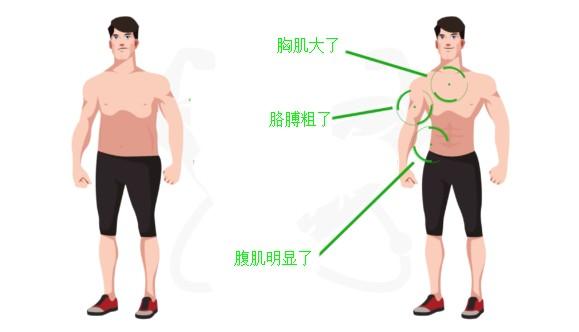
The last error is not recognizing that you are undergoing body recomposition. When most people think about fat loss, they immediately think of the number on the scale. They think that if the weight doesn't decrease, they haven't lost fat. But this isn't always the case. If you're a beginner in training, or have been inactive for a while, or you're getting seriously into exercise, you're likely to experience body recomposition.
Body recomposition means that you simultaneously gain muscle and lose fat, but if you're losing fat and building muscle, you may not lose fat if you're losing fat, you need to measure progress in other ways, not just relying on the scale. In addition to weight as a measure of fat loss, muscle strength is also important. Make sure you take a progress photo and body measurements weekly. If your weight remains unchanged over the past six weeks, but your strength increases, your arm circumference increases, and your waist circumference decreases, these are signs that you are undergoing body recomposition. The body is making progress, and you may tend to further reduce calorie intake.
Fellows
Recording your strength performance, tracking your calorie intake and recording weight are all necessary. By tracking these variables, you can be confident that you're making effective progress in fat loss and that you're doing everything correctly.