Excessive Side Waist Fat, Weighted Side Bends Show Little Effect, 1 Action Easily Eliminate Waist Circumference
As soon as summer arrives, the body will be revealed without reservation, and the most noticeable part is the waist and abdomen. If the waist and abdomen are flat, you will look good in any clothes; if there is a lot of abdominal fat, even fashionable clothes will make you look 'layered and stacked' or 'pumpkin-shaped'. At this time, losing waist and abdominal fat becomes particularly important.
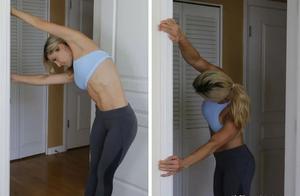
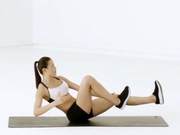
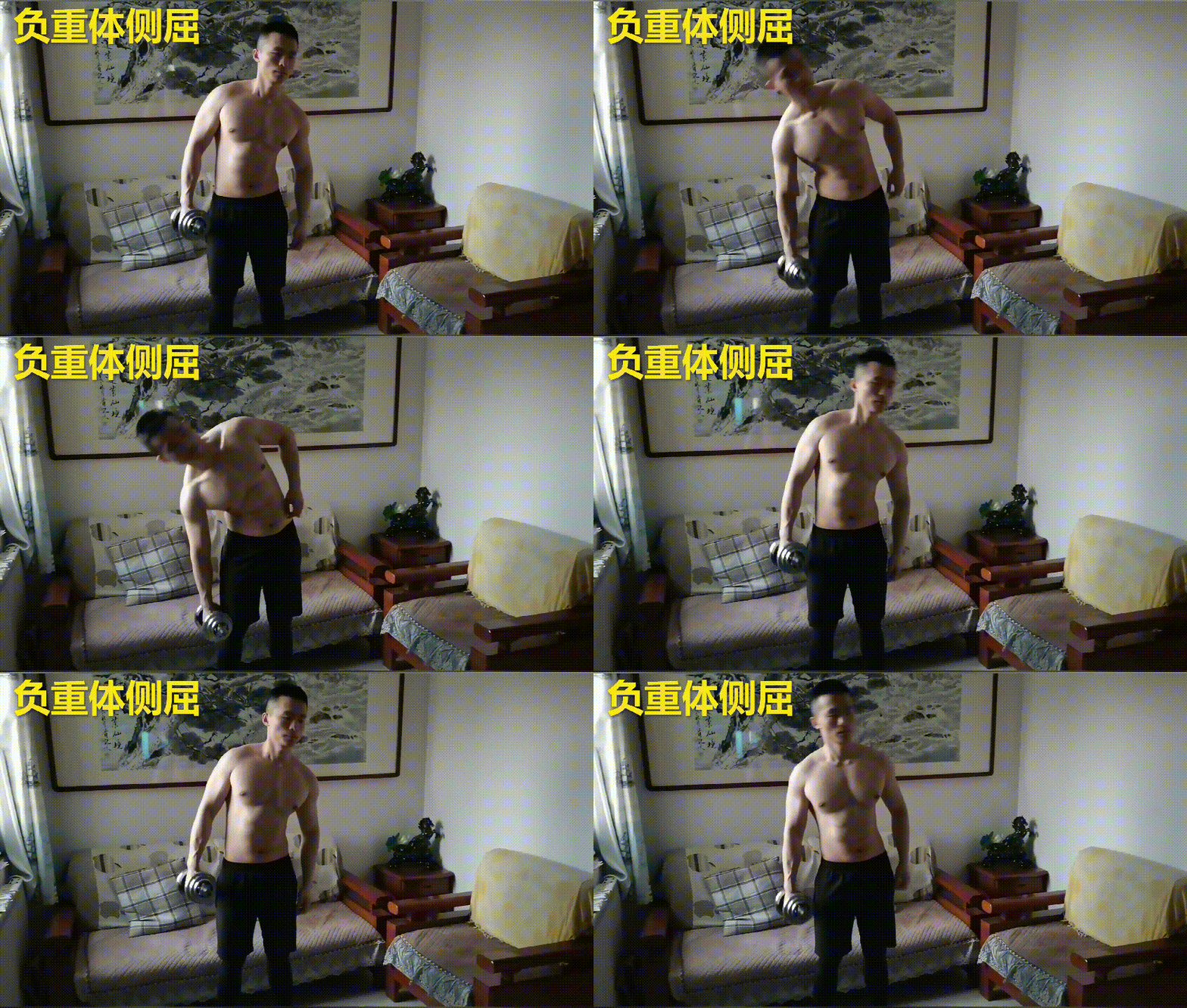
Regarding this, many people will think of weighted side bends, but for most people, weighted side bends are of little benefit because weighted side bends produce limited training effects and can easily cause waist injuries. The following introduces an action to specifically train the sides of the abdomen, which can help you safely and efficiently eliminate fat.
To train effectively, it is necessary to have a targeted approach, and the prerequisite for this is to understand the characteristics of the target muscle group.

The position and function of the oblique abdominal muscles
Oblique abdominal muscles include the internal oblique muscles and external oblique muscles, both of which are located on the sides of the abdomen. They are all fan-shaped and have diagonal muscle fibers. They are mainly responsible for the rotation of the trunk and the forward flexion of the spine. That is, when the lower limbs remain stable, the upper body twists, or the upper body remains stable, the lower body twists, the oblique abdominal muscles will play a great role.

Why don't we recommend weighted side bends
1. I believe that most people's purpose in doing weighted side bends is to strengthen the side chain muscles of the trunk, in simple terms, they want to get rid of the fat on the sides of the waist and abdomen. However, in weighted side bends, although the oblique abdominal muscles play a role, the waist muscles also participate, and the spine itself is not good at side bending. Waist muscles are more suitable for isometric contraction to train, so the action mode of weighted side bends is not suitable for most people, and its training yield is not ideal, and it increases the risk of injury.
2. When doing side bends, the ideal situation is to use the contraction of the oblique abdominal muscles to dominate the action. However, in fact, the contraction of the waist muscles is often easier than the contraction of the oblique abdominal muscles, and the strength of the oblique abdominal muscles is relatively small. Most people cannot effectively control it. That is, the waist muscles will inevitably dominate the action, and this changes the training purpose.
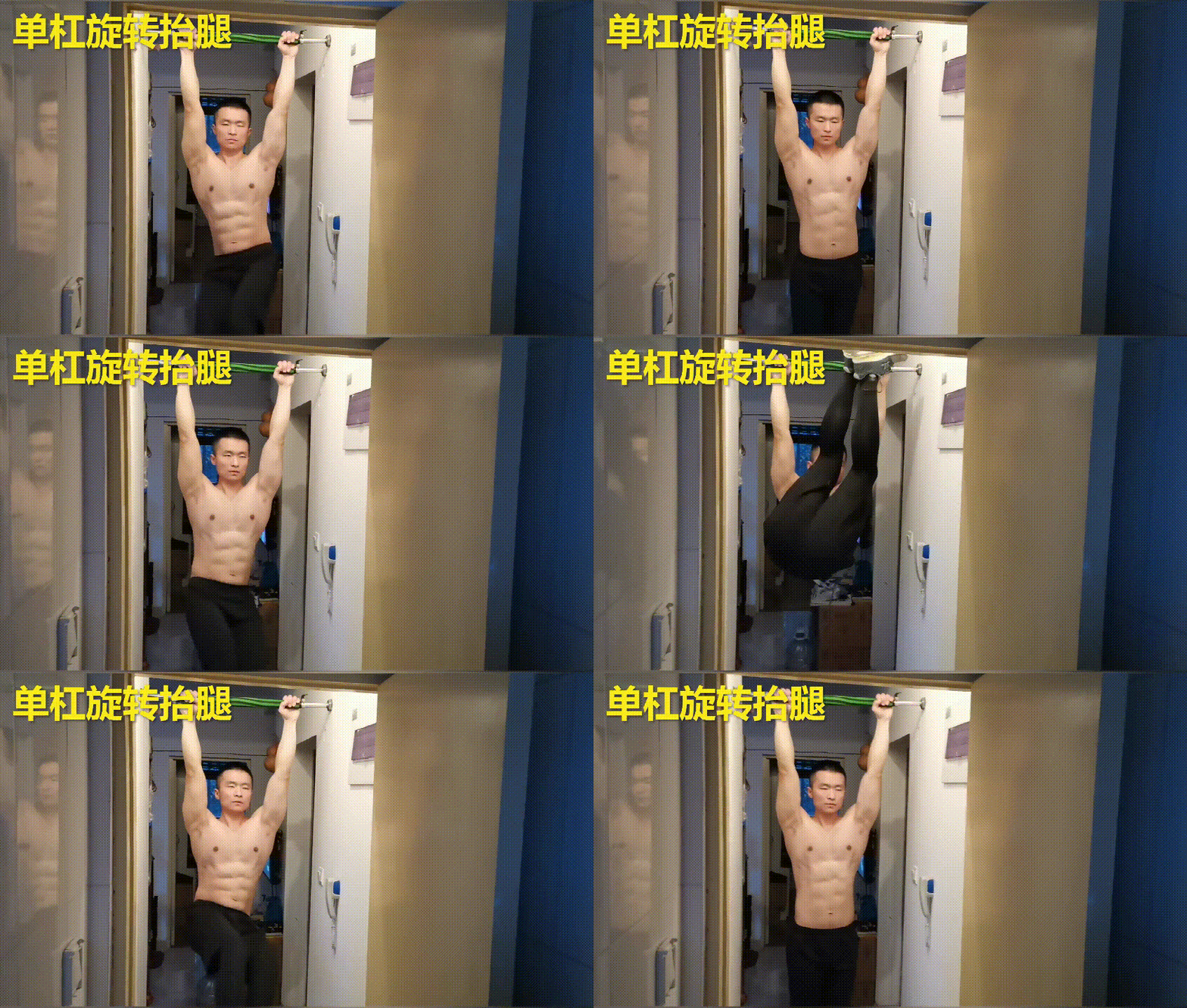
Barbell rotation lift legs
Action steps:
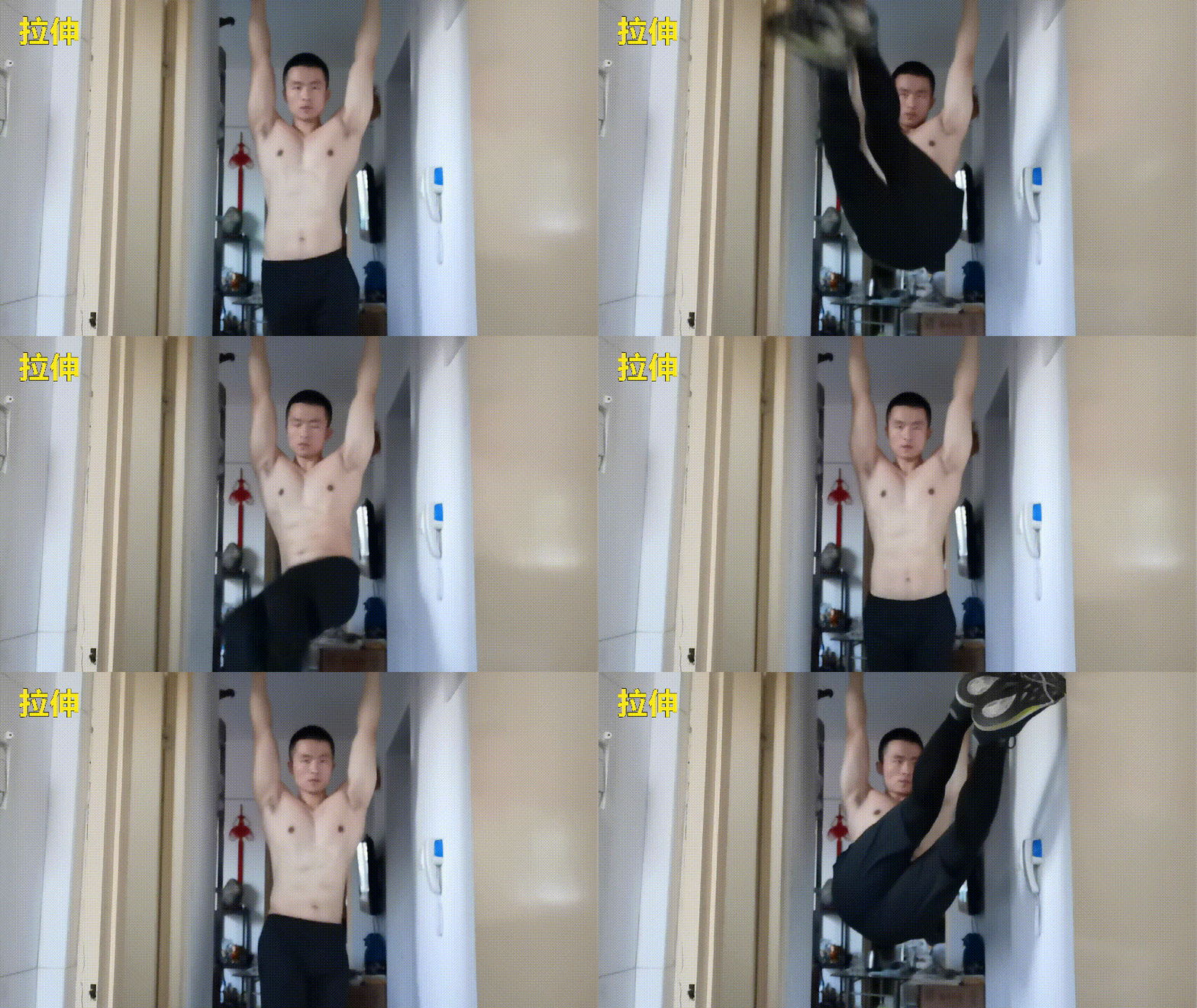
1. Choose a suitable height of the pull-up bar, so that the feet do not touch the ground when hanging naturally.
2. A shoulder-width grip, so that the back receives the least pressure, to extend the hanging time.
3. Lift the legs upwards at the same time, twist to one side, make the hip of the side where the twist is as high as possible, so that the oblique abdominal muscles squeeze and contract.
4. Control the legs down, the core muscle group should not fully relax.
Common mistakes
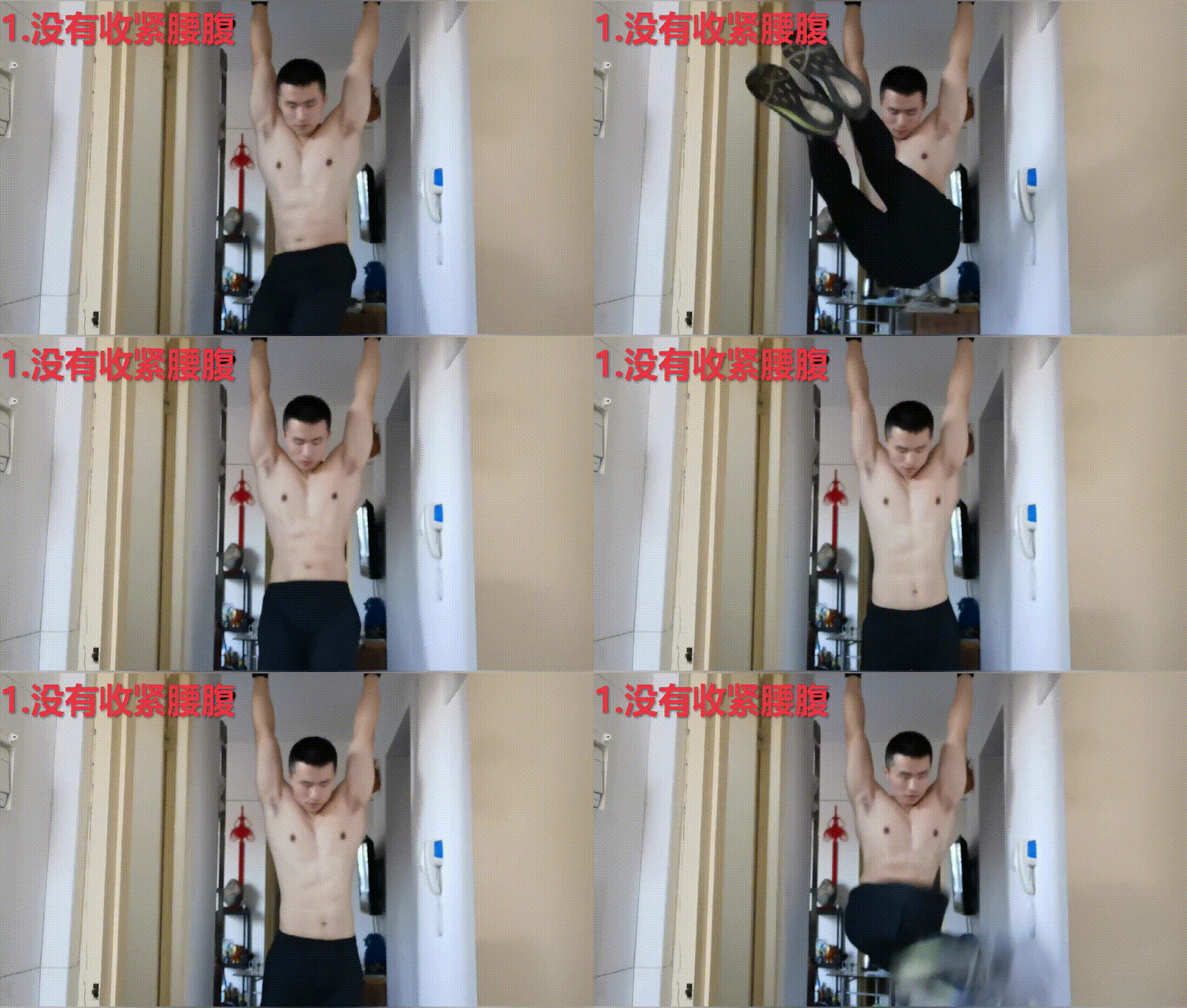
Lack of active contraction of the core muscles
In most training, it is very important to pre-activate the target muscle group. This not only avoids the occurrence of compensatory actions but also helps the trainer find the feeling of contraction. This is especially important in the barbell lift. If you start in a natural hanging way, the subsequent actions will be difficult to control, the hips shift backward, the head extends forward, and the body moves uncontrollably. At the same time, the core muscle group is forcibly contracted, and it is difficult for you to find the feeling of the core muscle contraction. Most importantly, excessive pressure is concentrated on the lower back and waist, which may cause waist injuries.
Solution:
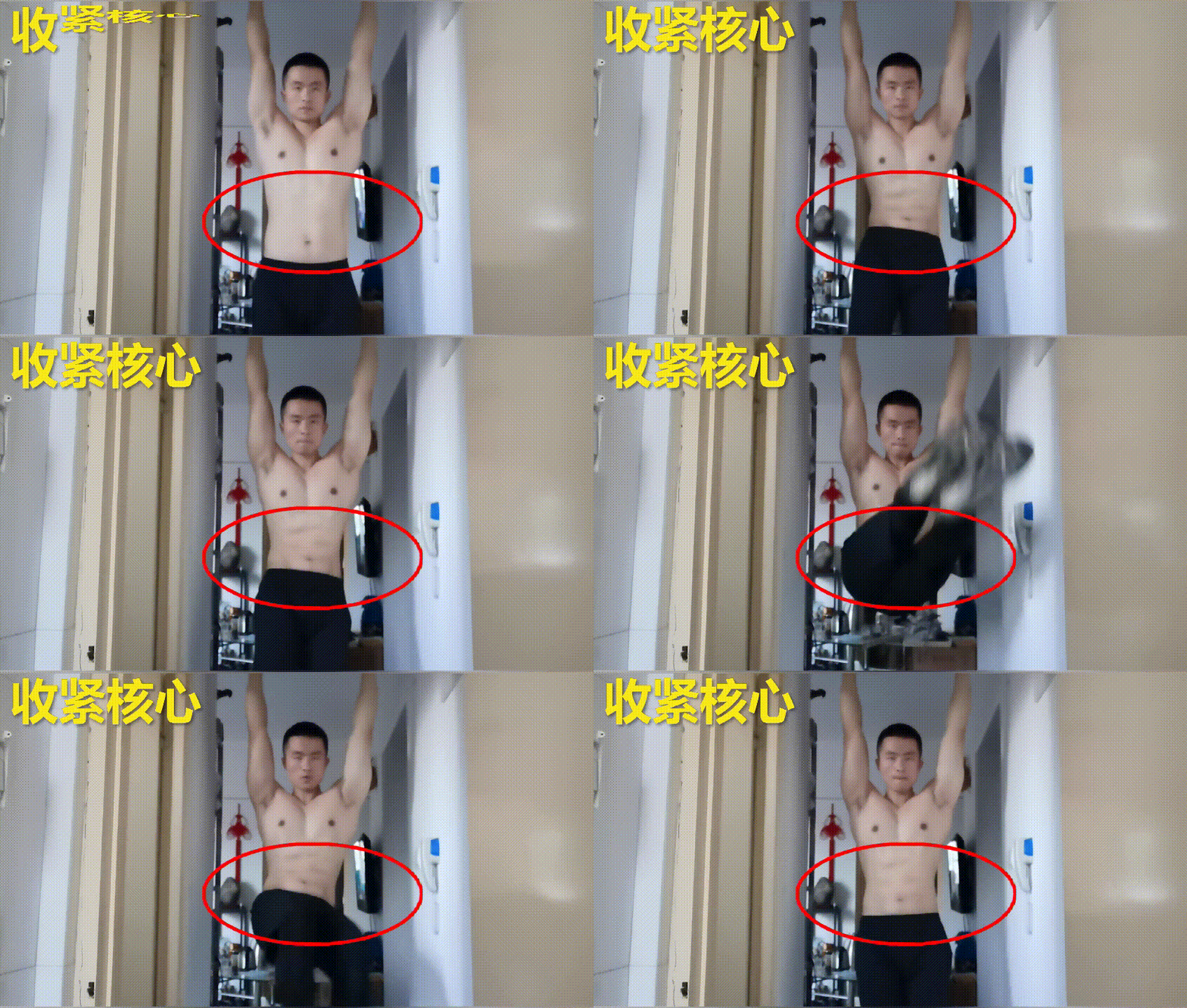
1. Use the radiation law. When you grip the bar tightly, you will feel the contraction of the muscle groups of the forearms, forearms, and even the upper body. This fully reflects the radiation law, and we can apply it to specific actions. Specifically, when using a full grip on both hands to grip the pull-up bar, you can imagine breaking the pull-up bar in the middle, and the arm muscle groups are actively contracting, and this will affect the waist and abdomen. The trainer can better actively contract the core muscles.
2. For people with weak core strength, when the legs are suspended, it may be difficult to actively contract the core muscles. At this time, you can imagine that someone is attacking your abdomen, and you must try to make the legs closer to the abdomen to contract the core muscles to resist the external attack.
During the starting stage, it is important to remember that raising the legs is due to the contraction of the core muscles, not because they actively raise their legs.
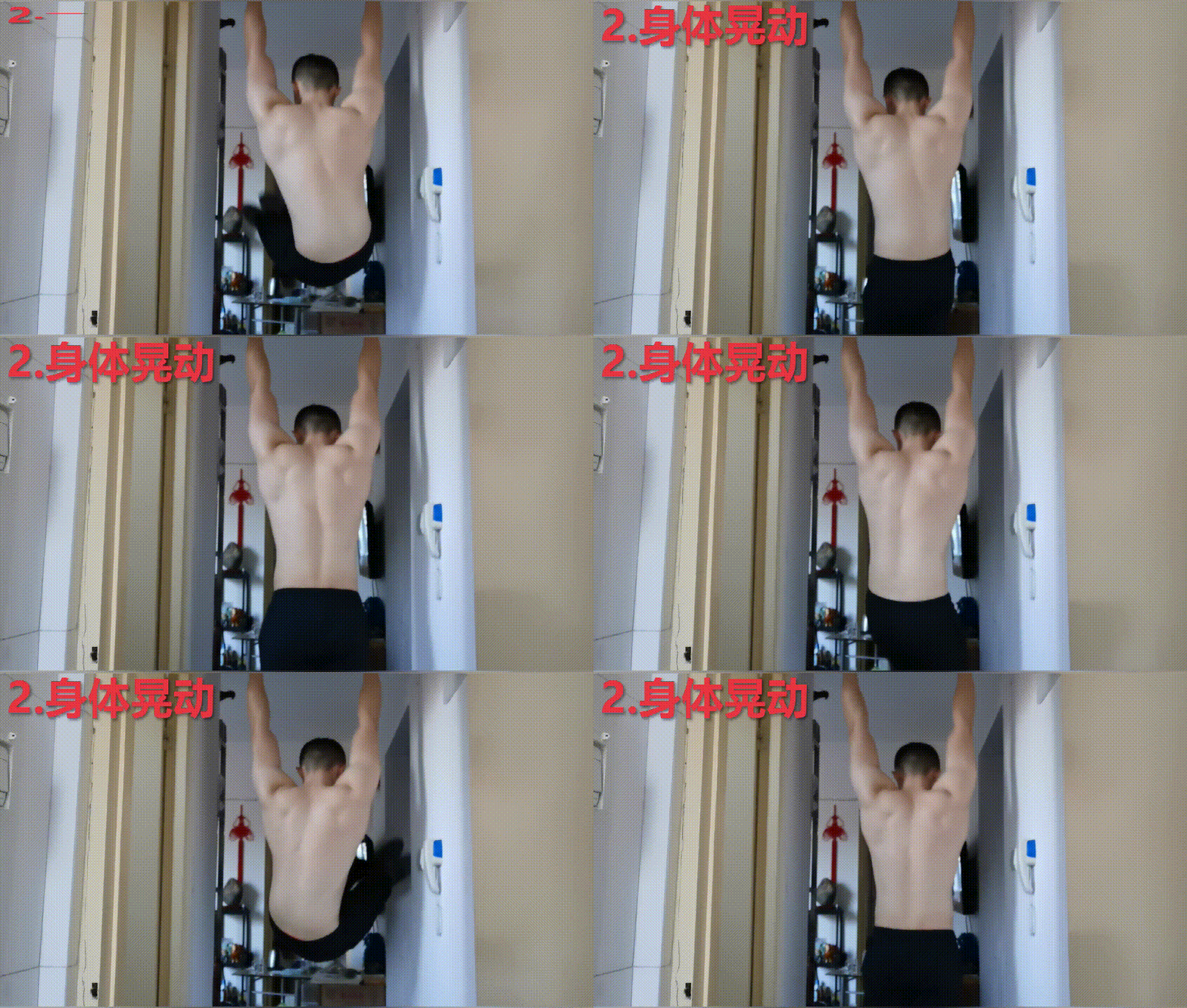
Body shaking
When doing the barbell lift, the only support is the hands. For people with weak upper body strength or inexperienced training, body shaking is a big problem in the barbell lift. This not only increases the risk of dropping the bar, but also generates inertia, which affects the subsequent lift legs action. At the same time, the core muscle group is forcibly contracted, which makes it difficult to control the action.
Solution:
1. If your waist and core muscles are not yet at a state of fatigue, but the forearms are already sore from gripping the bar tightly, then you must stop training.
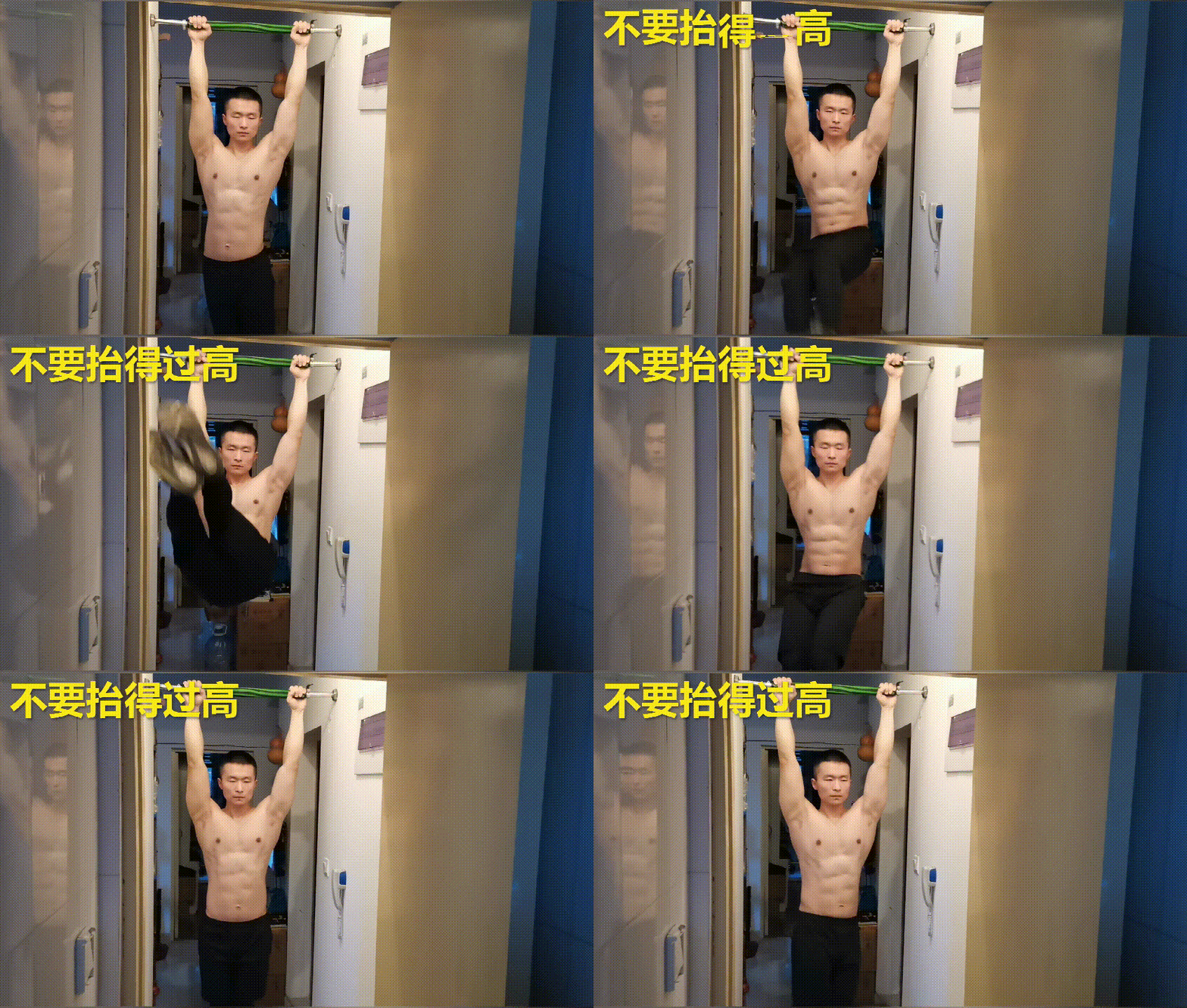
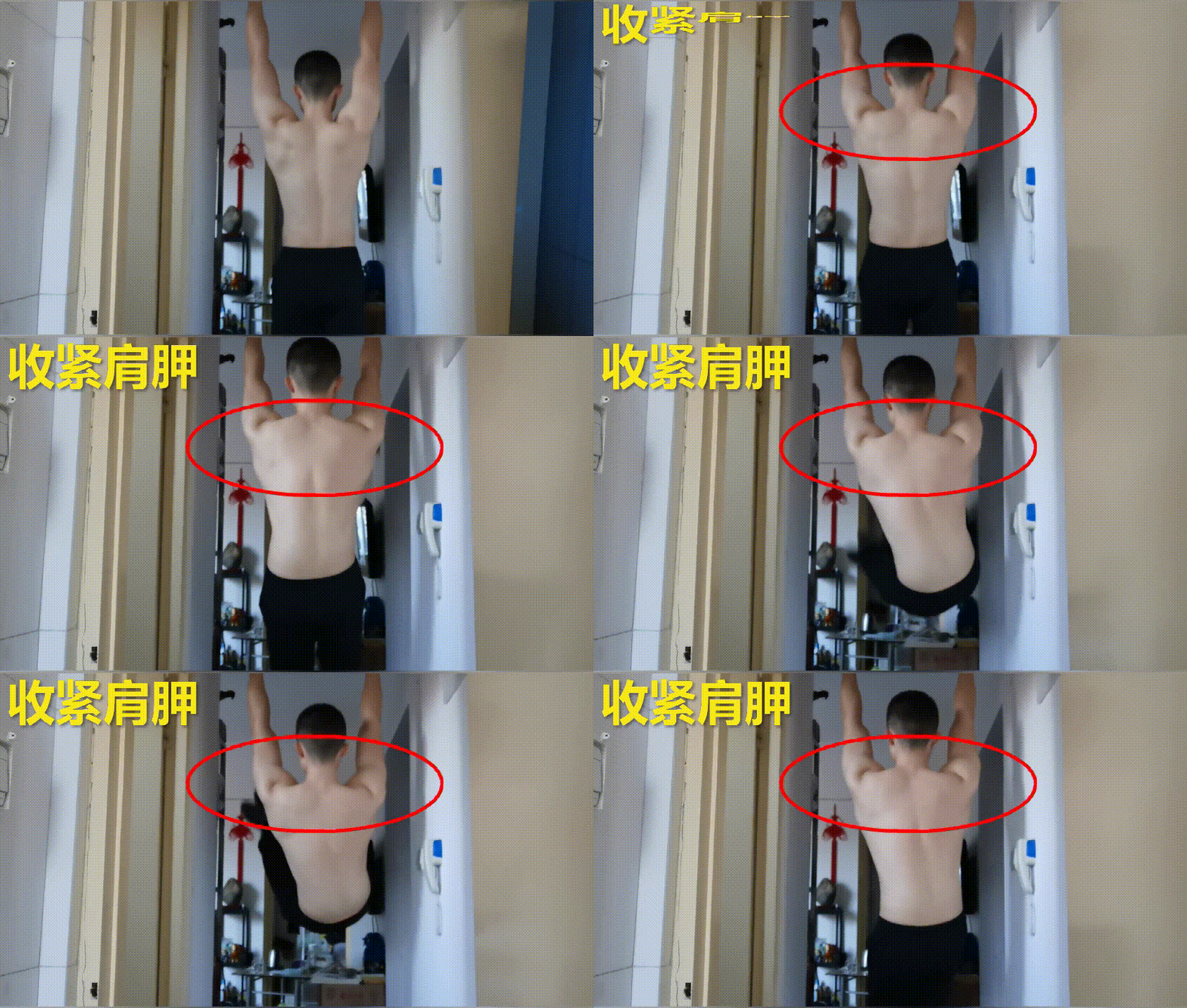
2. Since the arms connect the trunk and shoulders, it is very important for them to maintain the stability of the trunk. If the shoulder blades and shoulder joints are completely stretched, the muscles surrounding them will be in a passive stretching state, and they cannot contract. What we need to do is raise the shoulder blades and press down the shoulders, and the muscles on the back are in a tense state, and the trunk is also more stable.
Precautions:
1. If your waist and core muscles have not reached a state of fatigue, but the forearms are already sore from gripping the bar tightly, then you must stop training.
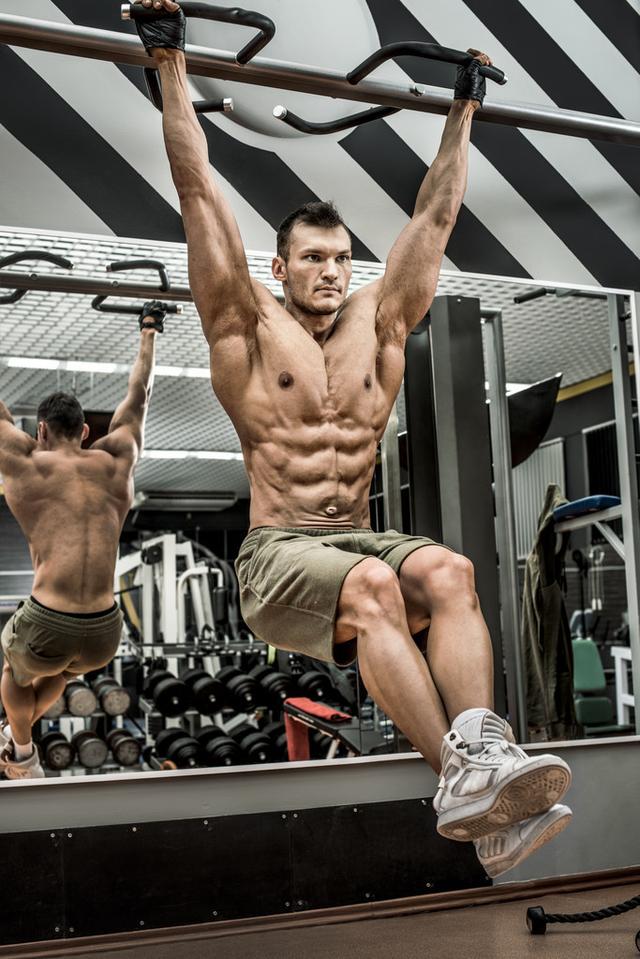
2. The leg lift height should not be too high, otherwise, the core muscle group cannot control the legs as they fall in the centrifugal stage, causing a large amount of inertia, and triggering shaking.
3. At the end of the centrifugal stage, fully stretch the core muscles, and you can imagine the legs as close as possible to the waist and abdomen, which can help you improve the training effect. The core muscles will also have a stronger pump.
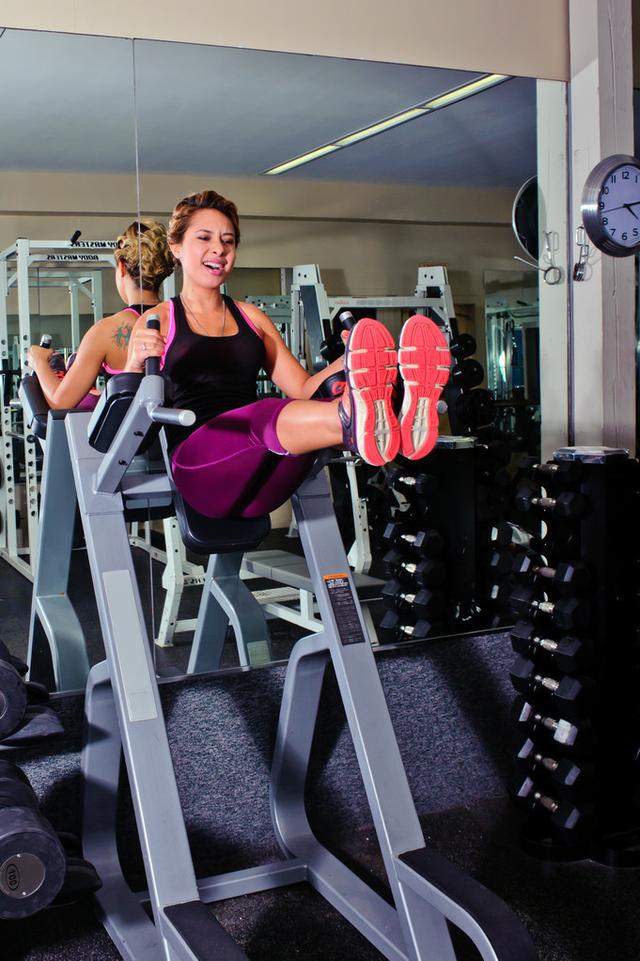
4. For people with weak core muscles, it is difficult to complete the standard barbell lift. It is recommended to start with a 'captain's chair lift legs first, and then gradually increase to the barbell lift. After the core muscles and grip strength have been improved, try the barbell lift.
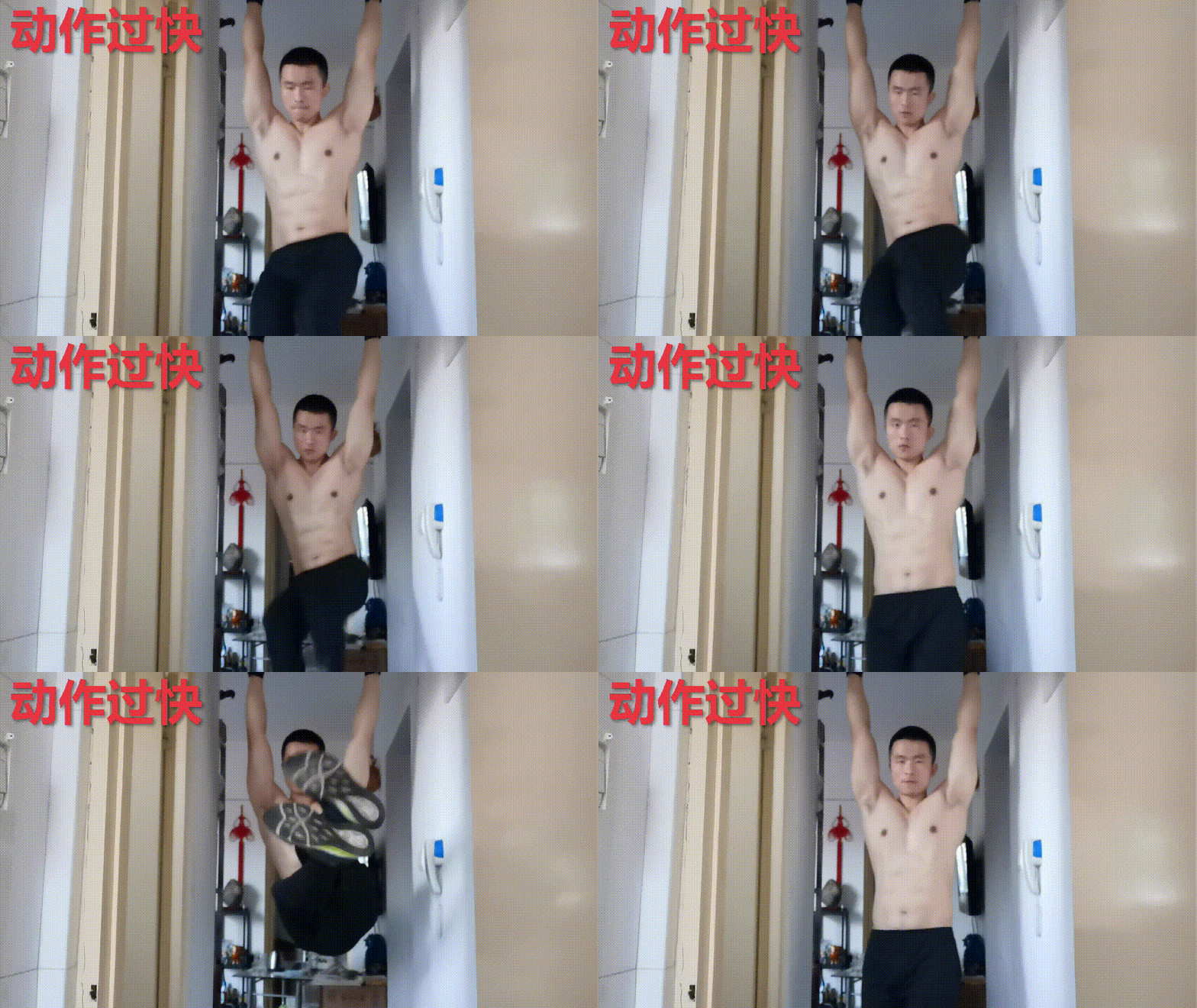
5. From a superficial point of view, when the action amplitude is small and the speed is fast, it can avoid the shaking of the body, but at this time, the potential energy of the forward and backward swaying is converted into the potential energy of up and down shaking, and the core muscles are not effectively stretched, and the entire action is limited to almost isometric contraction.
In addition to the two actions mentioned above, losing waist and abdominal fat also requires aerobic training, because a thick layer of fat will cover everything, so a good figure needs strength training and aerobic training, and it is impossible to lack either of them.