Deliberate Practice Theory: How to Master Any Skill
Deliberate practice is a conscious, highly structured form of learning combined with practice.
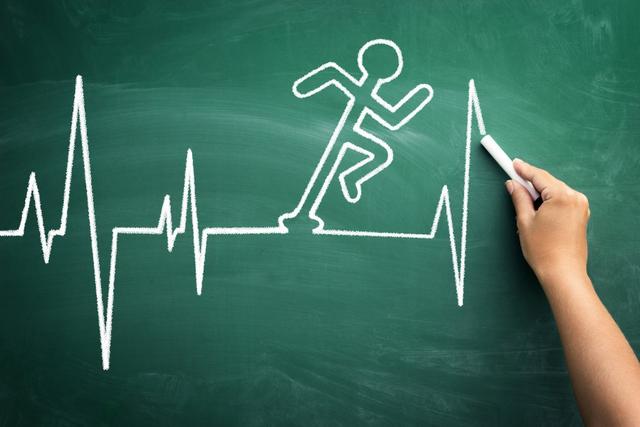
It's a process of continuous experimentation, moving from a basic grasp to extreme proficiency.
A 2014 study published in *Psychological Science* found that this training can improve performance in competitions by 26%, in music by 21%, and in sports by 18%.
There are two key techniques to effectively use this training: define success and connect it with the relevant factors, and define all the factors needed to achieve success. Then, train each one individually.
For example, with tennis, you start by practicing the serve, then the backward stance. If you want to become a professional barista, you should first master the process of making espresso, and then refine your coffee-making skills.
Develop a plan, provide feedback, and record it. Write down your practice plan, and after completing each step, reflect and record the problems you've identified.

What makes you better? What isn't?
This allows you to clarify each stage and improve your ability. Then, look for new and better methods to achieve your goals.
When practicing, go slowly, in order to shape the foundation of good muscle memory. Practice slowly and accurately. If you practice too broadly, you risk learning and internalizing incorrect techniques, which can have detrimental consequences.
Our brains need time to truly master a skill, so gradually increase speed until you're giving it your full effort,
Limit training goals to increase attention.
Deliberate practice is a demanding mental effort. Limit the training project within a reasonable time to maintain focus. If you're young, you can train for 15 minutes at a time, otherwise, you can practice for an hour.
Football player Ronaldo trains for 3-4 hours every day, young Shaolin monks practice for 2 hours in the morning and 2 hours in the afternoon. To maintain a highly concentrated focus, they switch connections every 10 minutes, maximizing training time,
Legendary basketball coach John Wooden often made his players practice putting on socks and shoes, so they could put them on faster. This extended the time spent on shooting and team strategy discussions within the same practice time,
Use small measurement intervals to track your progress,
If you're practicing a 800-meter run, record your time in seconds instead of minutes.
If you're trying to lose weight or restrict your diet, record the data to the milligram and millimeter,
Smaller data points allow us to see faster progress, which motivates us to persevere.
Mimic the process of others practicing, not just the final result.
The top performances we see on the screen or stage are the result of countless hours of deliberate practice behind the scenes.
If you want to have a voice like Pavarotti or a soccer skills like Messi, don't just focus on their stage performances, but to learn how they practice,
Repetitive practice of the same process refines skills,
In the 1990s, a group of German psychologists revealed that to become a professional violinist, you need 1,000 hours of deliberate practice,

Similar studies show that to become an excellent cigar maker, you also need 10,000 hours.
New employees in the Cuban cigar factory produce about one cigar every 25 seconds, after repeating 100,000 times, they take only 15 seconds, and after 1,000,000 repetitions, they take only 8 seconds,
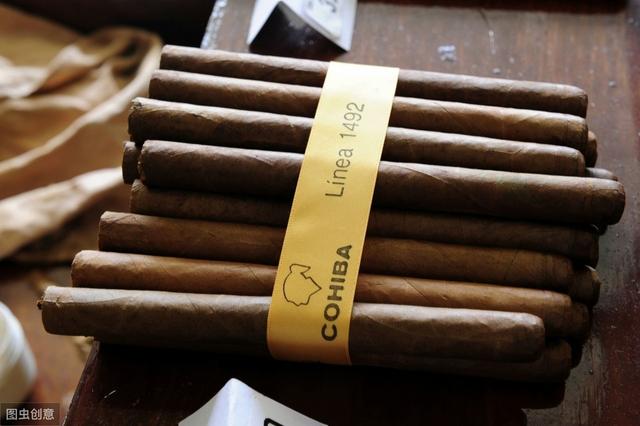
To achieve peak performance, employees need to repeat the same hand movements 7 million times over 7 years,
Skills are refined not by practice, but by repetition. Therefore, football teams train Spanish athletes' spin kicks every day,
Pianists use scales and arpeggios to warm up, their daily training is to refine skills,
To reach master level, young Shaolin monks get up at 5:30 a.m., then recite scriptures, eat breakfast, and practice kung fu for 2 hours, they eat ( -) – uncooked rice with no liquid aid for digestion until 11:30 a.m., they continue to practice for 2 hours until 3 p.m., they eat dinner at 5:30 p.m., then recite scriptures and meditate until 8 p.m., and go to sleep at 10 p.m.
Ordinary people can start with 15 minutes a day, and then gradually increase training time.