Why Do Our Muscles Ache After Exercise?
Muscle soreness caused by exercise can be divided into two types
One is immediate pain appearing after exercise, and this pain usually disappears quickly. This is called acute muscle soreness. The other is when muscle pain appears several hours after exercise or after waking up from a nap, accompanied by fatigue, weakness, and even muscle spasms and stiffness. This muscle pain tends to disappear slowly, often taking three to four days or a week to disappear. This type of muscle pain is called delayed muscle soreness or post-exercise fatigue. What we often call muscle soreness is mainly the second type – delayed muscle soreness.

The main mechanisms causing muscle soreness include: (1) Lactate accumulation. (2) Muscle spasms. (3) Muscle fiber or connective tissue damage. (4) Other factors, such as changes in inter-tissue osmotic pressure or acute inflammation, can also cause muscle soreness.
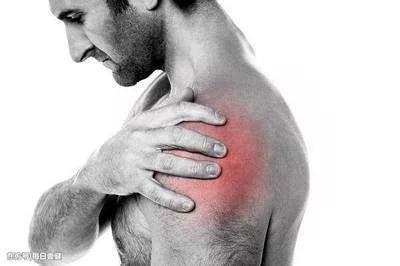
In most cases, muscle soreness after our exercise is due to lactate accumulation. How exactly does lactate accumulation occur? Human movement requires energy. If the energy comes from intracellular aerobic metabolism, it is what we call aerobic exercise; but if the energy comes from anaerobic glycolysis, it is called anaerobic exercise. During aerobic exercise, glucose metabolism produces water and carbon dioxide, which can be easily eliminated from the body through breathing and does not harm the body. Conversely, during anaerobic exercise, the glycolysis of glucose produces a large amount of lactate and other intermediate metabolic products, which cannot be eliminated through breathing and therefore forms lactate accumulation.