Tighten Your Core: It's Not About Sucking In!
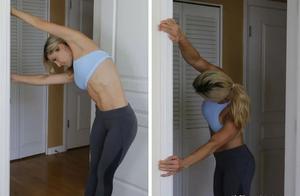
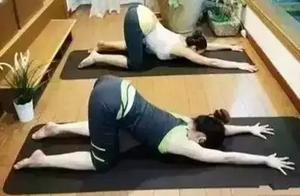
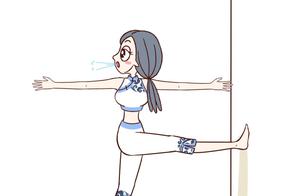
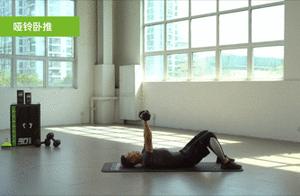
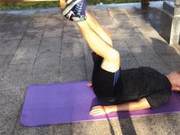
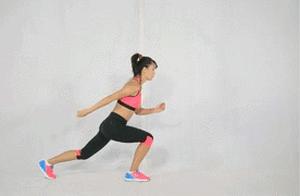
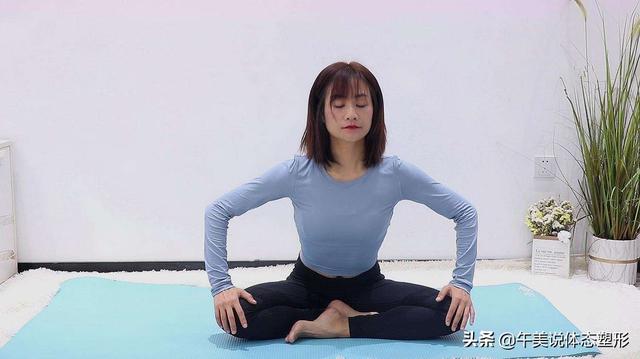
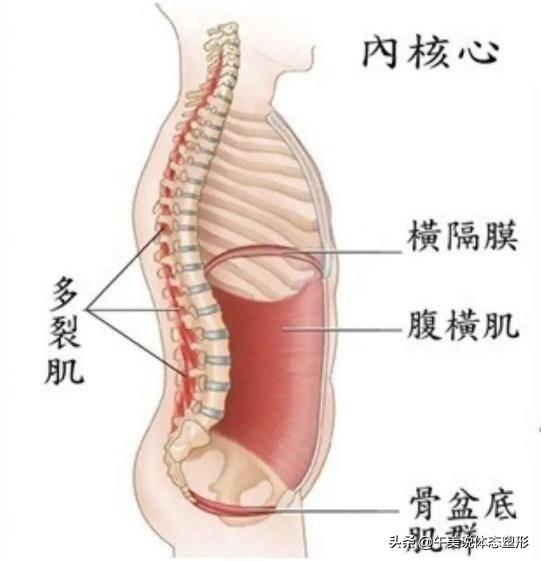
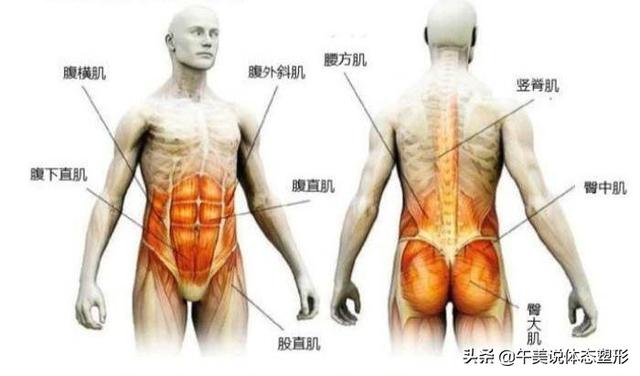
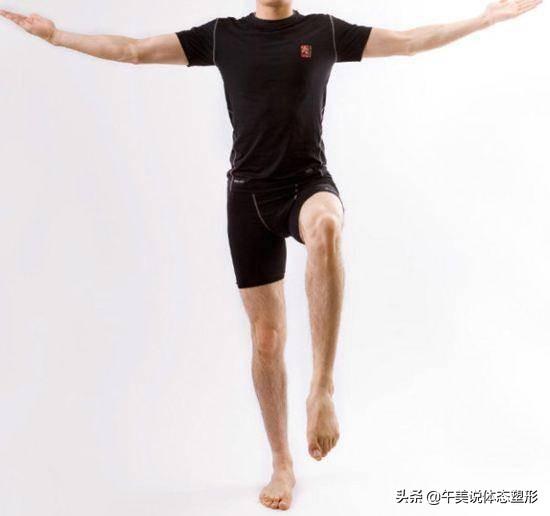
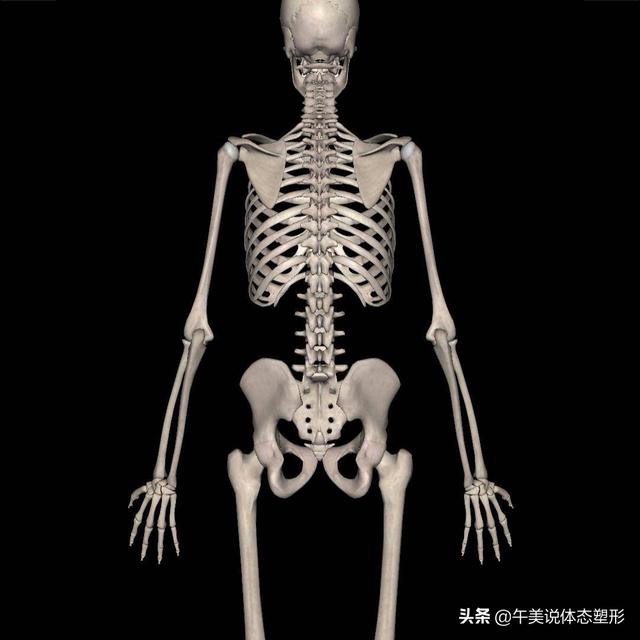
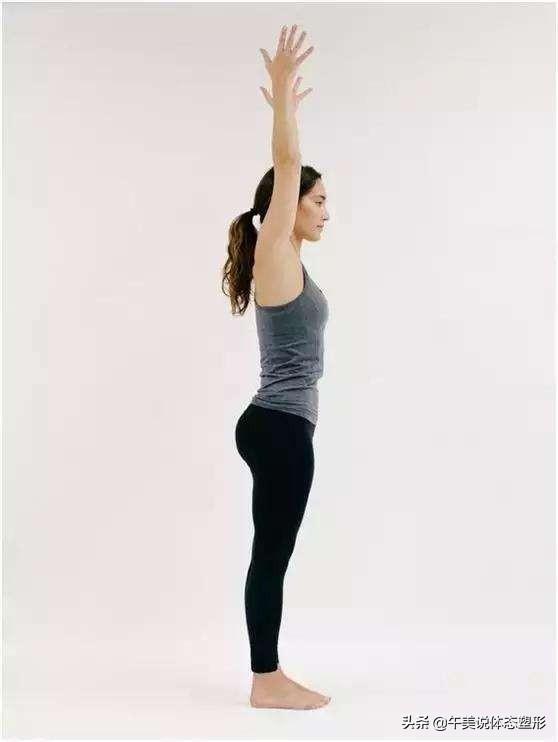
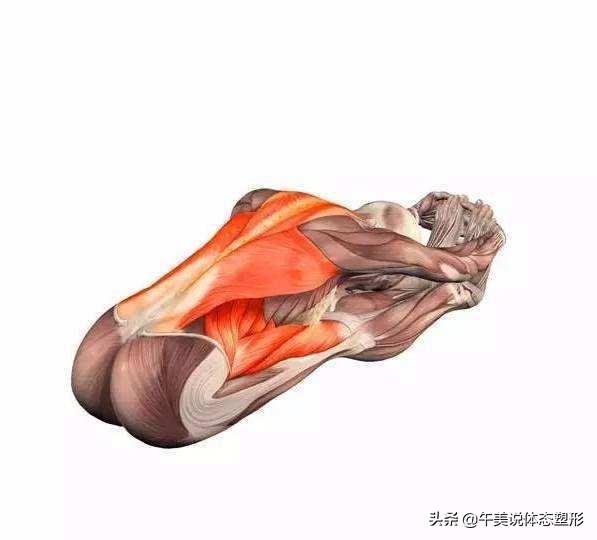
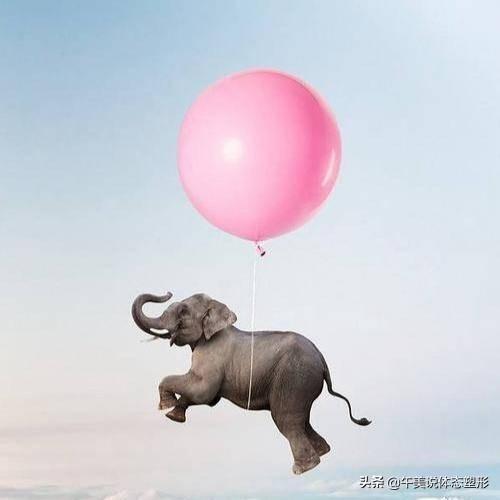
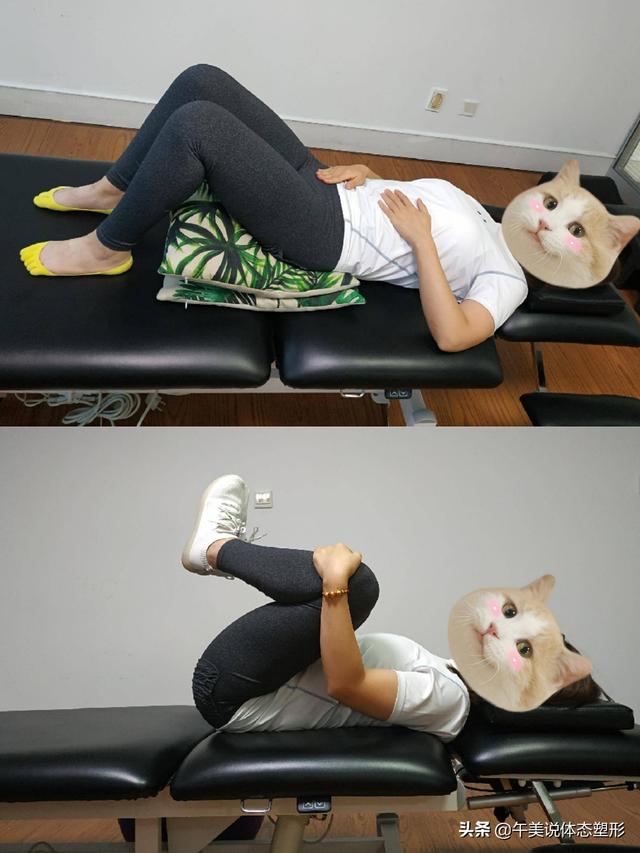
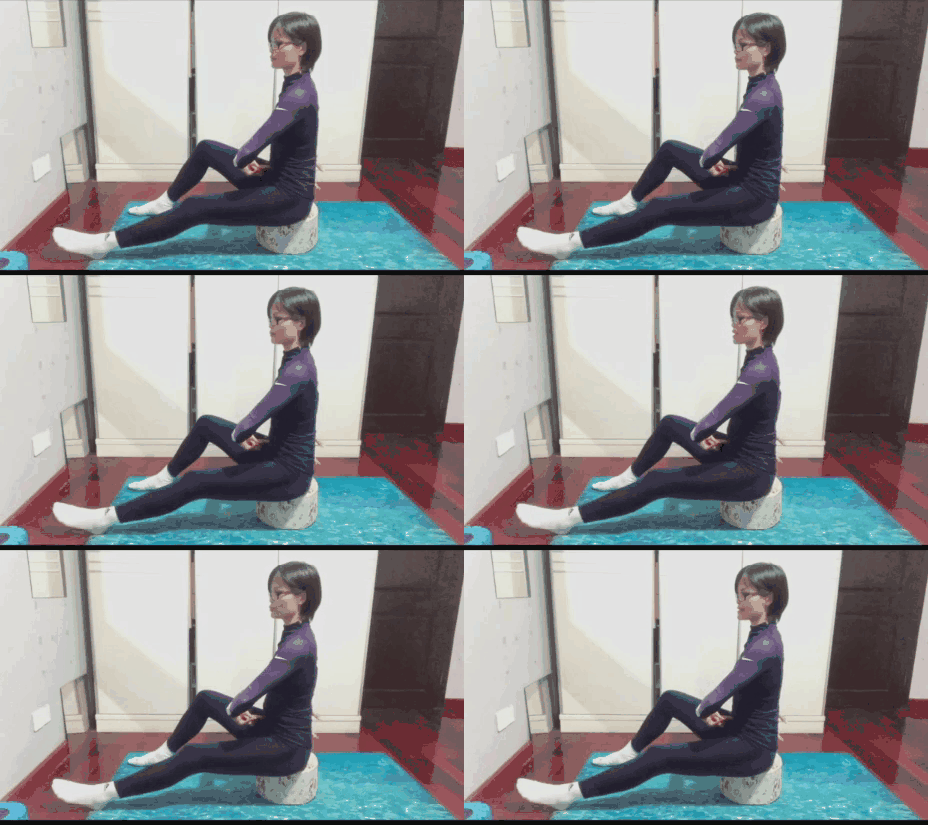
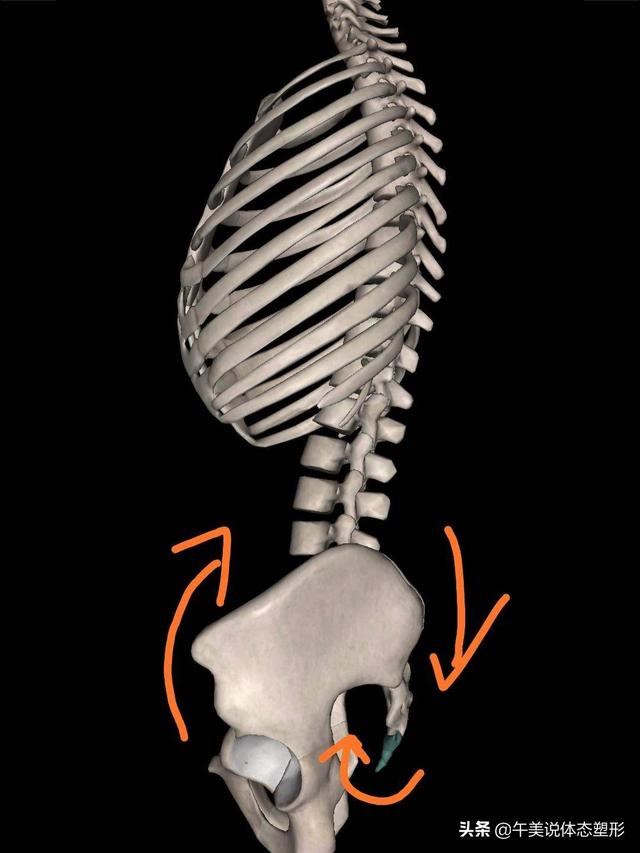
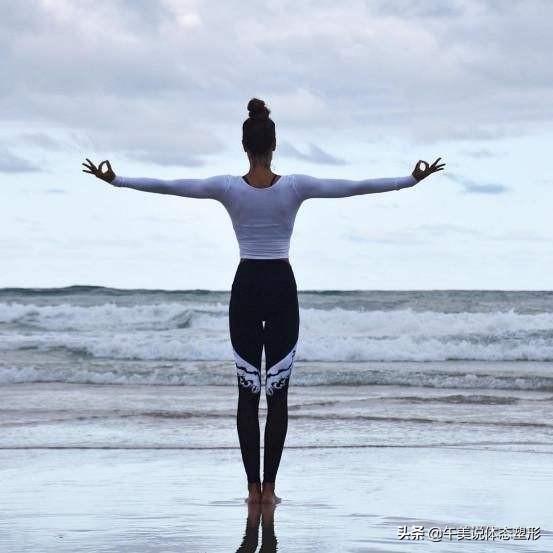
Coach: Now tighten your core, engage your back.Member: I'm so sore after this, I've already sucked in my belly, and it's still sore in my waist!Coach: Tightening your core isn't about sucking in your belly!Don't you think tightening your core means sucking in your belly? That's a big mistake!I will now comprehensively introduce what the core is and how to correctly tighten it, which will greatly improve your training effect and reduce the risk of injury.What is the core?The core is the muscle group responsible for maintaining spinal stability,According to muscle function and properties, the core muscle group is divided into two categories: deep core muscle group and superficial core muscle group.The deep core refers to the muscles surrounding the deep abdomen,namely the diaphragm, multifidus, obliques, pelvic floor muscles.The superficial core refers to the rectus abdominus, internal oblique, external oblique, erector spinae, transverse abdominis, gluteal muscles.Why is it important to tighten your core during exercise?1. Stabilize the body and reduce the risk of sports injuries.The function of the core is to maintain spinal stability and keep the body balanced. If your body isn't stable, wobbling and shaking, it's easy to fall over when putting weight on it, resulting in sports injuries.Now, close your eyes and stand on one leg naturally. Do you feel your body wobbling a bit? Then tighten your core and stand on one leg again. Do you feel more stable?What if you lift a 10-kilogram barbell and stand on one leg without tightening your core? Wouldn't that increase the risk of injury?2. Protect the spine.Look at your spine: the cervical vertebrae are supported by the shoulders, the thoracic vertebrae are protected by the ribs, and the lumbar vertebrae are self-reliant. Because the lumbar vertebrae have the thoracic vertebrae below and the pelvic bone above, one of them is inflexible, the lumbar vertebrae will compensate.For example, when we do a forward bend, the hip joint is not flexible, and we can't bend over, the lumbar vertebrae will compensate. When we do a backward bend, the thoracic spine is not flexible, and the lumbar spine will also compensate.Even when we raise our hands to the position of arms vertical to the ground, if your shoulder joint is not flexible, to achieve the requirement of arms vertical to the ground, you will push your abdomen forward, making the lumbar spine compensate.Tightening the core in exercise will reduce the damage to the spine, thereby protecting the spine.3. Better practice the target muscle.Just like the example we just mentioned, if you want to improve the flexibility of your hip joint's forward bend, but you haven't tightened your core, how can you achieve the goal of training the hip joint?No matter which part of the body you practice or which muscle you want to train, you must tighten your core.How to tighten your core?Tightening your core is not about sucking in your belly.Everyone can see the core as a balloon. The diaphragm is the top, the pelvic floor muscles are the bottom, and the abdominal sides are the sides.When you inhale, let the top, sides, and bottom of the balloon expand. When you exhale, let the top, sides, and bottom of the balloon contract inward towards your spine.1. Lying on your back breathing activation *Lie on your back, bend your knees, feet flat on the ground, hips raised.* *Hold one hand on the rib cage and the other on your upper abdomen.* *Inhale, let the balloon expand, the abdomen expands, the pelvic floor muscles open towards the feet.* *Exhale, lift the pelvic floor muscles upward, and tighten the entire abdominal circle, bringing the spine closer to the spine.* If you can't feel it, you can imitate the picture, bend your knees, hug your legs, and let your knees approach your abdomen. Or, in this state, use one hand to reach the outer labia, and feel the change of breathing.2. Sitting breathing activation *Sit on a stool, feet flat on the ground.* *Inhale, the spine extends upwards, the upper body stands upright, the abdomen expands, and the pelvic floor muscles push downwards.* *Exhale, tighten the pelvic floor muscles, and make the sacrum slightly inward.* 3. Standing breathing activation *Mountain pose, feet apart with the same width as the pelvis or feet together.* *Hold one hand on your lower abdomen and the other on your lower back.* *Inhale, the spine extends upwards, and the core area expands.* *Exhale, tighten the core, make the sacrum slightly inward.* If you don't know what the sacrum inward roll is, you can imagine that your sacrum is like a pen, drawing a hook towards the front of your body. Remember to move upwards and inwards, not just pushing forward.SummaryTightening your core is not about sucking in your belly, but about the contraction of the deep core muscle group and superficial core muscle group. According to the breathing exercises in the lying on your back, sitting, and standing positions, you can effectively activate the core muscle group, improve your training effect, and reduce the risk of sports injuries.I am Meimi, scientific sports, make you healthy and beautiful. If you have any questions about fitness, you can private message me~
“”
“~”
1
10
2
3
1
*
*
*
*
2
*
*
*
3
*
*
*
*
3
~