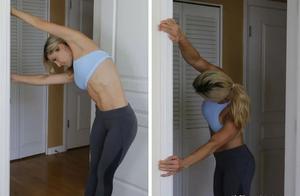
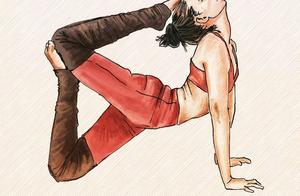
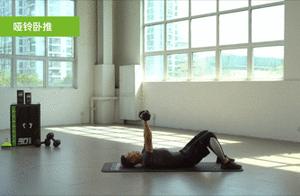
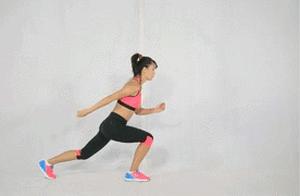
Regular stretching of the waist and back can prevent exercise injuries
Although you may not think the hamstrings play a big role in running, in fact they play a crucial role in the power chain, providing power for your running mechanics.
Your core muscles are not only your abdominal muscles, but also muscles that surround the middle of your abdomen, supporting your spine and lower back. Together with your core, hips and hamstrings, they form a stable machine. If your hips and glutes are weak, you will become fatigued during running, your lower back will be forced to work harder to maintain uprightness and stability, and you are prone to injury.
Once lower back pain flares up, strengthening the core and stretching the muscles that support the spine can help. Exercise can play a key role in preventing lower back pain. However, to solve the problem correctly, it's important to understand the root cause.

Back pain reasons
Although each situation is different and varies from person to person, the three common causes of back pain are:
- Sudden lower back muscle pain often indicates muscle spasms. Your muscles feel like they are locked, the pain can become severe and make you weak.
- Lower back pain with shooting pain in both legs indicates sciatica or discogenic pain. The tense nerve causes discomfort.
- If you feel discomfort in the entire lower back area, you may have arthritis.
Relieving actions
To prevent back pain, you need to work to increase strength and flexibility throughout the kinetic chain. Your spinal muscles are heavily supported by your core. In addition, weakness of the hip muscles and quadriceps and hamstrings will affect the lower back muscles, causing these muscles to be under greater stress.
If you are trying to solve this pain (or more importantly prevent it), try the following strength exercises and lower back stretches. Perform each exercise for the specified number of repetitions or seconds, with 30 seconds of rest between repetitions.
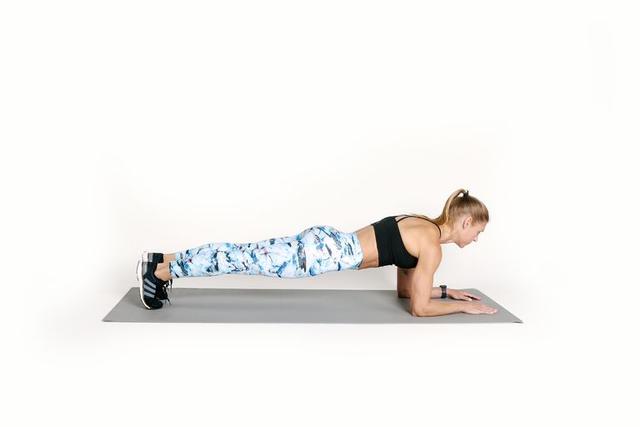
1. Plank
Start from the four limbs. Lower your shoulders to rest on your elbows, with your elbows directly on your elbows. Bring your feet back to the plank position. Pull your shoulders back and back, without bending your waist. Firmly contract your abdominal muscles to keep your hips aligned with your shoulders, so that your body forms a long, straight line. Squeeze your legs and glutes for support. Hold the position for 45 to 60 seconds. As your core gets stronger, gradually increase the time. Repeat 3 to 5 times.
Increased difficulty: Roll to the right forearm and stack your feet to create a side plank. Repeat on the other side.
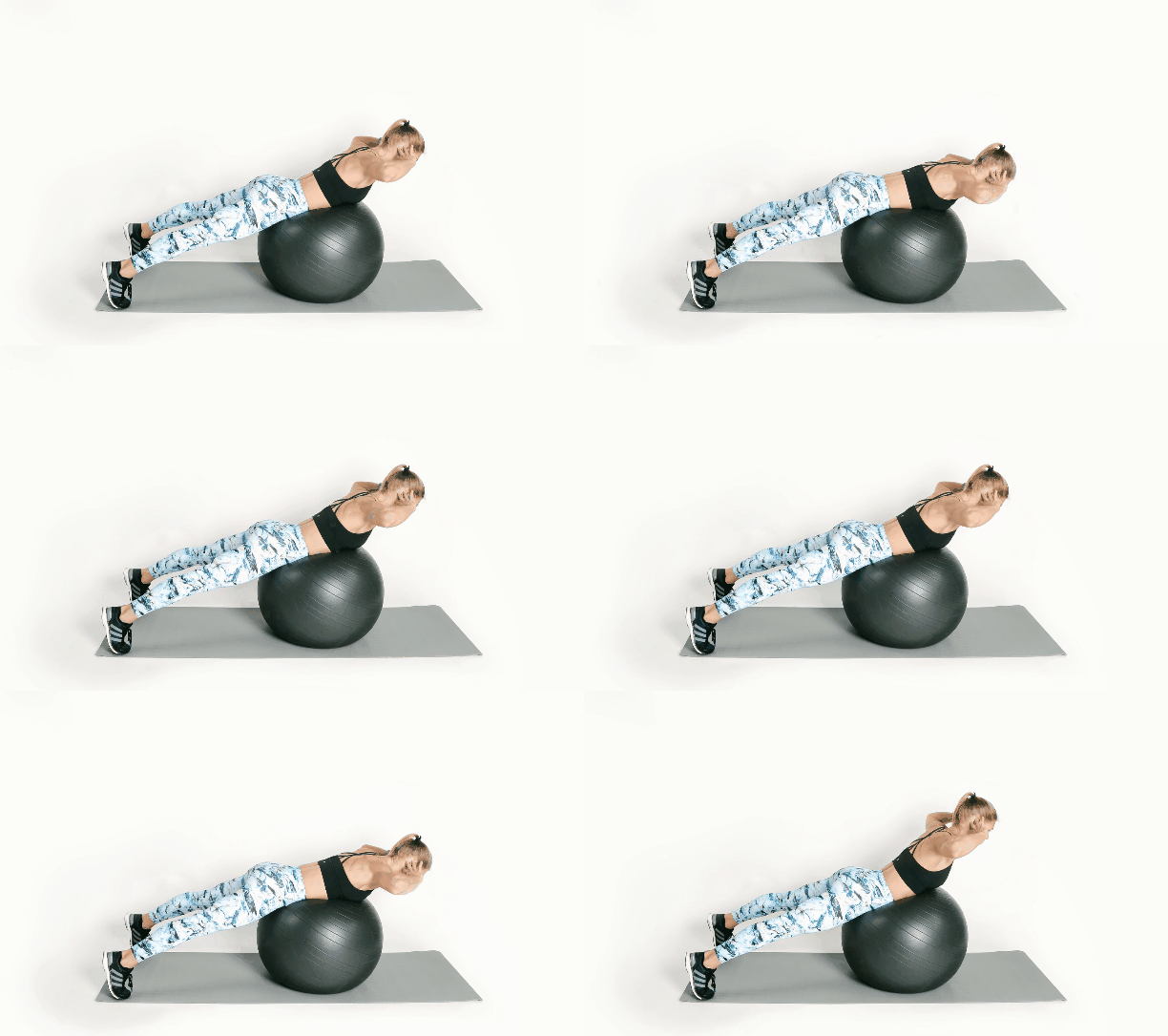
2. Ball Back Stretch
Place your feet down on a stable ball, face down, start with your face down, bring your feet to meet the ground, so that your body forms a straight line. Keep your back in a natural arc, place your hands behind your ears, and lower your upper body as far as comfortably possible. Squeeze your hips, lean back and raise your torso until it aligns with your lower body. Pause, then slowly lower your torso back to the starting position. Repeat 12 to 15 times.
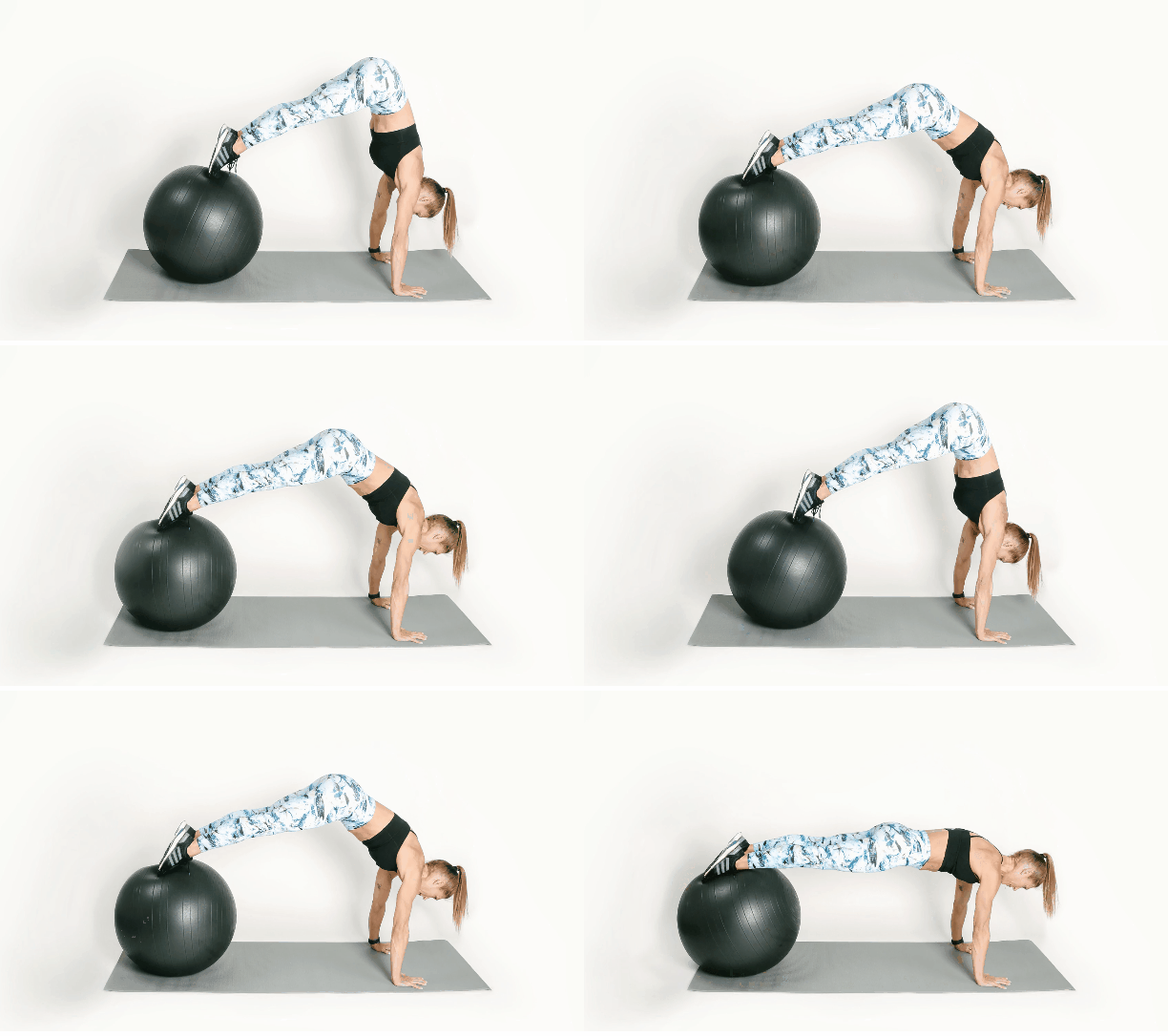
3. Ball Pike
Place your shoulders directly on your wrists, with your feet on a stable ball. Your body should be a straight line from head to ankles. While not bending your knees, use your hips to raise your body as high as possible towards the ceiling by rolling the ball towards your chest. Pause, then lower your hips back to the starting position. Repeat 15 times.
Reduced difficulty: At the high board position, where the ball is raised, roll the ball to your feet when the knee is bent to your chest without raising your hips. Repeat, and as you become stronger and more stable, gradually raise the position.
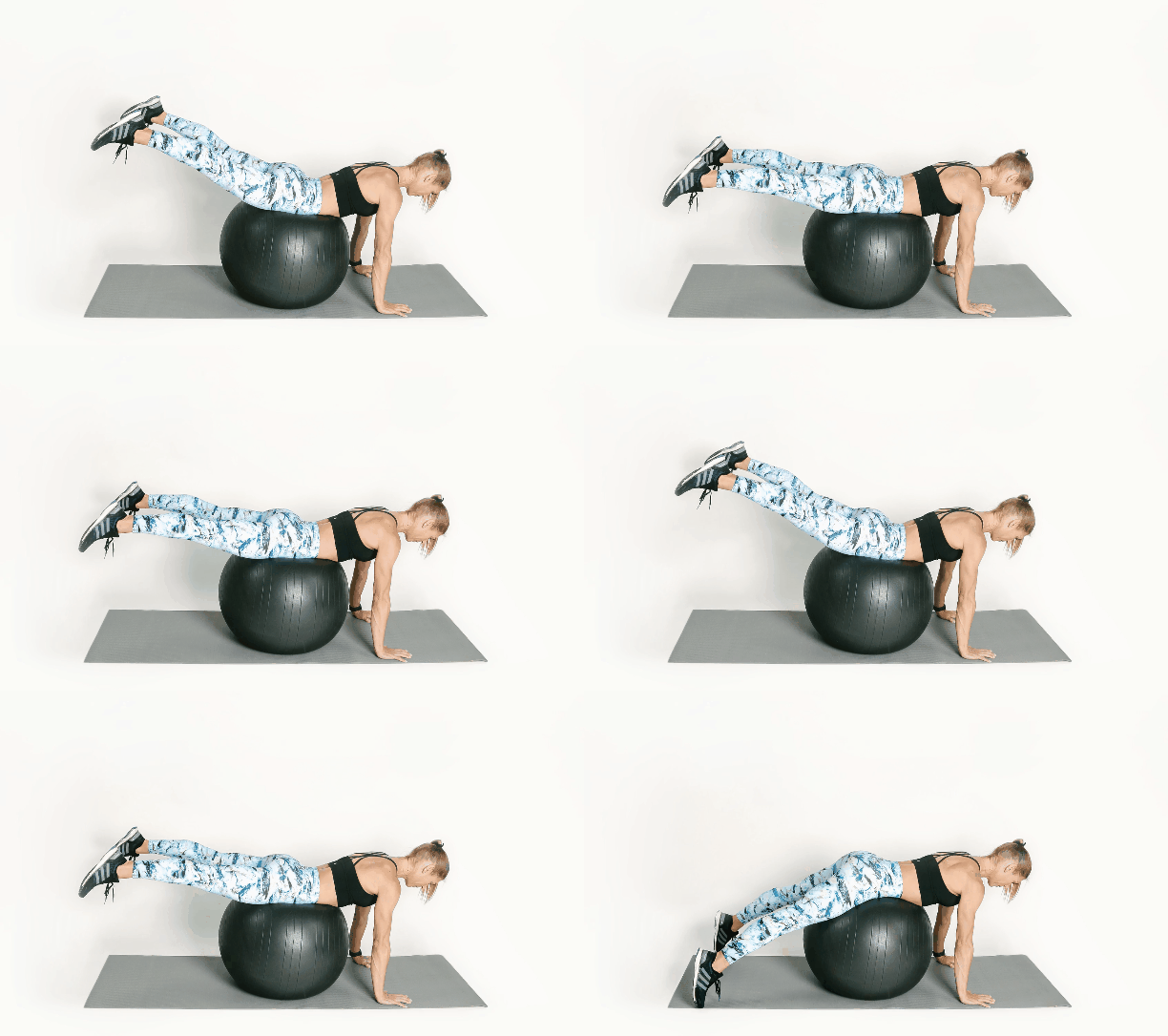
4. Ball Back Extension
Lie face down on a stable ball, with your hips on the ball, your hands placed on the floor, your shoulders on your wrists, your legs extended, and your toes pointing to the ground. While keeping your legs as extended as possible, use your hips and lower back to lift your legs until they align with your torso. Lower back to the starting position. Repeat 15 times.
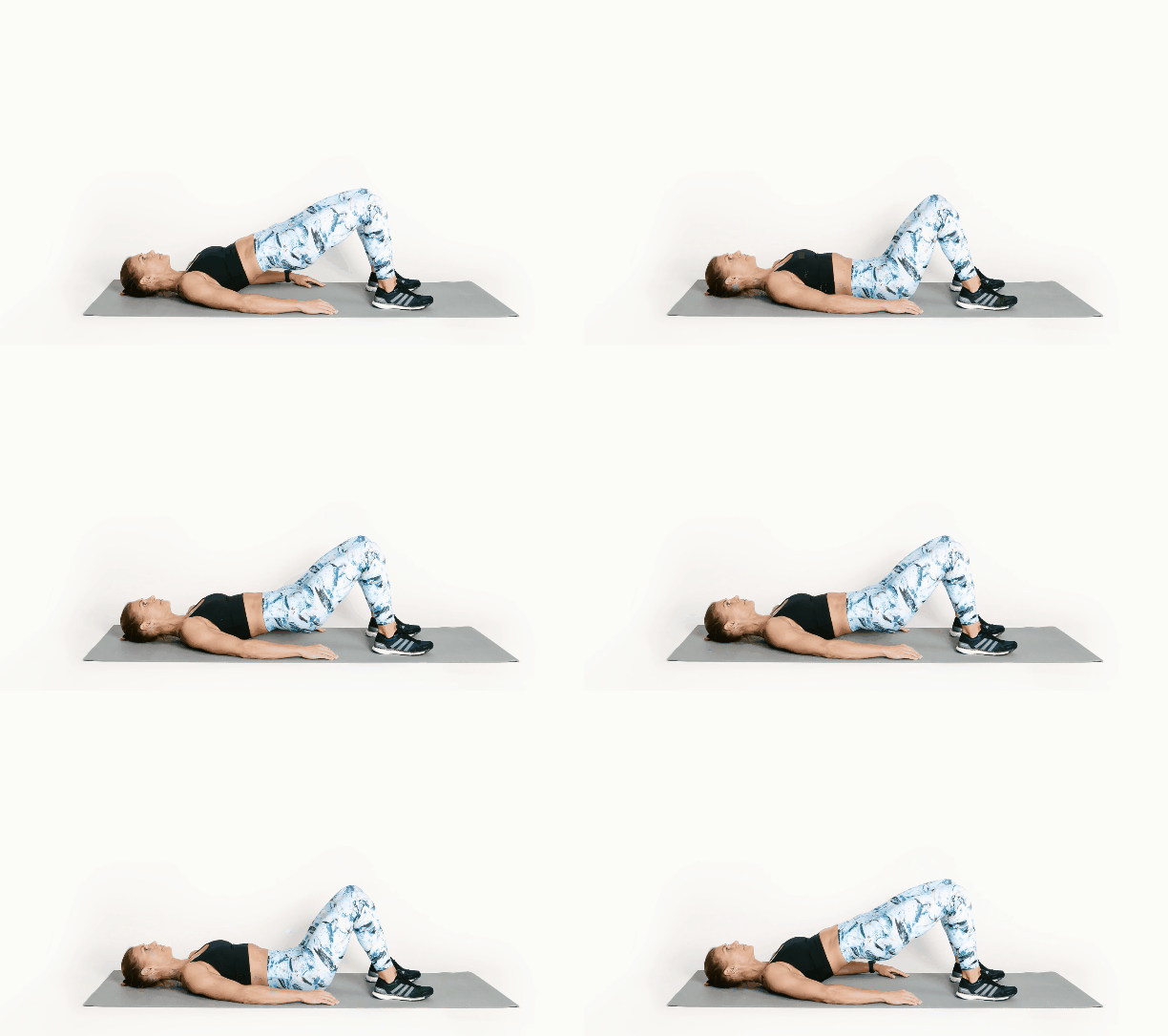
5. Bridge
Lie on your back on the floor, your knees bent, your feet flat on the floor, your arms placed on the sides. Squeeze your hips, lift your hips until your body forms a line from your shoulders to your knees. Pause for 3 seconds, then lower it back to the starting position. Repeat 15 times.
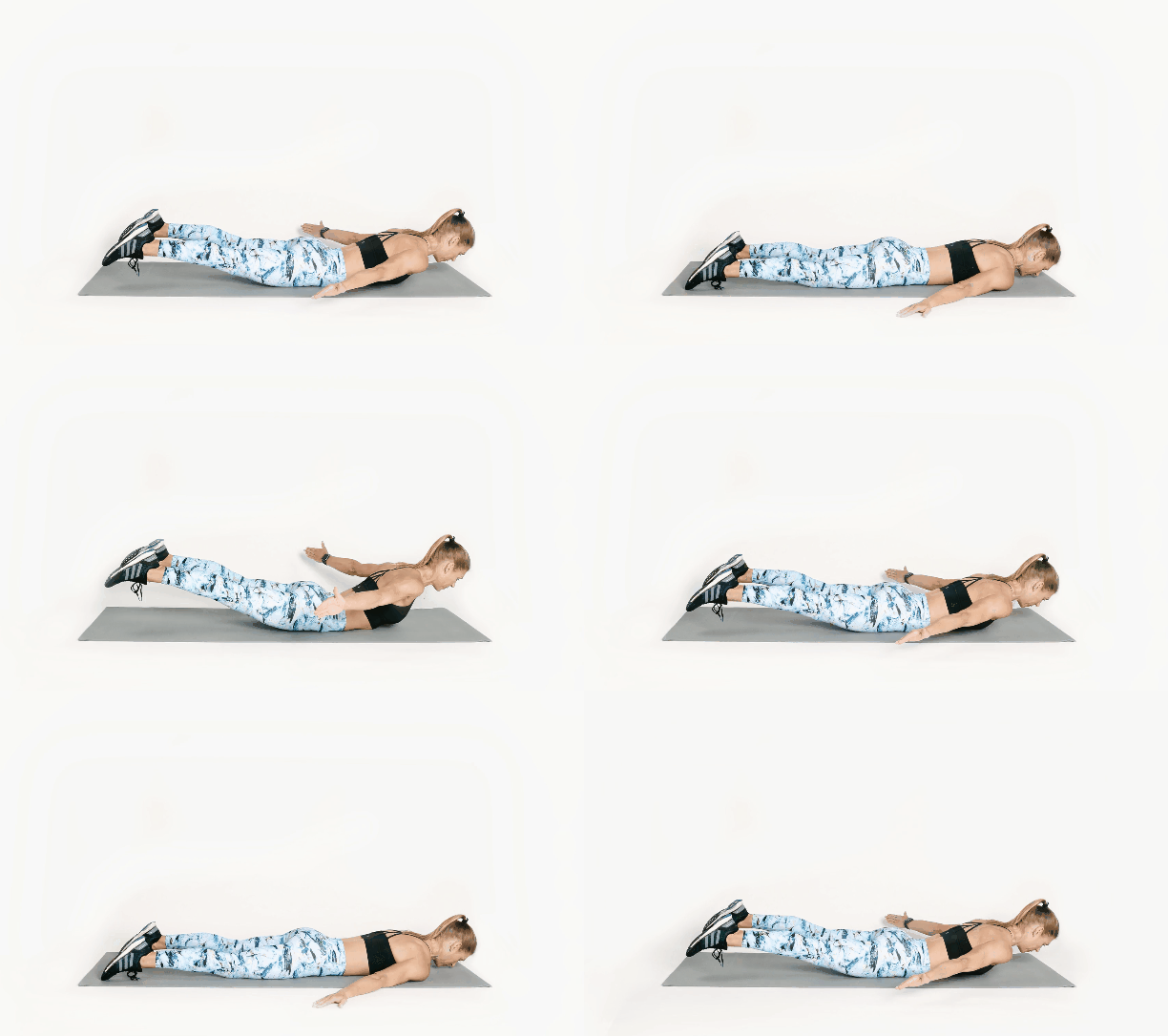
6. Dead Bug Pose
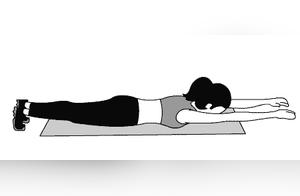
Lie on your back on a mat, your legs extended, your arms extended downwards, your hands down. When you raise your head, chest, arms, and legs, lift your body and rotate your arms, contract your hips and waist to make your thumbs point to the ceiling. Hold for 30 seconds, then lower
Summary
These actions help repair muscle spasms or discomfort in the lower back. Lower back pain is caused by things like heavy lifting, tense nerves, or arthritis.
Runners may experience lower back pain due to weak hip and glute muscles, which can cause the lower back to become tense during running.
Core exercises, stretching and aerobic exercise can help relieve lower back pain.
If you like, you can share it with your friends. Thank you for your support of a muscle.