3 Exercises to Sculpt Your Shoulders, Transforming Them into Muscle and Creating a V-Shaped Physique
As fitness continues to grow, more and more male fitness enthusiasts are participating. Most of these male fitness enthusiasts hope to develop a strong, V-shaped physique. Besides having enough muscle, the shape of the whole body is also crucial. You can only make the whole body meet the conditions of a V-shaped figure, plus the modification of muscle, to achieve a standard V-shaped figure. So, what is the most important part of the whole body? I believe everyone has already realized that, that is the shoulder.
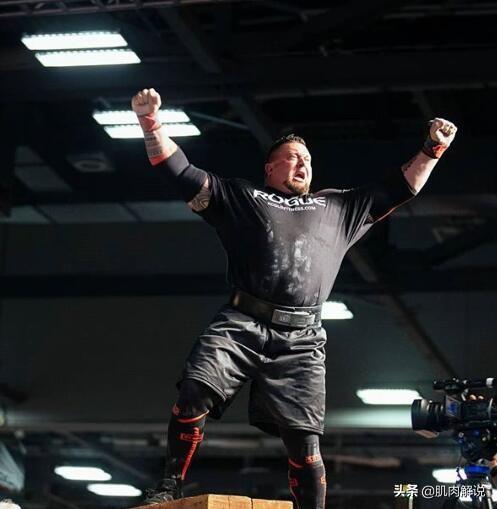
Increasing shoulder width will highlight the waist, thus naturally forming a V-shaped figure. However, not everyone is born with wide shoulders. Most people's shoulders remain within the normal range. As long as they increase the thickness of the shoulder muscles, they can make the shoulders wider and develop a V-shaped physique. There is a small part of people whose shoulder width is narrow, but these people can still change the shoulder width through hard work in the future. This effort is to train the deltoid muscle.
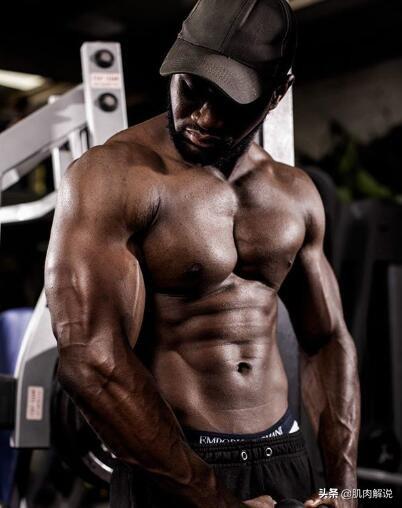
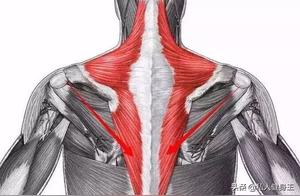
From the shoulder structure, although the deltoid muscle only occupies a small part, the visual impact of exercising the deltoid muscle is not to be underestimated. The shoulder has a wide range of movement, and the deltoid muscle near the shoulder also has a wide range of activity, unlike other muscles that can only exert force in one direction. Moreover, the deltoid muscle can be divided into three parts, and in the process of exercising it, we need to carry out various training actions to stimulate the deltoid muscle to achieve balanced growth and improve shoulder width.

During the exercise, we also need to make appropriate choices, fully train the deltoid muscle part that has a significant impact on the body shape, and reduce training for parts that have a small impact. In the whole deltoid muscle, the anterior deltoid muscle participates in more training in other fitness processes, so it is not well developed, so we can appropriately omit it; the medial deltoid muscle has a lower participation rate and directly determines the shoulder width, so we need to train it extensively; the posterior deltoid muscle has a very low participation rate, but to make the shoulder grow symmetrically, we also need to train it appropriately.
Next, let me recommend three training actions for the shoulder muscle group, and we should choose small weight and multiple times to train the shoulder muscle group as much as possible.
Action one: Rope Face Pull
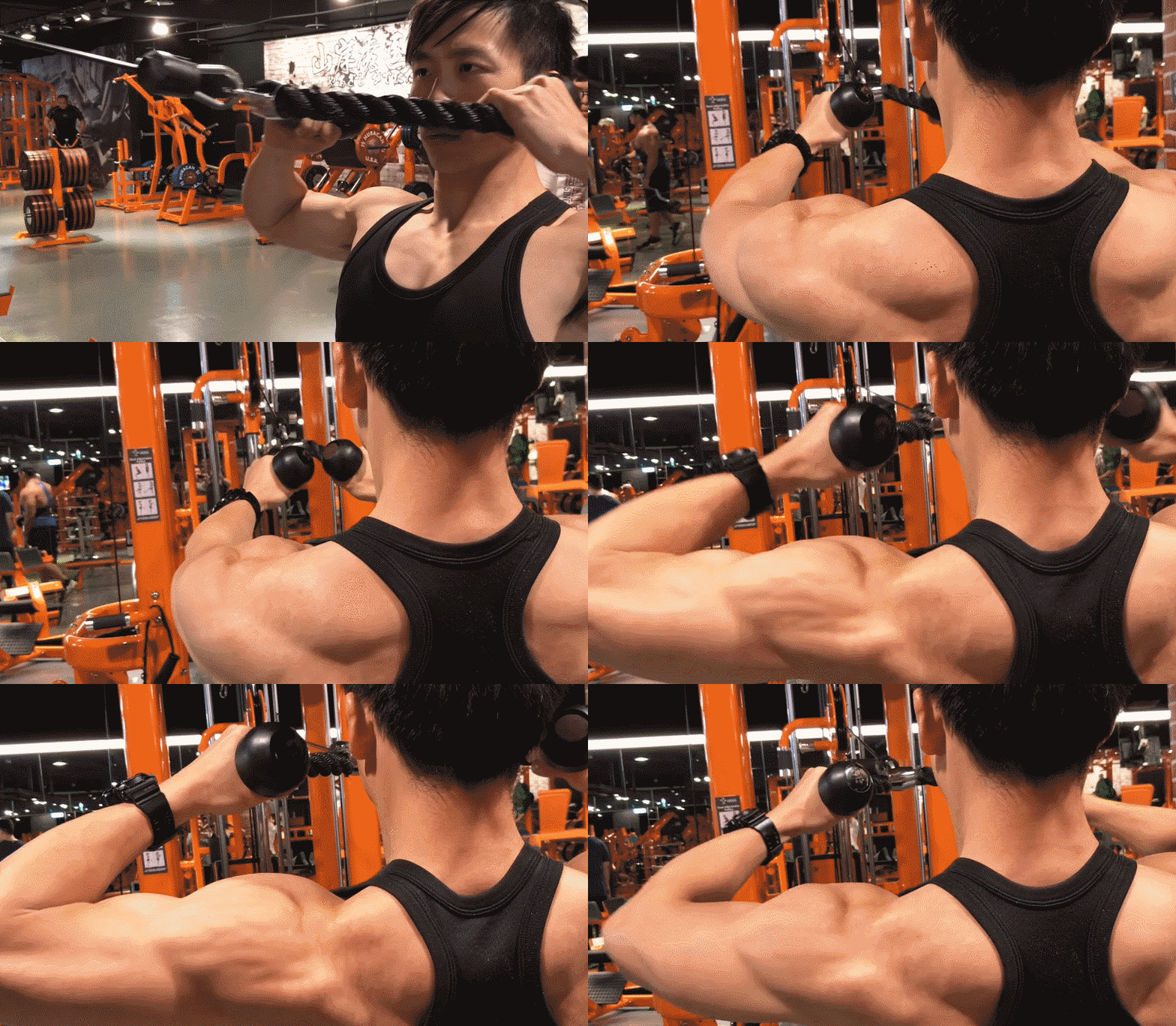
This action mainly stimulates the posterior deltoid muscle. First, spread your feet with the same width as your shoulders, straighten your back and tighten your core to stabilize your body. Raise your arms to the same level as your shoulders, and grip the rope handle. Then, with the force of the shoulder back, activate the trapezius muscle, and bend your elbows backward to pull the rope towards your face. When reaching the peak position, pause for a moment, and then slowly extend your arms back to return. If you cannot stabilize your body, you can use a sitting position for training, but pay attention to keep your back straight.
Action two: Barbell Plate Front Raise
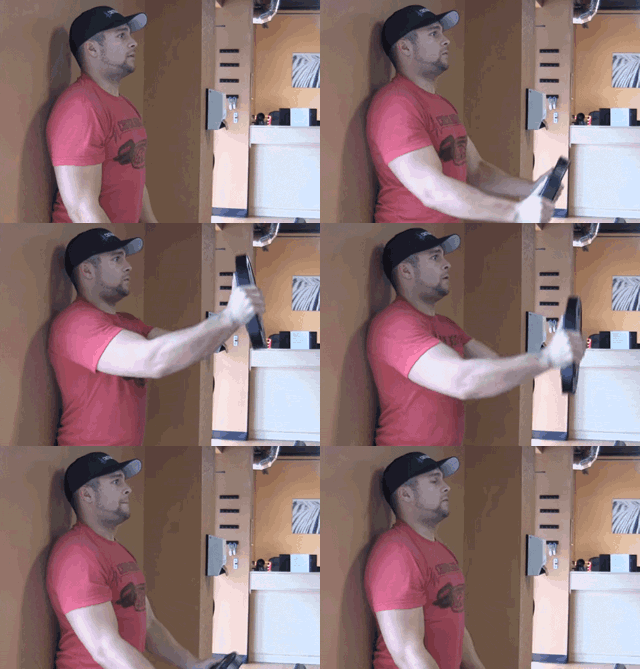
This action mainly exercises the anterior deltoid muscle. First, spread your feet to stabilize your body, straighten your back and tighten your core, then let your arms hang naturally and grip a barbell plate with a palms-facing slight elbow bend. Then, slowly extend your arms forward to raise the barbell plate, when your arms are parallel to the ground, pause for a moment, then slowly lower and return to repeat the training. If you cannot stabilize your body, you can train against a wall.
Action three: Dumbbell Side Raise
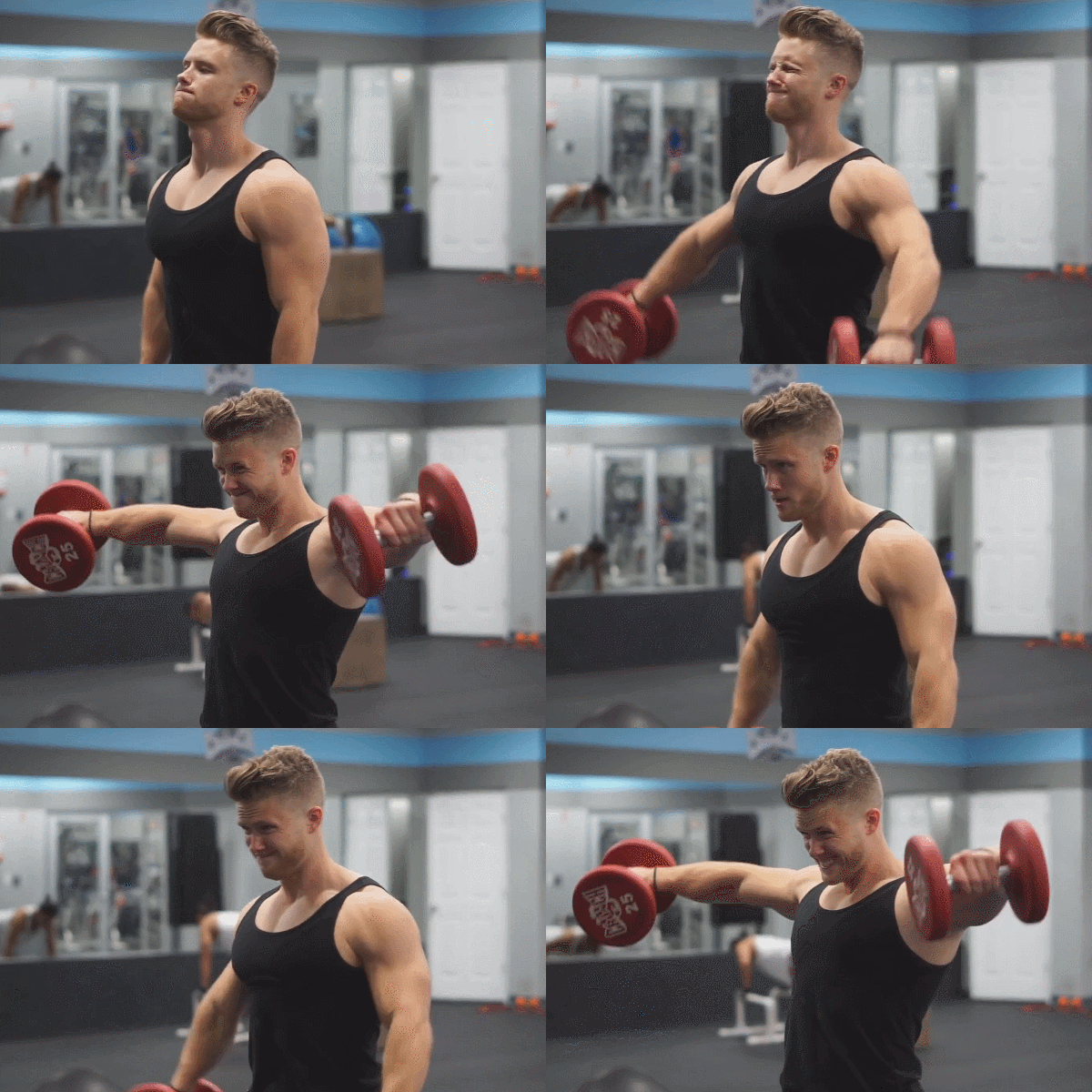
This action mainly stimulates the medial deltoid muscle, which is the golden training action to increase shoulder width. First, spread your feet with the same width as your shoulders to stabilize your body, straighten your back, tighten your core, and let your arms hang naturally with a dumbbell in each hand. Then, lower your shoulder joint, raise your arms on both sides, when your elbow joint is the same height as your shoulder, pause for a moment, fully stimulate the medial deltoid muscle, then slowly lower and return.
The above three actions cover the three parts of the deltoid muscle, but relying only on these three actions cannot make your shoulders wider, so you need to carry out other training actions to strengthen the training, prevent entering a bottleneck period. I'm glad to share my knowledge and techniques with you, I hope you can pay attention to my account, I will continue to publish fitness related content, I hope everyone likes, forward and comment.