Exercise, Fitness, and Nutrition #Three Energy Nutrients#Fatty Acids
Fat contains both enticing aromas that stimulate appetite and fatty acids that play crucial roles within the human body.
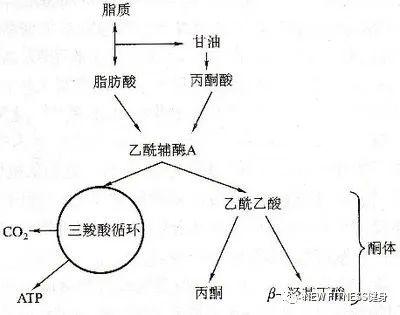
The Functions of Fat
- Providing Energy
- Forming Body Tissues
- Facilitating Physiological Biochemical Reactions
Fatty acids are diverse, broadly categorized into saturated and unsaturated fatty acids. Generally, saturated fatty acids are associated with the development of atherosclerosis, while unsaturated fatty acids can help prevent it. In reality, fatty acids in food consist of dozens of types, which participate in the formation of human tissue structures, participate in metabolic processes, and regulate human physiological biochemical reactions, all contributing to human health.
Classification of Fatty Acids

{ Saturated Fatty Acids }
Saturated fatty acids are composed of saturated fatty acids and glycerol. Unlike unsaturated fats, their chemical structure lacks double bonds between two carbon atoms, leading to saturation. Saturated fatty acids are divided into medium-chain and long-chain, with medium-chain saturated fatty acids (primarily oleic acid) having lower cardiovascular disease risks than long-chain saturated fatty acids but potentially higher diabetes risk.
{ Unsaturated Fatty Acids }
Unsaturated fatty acids contain at least one double bond in their fatty acid chains. They are more susceptible to oxidation, requiring antioxidants to prevent this. When they lose a pair of hydrogen atoms, they are classified as monounsaturated fatty acids. These do not increase cholesterol levels in the blood and are generally more beneficial. Their main sources include olive oil and rapeseed oil.
It is scientifically inaccurate to simply categorize fats as 'good' or 'bad.' For instance, cholesterol is often viewed negatively as a harmful substance, but it's essential for synthesizing bile, adrenal corticosteroids, sex hormones, and vitamin D – only in excess does it pose a risk to health.
Similarly, DHA (22:6 docosahexaenoic acid) and EPA (20:5 eicosapentaenoic acid) are considered beneficial for lowering blood lipids, but excessive intake also carries potential dangers. Therefore, a balanced and adequate intake of various fatty acids is crucial for optimal health. Achieving a balanced fatty acid intake primarily involves adjusting the proportions of saturated fatty acids, monounsaturated fatty acids, and polyunsaturated fatty acids.
Routes of Fatty Acid Intake

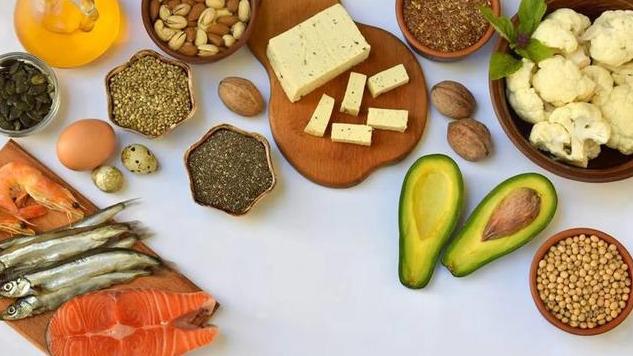
- Animal-Based Foods
Outside of fish, saturated fatty acids are abundant in animal-based foods.

- Plant Oils
Plant oils are primarily rich in unsaturated fatty acids.
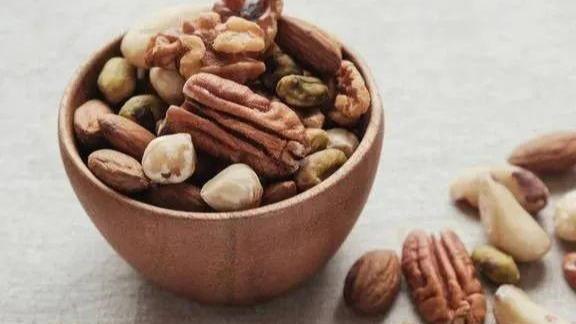
- Other Foods
This includes nuts (such as walnuts and peanuts), seeds (such as pumpkin seeds), and fatty fish, which contain EPA and DHA.
Summary
- The composition of fatty acids is relatively consistent in animal-based foods and other foods, while the proportion in plant oils can vary depending on the variety and amount consumed. Therefore, maintaining a balanced fatty acid intake can be achieved by adjusting plant oils.
- Plant oils are the main source of unsaturated fatty acids, but each type of plant oil has a unique composition and proportion. Consumers can alternate among different plant oils to ensure a diverse intake of fatty acids and proportions that meet the body's needs. However, alternating plant oils cannot accurately and quantitatively balance fatty acid intake.
- Currently, commercially available blended oils have been developed to meet the dietary habits of the Chinese population, combining several plant oils in specific proportions to better suit human needs. These blended oils, when combined with fats from other foods, provide a more optimal fatty acid profile for human health.
References: China Pharmacy Journal/2005/11/7/Page B06 Food and Nutrition Author: Xia Bing