Doing Yoga, These 3 Common Exercises Done Wrong, Be Careful of Waist Pain, Especially Pay Attention!
Practice yoga correctly is for health, and practicing it incorrectly can cause harm.
Today, we're sharing three common types of yoga poses that often lead to lower back pain, especially for beginners. It's crucial to pay attention to these.
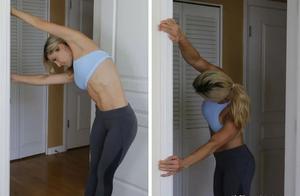
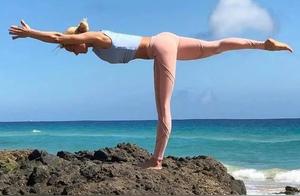
1Forward Bend Poses
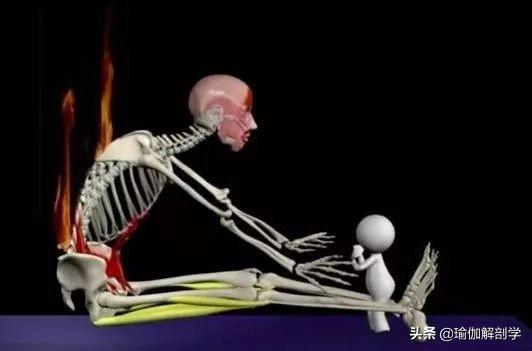
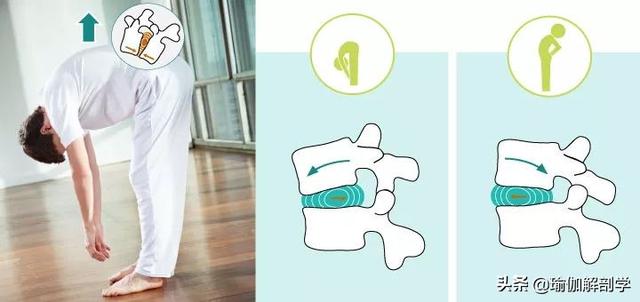
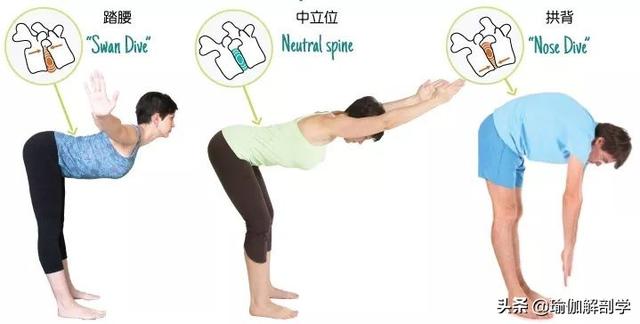
Whether standing or sitting in a forward bend, if you consistently arch your back, concentrating pressure on the vertebrae, it's easy to cause lower back pain and exacerbate lumbar muscle strain or herniated discs.
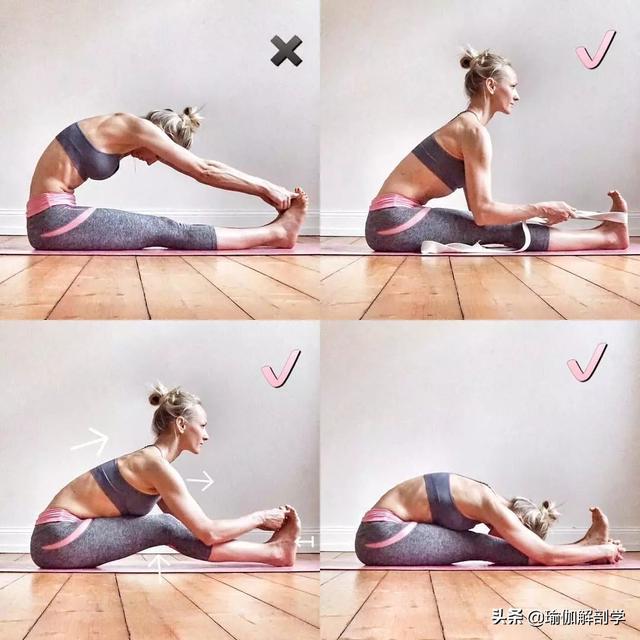
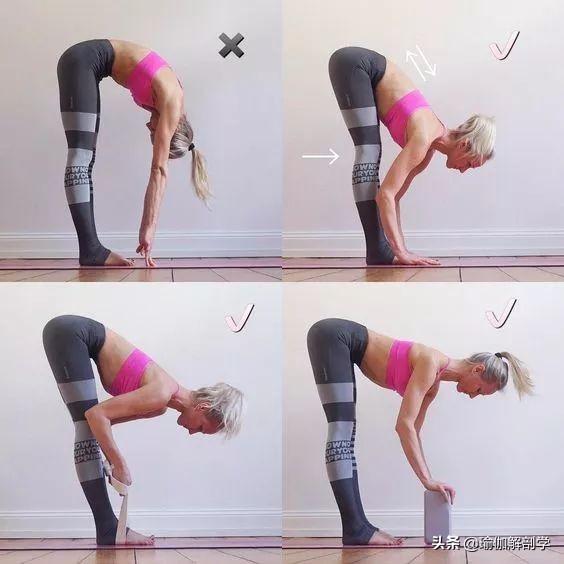
Therefore, when practicing forward bend poses, you must learn to rotate your pelvis forward and extend the spine.
During practice, try to maintain the normal curve of your spine. You can slightly bend your knees or use props to reduce the difficulty of the pose. Don't increase the range of motion by compensating with your spine.
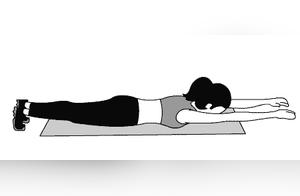
2Backbend Poses
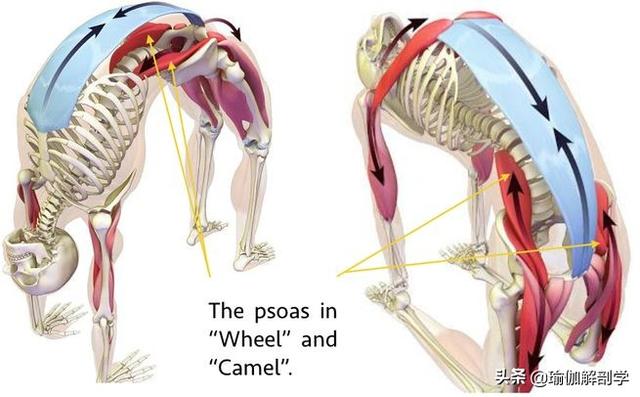
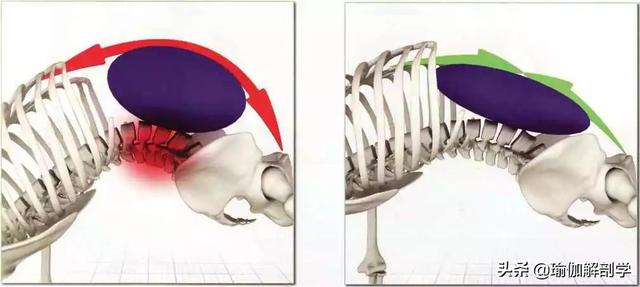
Generally, backbend poses have a healing effect on people with lower back pain, but if the method of back bending is incorrect
During practice, relax your abdomen and concentrate the pressure on the vertebrae, it will not achieve the effect of treating lower back pain, but will aggravate the lower back pain problem.
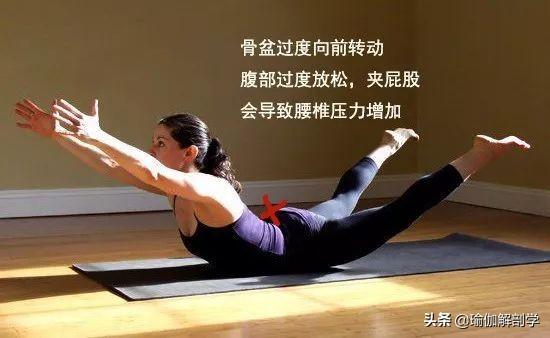
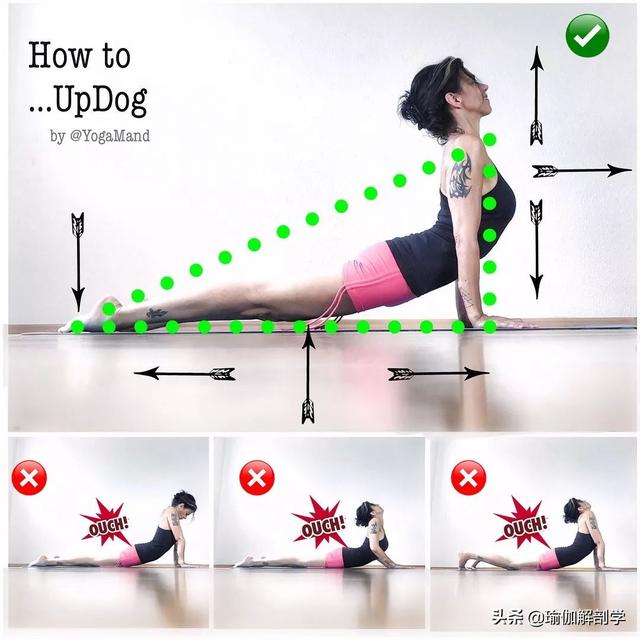
Therefore, when practicing backbend poses, people should first activate the core, start the deep muscles around the waist, maintain the correct intra-abdominal pressure, first protect the safety of the spine, and then in the middle of the pelvis and spine neutral position, perform the backbend.
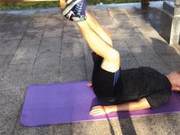
3Core Strengthening Poses
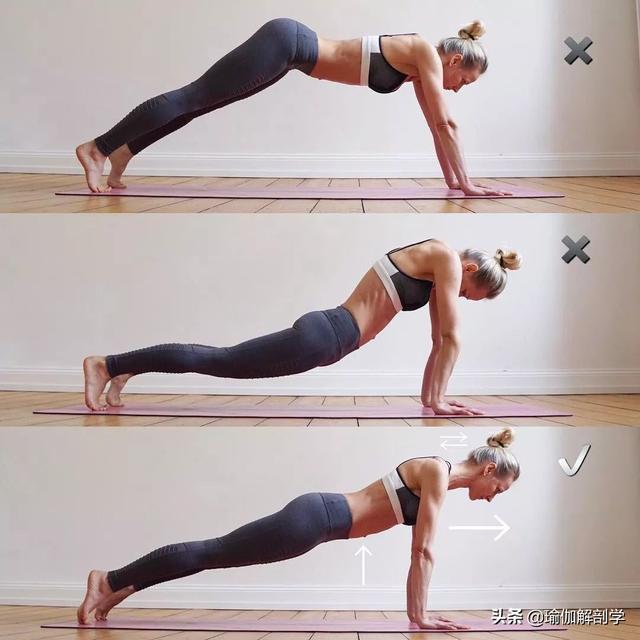
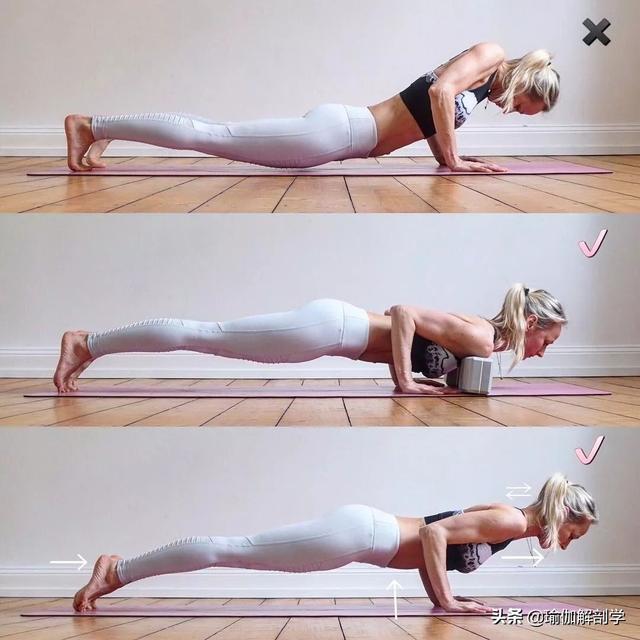
Practice yoga to strengthen the core poses is originally to strengthen the muscles around the waist, thus protecting the safety of the waist.
But if this type of pose is done incorrectly, during practice, hunching the waist, breathing errors, relaxing the abdomen, it will not strengthen the core, but will cause waist pain.
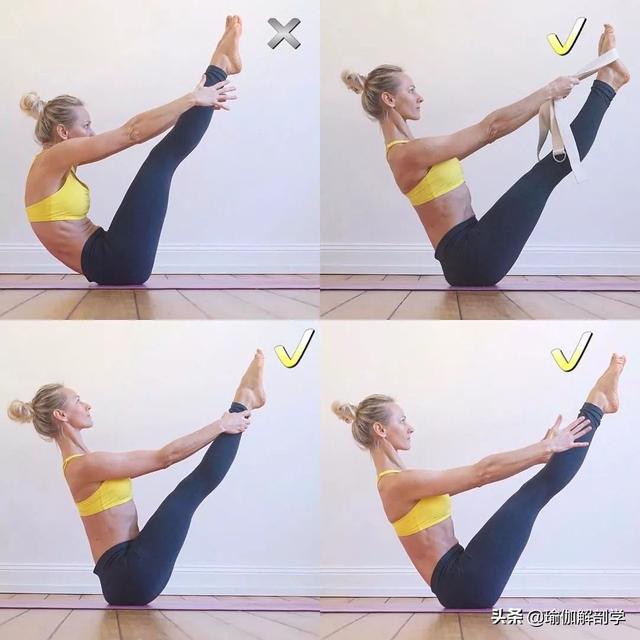
Therefore, when practicing core strengthening poses, people must first adjust their breathing, exhale when the abdomen touches the spine as much as possible, and find the feeling of activating the abdomen, and then practice.
During practice, you must try to maintain the neutral position of the spine and pelvis, avoid spinal flexion, and concentrate all the pressure on the spine.