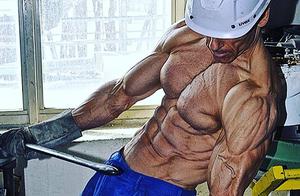
Everyone Else Has Chest Muscles, Why Aren't You Using the Dragon Gate Frame to Train Yours? Let Me Teach You!
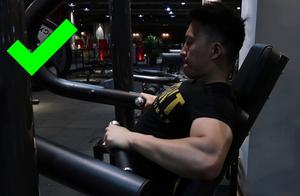
The dragon gate frame is a familiar sight for 80% of fitness enthusiasts. Its usage is very high, almost all muscles are involved in this fixed equipment, regardless of which muscle dominates in front of it, everyone will have a proud chest. It has a very good effect on growing and shaping chest muscles.
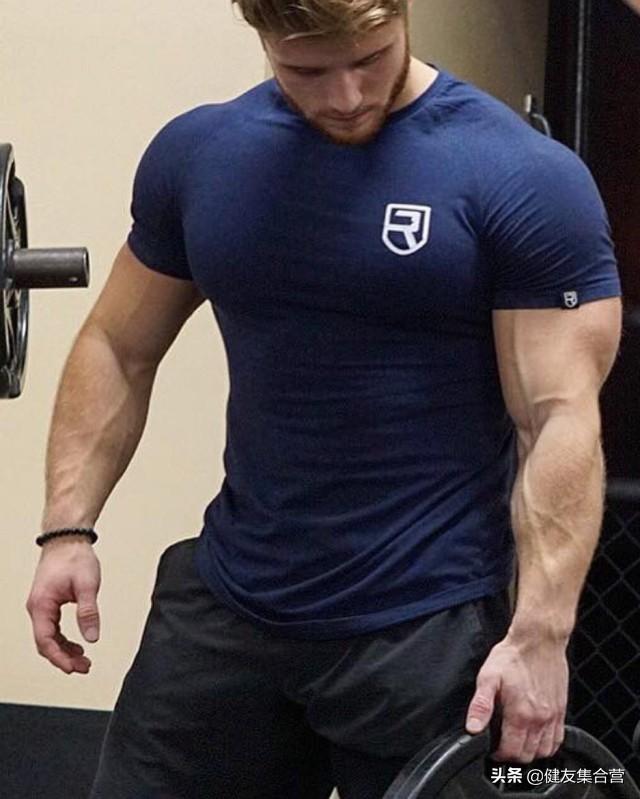
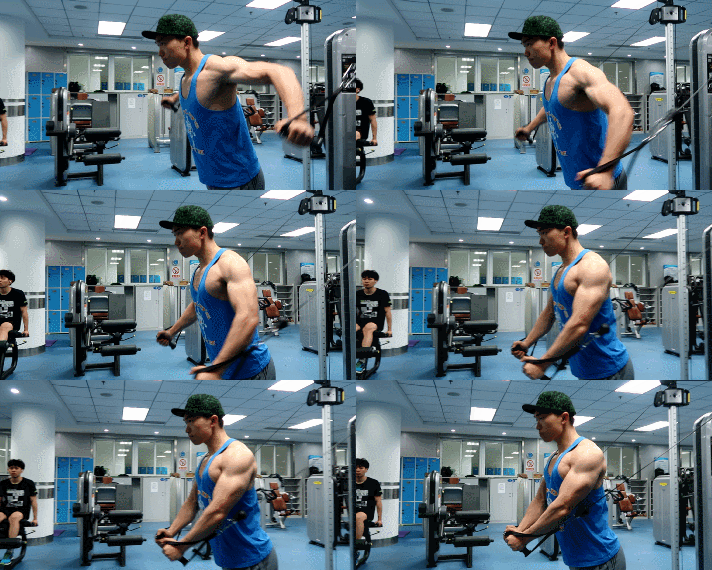
Today we're introducing a variation of the dragon gate frame chest press –Down-angle rope chest pressIt's an isolation exercise, with no involvement of the anterior deltoid and triceps brachii, resulting in stronger chest stimulation and more obvious pump sensation.
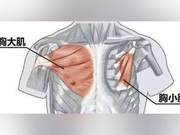
The primary muscle targeted is the lower portion of the chest muscles, making the chest contour more defined. Traditionally, broad, thick, and full chest muscles were considered ideal, but now building a three-dimensional chest is the mainstream trend in fitness. This movement excels infoot placement, body tilt, and rope heightall aspects, and there are differences in their impact on chest muscle stimulation.Below, let's analyze the details of this movementThe purpose of the down-angle rope chest pressThis movement will greatly enhance the feel of chest training,

using both feet and a bench to perform point and surface combination, providing support and reducing momentum, allowing you to learn how to avoid inertia during training, which will
effectively improve chest muscle exercise resultsThe technique of the down-angle rope chest pressFirst, adjust the angle of the bench (the trainer can adjust it according to their needs),the rope pulley position should be at the level where the trainer stands up and their eyes are parallel or slightly higher,

Then, press the lower part of the chest tightly against the surface of the bench, with feet apart and the entire body supported to maintain stability. Ready to begin your chest press exercise – the sensation will be different.
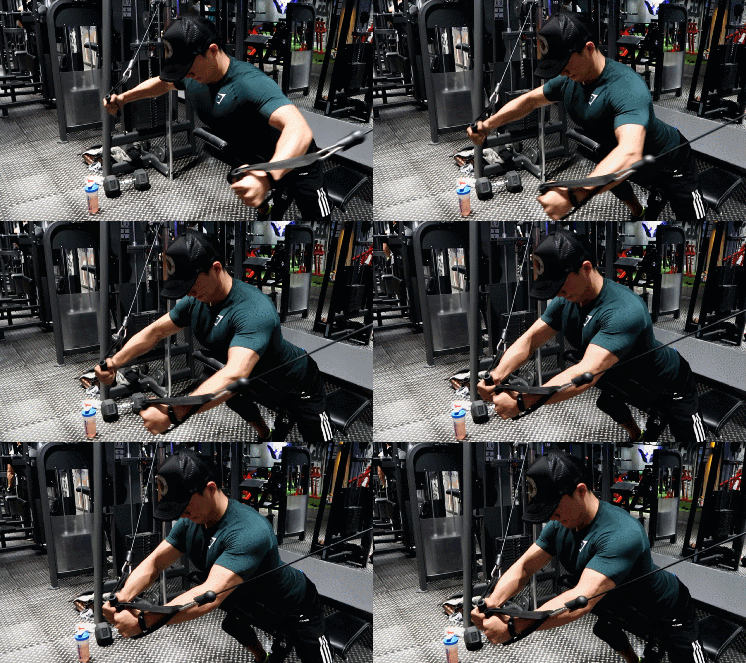
Common mistakes in the down-angle rope chest pressFirst mistake: leaning forward during chest pressIn this training, fitness enthusiasts often unconsciously push their shoulders forward during the exercise, leading to excessive involvement of the shoulder muscles and back muscles, reducing chest muscle stimulation and
causing the trainer to feel weak chest muscle effort,
or no sensation, so the correct approach is to keep the shoulder blades down and stable while pressing the chest out, then performing the chest press, which will allow for good chest contraction.
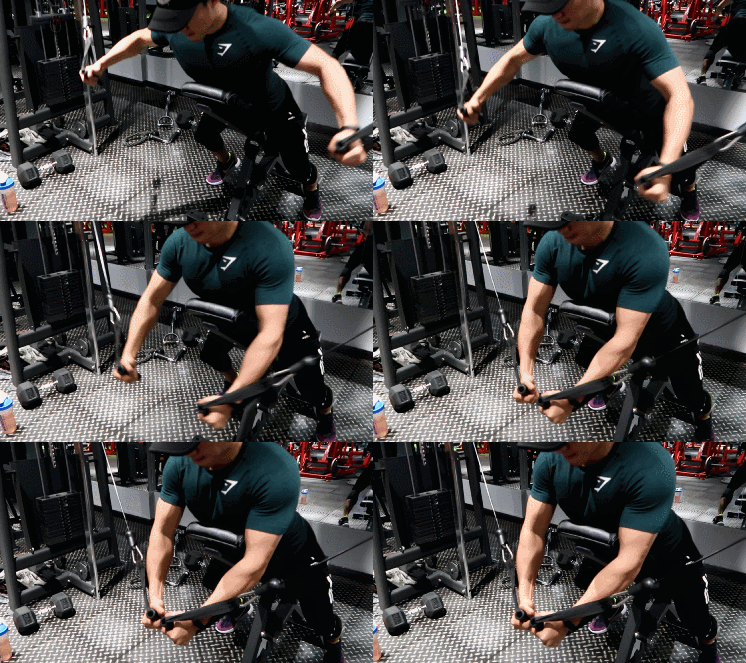
Second mistake: insufficient chest stretchDuring the training, trainers often do half-way or too quickly, which will cause the muscle fibers to not be stretched to the maximum extent, leading to a smaller range of damage to the small muscle fibers within the muscle, and the muscle will not grow significantly. Therefore, during training, you must fully stretch the chest before contraction.Third mistake: pay attention to the angle of the chest press
When doing down-angle chest press, pay attention to the angle between the arms and the torso. If you exercise the lower portion of the chest muscles, the angle should be slightly smaller. If you increase the angle between them, it will
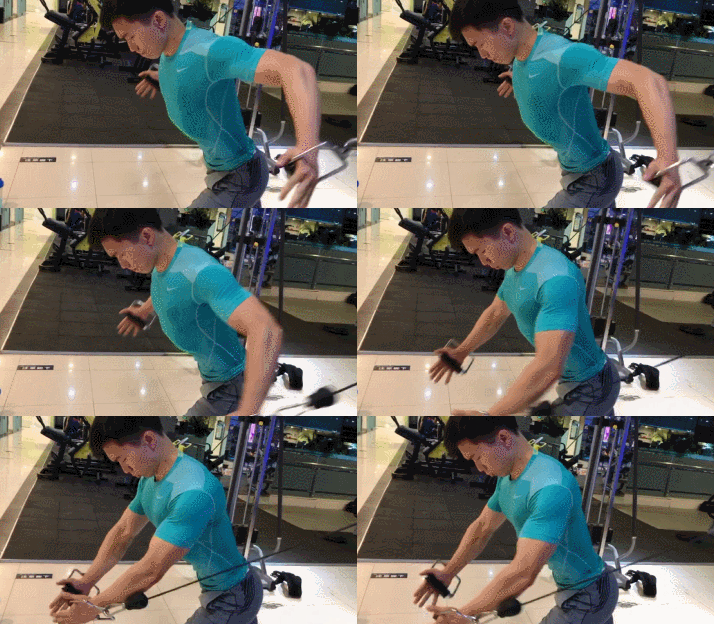
increase the stimulation of the upper chest muscles, contrary to our exercise goals.
If you want to train the chest muscles from multiple angles, you can change the angle between them during training to obtain different stimulation.
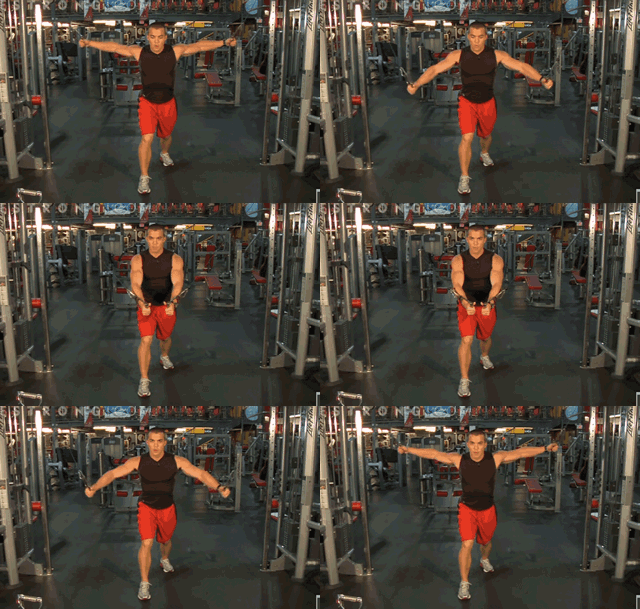
Fourth mistake: don't be greedy with weightMany fitness enthusiasts believe that as long as you increase the training weight, it will better promote muscle growth. In fact, this is not the case. If we focus on weight, we will ignore the correct mastery of the movement, and the effect of mental training will be lost, leading to suboptimal training results. Therefore, in training, we should use a lighter weight to ensure the correctness of the movement.