Detailed Explanation of Classic Exercise ‘Face Pull’
If someone asks me what Face Pull is really about, I'd tell you: it depends on how you do it. There's a lot of nuance in the details, and the same exercise can stimulate different muscles depending on how you approach it. Today, let's use Face Pull as an example to discuss the variations and the muscles they target. I'll say, 'it depends on what you want to target.'
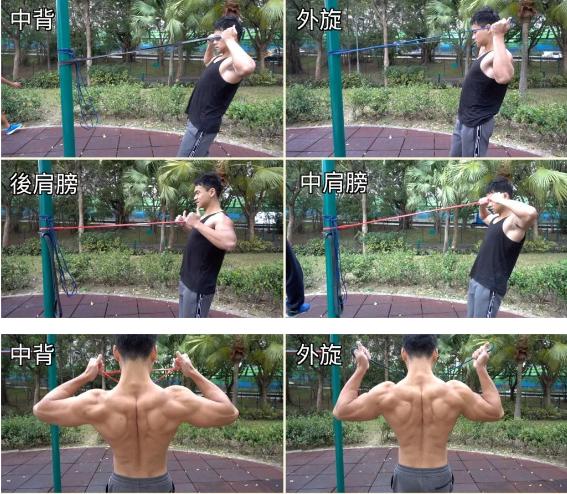
Mid-back
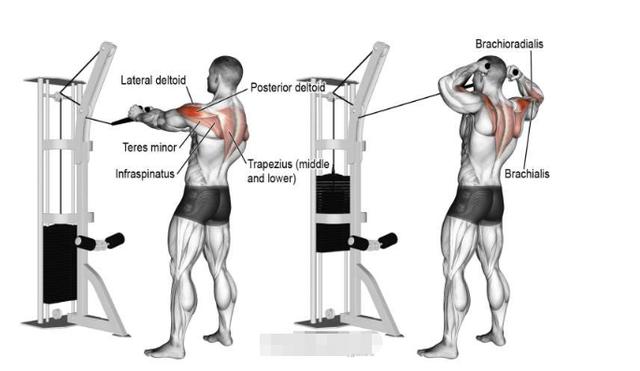
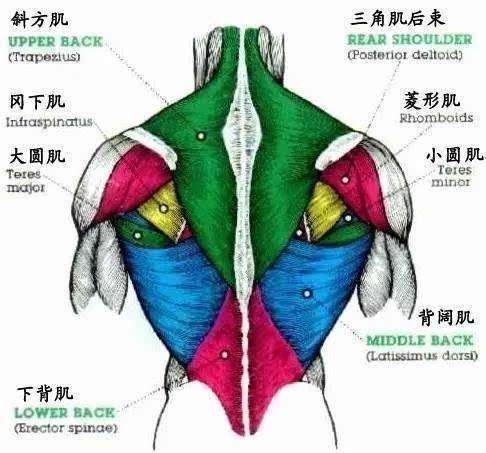
First, if I wanted to target the mid-back, rhomboids, and upper portion of the trapezoid muscles, I would do the following: I'd adjust the weight to be mid-to-heavy, around 8-15RM. Throughout the exercise, I'd focus on the movement of the shoulder blades or shoulders.
From a shoulder position, you can see:
- When relaxed, my whole shoulder is pulled over. The shoulder blades protract (move forward);
- Then, as you pull it over, I'd focus on the shoulders moving back, the shoulder blades retracting (drawing in).
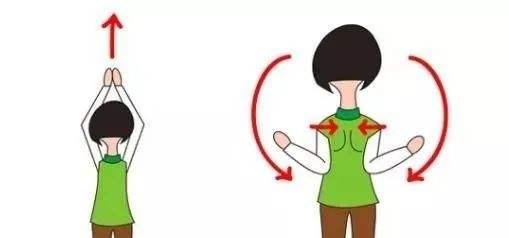
The technique is similar to doing seated rows. As for the forearm pronation or supination, it's not as important. If you want to do it heavier, external rotation is not possible because it won't generate as much force. The main focus is on the movement of the shoulders to create the tightest squeeze; this is how you target the mid-back.
Shoulder External Rotation
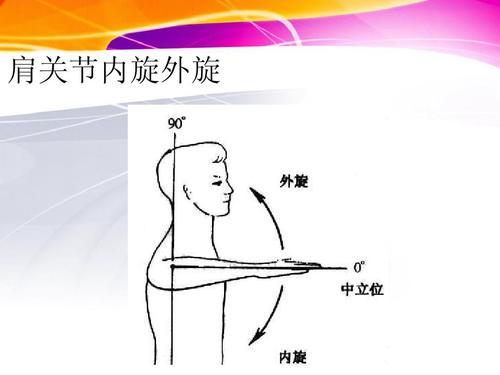
Second, if I wanted to target the shoulder external rotation muscles, or address shoulder rounding (kyphosis), my approach would first use a resistance band or cable machine, focusing on the external rotation of the hands – that is, as you pull it over, my hands' thumbs approximately point to the trapezoid. Always remember to keep the shoulders down. Due to the small force of external rotation, don't expect to be able to do it with very heavy weights. We'll use lighter weights to aim for 12-15RM.
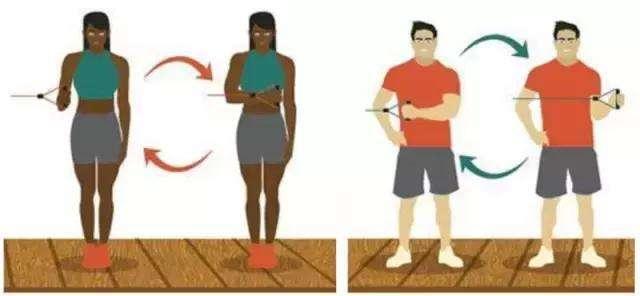
Quality External Rotation, quality means not just speed, but also a slow and controlled movement, including your fingers. Your elbows should also try to move outwards. If you're using a cable machine with two ropes, it's more suitable because one rope may be too short to allow your movement range. If your gym doesn't have two, try using one hand. Remember, this exercise is not about heavy weights, so don't force it. This is a common technique, and I've mentioned it in my previous explanations about kyphosis and the shoulder girdle.
Shoulder Retraction
Third, if anyone wants to target the posterior shoulder (rear delt) with Face Pulls, here are some things to keep in mind. First, you can slightly increase the weight; it can be slightly heavier than the weight used to target the mid-back. Pay attention to this:
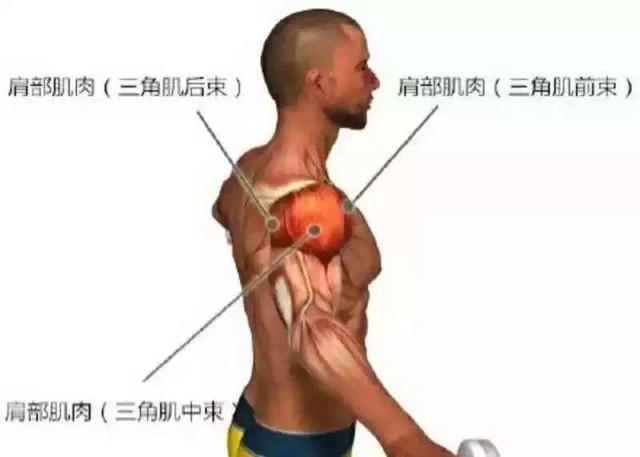
The height of your elbows affects the entire movement's impact on the rear shoulder. If you want to target the rear shoulder: the movement of the shoulders' front and back, the shoulder blades protraction or retraction are not the focus, but rather to keep them fixed, as if you were doing a wide-grip pull-through. At the peak, feel the contraction of the rear deltoids. Then, slowly release, trying to minimize the involvement of the back muscles, utilizing the rear deltoids to generate force, to feel the rear delts working.
Shoulder Mid-Bundle
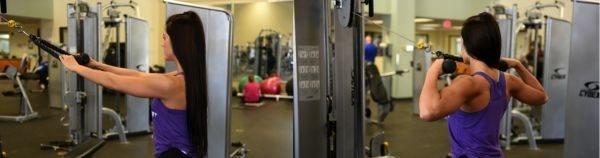
If I wanted to target the entire shoulder (mid-shoulder) position, my movements would become more like a vertical pull-through. Pay attention to the height of your elbows. My hands don't intentionally rotate outwards. Some people deliberately rotate inwards here. I don't go into detail about this, but if you look at the movements that target the mid-shoulder and rear-shoulder, they have slight differences. However, we feel the difference in the location of the feeling. Such a practice is not particularly recommended, but it is a common practice.
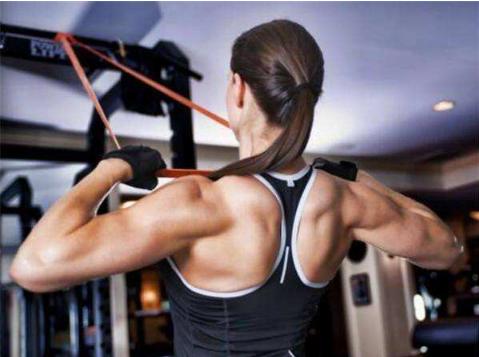
Why don't I specifically recommend it? Because any movement that resembles a vertical pull-through, when done, should be done with caution, as it's prone to shoulder injury or overuse. If you have an injured shoulder, try to avoid this exercise. If you are an advanced person, using some control techniques to avoid the pain is also a possible approach. Most importantly, you should understand your body and injuries, and understand the details of each exercise, and avoid dangerous exercises.