Oil-Free Cooking is Not a Health Guarantee! The 4 Major Benefits of Consuming Good Fats You Shouldn't Miss
To maintain a good figure, adhering to dietary control is certainly a good practice, but if done incorrectly, it can be counterproductive! A popular internet celebrity shared their experience of eating 'water-cooked meals' every day, claiming that sustained consumption for several weeks would yield weight loss results.
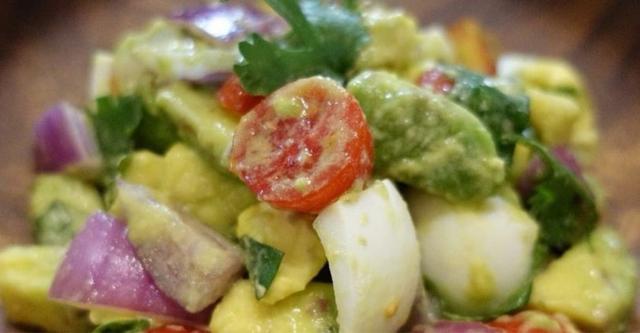
Eating without oil is a health warning.
Singer Cai Yilin was once a fan of oil-free diets. To maintain her slender figure, she insisted that all her food be rinsed with water before consumption, and almost avoided oil, salt, and sugar. This strict dietary control lasted for 9 years, leading to amenorrhea and almost developing anorexia.
Excessively extreme weight loss methods can be a health warning. Furthermore, the human body requires certain functions to rely on fats, therefore, appropriate intake of fats is necessary to maintain health.
Consuming good fats can help the body absorb fat-soluble vitamins A, D, E, and K, and generate body fat to protect internal organs. It can also maintain normal nerve and skin function.
Taking the widely recognized and healthy 'Mediterranean diet' as an example, it emphasizes olive oil as the primary source of fats. The 4 key nutrients and benefits of olive oil:
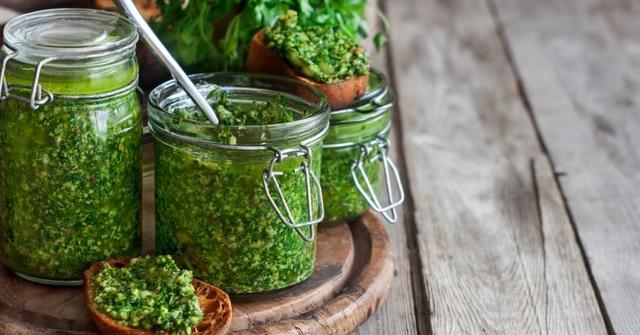
1. Olive polyphenol Anti-inflammatory
Olive oil contains 30+ rich olive polyphenol, which is an excellent antioxidant, helping the human body have good anti-inflammatory effects.
2. Vitamin E Removes free radicals
Olive oil has high levels of α-tocopherol vitamin E, which has the function of removing free radicals, protecting fat-soluble tissues such as blood vessels and cell membranes; it can also prevent lipophilic substances (such as low-density lipoproteins, structural fatty acids) from being oxidized and causing harm to the body.
3. Monounsaturated fatty acids Prevention of cardiovascular disease
Olive oil contains monounsaturated fatty acids, which can help increase good cholesterol (high-density lipoprotein, HDL), and reduce bad cholesterol (low-density lipoprotein, LDL), lowering the risk of cardiovascular disease.
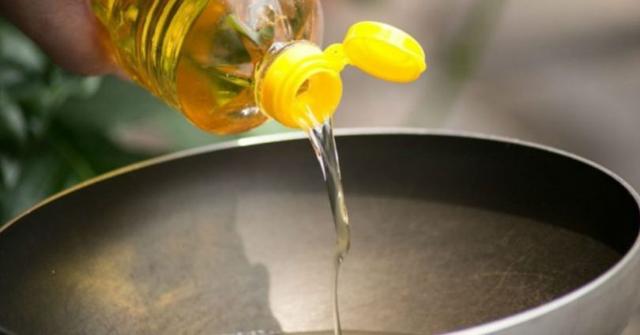
4. Plant sterols Reduce cholesterol absorption in the human body
Olive oil contains plant sterols, primarily β-sitosterol. Plant sterols are structurally similar to cholesterol and can compete with cholesterol absorbed by the human body. Cholesterol that is not absorbed by the human body will be excreted from the body through feces.