Developing a Leg Training Plan is Very Necessary, What Should Be Noticed When Developing a Plan?
It's most scary in the gym is muscle regression, after so hard to build muscle, as a result, muscle slowly disappeared. Leg training is also the same. It's not just because you always do squats to solve the problem, you need to adjust your training plan, only in this way can muscles explore progress. If you don't learn to adjust, the muscle may slowly disappear.

Formulating a leg training plan is necessary, so what should be paid attention to when formulating a leg training plan? The first is the training frequency, we should set a training frequency for ourselves, such as one to two times per week, and then practice. At the same time, we should also give ourselves a rest duration, the rest duration doesn't need to be too much, but we should give ourselves a certain recovery time. If we gasp for breath immediately, it will affect the next performance. In the entire training plan, we can arrange the exercises in the order of muscles, don't choose too many, too many will make us difficult to complete, just start with simple basic exercises.
First: Hamstring Curl
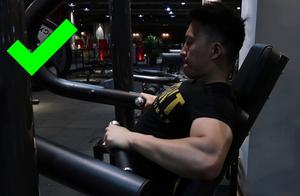
The hamstring curl is an action that stimulates the hamstring, which has always been an underrated action. Starting with hamstring curl can put more pressure on the hamstrings, at the same time it will make our training more meaningful. Many people are doing exercises with the quadriceps as the main, but if the hamstrings are not full, it will make our legs look disharmonious.
The reason why we put the hamstring curl at the beginning is to make our muscles feel stronger pumping sensation. Because when we start to practice, the hamstrings are already in tension, and after practicing squats, our actions will become more smooth, although it sounds a bit vague, but from leg raise to squat, you will find that this series of training will make your movements easier, and your movements will become more standardized, which can quickly increase the thickness of the hamstrings, at the same time it can also improve muscle strength.
Second: Squat
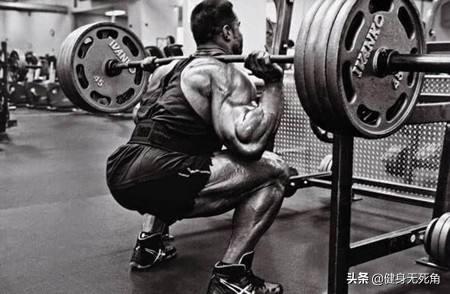
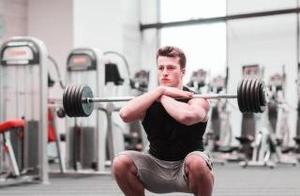
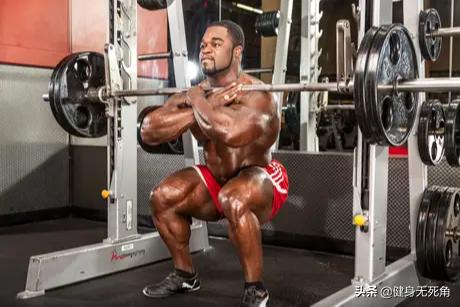
For training big leg muscles, I don't think any action is better than squats, although other actions have many benefits, but the squat action is always the king action of leg training. In fact, when practicing squats, you can constantly change the depth of squats, you can squat to the level of the thigh and the ground, at the same time you can also get closer to the ground. Through different actions to let our legs accept stimulation, at the same time you can also change posture, wider stance squats can strengthen the flexibility of the glutes while changing. While squatting, you can also use the barbell, through different barbells, in different ways to mobilize muscle fibers.
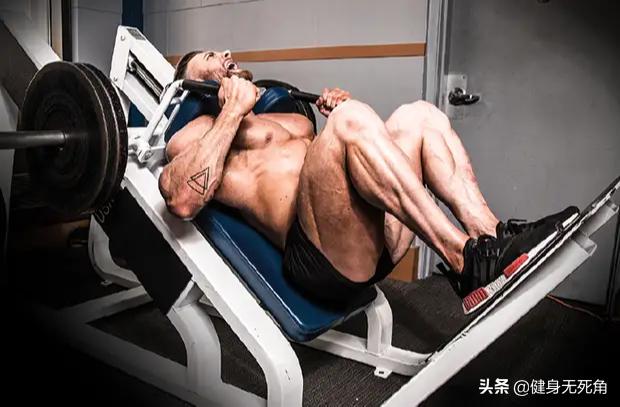
In fact, the third action in the training plan is relatively painful, our goal is to make legs bigger, so we can't give up halfway through the training, if we want to be different, we must put sweat and hardship. And now after doing these actions, the legs will be completely injected with blood, at this time we need to do some deadlifts to stretch the hamstrings. We can practice push presses, push presses can be completed more conveniently through equipment, mainly through the inner thigh muscle to exert force. At the same time, the legs should not be completely locked, in the process of exercise, we can do some simple stretches, so that the legs will not be completely injected with blood.
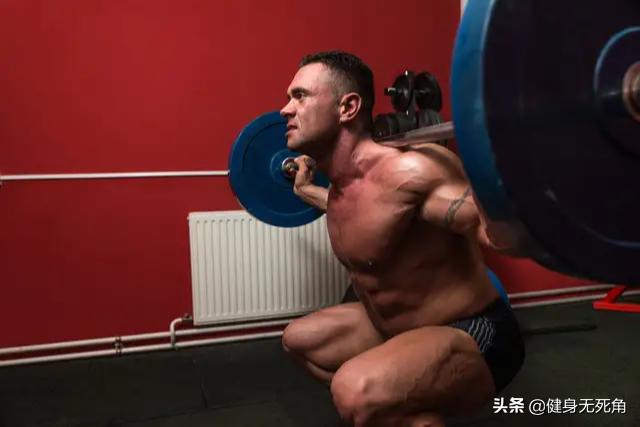
When we finish these actions, we will find that our training results are very obvious, and the process of showing the training results will give us a sense of joy. In the entire training, we must maintain an effective order, find a way to exercise that suits us, only in this way can there be transformation. Because everyone's physical fitness is different, so we can accept the degree of training is also different, we can't adjust our training plan according to other people's training methods, this is not possible, if we really don't have a grasp of it, we can find a professional person to guide the exercise.