4 Common Mistakes in Downward-Facing Dog Yoga – Are You Doing Them Right?
Downward-Facing Dog(Adho Mukha Svanasana Viniyasa
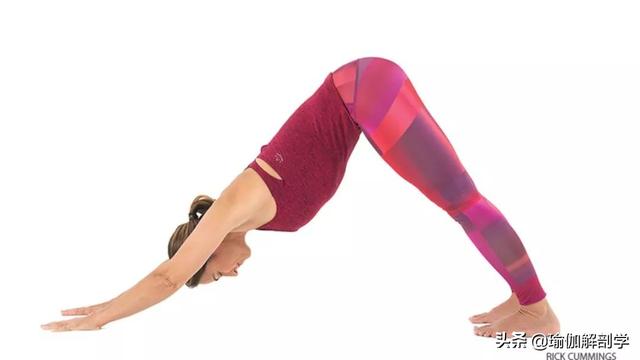
Downward-Facing Dog appears simple, but mastering it is not easy. For example, 90% of students will encounter the following four mistakes during practice.
Check yourself now!
↓ ↓ ↓
1Hand Position
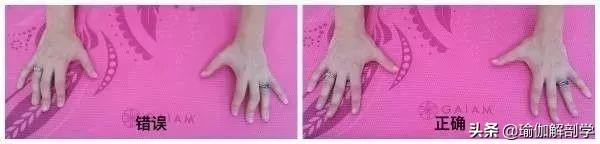
Many students lack sufficient tension in their hands when practicing Downward-Facing Dog, and their heels always drop, which puts pressure on their wrists and joints, causing joint pain. Therefore, the hand position is important when practicing Downward-Facing Dog.
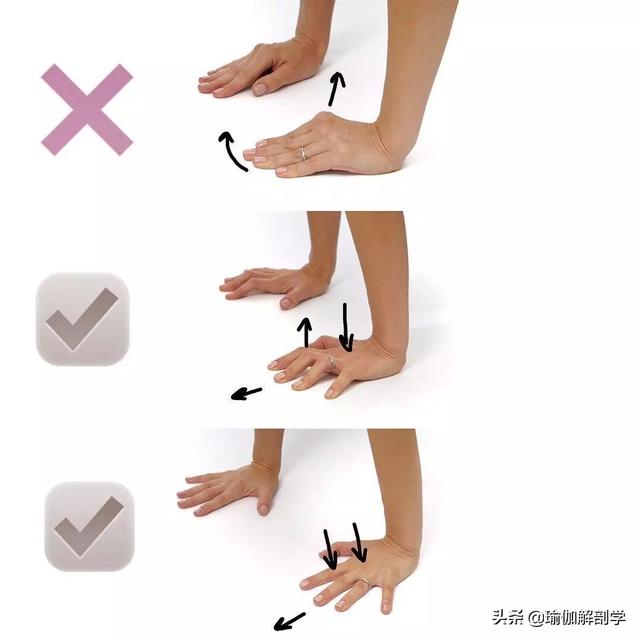
In Downward-Facing Dog, try to spread your hands as much as possible with your fingers together, keeping your heels on the ground, with your middle finger pointing straight ahead and your thumb as close to the midline as possible.
2Joint Overextension
These two areas are prone to overextension during practice.
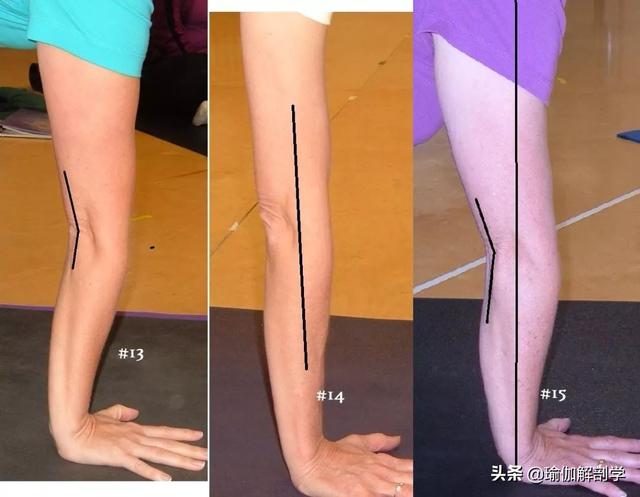
For students who often unconsciously overextend their elbows, they will also unconsciously overextend them in support postures. Therefore, during practice, you can try to slightly bend your elbows while paying attention to your hand position. When the hand roots are stable, the arm position will naturally improve.
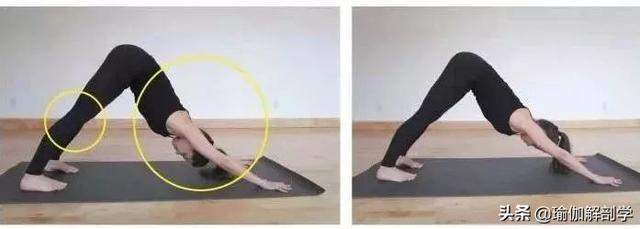
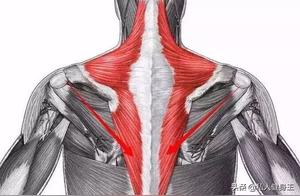
Secondly, flexible students will unconsciously squeeze their shoulders, causing their chest to drop excessively and their ribs to protrude, which puts enormous pressure on the shoulder joints and makes the posture unstable.
Therefore, when practicing shoulder joint stretching postures, you should pay attention to retract your ribs and arms to keep your shoulder joint in a neutral position.
3Neck Tension
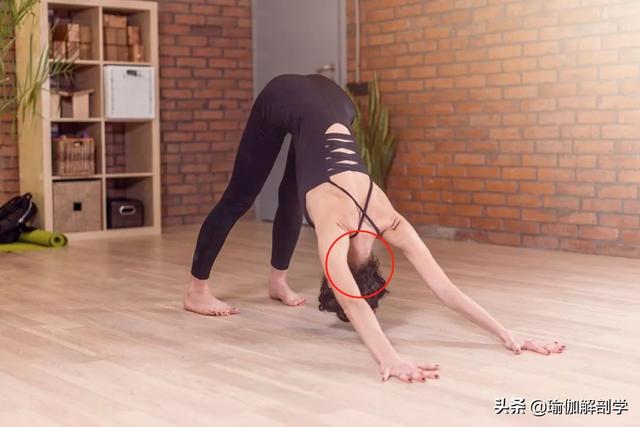
This is an easily overlooked but important point for many students. The correct position of the neck in Downward-Facing Dog is between the arms, following the extension of the spine forward.
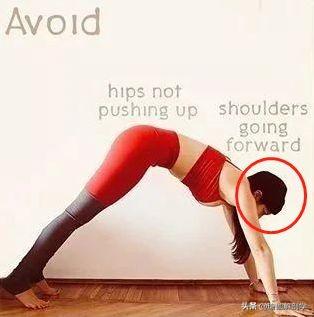
However, some students tend to overextend their necks or look forward, which easily causes stiffness in the cervical spine and tension in the shoulders.
4Insufficient Back Extension
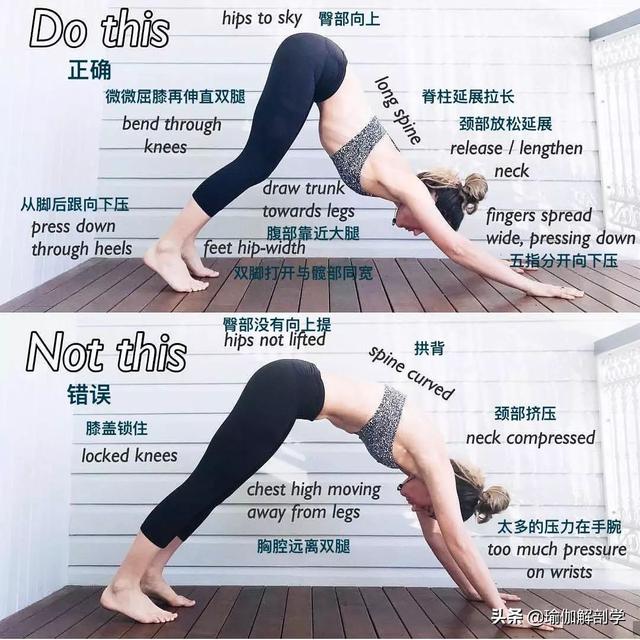
To achieve the stretching in Downward-Facing Dog, back extension is crucial. However, many beginners tend to arch their backs, placing their weight on their shoulders and wrists, causing their shoulders to become increasingly bulky.
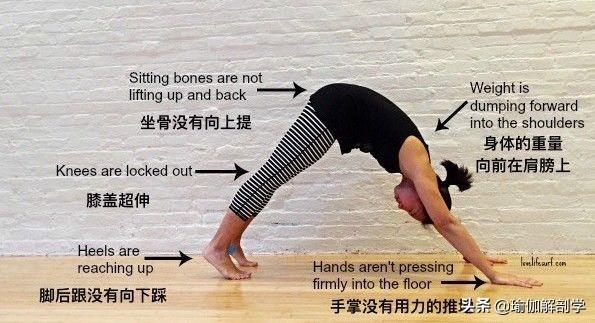
Therefore, when practicing Downward-Facing Dog, learn to shift your weight backward and push your thigh roots backward. If your hamstrings are tight, try slightly bending your knees to extend your back. You can also do stretching exercises for your hamstring muscles regularly.
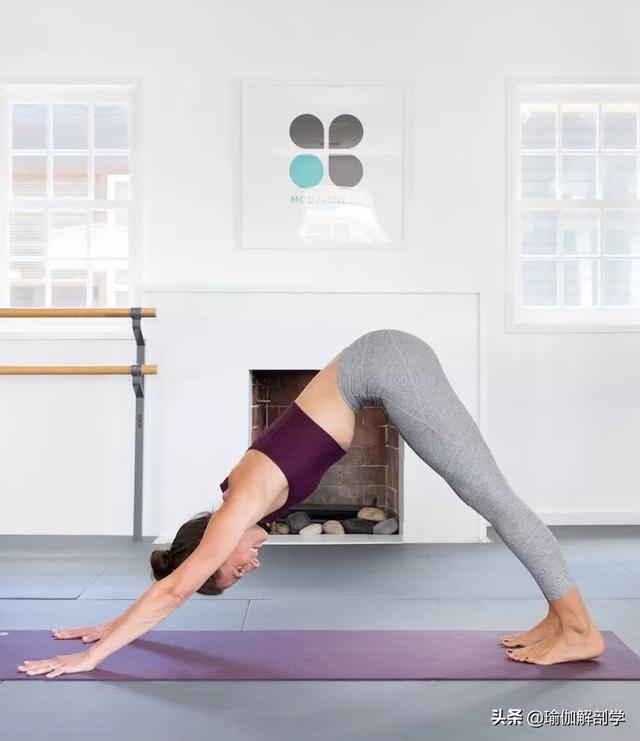
Have you experienced any of these points in your Downward-Facing Dog practice? If so, please correct them promptly!