Jaw Correction, Pain When Chewing or Biting, Try These Exercises!
What is TMJ Disorder
We rarely notice our temporomandibular joints in our daily lives, but we use them frequently. It connects the lower jawbone to the skull. Every time we speak, chew, or swallow, it moves.
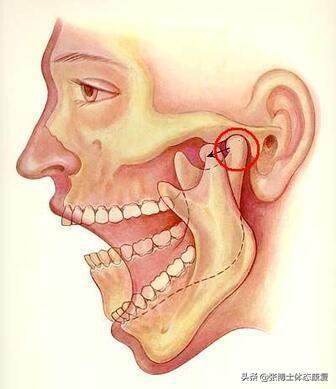
When our jaw joint and jaw muscles have problems, it causes temporomandibular joint disorder. It's usually caused by jaw injuries, inflammation from arthritis, or overuse.
TMJ disorder can cause different levels of symptoms
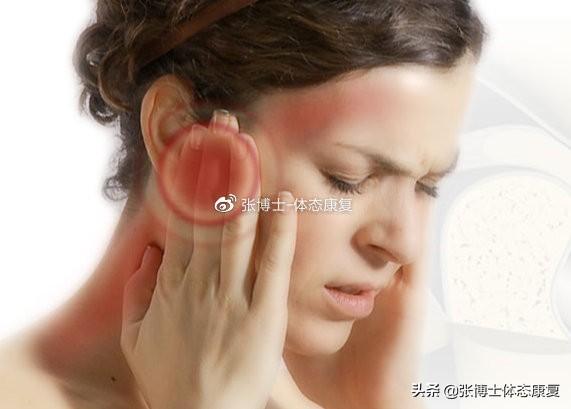
- Pain when chewing
- Pain in the ears, face, jaw, and neck
- Clicking or popping in the jaw when opening or closing your mouth
- Restricted jaw movement
- Headache
Methods for relieving TMJ pain
The following methods are generally effective for relieving pain caused by TMJ disorders
- Stretching the jaw muscles
- Extending the jaw
- Relaxing the jaw
- Increasing jaw flexibility
- Reducing jaw clicking
- Promoting jaw healing
According to a research paper published in the Journal of Dentistry, for patients who have undergone TMJ repositioning surgery, training the temporomandibular joint is more beneficial than wearing an orthotic for increasing mouth opening range.
The following nine exercises help relieve TMJ pain and improve jaw joint movement.
1. Jaw Relaxation Exercise
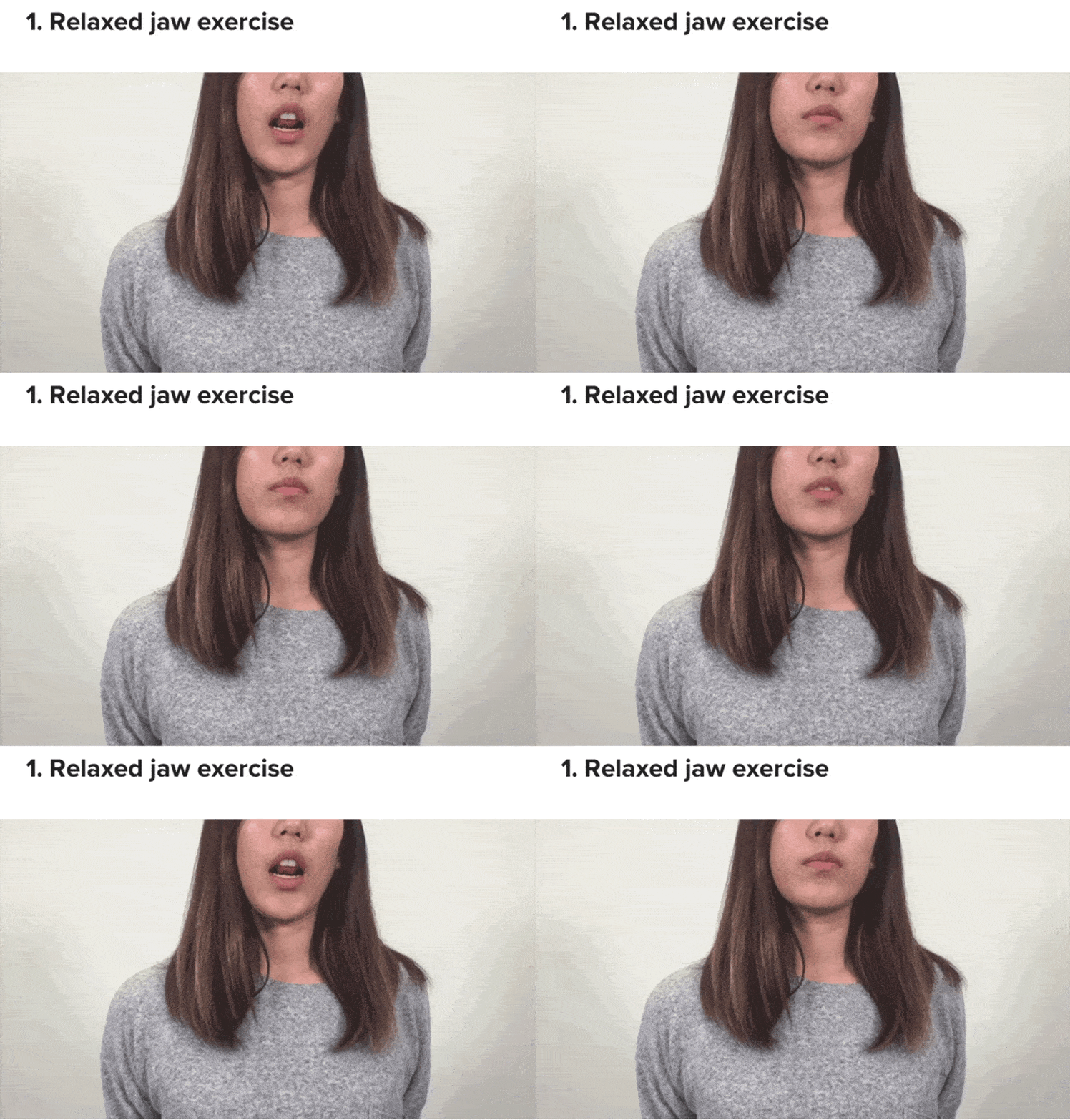
Place your tongue lightly on the upper palate behind the upper teeth, while relaxing your jaw muscles, and open your teeth slightly.
2. Goldfish Exercise (Mouth partially open)
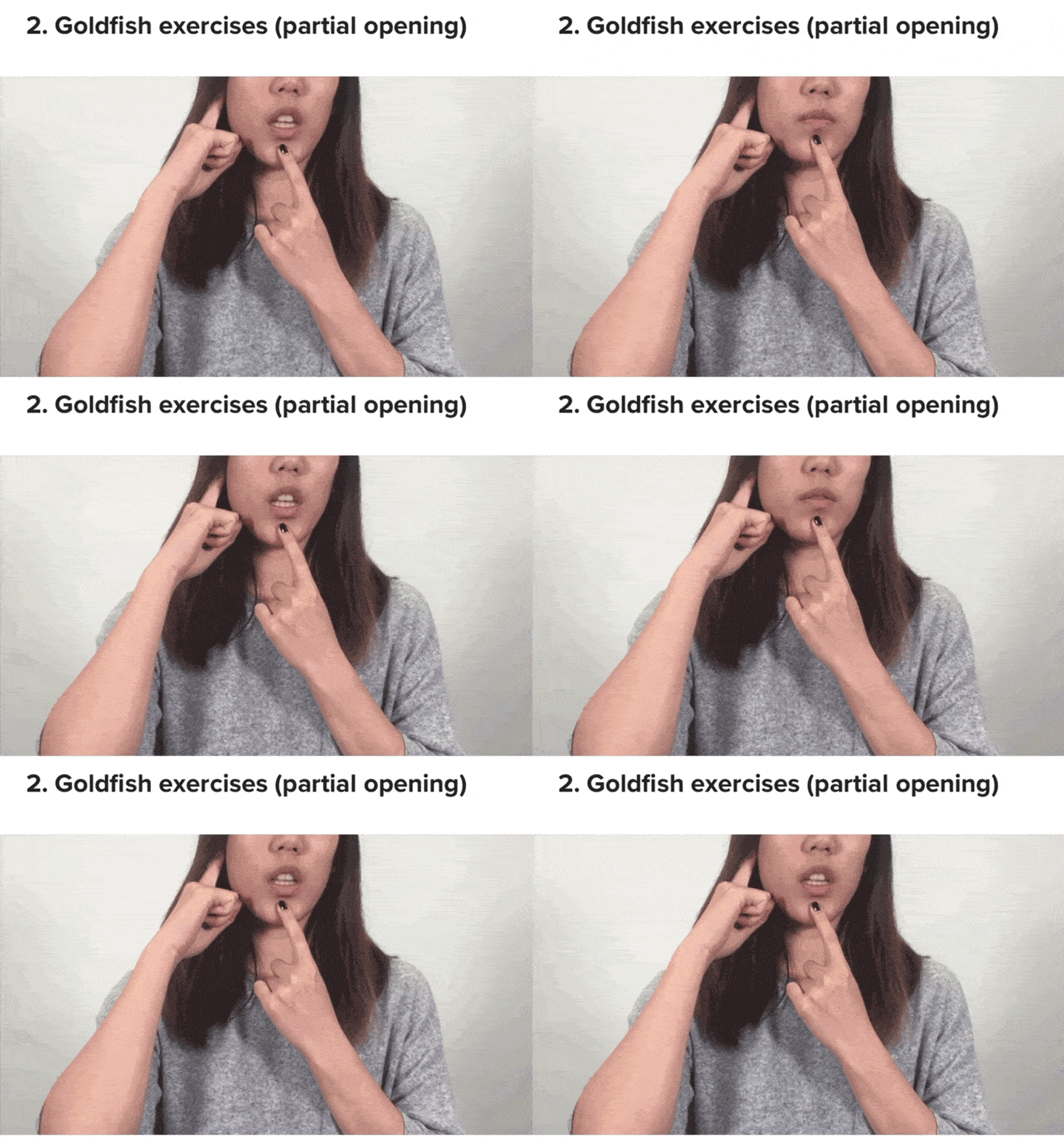
Place your tongue on the palate, one hand on the side of your ear to find the position of the temporomandibular joint, and with the other hand, use your index or middle finger to place on the chin. Lower the lower jaw halfway, then close your mouth. This exercise involves slight resistance, but no pain. You can change this exercise by placing your finger on different parts of the temporomandibular joint and then pulling the lower jaw down and returning it to its starting position. Repeat 6 times in each group, and do 6 groups per day.
3. Goldfish Exercise (Mouth fully open)
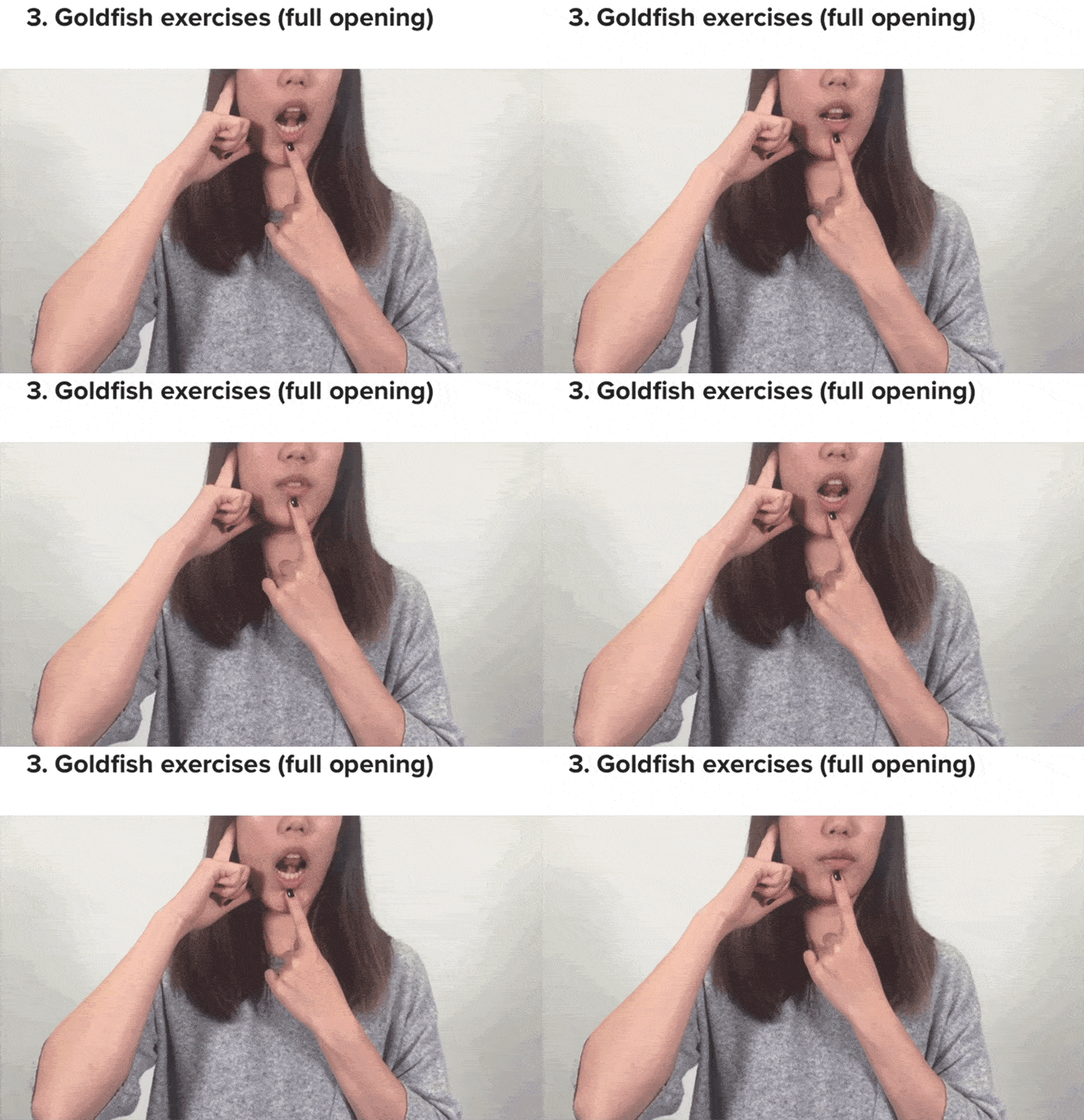
Place your tongue on the palate, one hand on the temporomandibular joint, and the other hand on the jaw. Fully lower the jaw, then return to the starting position. Switch sides to practice, repeating 6 times in each group, and doing 6 groups per day.
4. Jaw Retraction Exercise

Keep your shoulders back, open your chest, and pull your jaw backward to form the appearance of 'two chins'. Hold for 3 seconds, and repeat 10 times.
5. Opposing Open Exercise
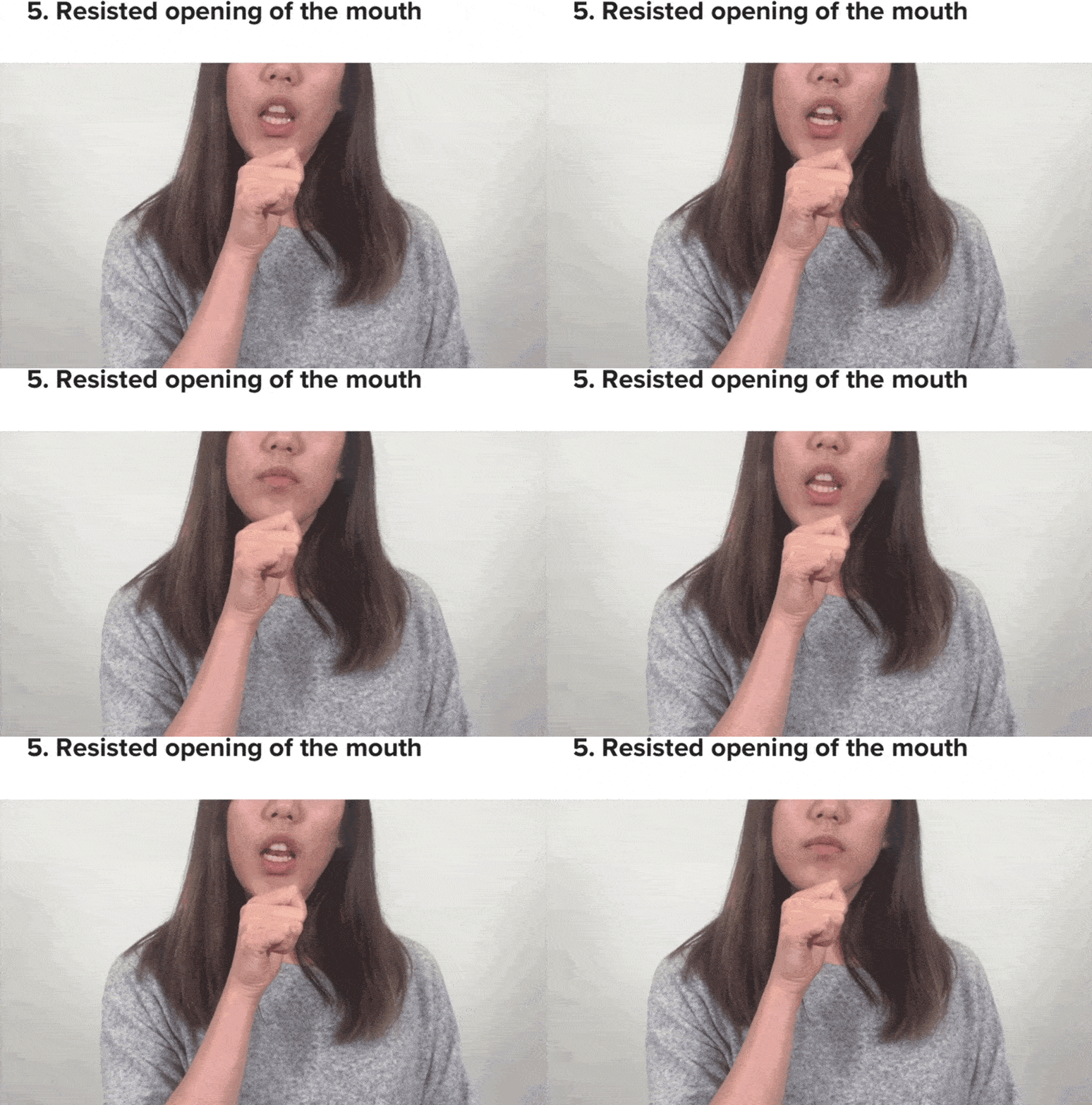
Place your thumb below the jaw, and slowly open your mouth while applying resistance with your thumb, holding for 3-6 seconds, then slowly close your mouth.
6. Opposing Close Exercise
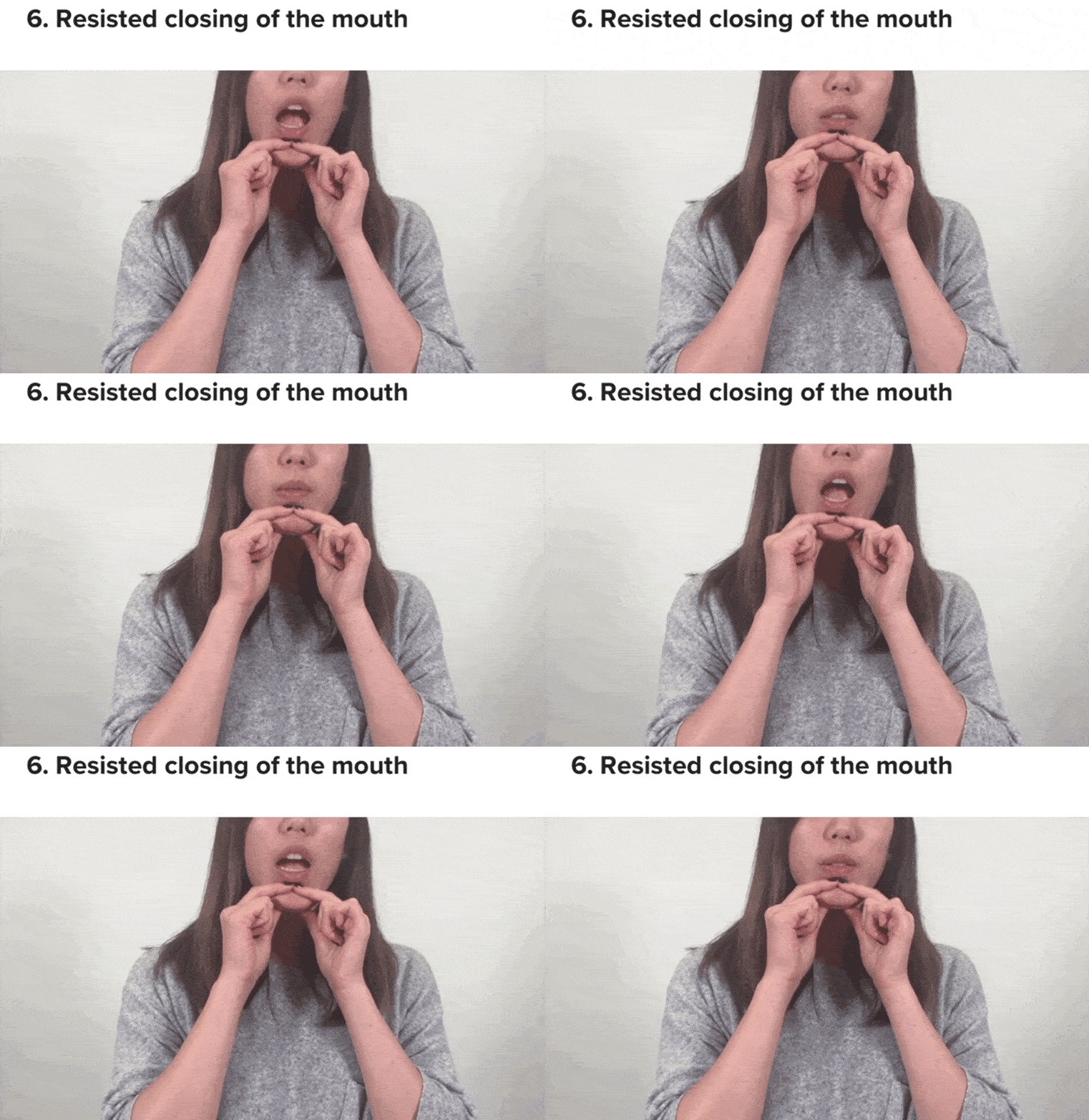
Use your thumb and index finger to squeeze the jaw. While closing your mouth, gently press on the jaw area. This exercise helps train the chewing muscles.
7. Tongue Up Exercise
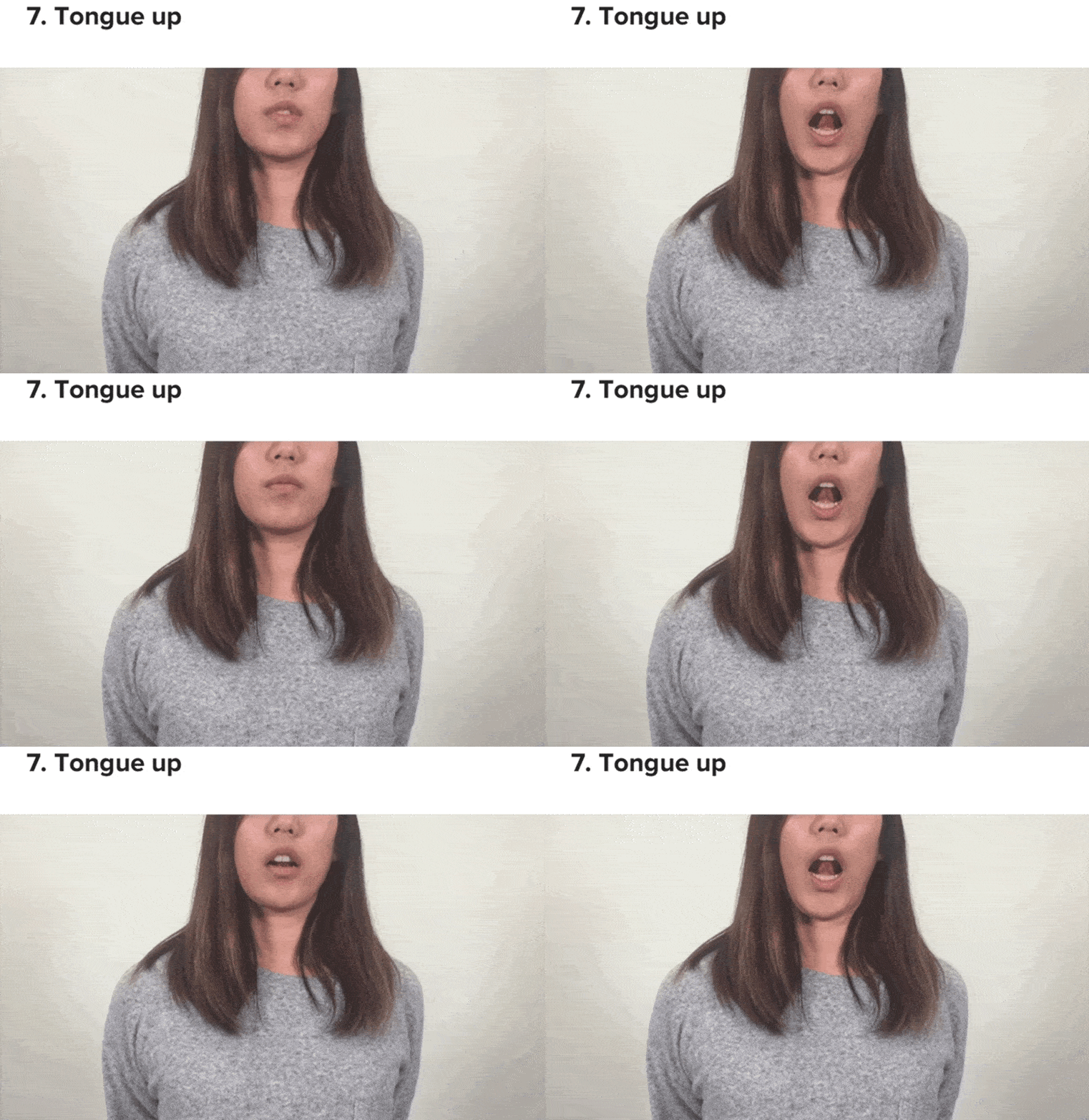
Use your tongue to lift the palate and slowly open and close your mouth.
8. Jaw Side Movement Exercise
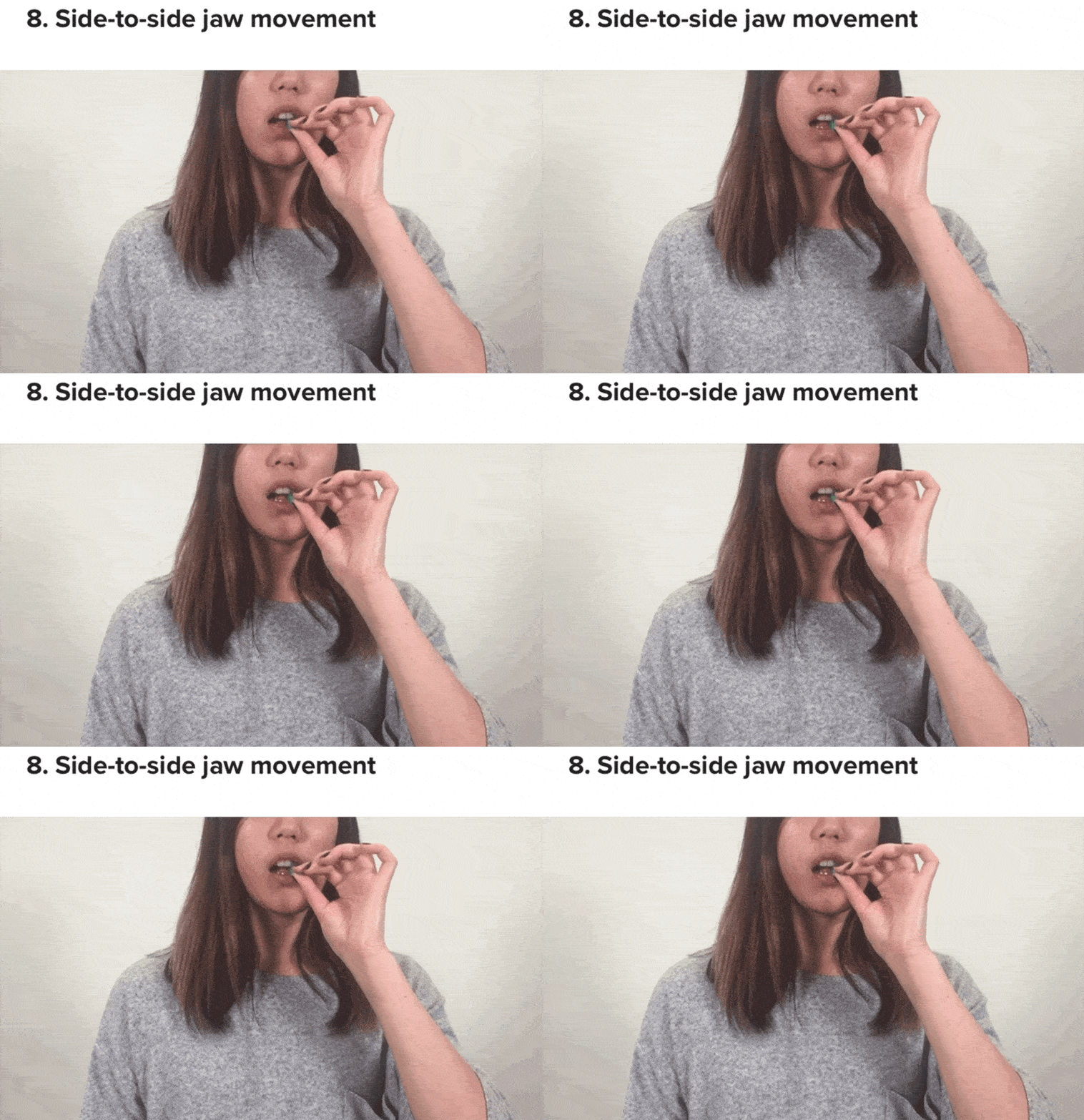
Place a small item (e.g., a tongue plate) 0.25 inches long in your mouth. Slowly move the jaw from side to side. After mastering the exercise, you can increase the thickness of the item between your mouth to increase the difficulty.
9. Jaw Forward Movement Exercise
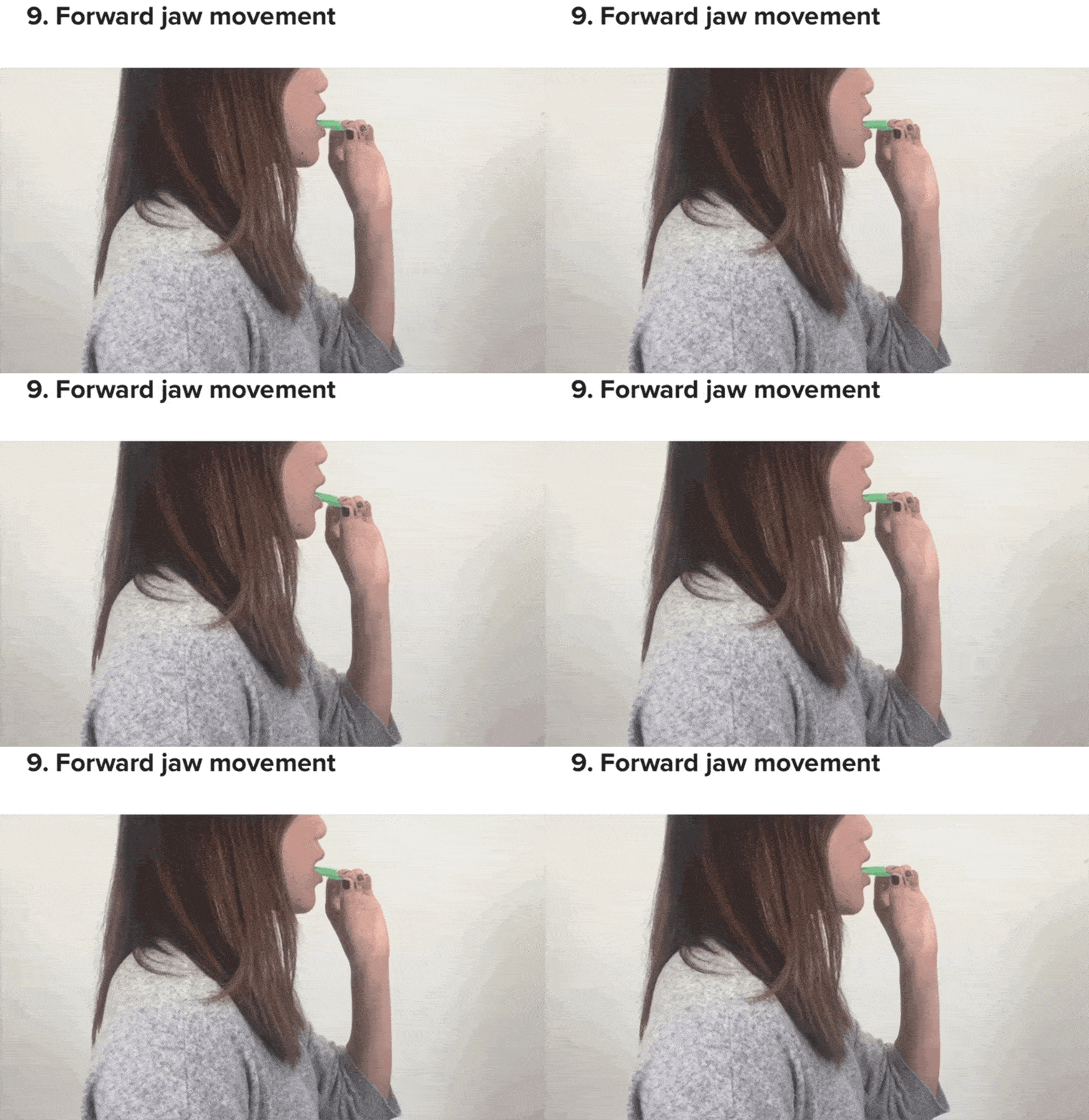
Place a 0.25-inch item between your upper and lower teeth. Slowly move the lower teeth forward, so that the lower teeth are in front of the upper teeth. After mastering the exercise, you can increase the thickness of the item between your upper and lower mouths to increase the difficulty.
Other methods for relieving TMJ pain

Over-the-counter pain relievers such as ibuprofen and acetaminophen can help relieve TMJ pain. Doctors may also recommend:
- Braces to prevent grinding and excessive jaw tension
- Mouthguards to help you adjust your jaw
- Using a warm compress
- Ice, for no more than 15 minutes at a time, and do not contact the skin directly
- Reducing stress to prevent jaw tension
- Using acupuncture to relieve pain in the affected area
Due to severe joint injury causing more severe pain, invasive treatments such as injecting hormones into the temporomandibular joint may be necessary. If it's serious, surgery may be required, but there is currently not much scientific evidence that surgery for TMJ disorders is safe and effective.
Simply changing your daily habits can relieve TMJ pain.
- Choose softer foods during meals to relax the joint
- Avoid chewing gum
- Don't bite your fingernails
- Try not to bite your lips
- Maintain good posture
- Avoid large jaw movements.