How to Recover Training After a Long Break
Two months have passed, and recently everyone has probably fallen behind a lot. When we pause our exercise for a while and then return to the gym, it's not a simple thing. Without a regular training schedule for two months, a workout that was previously easy might suddenly become difficult,
When returning to training, we should not immediately return to our previous intensity and volume; we need a planned approach to recover what we've lost. Therefore, we've specially prepared this article to help you regain your exercise habits, motivation, andYou need to ensure your safety when restarting your exercise plan,
The reason we specifically mention this is because many people will adopt the 'revenge training' approach when they return to the gym for the first time,If you start your workout with too many demands on your body, you're very likely to be at risk of injury,The next day's intense muscle soreness, even with a limp, doesn't mean your workout was effective,

Objectively assess the loss you've experienced during your layoff,
During your layoff, has your
weight dropped?orincreased?—this isone of the indicators of your fitness level,If you've been out of training for less than three months, you probably haven't lost much muscle,Research shows that athletes will maintain strength gains within two weeks of stopping training; during a prolonged period of inactivity (12 weeks), they can maintain a significant portion of their strength gains,Even an experienced trainer will recover strength relatively quickly after a long period of inactivity (even several years),
because our muscles have memory,Scientists have been puzzled by this phenomenon until recently, when they discovered that even if muscles atrophy, their cell nuclei (called myonuclei) can remain intact. In short, strength will quickly return,2. The increase in body fat rate,
If you eat a lot of food for a few days or weeks,your weight may surprise you,
But most of the weight gain is due to water retention, not necessarily fat,
Everyone should know that it takes 3500 calories to gain one pound of fat. Objectively think about whether we can accumulate so much excess calorie surplus,

It's possible, but not necessarily.
If we don't objectively view these losses and rely solely on imagination to estimate our decline, it's dangerous,
You're likely to start extreme dieting or 'revenge training,' hoping to quickly return to your previous strength and figure; your mindset will first collapse,

First, we must gradually restore our training; don't be impulsive or impatient,1. Accept your current situation,
Our bodies will inevitably experience a decline in muscle strength and cardiovascular function after stopping training; therefore, we must accept this fact with patience and not be impulsive; as we restore training, we must not be hasty or impatient. As long as we persevere in the recovery training period, your body's fitness level will quickly return to the level before training,
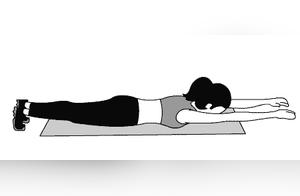
2. Start with flexibility training,
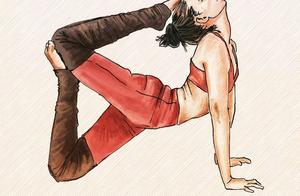
The first step is to complete a few days of flexibility training to increase blood flow and circulation, while also helping to open joint flexibility and muscle flexibility,Flexibility is an aspect that is often overlooked in exercise,
If we don't open our joints and lengthen our muscles, it will negatively affect our training,
2. Perform low-intensity cardio,

Next, we should also conduct some,low-intensity cardio,to strengthen our cardiovascular and respiratory function and recovery.You don't need to enter the gym every day; if the weather allows, a 20-minute walk or jog outdoors can invigorate your body and restore your body's vitality,
If we continue to do some home workouts or cardio during the recovery period, we can slowly increase the intensity by using a treadmill, an elliptical machine, or a stationary bike,
4. Restart low-intensity strength training,
After the initial flexibility and low-intensity cardio, we can gradually reintroduce strength training. Our intensity and volume should be reduced, and we can focus on overall strength development and physical fitness,
When we restore strength training, we should not immediately use our previous training plan. We can start with a beginner's training plan, focusing on full-body training or upper/lower body splits. During training, each muscle group should not exceed 3 sets, and each set should not be performed to failure,
Our training movements should primarily focus on compound movements to engage multiple muscle groups; this training mode can help us restore our fitness quickly,

Beginners can start with bodyweight exercises or light weights. For those with a long-term training history, they can start with 90% of their previous maximum weight. If your weight has dropped, you can even use 85% to ensure you can safely return to your previous training intensity,At the same time, during our recovery period, we may spend a lot of time sitting and working, which can cause the muscles on the back of our body to weaken and the muscles on the front of our body to become tense,
These
muscle length distortions can negatively affect our training,Therefore, we need to spend time activating our core, activating our hips, rolling our thigh back, and stretching our calf and chest to move our shoulders.Sufficient warm-up and stretching are essential. No matter what exercise you are doing, don't ignore warm-up and stretching. Only by doing a thorough warm-up and stretching can we reduce the risk of injury during training and make our training smoother. Therefore, we must not hesitate to spend a little time warming up and stretching before training every time. This is a necessary prelude to training,
It is also important to focus on recovery (rest and nutrition), eat enough, and choose high-quality food. Try to ensure sufficient sleep. During the first few weeks of recovery, focus on foam rolling and flexibility training.

Your body will easily become stiff. Don't regret it only when you get injured. It is a necessary training prelude.
Safety, order, and scientific restarts are crucial,
To quickly return to your previous fitness level. Persist with scientific training, strengthen your body, and boost your immune system!
#Spring Fitness Power#
#My View of Spring#
(Here, a circle card has been added, please view in the daily headline client)