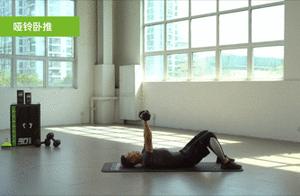
Can Muscle Soreness Continue to Exercise? Will Continuing Exercise Affect Muscle Growth?
Have you ever suddenly had a craving to do high-intensity training, only to experience muscle soreness the next day? Can muscle soreness continue to exercise?
Before we begin, let's first understand why we experience muscle soreness.
Generally, when we exercise, the blood oxygen supply to the muscles is insufficient, leading to the production of a large amount of lactic acid, which accumulates in the muscle groups, causing soreness.
For example, when we do bicep curls, the stretching of the muscles can cause a tearing pain sensation, also known as delayed-onset muscle soreness, or DOMS.
This feeling usually lasts for 2~3 days, and the question is whether we can continue to exercise during this period. Our answer is that it depends. First, we need to understand the difference between muscle soreness and joint pain. If it's muscle soreness, it's usually felt 24~48 hours after exercising in the muscle area.

Joint pain is felt in the joints, such as the shoulder joint, elbow joint, wrist joint, and knee joint. If the pain is in these areas, then we definitely cannot continue exercising. We suggest seeking professional help and conducting a thorough examination as soon as possible.
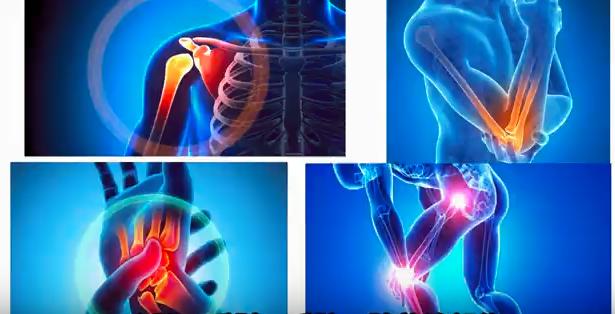
Will muscle soreness affect our training? Will continuing to exercise exacerbate soreness or affect muscle growth? According to research, whether you continue to exercise or rest, the feeling and recovery of muscle soreness are the same. If you choose to continue exercising, it can actually accelerate the breakdown of lactic acid, thereby achieving a relieving effect.
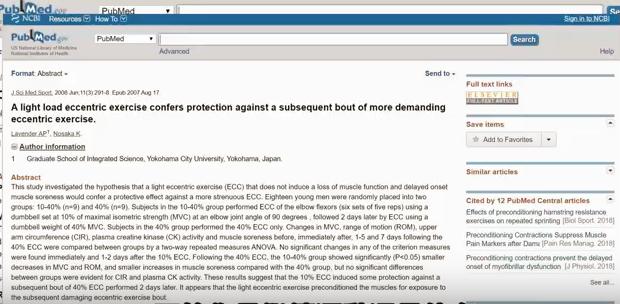

Of course, even if you don't continue to exercise, lactic acid will slowly decompose within 5~7 days, so we suggest that you can do low-intensity training or avoid training in the painful area at this time. For example, I train my chest every other day, but if the muscle soreness has affected your concentration and exercise performance, you can choose to rest for one day at your discretion to avoid making mistakes during training and increasing the risk of injury.
If you have muscle soreness but still want to exercise, then go ahead! Because if you just let muscle soreness be an excuse for laziness, you will gradually lose the motivation to go to the gym!