An Article to Understand the Essential Conditions and Key Factors for Muscle Growth!
The human body has approximately 600 muscles, which account for 30 to 50 percent of its weight. They connect with connective tissue and hold the body together, enabling it to stand and move.
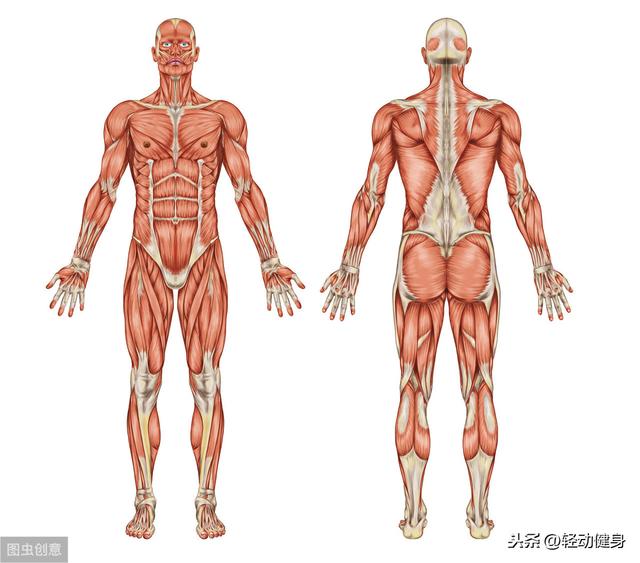
Muscles require continuous attention, whether you're into fitness or just daily life, because the way you use them each day determines their growth and shrinkage.

Let's say you want to lift a 5-kilogram dumbbell. Your brain coordinates you to achieve this goal.

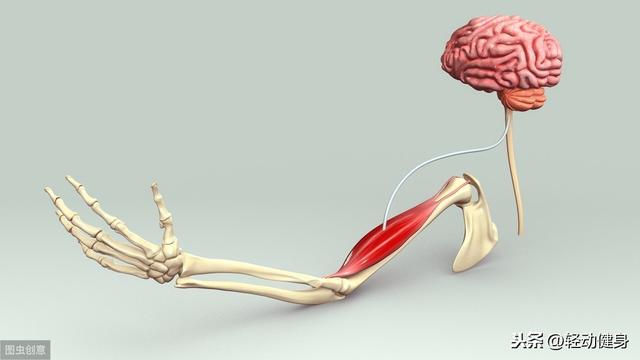
First, your brain sends signals to the motor neurons of your arm. When they receive the signal, they initiate muscle contractions and relaxations, moving your arm to lift the dumbbell.
The greater the challenge of the movement, the stronger the signals your brain sends, and the more muscle units will come together to help you complete the task.
What if the dumbbell weighed 30 kilograms? Your arm muscles alone wouldn't generate enough force to lift it. At this point, your brain will call upon other muscles to help you. You take a stable stance, tighten your abs, and straighten your back, generating enough force to lift the dumbbell.

Your nervous system is utilizing your body's readily available resources – other muscles – to meet the demand.
During all of this, muscle fibers undergo another cellular change. When muscles are stretched, they experience minor damage.
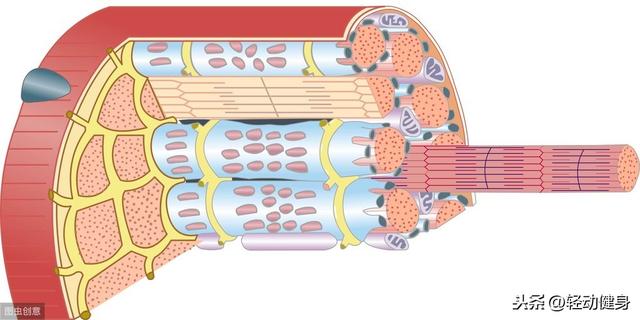
This is a good thing,as the damaged cells release molecules calledcytokines,– inflammatory molecules that activate the immune system to repair the damage,This is the principle of muscle growth.
The greater the damage to muscle tissue, the more the body repairs it. This cycle of damage and repair ultimately leads to bigger, stronger muscles to adapt to increasing demands and stress.

Because our bodies have adapted to most daily activities, these activities don't generate enough stress to promote muscle growth,
So, to build new muscle, a process called hypertrophy – cell enlargement – needs to be achieved by subjecting cells to a workload greater than normal.
If you don't consistently allow your muscles to withstand a certain level of resistance, they will shrink. This process is called muscle atrophy,
Instead, applying tension to muscles during their lengthening – this is called eccentric contraction – creates more efficient conditions for muscle growth.However, muscle growth is more than just relying on exercise. Without proper nutrition, hormones, and rest, the body can't properly repair muscle fibers.Protein in your diet provides the new amino acid components to maintain muscle quality.

Sufficient protein intake, combined with hormones such as

insulin-like growth factor
and testosterone,can assist the body in entering a state of repair and growth, which occurs primarily duringrest,especially during nighttime sleep.Gender and age also influence muscle growth. This is why young men with higher testosterone levels have an advantage in muscle growth.Genetic factors also influence a person's muscle-growing capacity. Some people have a stronger immune response to muscle damage and a better ability to repair and replace damaged muscle fibers, which enhances their muscle-growing potential.Your body responds to your needs. If you tear your muscles (through strength training), you provide nutrition (through dietary intake), you get proper rest (sufficient sleep), and you are consistent (long-term persistence), then your muscles will grow and become bigger and stronger!