Focus on Posterior Deltoid Isolation: How to Properly Train Your Shoulder Blades
Shoulder presses aren't the mainstream of strength training, and most general trainers' workout arrangements are based on the visual range,
Take a look in the mirror: 'After the anterior deltoids are flushed with blood, they feel great, complementing the pectoralis major to create a powerfully broad upper body! No regrets!'
'Oops, the mid-deltoids aren't full enough… I need a few more sets of lateral raises to make my shoulders look wider in a T-shirt,'
Unfortunately, the mirror can't find the posterior deltoids, 'out of sight, out of mind,' and ignoring their training is justified,
However, as your training level increases, you'll gradually notice: your shoulders are becoming increasingly lacking in aesthetics, especially when viewed sideways: lacking key posterior support, the shoulders can't support the sleeves, and the body appears particularly thin,
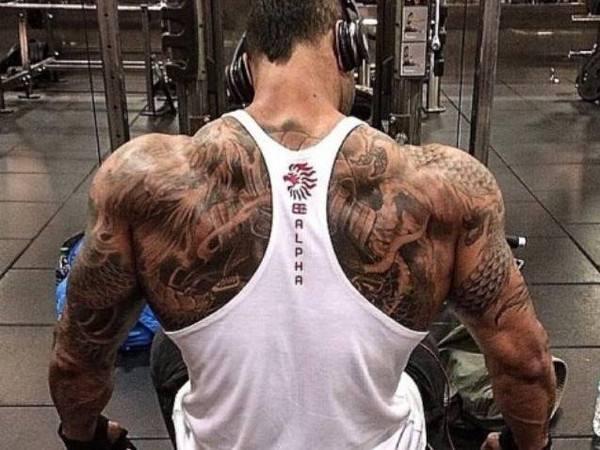
If you still rely on back exercises to bring out the posterior deltoids, that's a well-intentioned idea but yields little benefit—it hasn't allowed you to understand the feeling of isolating the posterior deltoids through single-joint movements, how can it let them actively participate in composite movements?
Today, let's explore the isolated stimulation of the posterior deltoid, which is an indispensable part of creating rounded shoulders. We will also use a slant board to complete the movement, so that our body can be more stable and our attention can be highly concentrated on the horizontal abduction movement of the shoulders,
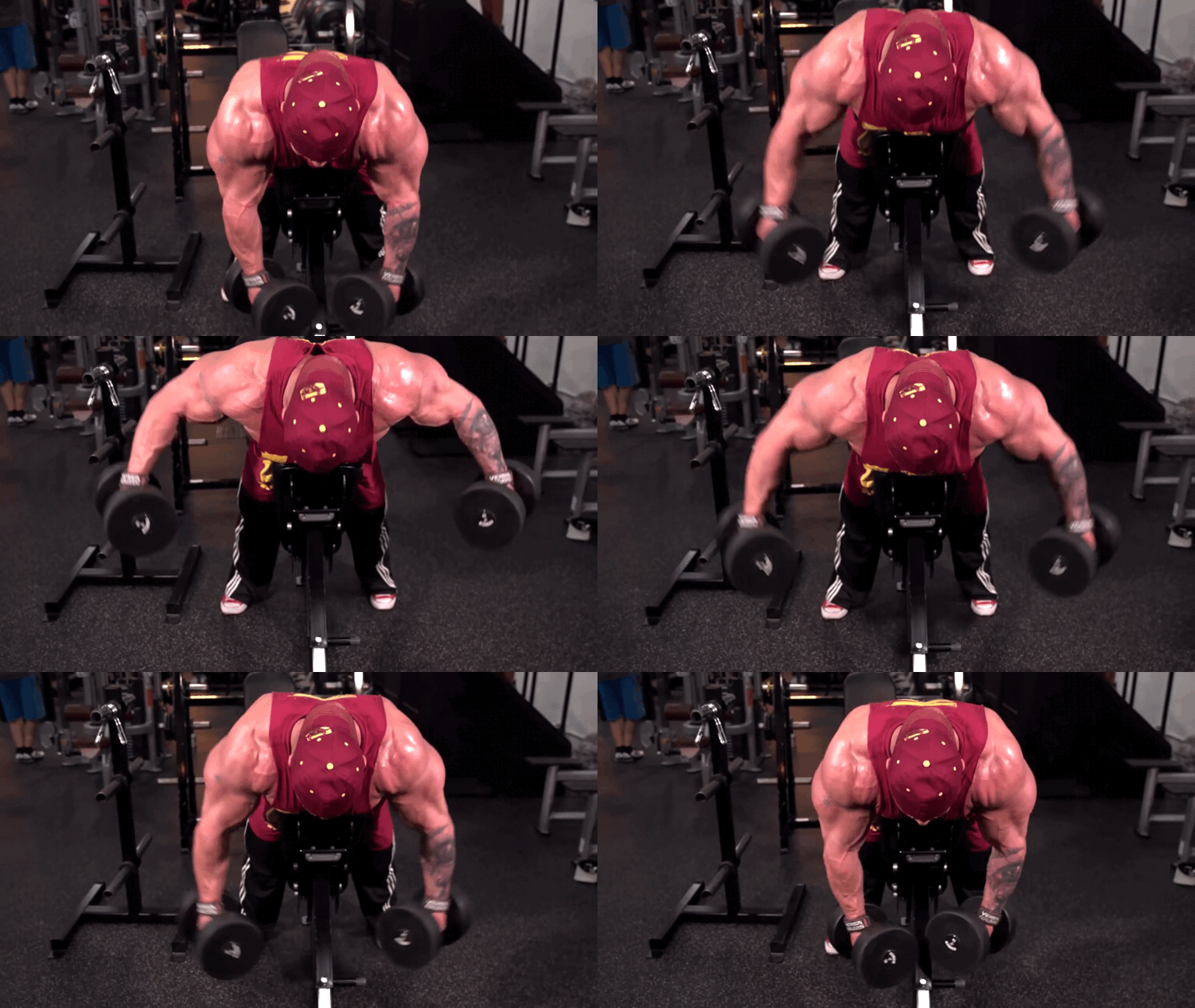
Action Instructions,
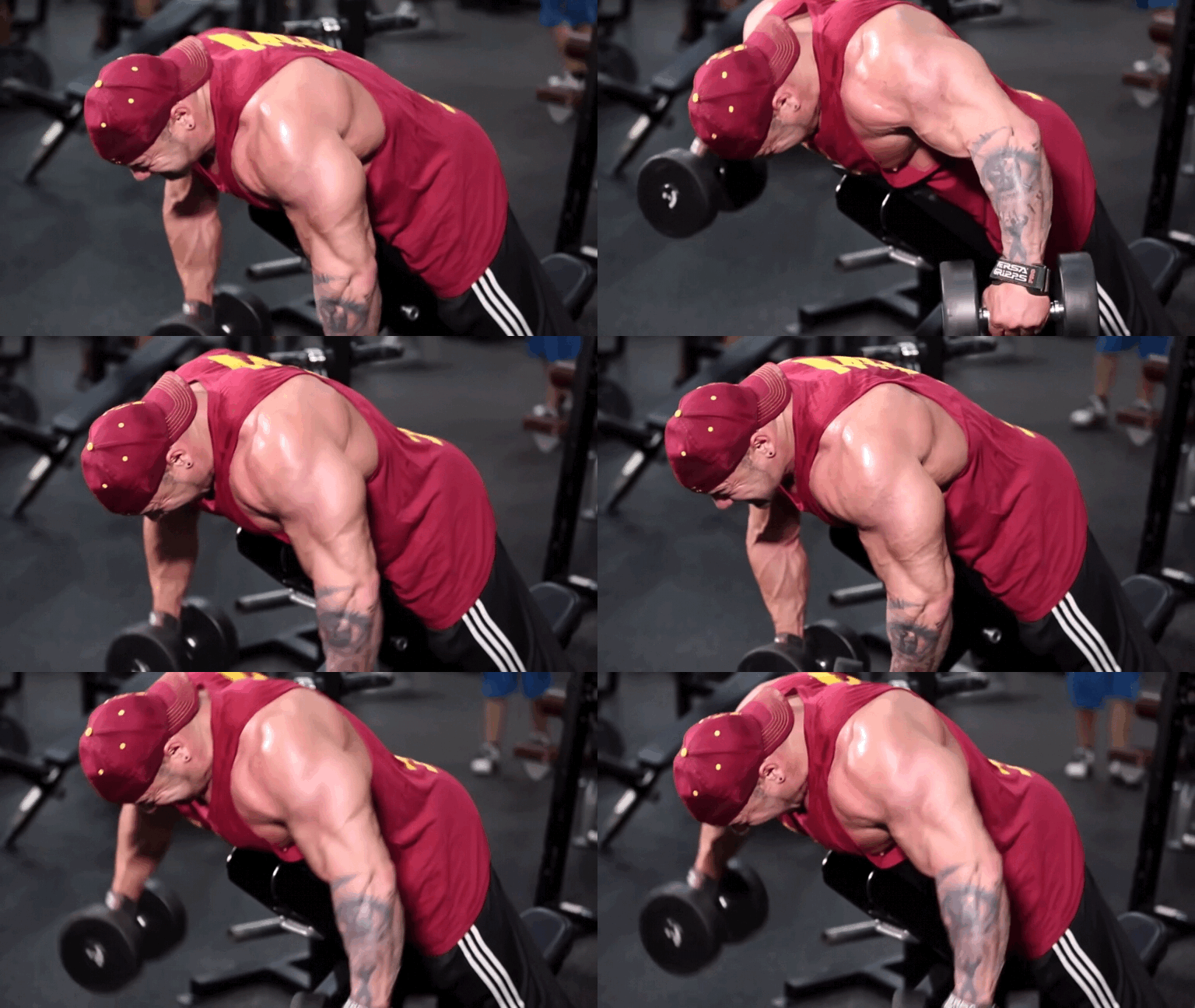
- Hold the dumbbell with both hands, lying prone with your chest elevated on a slant bench. Your chest and abs should be tight against the bench, your arms naturally hanging down.
- Extend your arms, pushing the dumbbell from the low end to the sides, maintaining a slight bend in your elbows until the peak contraction of 1-2 seconds,
- Return the movement to the starting position. Pay attention to control the weight of the dumbbell, do not use momentum to push the dumbbell downwards,
Action Points,
1. Tighten your chest and keep it tight to the slant board,
Without the slant board, we easily open the chest during the movement when extending the arms sideways, and we also have shoulder shrugging and body sway. This is because simple prone movements mobilize other muscles to provide stabilization,
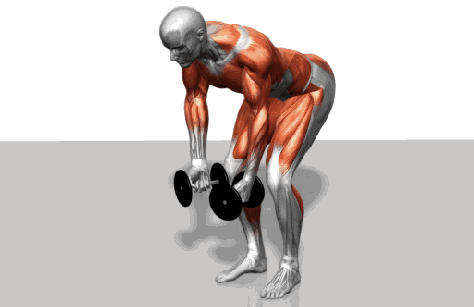
For beginners, it's difficult to concentrate their attention on the target muscle group, and the training effect cannot be guaranteed,
The slant board provides a more stable body position, allowing the bird movement to isolate and stimulate the posterior deltoid, so the entire movement should keep your chest tight to the bench. Only when you can truly feel the posterior deltoid actively contracting, it's never too late to remove the slant board,
2. Extend your arms, keep your wrists straight,
If you over-rotate your wrists, the movement is easy to turn into a pull, which increases the weight of the dumbbell, but unfortunately, the force of the shoulder's side is not good,
The ideal approach is: throughout the entire movement trajectory, our hands and wrists only hold the weight lightly, and when rising and falling, the elbows drive the dumbbell, and the arms generate force,
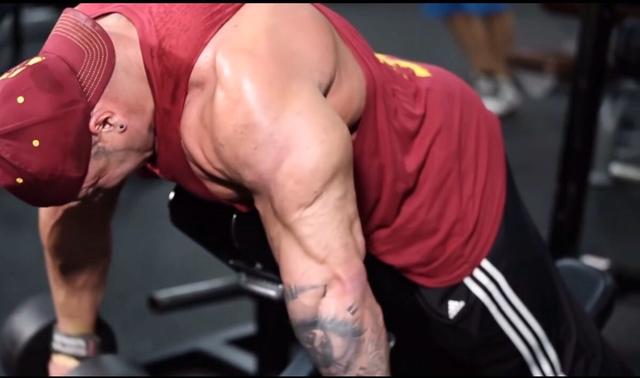
Action Analysis,
This action is difficult to do wrong, but it's easy to do it improperly, especially the back assist issue, shifting the training focus from the shoulders to the back, which is contrary to our training purpose,
Let's analyze this step by step: how to avoid back assist in the dumbbell bird movement?
1. Keep your arms and elbows away from your body,
Those who are familiar with dumbbell single-arm rows know that one technique to strengthen the back muscles in dumbbell rows is 'keep your elbows tight,' which means keeping the arms close to the body to maximize the stretch of the posterior deltoids, and contracting at the peak,
Now we don't want the arms to extend backwards while the back takes the dominant force, so we need to keep your elbows away from the body, and the angle between the arms and the body is 90 degrees. This way, the dumbbell's movement trajectory is 'flying up' to the sides of the body, rather than 'pulling up' towards the body, the posterior deltoid can't generate force from the back, and it's difficult to isolate,
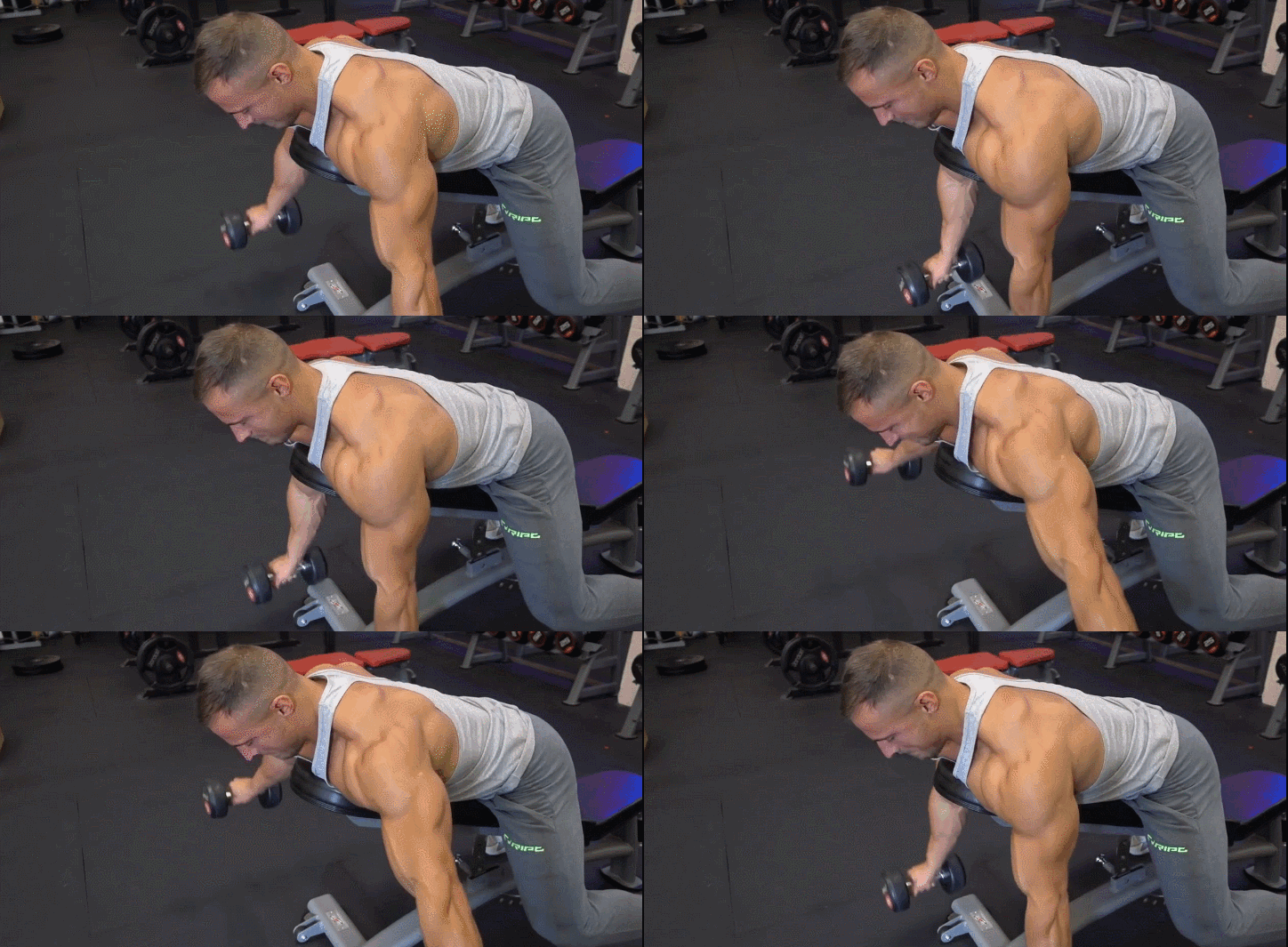
2. Gently arch your back and don't forcefully squeeze your shoulder blades,
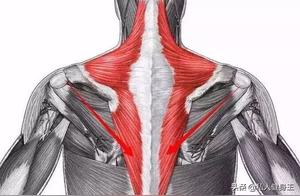
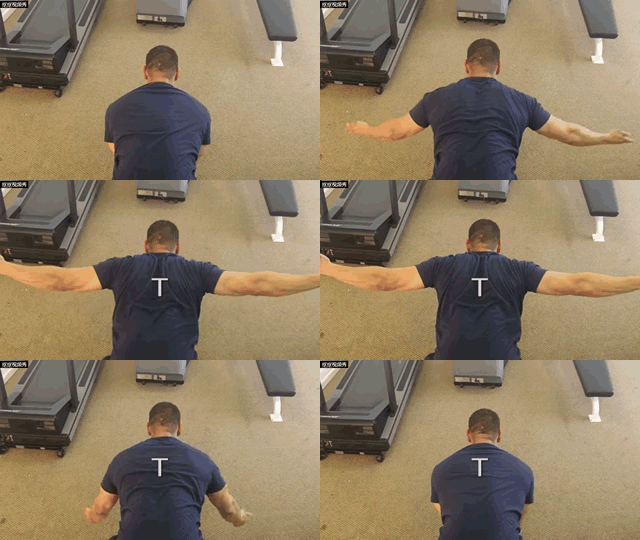
When we train our chest, we say to stabilize our shoulder blades; when we train the posterior deltoids on the side, we also need to learn to stabilize our chest, while pushing our shoulders forward. This way, when the arms reach the highest point, the arms can't be further extended due to the flexibility of the thoracic spine, preventing the mid-lower trapezoid muscles from interfering more, this extra trajectory is inefficient for the posterior deltoid,
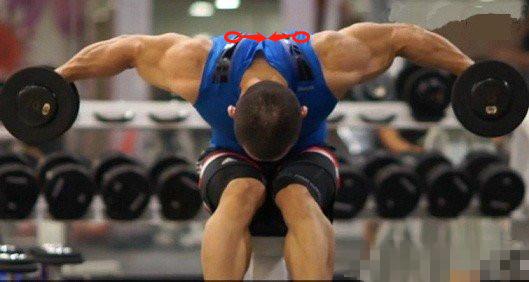
To overcome this problem, we must pay attention to two points,
First: gently arch your back and bring your shoulders forward,When training our chest, we say to stabilize our shoulder blades; when we train the posterior deltoids on the side, we also need to learn to stabilize our chest, while pushing our shoulders forward,
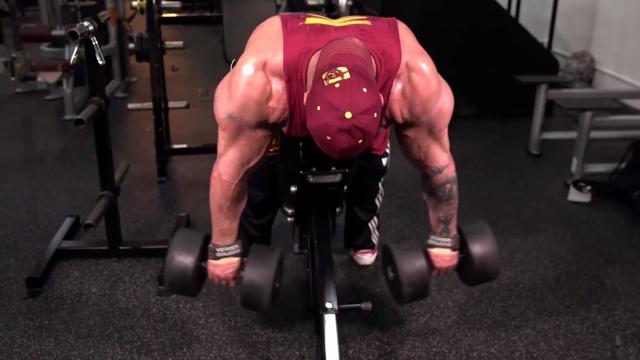
Second: make your arms move lower than the flat of your shoulders, don't forcefully squeeze your shoulder blades,The posterior deltoid is small, and you want to isolate it, the premise is to find a feeling: the upper body is completely restrained on the flat, it can't move, only the arms can extend backwards beyond the body, this is the key,
Exceeding the range and then extending your arms, will force the shoulder blades to squeeze towards the spine, which will stimulate more the mid-lower trapezoid muscles, this extra trajectory is inefficient for the posterior deltoid,
3. Rotate your wrists outwards to complete the movement,
For actions that we frequently practice, our bodies will establish muscle memory, and continuously deepen their proficiency. If you frequently use prone bird movements to train your back, you are accustomed to grasping and rotating your wrists, which generates force, when extending your arms backwards, you will inevitably mobilize the back muscles, this is a new and more suitable force generation pattern for the posterior deltoid,
Overall, for those who can easily complete heavy weight dumbbell rows and effectively activate the posterior deltoids, this more focused control movement may seem less 'manly',However, for those who have well-developed anterior and mid-deltoids, it is important to supplement weaknesses by isolating and improving them, so that the shoulders present a full and plump aesthetic, then you must attach importance to the isolated training of the posterior deltoid,
No matter how good the actions and techniques are, they all depend on diligent practice and thoughtful reflection,
Without sufficient contraction and stretching, you cannot achieve sufficient muscle growth, nor can you make your shoulders achieve a satisfactory visual effect,
I hope the content of today can be a starting point, helping you better find the feeling of the posterior deltoid contraction, only by supplementing the weaknesses of the shoulders, can our strength training develop in a more comprehensive and balanced direction,
The above is the entire content for today. Creation is not easy, thanks for every like, forward and collection. Comment and interact in the comments, we will produce more practical content in the follow-up production!
Follow China's Bodybuilding Those Things, training knowledge, fitness information, bodybuilding and fitness, always has content suitable for you~
~