How to Improve Cervical Spondylosis Through Exercise? Learn These 5 Exercises
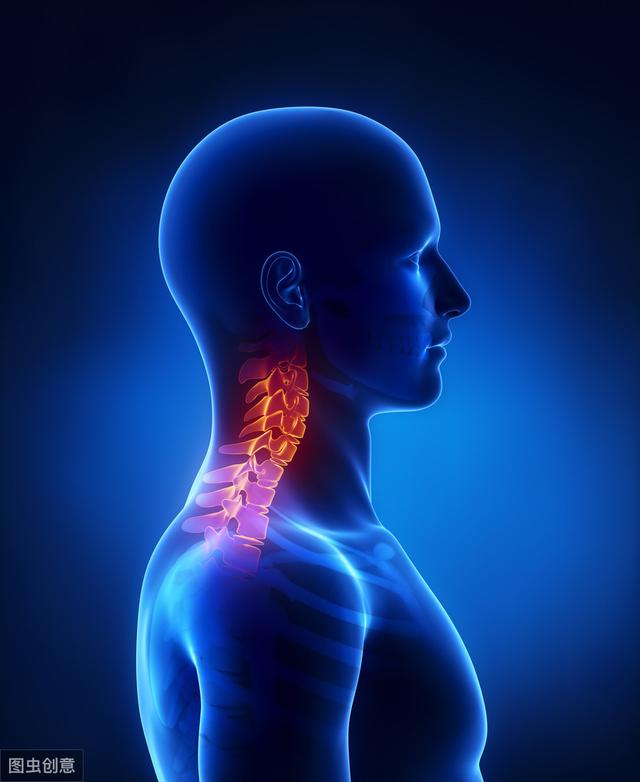
Due to changes in lifestyle and work patterns, cervical spondylosis is no longer exclusive to the elderly, but also affects young people. Cervical spondylosis not only involves the neck, but also the shoulders, limbs, and head can be affected, leading to shoulder pain, limb numbness, and headaches. The consequences are very serious. Exercise is also one of the methods to improve cervical spondylosis. So, what are the specific exercise methods?

What are the exercise methods for cervical spondylosis?
One: Forward and Backward Bend
With hands clasped behind the waist, slowly lower your head to look down, so that your chin is as close as possible to your chest, while exhaling, hold for a moment, then slowly raise your head back, while inhaling, look at the sky, stay for a moment, and then recover. Repeat the action 4-5 times.
Two: Lateral Rotation
With hands clasped behind the waist, then perform neck rotation. First, slowly turn your head to the left side, while inhaling, pause for a moment, then slowly turn to the other side, while exhaling. During the rotation, keep your neck upright. Repeat the action 4-5 times.
Three: Lateral Sway
Stand naturally, with hands clasped behind the waist, eyes level, legs spread shoulder-width apart. Slowly tilt your head to the left side, so that your left ear touches your left shoulder, pause for several seconds, then slowly turn to the other side to touch your right shoulder. Repeat 10-20 times, which is beneficial for soothing tense neck muscles.
Four: Head and Neck Tilt
Patients first stand in a standing position, with their feet apart and shoulder-width apart, slightly back their head, while their hands cross to support their head upwards, repeat the action 10-20 times, which is beneficial for relaxing neck muscles.
Five: Shoulder Shrug and Neck Retraction
Cervical spondylosis often involves the surrounding shoulder joint, so when exercising, the neck and shoulder should be coordinated to effectively relieve the condition. You can achieve this through shoulder shrugs and neck retraction. First, stand naturally, with your eyes level, your feet open shoulder-width apart, your hands naturally hanging down, then slowly raise your shoulders, while your neck tries to retract, maintain the action for several seconds, then slowly lower your shoulders, relax your shoulders, and your neck naturally extends forward, while your shoulder muscles press down, maintain for several seconds. Relax your shoulders and exhale.

Exercise therapy can effectively improve the disease to a certain extent, but it needs to be persistent. In addition to adopting exercise therapy to improve cervical spondylosis, you can also use drug treatment, traction therapy, and physical therapy to treat the disease. If there are patients with severe nerve root compression or spinal cord compression, surgery may be necessary.