Frequently Feeling Short of Breath and Unable to Breathe Easily: Is It Due to Fatigue or Other Reasons?
Everyone will have such experiences in daily life, such as panting after running, shortness of breath during hypoxia, and feeling breathless when out of breath. These symptoms (shortness of breath, panting) are caused by changes in the body and external environment. In general, shortness of breath or panting is a sign that the body needs oxygen because when the body is short of oxygen, the breathing frequency will speed up and the depth of breathing will increase.
When is it most likely for people to experience these symptoms? People will answer: when tired. In addition to fatigue causing shortness of breath and difficulty breathing, these 3 reasons will also lead to breathing problems. It is necessary for everyone to understand and pay attention to them.

1. Lung diseases cause
Normally, the lungs are constantly conducting carbon dioxide and oxygen exchange. When carbon dioxide accumulates in the blood and cannot be released in time, it will trigger carbon dioxide poisoning, at which time breathing will change, and common symptoms include shortness of breath and difficulty breathing. When will carbon dioxide accumulate in the blood? That is when there are problems with the lungs, commonly such as pulmonary edema, asthma, and lung cancer, which affect lung ventilation, hindering the exchange of carbon dioxide and oxygen, thus triggering shortness of breath and rapid breathing. In the population, this type of symptom is more common in the elderly, so if the elderly experience this type of symptom, it needs to be vigilant.

2. Heart function impairment
Normally, the heart pumps blood throughout the body, completing the entire blood circulation, then blood passes through the lungs to complete the exchange of carbon dioxide and oxygen, and fresh blood is again supplied to the body to ensure that cells need oxygen. However, if the heart malfunctions or is exhausted, blood cannot complete the circulation throughout the body, causing pulmonary congestion, which will also trigger shortness of breath and difficulty breathing, and in severe cases, it can lead to heart and lung failure.
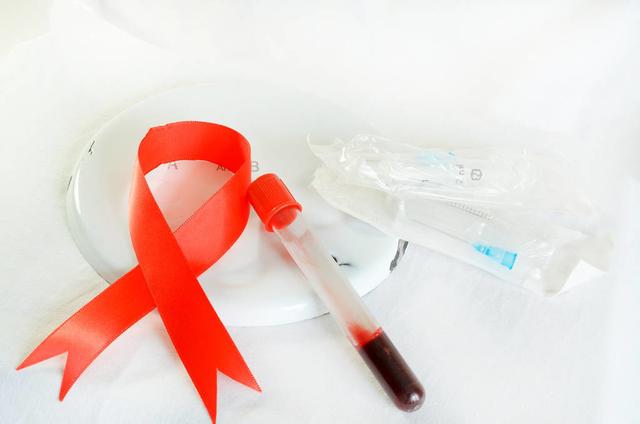
3. Anemia with impaired oxygen-carrying capacity
Oxygen is mainly transported by blood to the body, and blood carries oxygen by hemoglobin. When this substance is insufficient, even if the air is rich in oxygen, blood cannot deliver oxygen to the body to meet the body's oxygen needs. Therefore, the body will constantly promote ventilation in the lungs to improve the efficiency of oxygen delivery. This will result in shortness of breath, difficulty breathing, and even panting.
This article was exclusively produced by 'Jinlan Traditional Chinese Medicine Society' New Media, images are from the internet. Author Muqiu, do not reprint or copy without authorization.