The First Step in Running: Giving Up Building Mileage!
Running has already become a synonym for a sunny and active lifestyle for runners. However, for both beginners and advanced runners, many will fall into the trap of 'the further you run, the faster you go, the stronger you become.'

Compared to accumulating mileage, achieving healthy, injury-free, and sustainable running is key. Therefore, the following points are hoped to be taken seriously by those who love to run!
Clear objectives

Many runners have numerous goals, perhaps to run faster or further, or to complete multiple races. They will tailor their training to these goals, but often with little success.
We should focus on one precise goal, and only improve the training content after achieving the first goal.
Don't Rush

New runners will experience rapid improvements at the beginning, but later find that the closer they get to their expected goals, the harder it is to make small progress.
They desperately try to achieve their goals but lack patience. Runners need to know that running is a gradual process; don't try to 'eat a big fat man in one breath.' Take it slow and steady.
Beware of injury risk

The pursuit of speed can cause some runners to forget the importance of rest and recovery. Continuously increasing intensity will severely damage physical condition. Ignoring the injury signals your body sends you can lead to physical injury.
Some runners often say they've experienced running-related injuries but haven't sought a solution. This will only make the situation worse; problems should be addressed early on, otherwise, your running plan may be interrupted and require long-term rehabilitation.
Ignore Flexibility

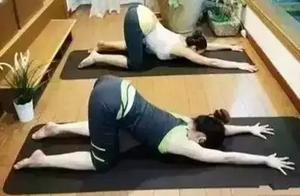
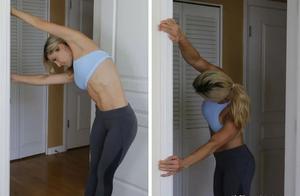
We often hear the saying, 'I always stretch and warm up, but I just don't have time for it; it's okay.' In reality, stretching is essential. As we age, our flexibility decreases.
Reduced flexibility can lead to improper movements, such as tight hamstrings, inflexible ankles, or tight hip flexors, all of which can affect running.
Importance of running posture

Weak muscles, low flexibility, and lack of attention can lead to poor running posture. If your current running posture makes you quickly exhausted and causes pain after running, you need targeted training to improve your posture and prevent injuries.
For example, weakness in the glutes causing a lower pelvic tilt can be solved through glute strength training; tight hip flexors restrict knee movement, and regular hip flexor stretches can address this.
This content is from:
Authorized by People's Post and Telecommunications Press