To make food better, you need to learn techniques! Here are 3 food techniques, collect them quickly.
Won't cook or prepare meals because you're afraid, learn some simple cooking techniques, and do it a few times, and you can also make dishes that your family will be satisfied with. Today, I'll continue to share 3 cooking techniques for you.
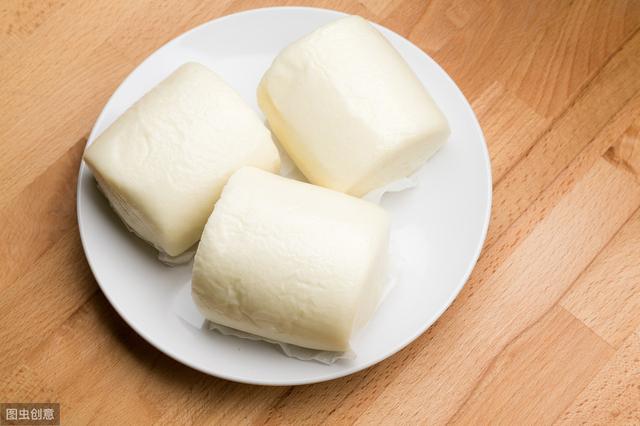
I previously shared an article on kitchen cooking techniques, but because it was written in a rush, the article wasn't completely finished (it wasn't completely finished because there were too many cooking techniques). Today, I'll continue to share some simple techniques that I've summarized, which are things we can all encounter in everyday life. They're not complicated or mysterious. I hope you like them.
Techniques for steaming buns and buns – dough preparation
When steaming buns and buns, you should use medium-strength flour or strong flour. The most important step is to ferment the dough. You'll need yeast and baking powder as fermenting agents, and lard as a flour improver.
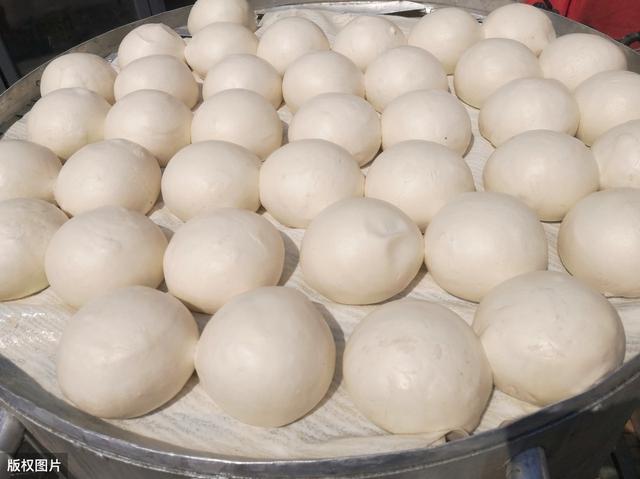
Yeast is the main fermenting agent. To speed up fermentation and increase the success rate, we can add some baking powder appropriately. Because baking powder is also a fermenting agent. The role of lard is to improve the flour, making steamed buns whiter, more fluffy and less prone to cracking.
- Mix 500 grams of medium-strength flour, add 5 grams of yeast, 20 grams of sugar, and 7 grams of baking powder, and mix evenly. The water-to-flour ratio should be about 2:1, and add 30 degrees Celsius of warm water to make the dough. After mixing, the dough should be in a crumbly state, then add about 15 grams of lard, and then start making dough.
- Knead the dough until it's smooth and has a good texture. Then cover the bowl with a damp cloth and place it in a room with a temperature of 25 to 35 degrees Celsius to ferment until it's twice its original size. Then take out the dough, knead it again, and deflate it.
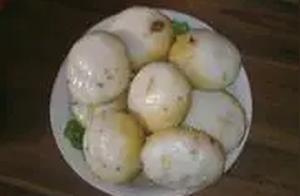
- After kneading and deflating, divide the dough into several small pieces and shape them into buns before placing them in a warm place to ferment for about 20 minutes. When the buns have obviously increased in size, you can cook them.
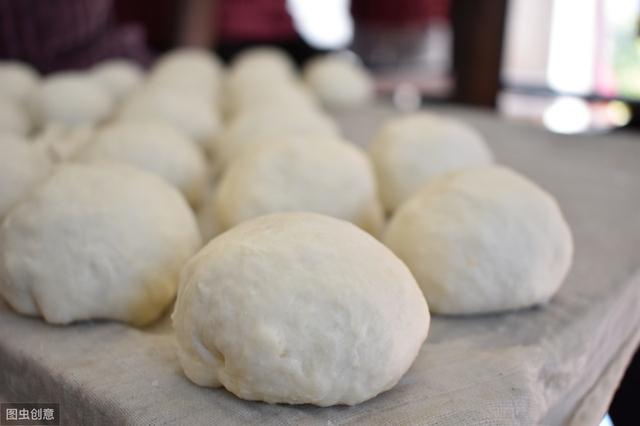
Steaming buns and buns dough preparation techniques summary
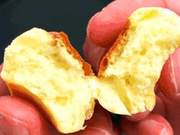
- Adding appropriate baking powder can help with fermentation, increase the fermentation speed and success rate, and adding the right amount of lard can make the buns whiter, more fluffy and less prone to cracking.
- Knead the dough well before fermentation – knead it more to develop gluten.
- The fermentation temperature should be between 25 and 35 degrees Celsius, and when making dough, use warm water.
- After fermentation, kneading and deflating the dough thoroughly is essential. Otherwise, the surface of the steamed buns will be uneven, and the internal texture will not be fine.
Techniques for making juicy and flavorful dumpling fillings
To make dumpling fillings juicy and flavorful, you just need to learn the techniques for making them juicy. It's actually very simple – just to keep the meat filling moist. Of course, this water is not simply added. Now we'll step by step explain how to do it.
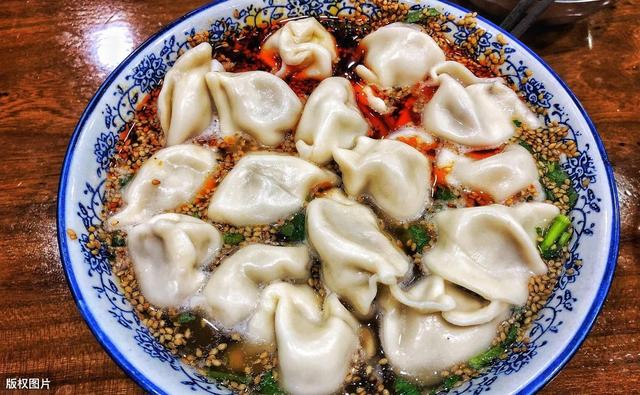
- Let's take 500 grams of meat filling as an example, add appropriate ginger and salt, and mix evenly. Then prepare about 4 ounces of chili water (after soaking chili and star anise in boiling water and cooling, you'll get chili water). Divide the chili water into 4 parts, and add it to the meat filling one part at a time. Each time, stir the meat filling with one direction until the water is absorbed. Using chili water can increase the moisture of the meat filling and also enhance the fragrance and flavor and remove the smell. When stirring chili water, you must stir in one direction. If the direction is not correct, the meat filling will easily lose its strength and become loose, and the water will not be absorbed.
- Then start seasoning, add oyster sauce, light soy sauce, pepper, and a small amount of fragrant oil, and stir evenly. Finally, pour in mature oil or sauce oil (oil-fried green onion, ginger, onion, and coriander after removing the residue and cooling, the oil is sauce oil) and stir evenly. When seasoning, also stir in the same direction as when stirring chili water, don't stir in reverse, otherwise the meat filling will lose its strength and release water.
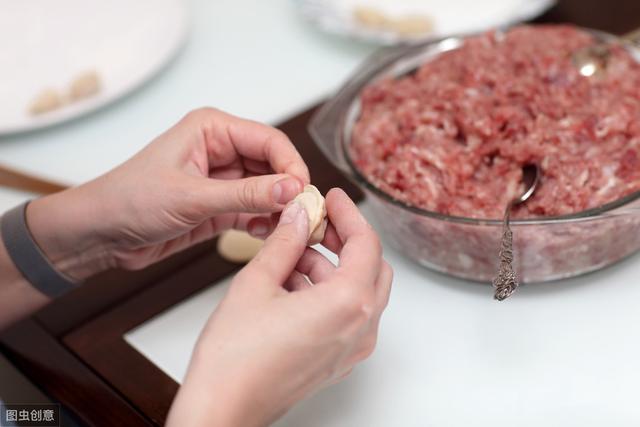
Juicy and flavorful dumpling filling techniques summary
- The key to juicy and flavorful fillings is 'adding water'. Why are the dumplings outside so delicious? This step is the key. This method can also be used for making buns.
- Divide the water into 3 parts and stir it into the meat filling each time, and let each part of the water be absorbed completely.
- When seasoning, also stir in the same direction as when adding water, so the meat filling won't release water.
Techniques for making white and odorless pork lard
It's delicious to make pork lard, but you have to make it yourself. To make pork lard that is white, odorless, and can be stored for a long time, you first need to choose the material correctly, use pork lard instead of pork fat, and then use water to make pork lard. Finally, add a little chili and soybean when making pork lard to remove the smell and increase the fragrance and extend the storage time. Let's see the correct steps for making pork lard.
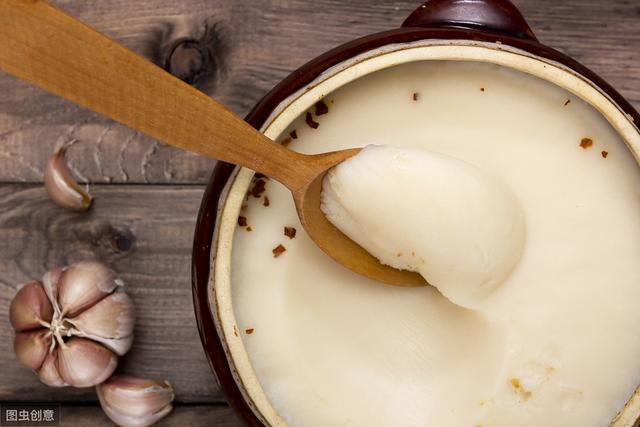
- First, clean the pork lard and refrigerate it for several hours, which will make it easier to cut. Then cut it into dice and cook it in cold water. After draining the water, discard the foam released in the water. The purpose of cooking in cold water is to remove the blood and impurities in the pork lard, so that the final pork lard is whiter.
- Then start making lard: in a pot, add one spoonful of water, put in the pork lard, and open a large fire. Wait until the water in the pot evaporates, and then slowly start making lard. Adding water at this time is to make the pork lard heat more evenly at the beginning, preventing the pot from sticking and ensuring that the pork lard is white. Pay attention: if you want to add salt to the pork lard, this is the best time to add salt, so that the salt will melt and spread into the cooked pork lard. If the pork lard is cooked and then added to salt, the salt will not melt.
- Wait until a lot of oil has started to come out. Add a little onion and ginger to the oil, and when it turns slightly yellow, pick it out and discard it. The purpose of doing this is to make the pork lard fragrant, but note that you shouldn't burn the onion and ginger, otherwise it will also affect the whiteness of the pork lard.
- When the lard residue turns yellow, you can drain it out. Add a few soybeans and a few dried chilies to the lard jar, pour the lard into the jar, and let the oil temperature cause the soybeans and chilies to release their fragrance. Let the solidified lard have a more fragrant flavor.
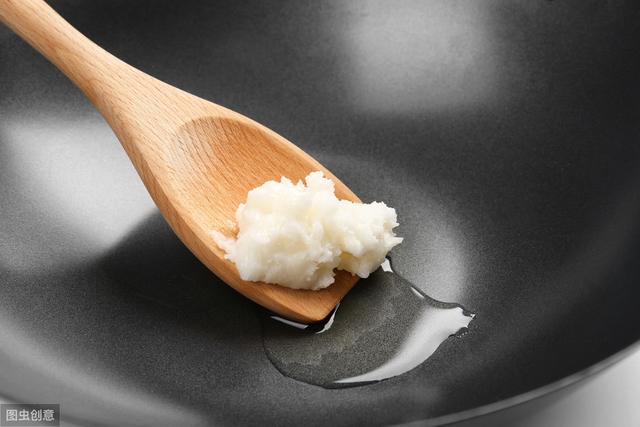
Techniques for making white and odorless pork lard summary
- The material for making pork lard should be pork lard, not fat oil. This is the key to the fragrance of pork lard.
- Clean the pork lard and refrigerate it for a few hours, which will make it easier to cut and also make the pork lard whiter.
- Use water to make pork lard to prevent pork lard from sticking in the pot and causing it to be white. This is one of the reasons why the pork lard is white.
- Add soybeans and dried chilies at the right time to make the pork lard more fragrant and prolong its storage time without any odor.
Great! Today's 3 cooking techniques are introduced here. I'm Little Lin Kitchen's Little Lin. If you like it, you can follow, collect, and like it. If you have better cooking techniques, you can leave a message below to share with more friends. Thank you for reading.