Identifying Fresh Pork and Diseased Pork
Pork is a dish that is not missing from the dining table, its taste is sweet and salty, it contains rich protein and fat, carbohydrates, calcium, iron and phosphorus, and has the effects of replenishing deficiency and strengthening the body, moisturizing and relieving dryness, and nourishing muscles and skin. But in daily life, how many people can distinguish between fresh pork and diseased pork?
First, let's understand what is diseased pork?
Diseased pork refers to pork caused by illness or death after ingesting poisonous substances such as pesticides, rodenticides and heavy metals.
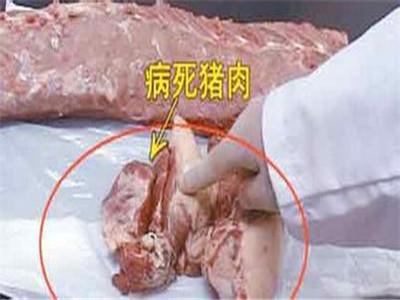
So how to distinguish between diseased pork and fresh pork?
1. Look at the appearance
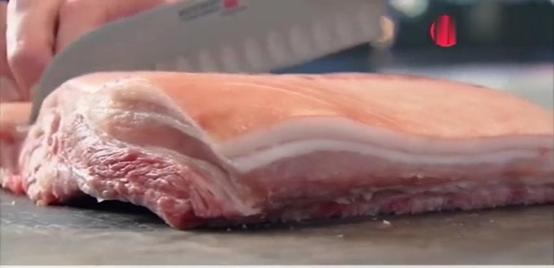
Healthy pork has no blemishes on the skin. Diseased pork often has purple bleeding spots on the skin, or even appears as red or yellow lumps. Healthy pork is generally red or pale red, while diseased pork is dark red or dark red. Healthy pork fat is white or milky white, shiny, while diseased pork fat is red or yellow with abnormal color.
2. Smell the taste
Healthy pork has a normal fresh and fragrant smell, no odor. Diseased pork has a bloody, rotten smell, and other odors.
3. Touch the elasticity
Healthy pork has tight and elastic meat, pressing with fingers will immediately recover the depression. Diseased pork due to serious decomposition, the tissue loses its original elasticity, pressing with fingers will not recover, sometimes fingers can even pierce the meat.

4. Taste the taste
Healthy pork, when cooked in a pot, has a fragrant flavor and a thin layer of fat on the surface of the soup. Diseased pork, when cooked, has more water, no fragrant flavor, and no thin layer of fat on the surface of the soup. When bitten with the mouth, the meat is very hard.
Therefore, it is necessary to buy meat and meat products from regular supermarkets and stores, and it is important to pay attention to whether the meat is covered with a quarantine seal and meat quality inspection pass seal and quarantine proof, which can greatly reduce the probability of buying diseased pork. (Jiangxi Province Academy of Agricultural Sciences, Product Quality and Safety and Standards Research Institute)