Easy Toast Recipe: Learn How to Make Toast at Home Without Buying It
There are over a hundred fancy ways to eat toast online, the most common being to cut the toast into slices to make sandwiches, burgers, or toast them on a griddle with jams or peanut butter. There are also countless other variations, truly a burst of creativity, often referred to as 'Toast in hand, breakfast is guaranteed' – therefore, toast has become a must-learn course for baking enthusiasts. Let's seize the day; let's make toast for tomorrow's breakfast.
Before making it, I researched 450g of toast bread recipes. It wasn't particularly special, mainly because the recipes varied in the amount of high-gluten flour, ranging from 400g to 250g. I've tried several recipes and combined them with the characteristics of my oven, and after several improvements, I've found a recipe and temperature that suits me, and now I'm sharing it with you for reference.
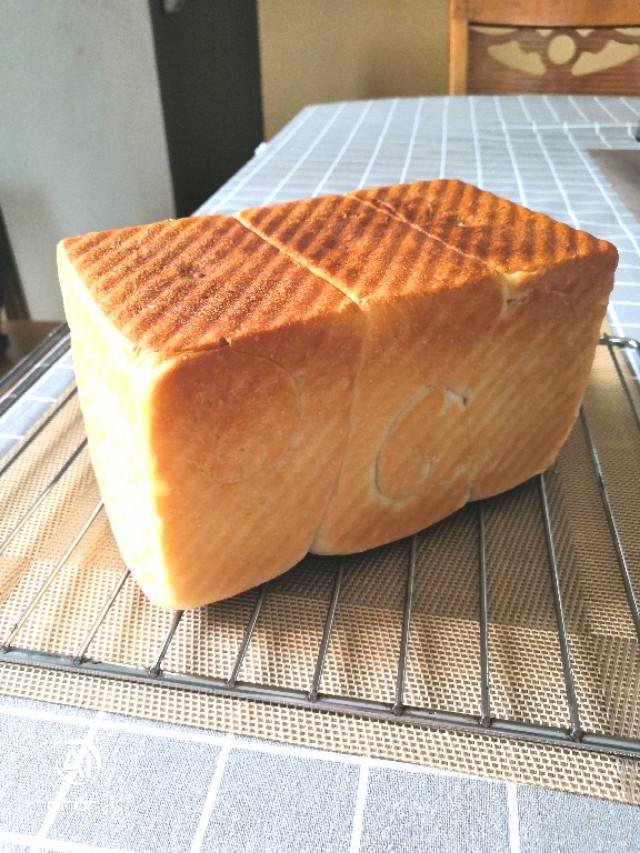
This time, I chose the Polish starter method.75g high-gluten flour1g of high-temperature yeast plus 75g water, mixed thoroughly, and left at room temperature for 1 hour, then placed in the refrigerator for a night.
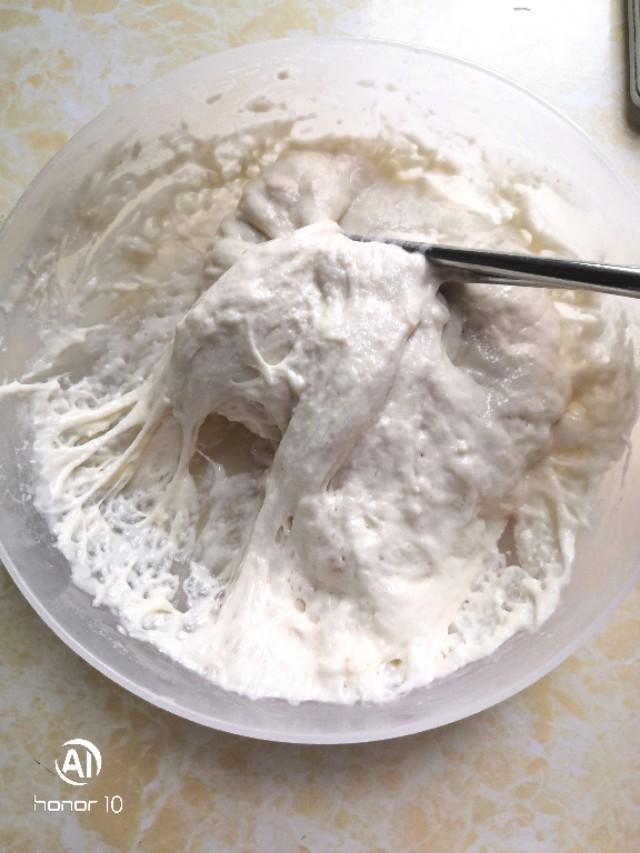
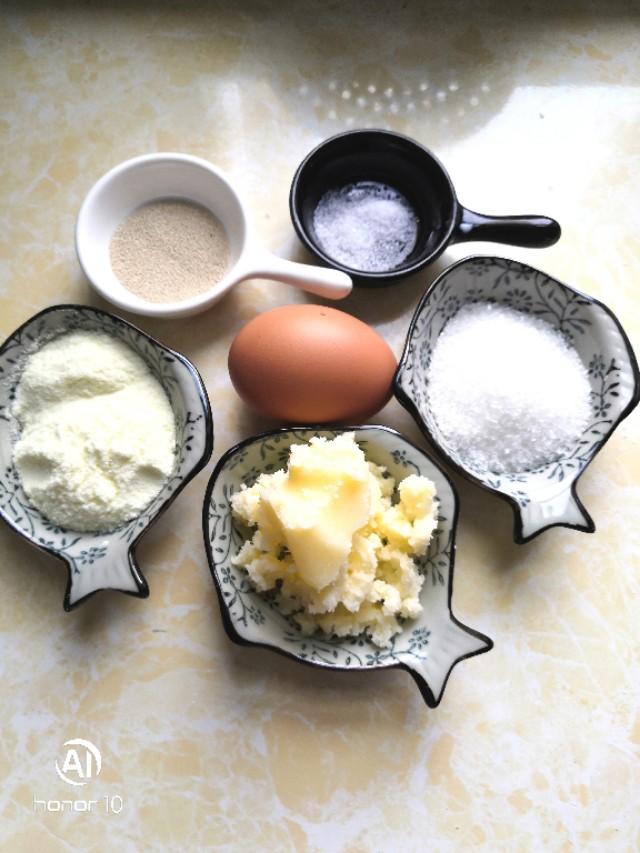
The next day, I took out the prepared Polish starter and left it at room temperature for activation,Prepare 200g high-gluten flour, 25g white sugar, 30g butter, 2g high-gluten yeast, 2g salt, 70g milk, and 1 egg.
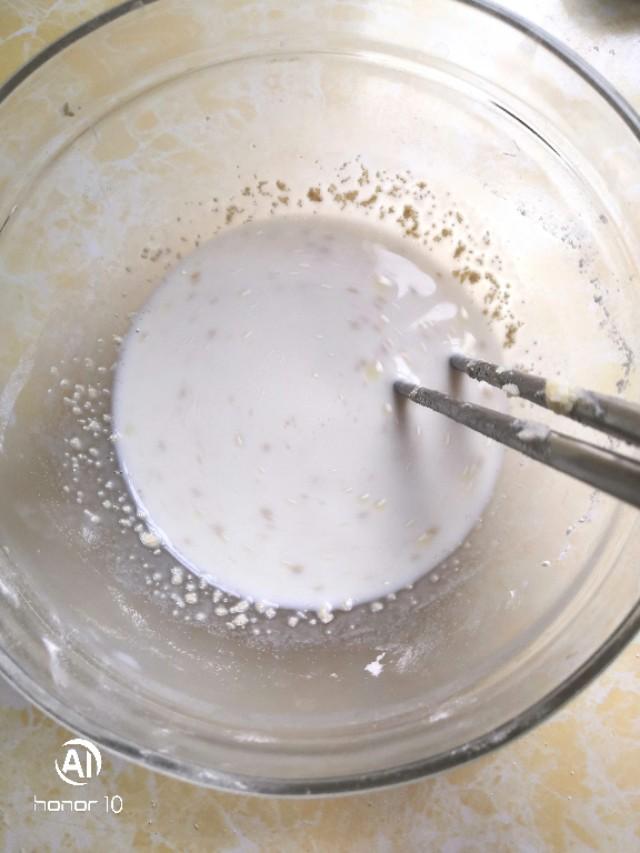
First, dissolve the yeast in warm milk, then add all the other ingredients except the butter to the Polish starter dough to form a soft and sticky dough.
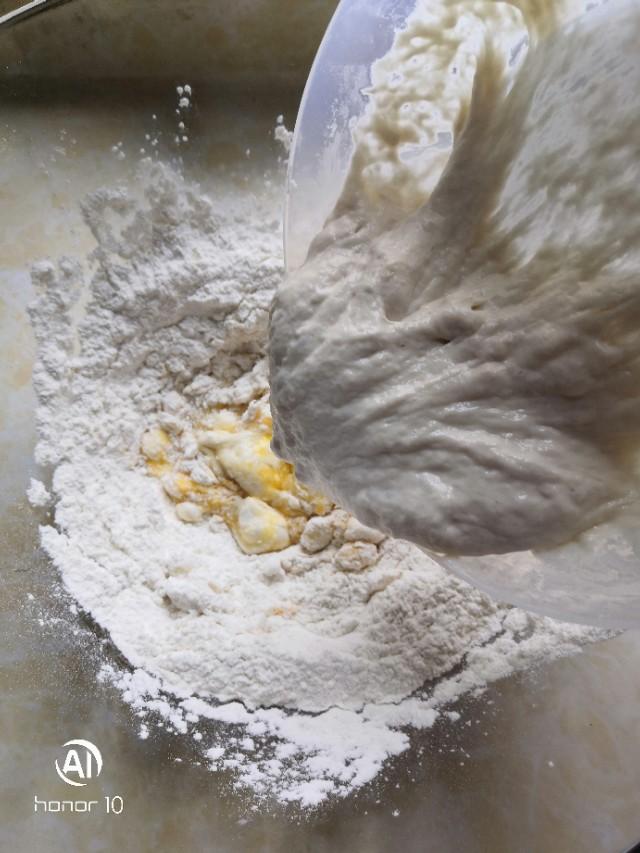
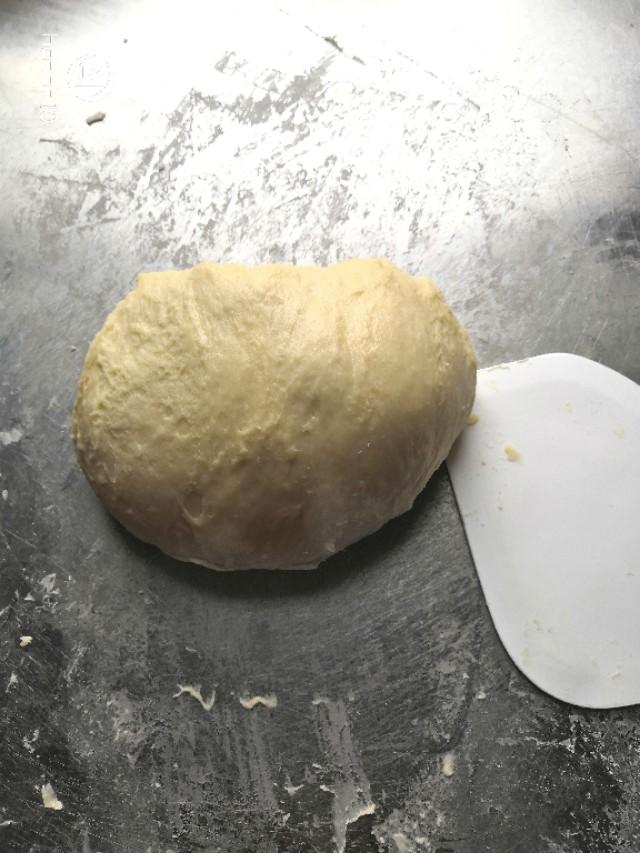
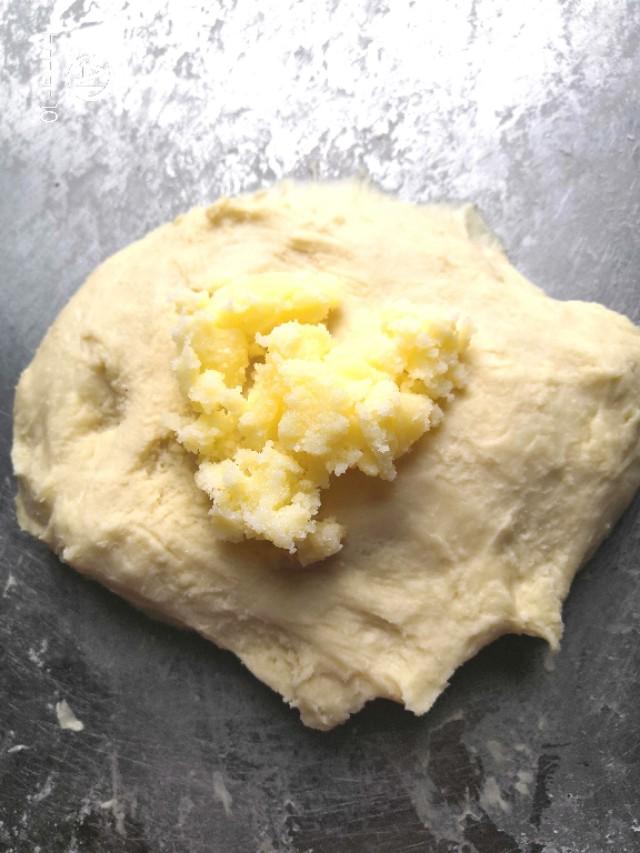
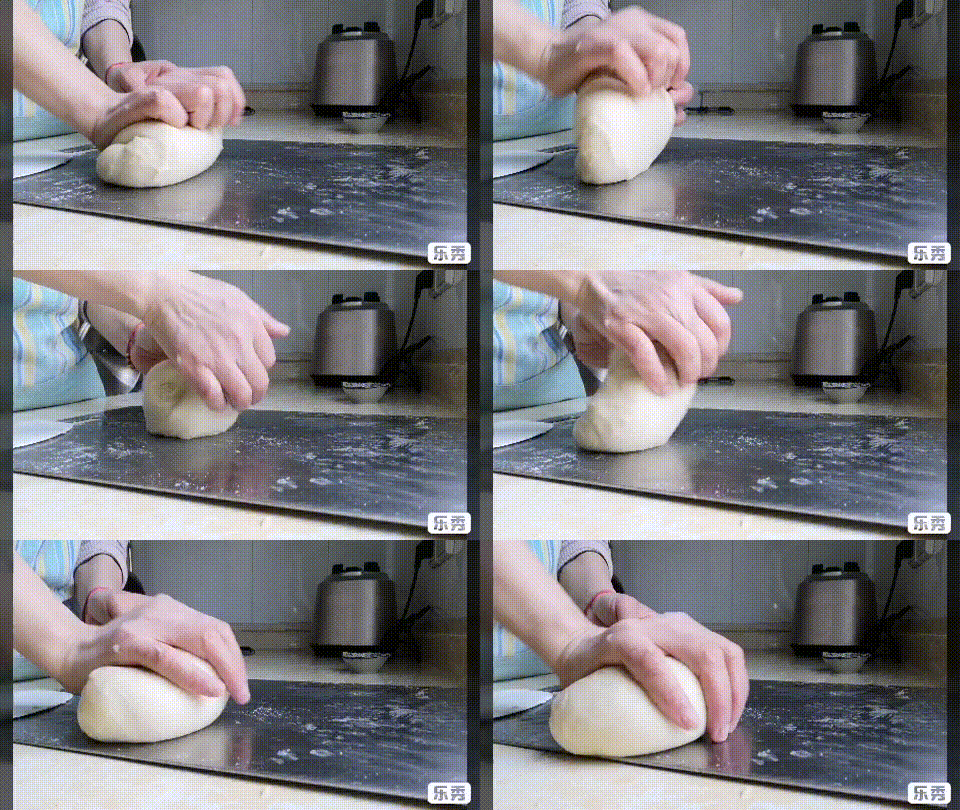
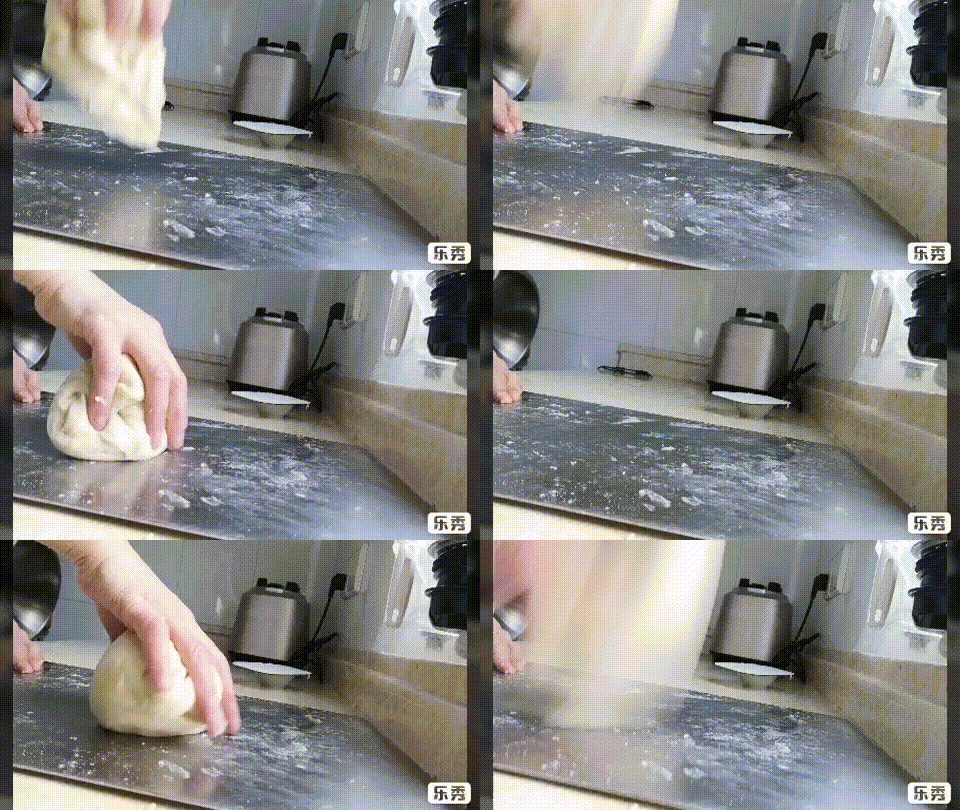
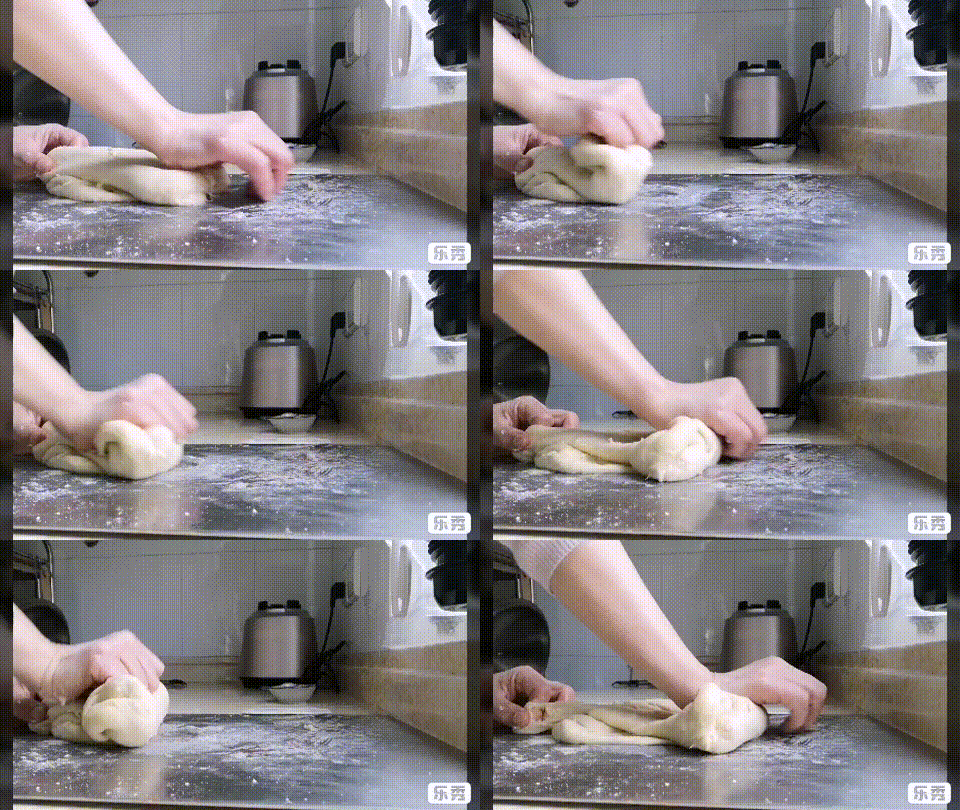
Work the dough on a board for a few minutes until it becomes smooth and less sticky, then add the room-temperature softened butter and continue to work with kneading, rolling, and slapping techniques until the dough forms a film on your hands.
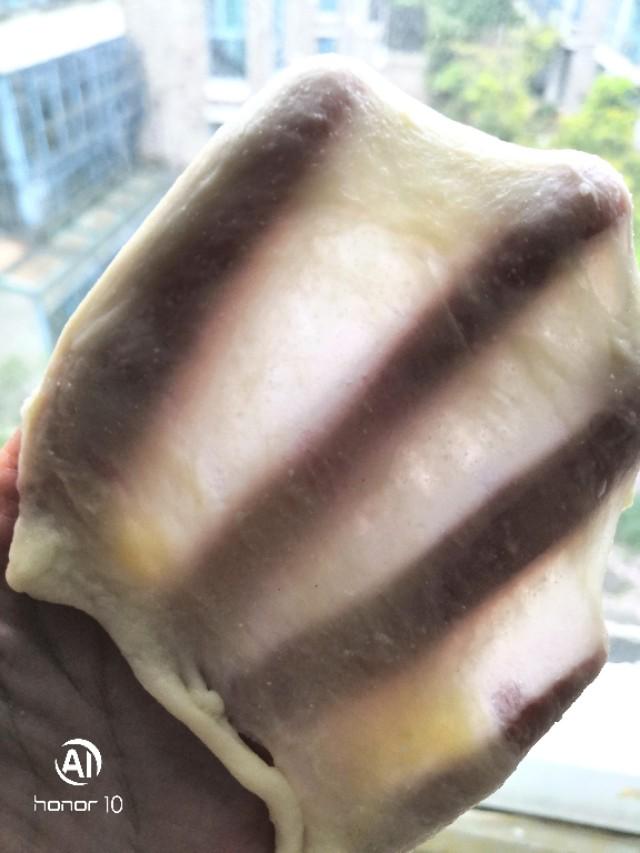
After kneading, place it back in the bowl, cover it with a lid, and let it ferment in a warm place until it doubles in size.
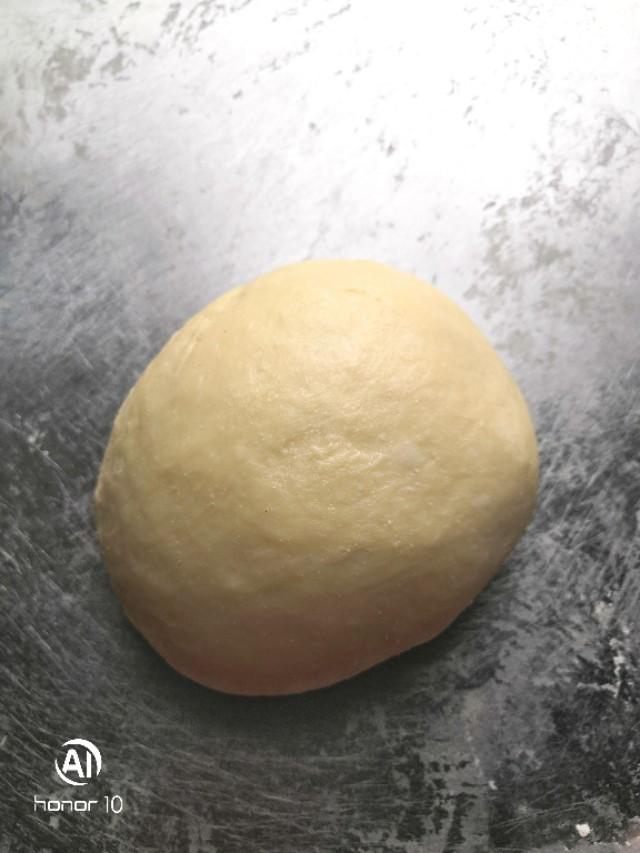
After fermentation, press and release air, then divide it into three equal portions, shape them into balls, and let them rest for 20 minutes.
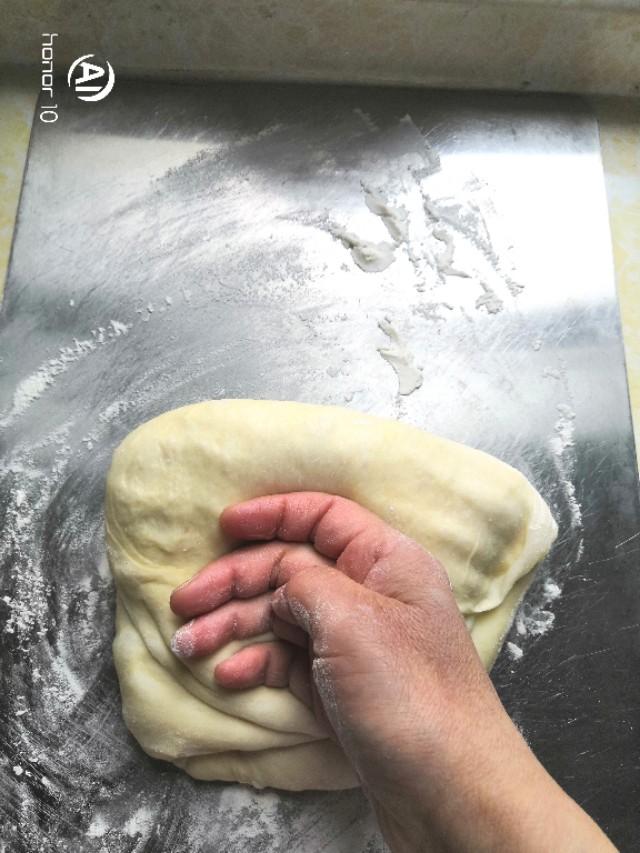
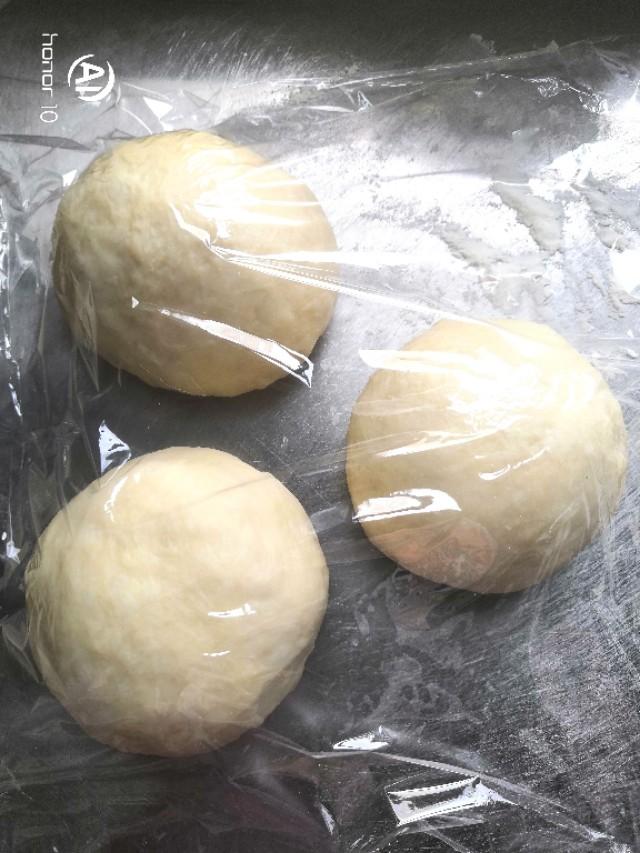
Take out one dough ball and roll it into an oval shape, then roll it up.
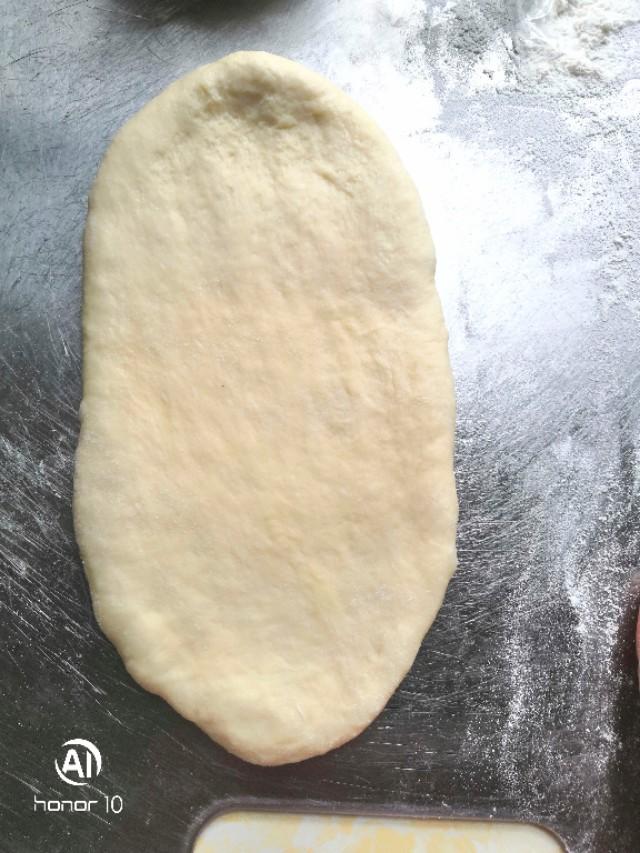
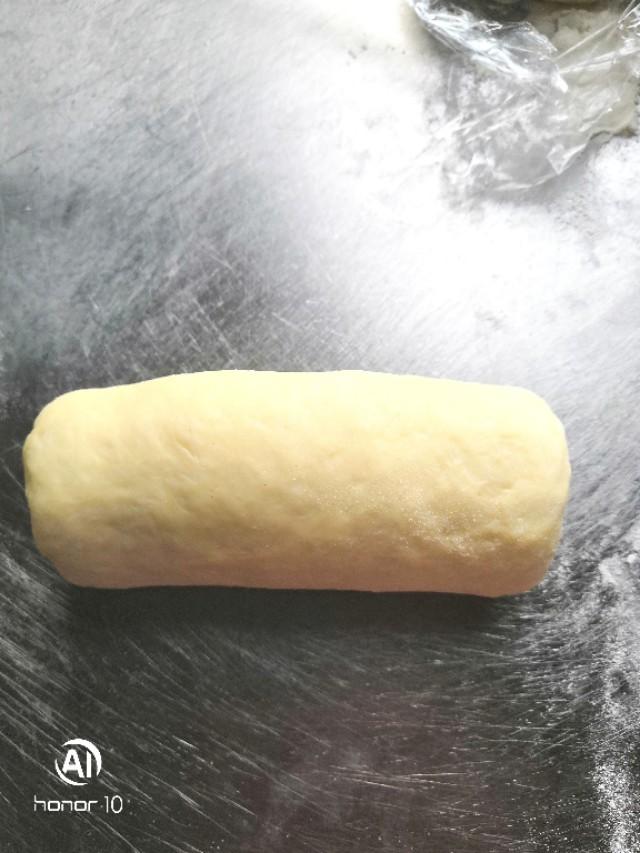
After resting for 20 minutes, roll it open again and roll it up, then put it into a mold.
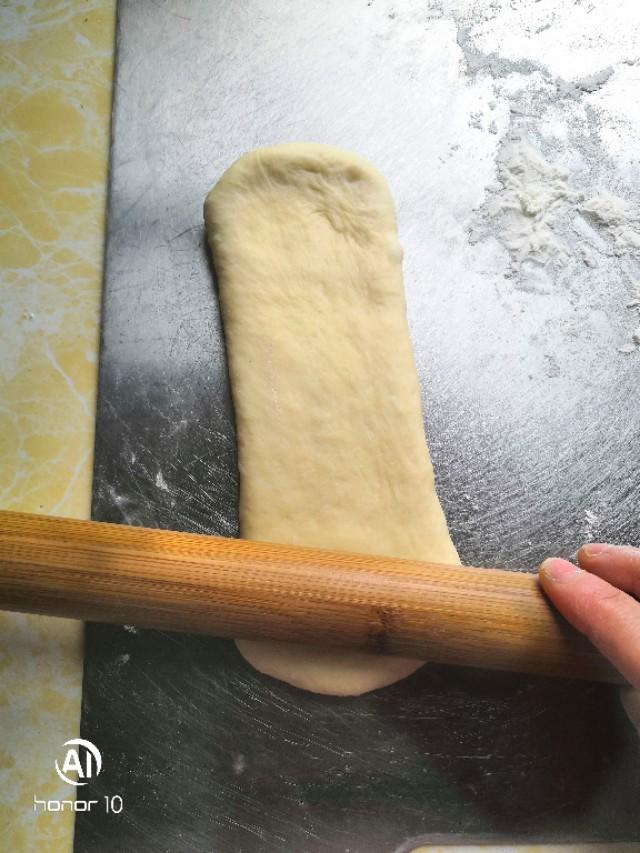
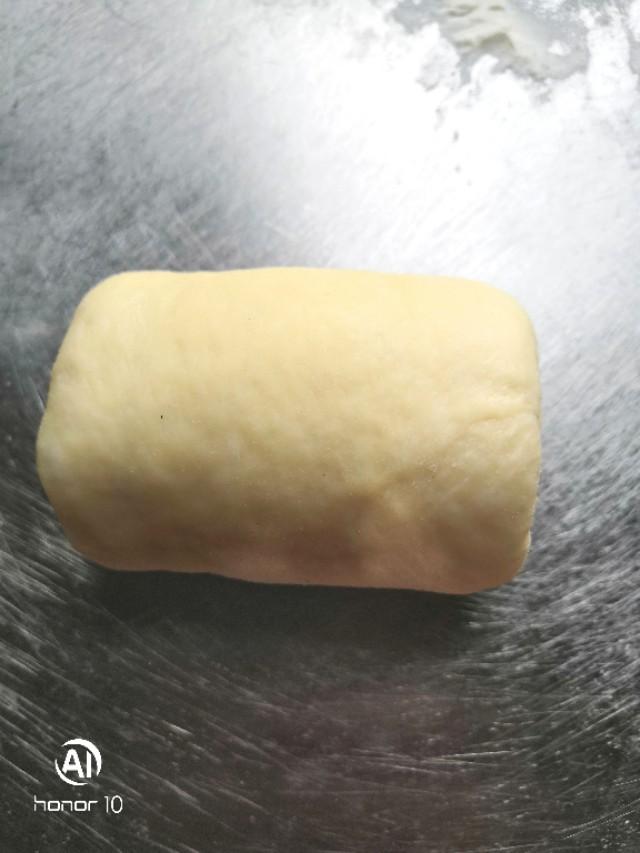
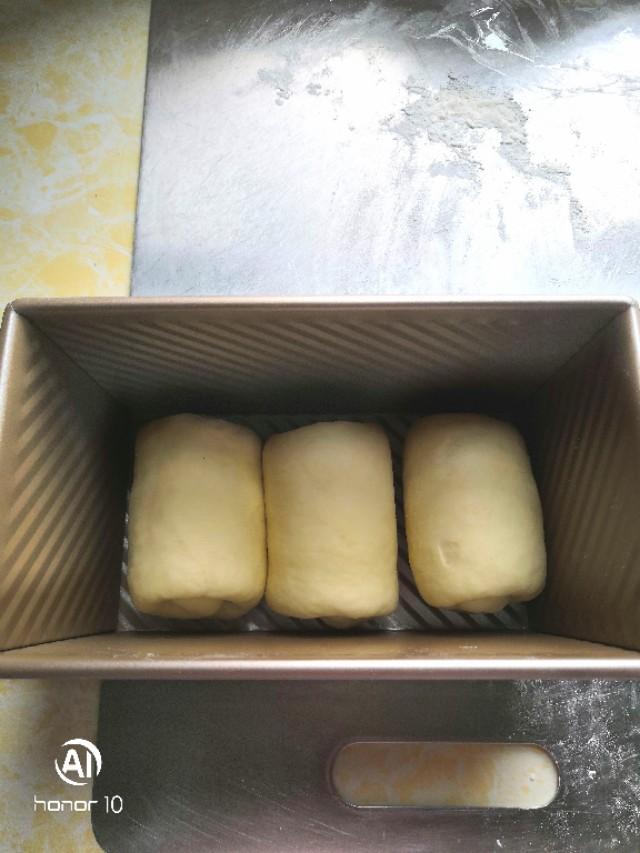
Cover with plastic wrap and let it ferment until 90% full.
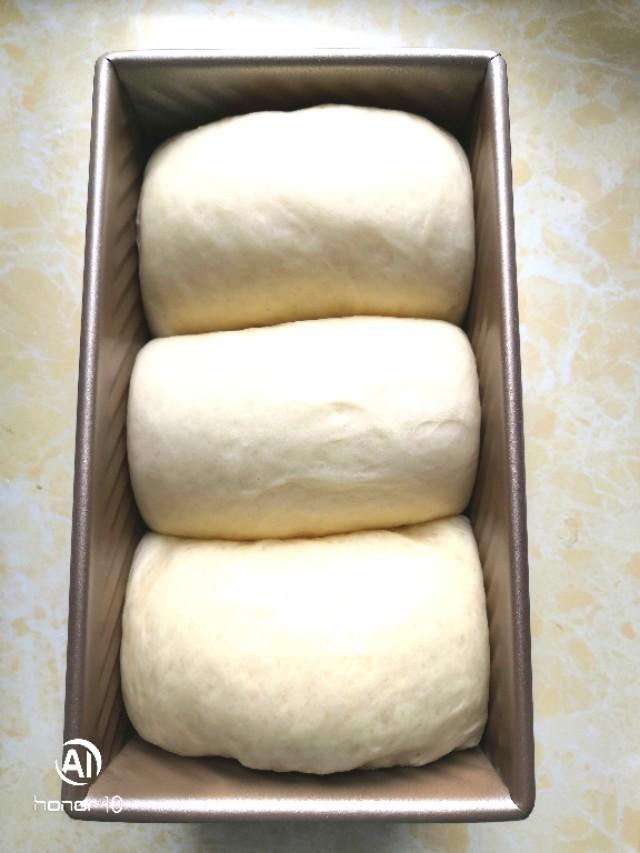
Place the mold in the oven, middle rack, with a temperature of 150 degrees Celsius for 10 minutes, then 160 degrees Celsius for 10 minutes, and finally 170 degrees Celsius for 10 minutes. The time and temperature are just for reference. Once done, remove the mold and let it cool completely.
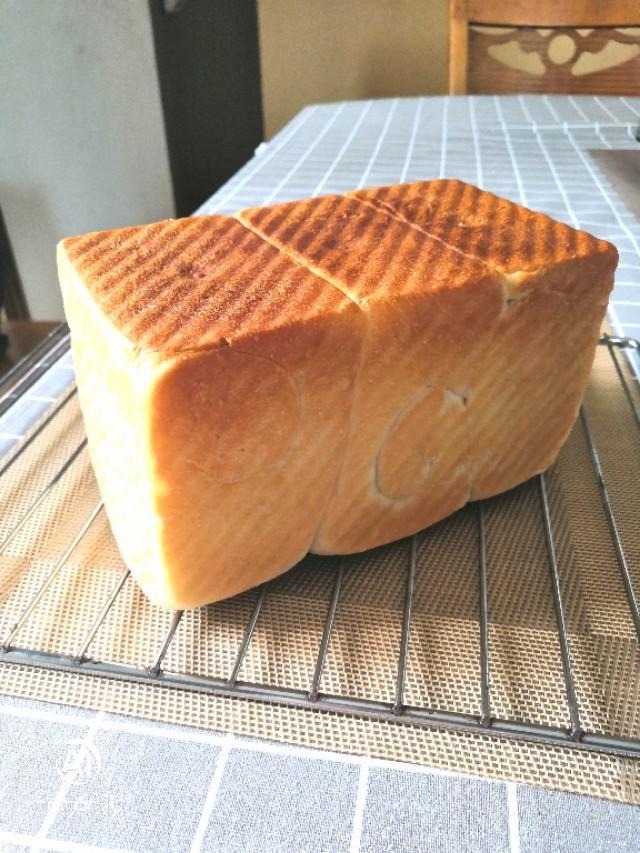
Cut into slices after cooling.
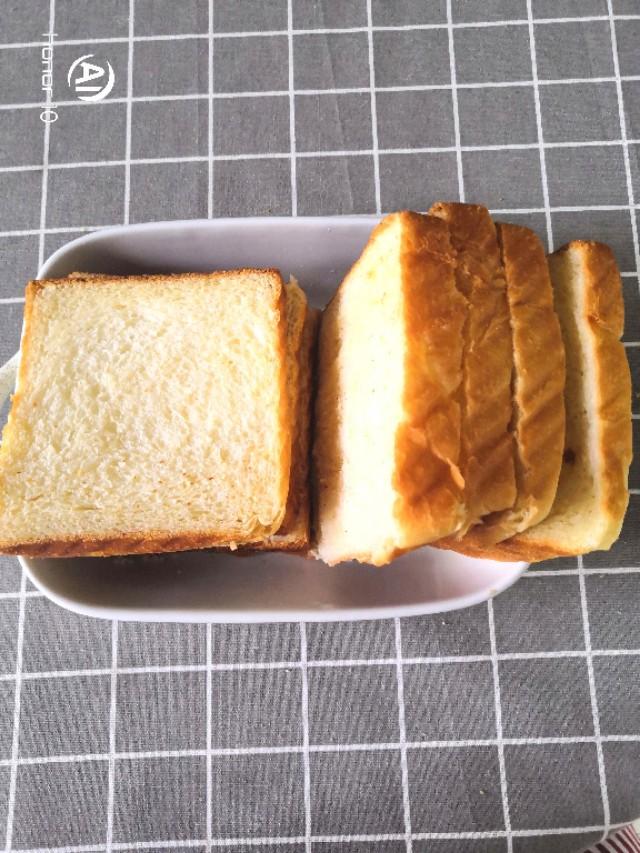
Polish starter toast is particularly soft; it doesn't harden even if you eat it the next day. After several trials, I finally chose to use 275g of high-gluten flour, resulting in a fully textured loaf because the mold was covered with plastic wrap, so I couldn't see the browning, and I repeatedly adjusted the temperature to finally achieve a satisfactory color. The recipe and temperature are for reference.
As a supplement,To achieve a fully textured loaf of toast, the recipe is important, and the secondary fermentation is equally important. It must be at least 90% full, or at least 80% full.