The Restaurant That Brings Tears to Elderly Hubei People, Where Every Dish is a Childhood Memory – A Classic of Hu Cai (Hubei Cuisine)
In the evening, we had reserved a first-floor seat at the old street's traditional Hubei cuisine restaurant yesterday. Starting from the Riyang in alley, we walked about 500 meters and could see the upper reaches of the Yangtze River (New River), you can't imagine that the water from Farmer Mountain Spring actually comes from under the Yellow Mountains, can you?
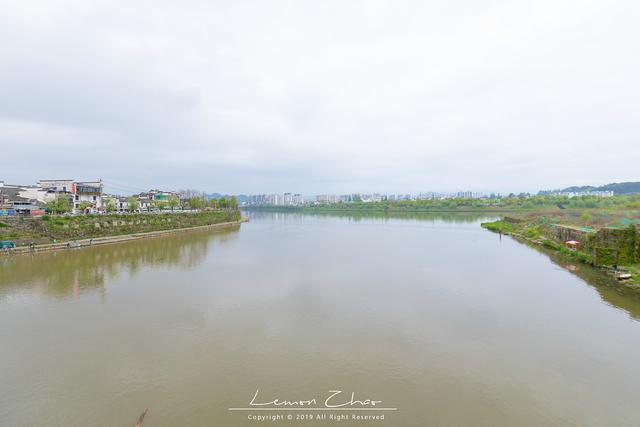
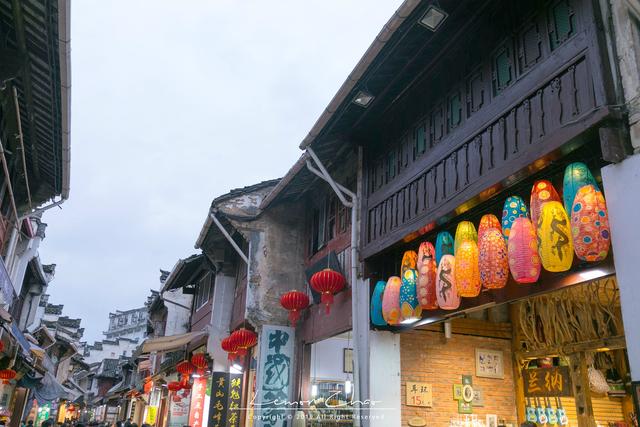
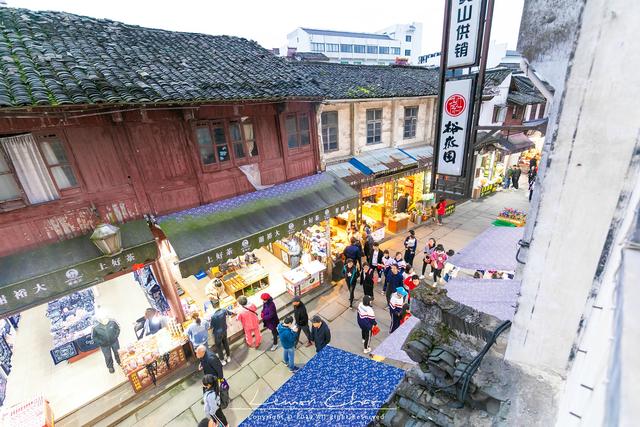
Riyang Old Street is very long, we are at the head, and the first floor is at the end of the old street. Although it's not yet a public holiday today, the old street is very crowded, compared to Riyang in alley, which is quite quiet. It takes about half an hour to walk, and finally we saw the big sign of the first floor of the old street.
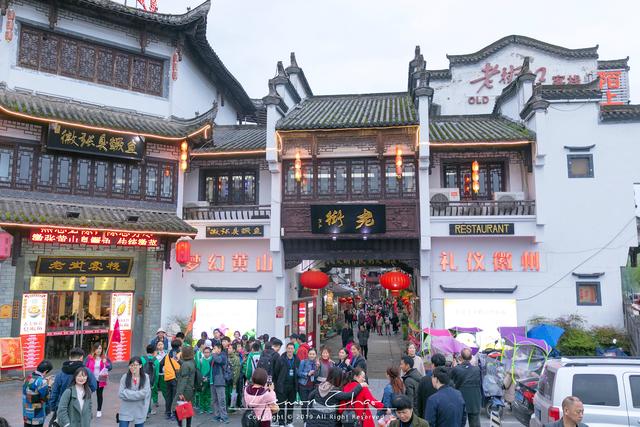
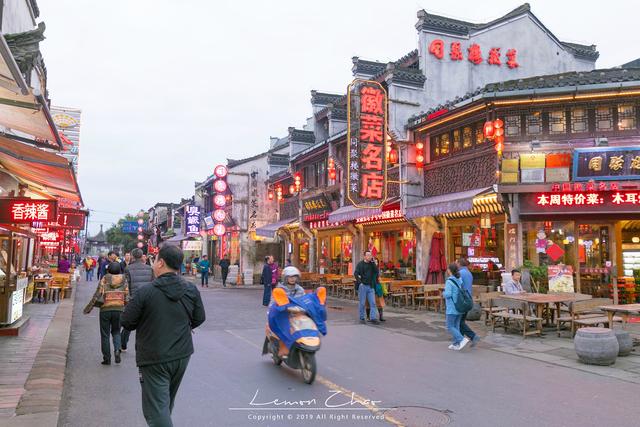
The first floor of the old street has been operating since March 3, 2000, and has been cooking classic Hubei dishes for the past and present. Therefore, it is praised as 'Hubei's most extravagant banquet, one of the best restaurants in Tuenmun Old Street''. The interior is truly grand and magnificent, which greatly reflects the characteristics of Hubei traditional architecture.
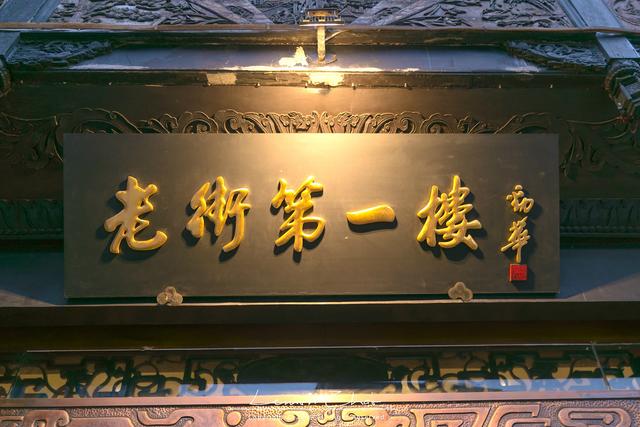
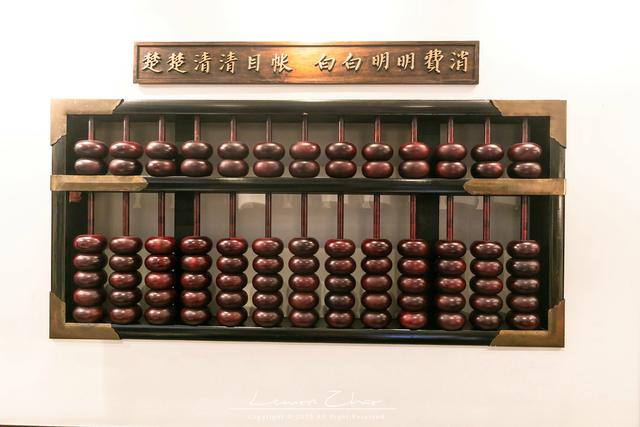
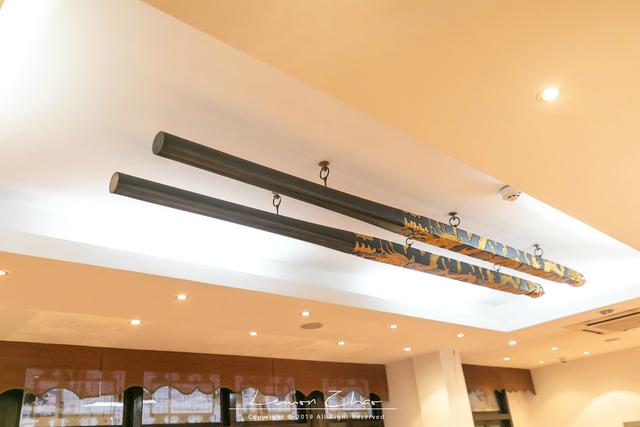
There are many things here that can be described as 'most' for example, the biggest abacus, the longest chopsticks, the largest plate, the largest wood carving, everything shows the historical status and commercial value of this restaurant.
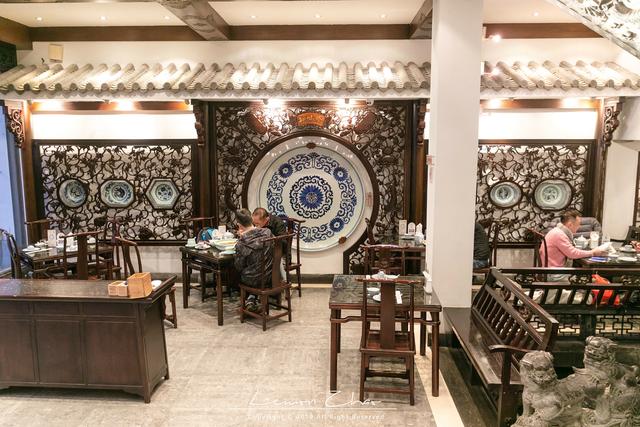
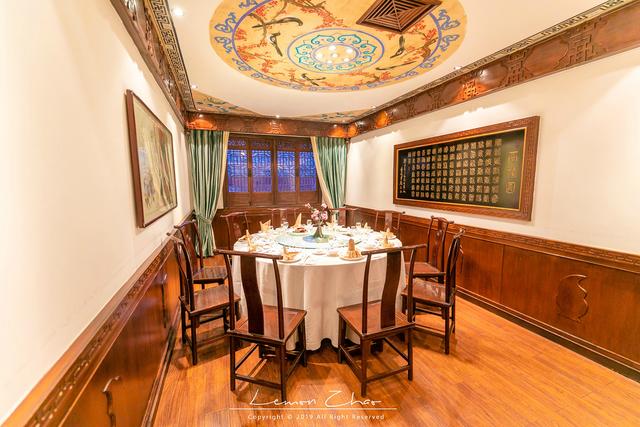
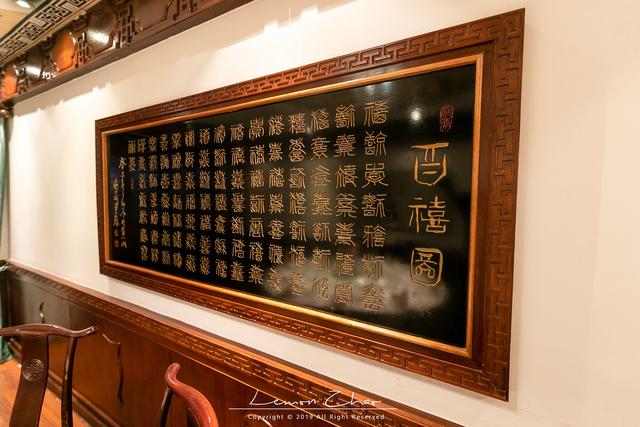
The names of the private rooms are all named after 'X' gardens, our private room is called 'Happiness' garden. As soon as you enter, you can see one hundred different ways of writing 'Happiness' on the wall, it takes a little literary knowledge to recognize all the characters.
Pushing open the screened windows, you can see the bustling old street below, with a lot of people, and various entertainments. This is a good viewing platform.
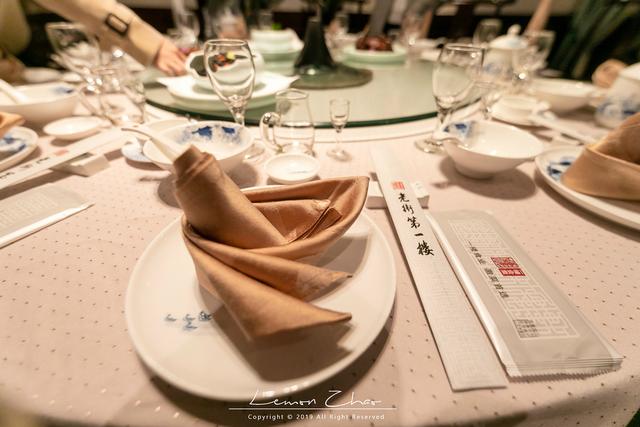
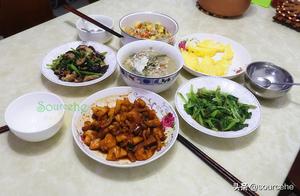
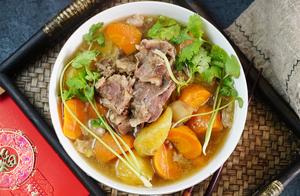
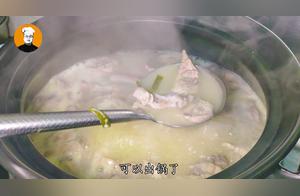
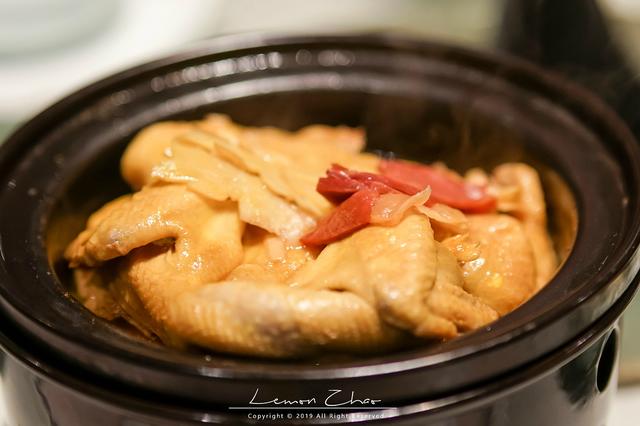
However, our theme today is still food. Hubei cuisine is characterized by thick oil and rich color, which is the soul of traditional Hubei cuisine. The first dish we had was 'Hu Shi One Pot', which made our eyes shine.
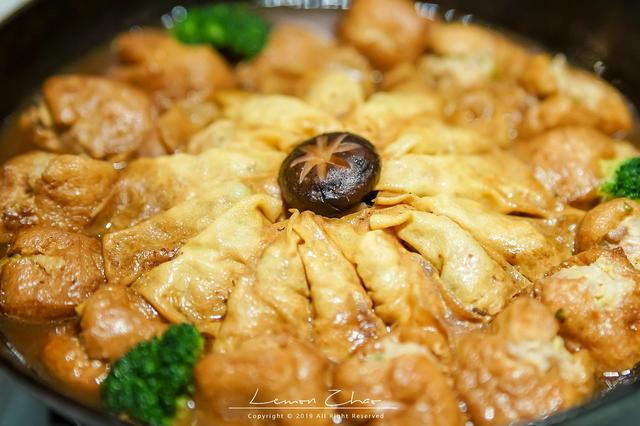
Legend has it that when Emperor Qianlong was traveling south with his entourage, he came to Hubei Province's governorate for accommodation because it was late, and the kind village woman warmly entertained him and served the remaining dishes in order of first vegetables and then meat. Emperor Qianlong and his entourage were very satisfied, and Emperor Qianlong asked the name of the dish. The village woman casually replied, 'One pot'. Emperor Qianlong thought it was not elegant, so he gave it a name, and meant 'This delicious food is worth a taste' and 'Anyone who shares this delicious food with the emperor is a worthy one'. Therefore, 'One Pot' has become a signature dish of Jixi Hubei cuisine for banquets.
Jixi natural mountains and rivers are majestic and beautiful, and the Hubei traditional architectural features are rich. There are many Hubei merchant homes, as well as the origin of Hubei cuisine, Hubei ink, and Hubei opera. It is known as 'Hubei's Kitchen', 'Hubei's Ink', and 'Hubei's Opera'. Generations of people in Jixi have been known as 'little scholars with small towns, and there are always talented people'. 'Five Four' New Culture Movement pioneer Mr. Hu Shi was one of them.
Hu Shi traveled throughout the country and abroad, always accompanied by Jixi's famous dish 'One Pot'. Whenever guests came to visit or entertain fellow countrymen, he would definitely order 'One Pot'. When he was the president of Peking University, Mr. Hu Shi would invite Jixi's nephew-in-law, Mr. Liang Hongzhang, to dinner with 'One Pot'. Afterwards, Mr. Liang Hongzhang wrote a memoir and said: 'A large iron pot, the diameter is about two feet, hot and steaming, was brought to the table, and there were chicken, duck, meat, and tofu in it, decorated with egg skin dumplings. Underneath was radish, green vegetables, the taste was great.' Mr. Hu Shi often entertained foreign dignitaries with 'One Pot' when he was the Ambassador to the United States, which was praised by everyone. 'One Pot' is made by mixing all the ingredients and seasonings, and then using a two-eared iron pot, and arranging it in several layers, the bottom layer is radish, mung bean, bamboo fungus, winter melon, winter shoots, and other ingredients. The ingredients on the bottom layer are called 'matting the pot', 'matting the pot' above is successively meat, tofu bag, duck meat, meat balls, chicken pieces, and wild meat, one dish is a flower arrangement, the more layers the better. Each layer is carefully arranged and then heated to a boil for a few minutes before slow cooking for one or two hours, and the original soup is constantly poured in from above to permeate the taste. If 'One Pot' is cooked well, it will not be greasy, not mushy, not too hot, not too cold, and it will maintain the perfect combination of color, aroma and taste.
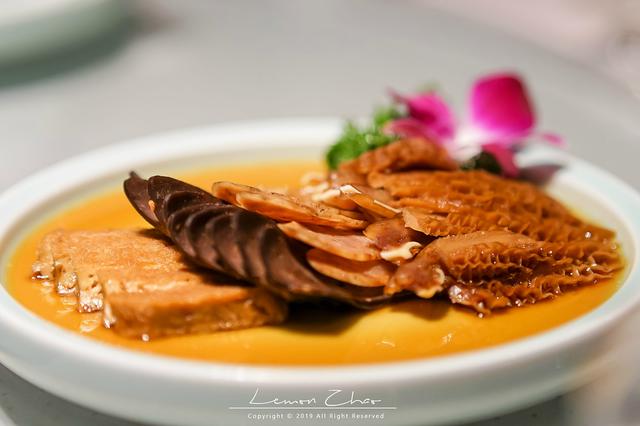
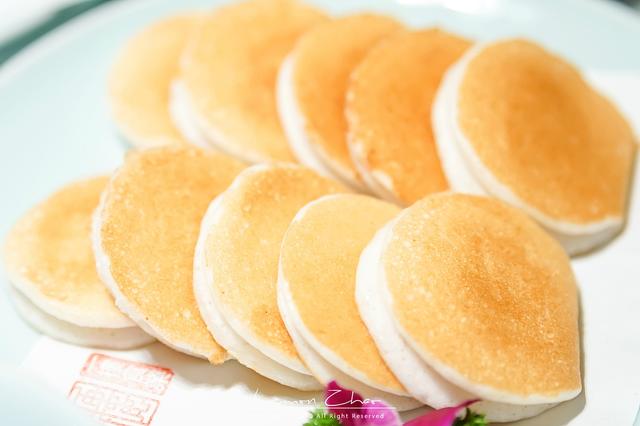
Hubei Mao tofu is also a classic dish in Hubei cuisine.
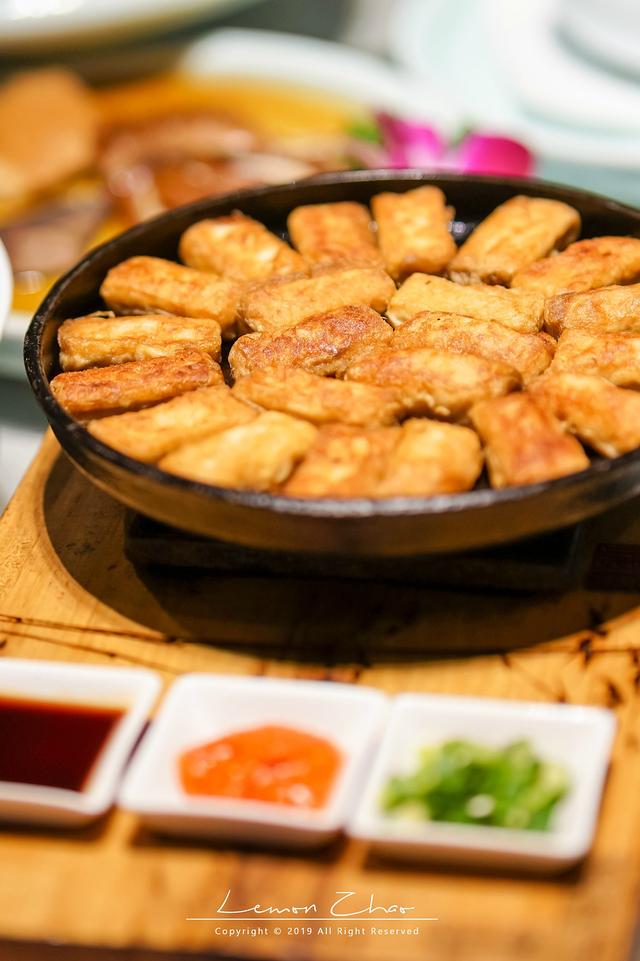
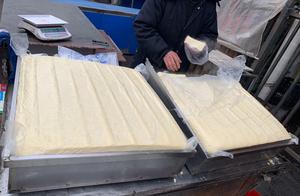
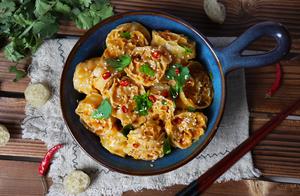
Mao tofu is also called mold tofu, a traditional Hubei cuisine dish, is a mold product with a white, fluffy surface, and is made by fermenting tofu, making it grow a fluffy white hair, then frying it until both sides are slightly browned, and then braised in red. The most interesting way to eat it is to encounter a street vendor selling tofu on the street, one hand to pull out the bamboo plug, the other hand to hold the tofu, and then pour oil and chili sauce on it, and eat it with hot oil. People from outside Hubei who have lived abroad will definitely remember Mao tofu when they hear it. This dish is said to have originated when Zhu Yuanzhang was defeated and fled to Huining, his stomach was very hungry, so he asked his attendants to search for food, and they found a few pieces of tofu that had been fermented and grown white hair, so they cooked it on a charcoal fire for Zhu Yuanzhang to eat. To his surprise, the tofu was very delicious, so Zhu Yuanzhang was very happy, so he ordered the army chefs to make Mao tofu to reward the troops, so Mao tofu was passed down in Hubei.
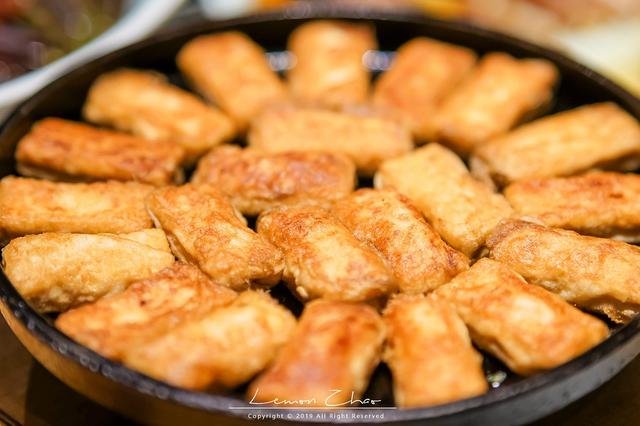
I don't like eating mushrooms when I was a child, but I love Mao tofu. When I was a child, I heard the sound of a bamboo plank ringing in the old street, I knew that the tofu vendor had come. Not far away, there was a smell of oil-fried tofu, which made people drool. I would grab my grandmother's sleeve without thinking, and then pull it to the door. My grandmother would always say: 'Little ancestor, slow down, slow down, walk walk, I'll buy you something.' In my memory, the cart is filled with boxes and slabs of fluffy tofu, and the other side is filled with charcoal fires and flat pans, burning fiercely, with smoke billowing. The hanging bucket is an old yellow duck mouth bamboo bucket, definitely filled with fragrant oil made from fresh rapeseed. When we arrived at the cart, we saw that the tofu sellers used their left hands to pull out the bamboo plug, and used their right hands to hold the tofu, and then poured oil and chili sauce on it, and ate it with hot oil. At this time, the little hands were eager to try, so they quickly grabbed a bamboo chopstick and put the fluffy tofu into their mouths. At this time, the little hands were in a mess, and they shouted and shouted, but the soft and delicious flavor was forever imprinted in their memory.
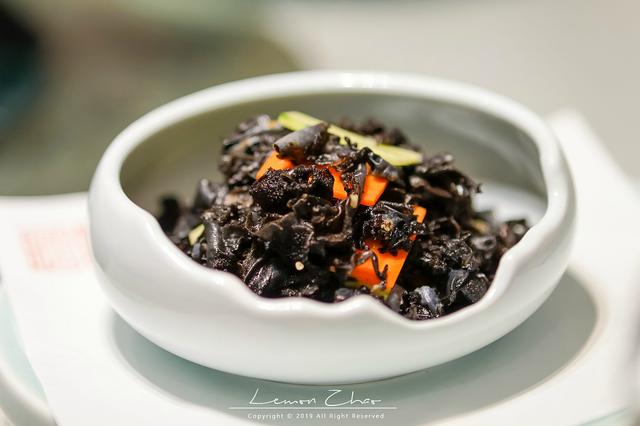
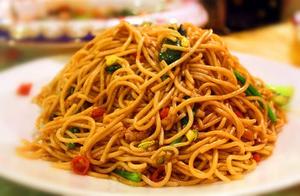
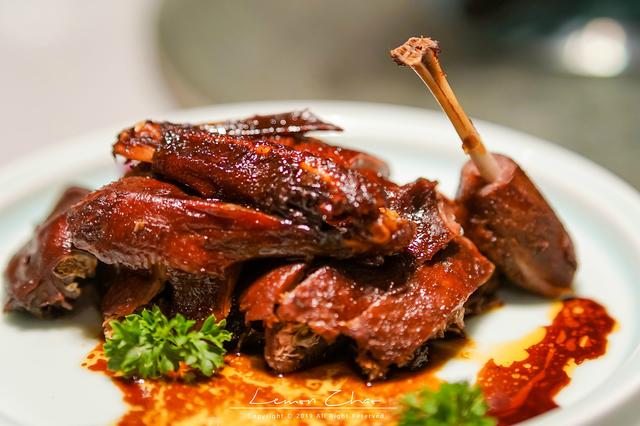
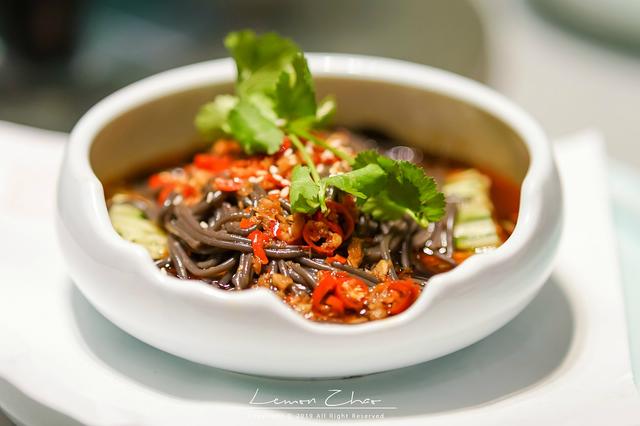
The aroma of 'Jiaguan Mibao' is also highly praised. The flavor of Hubei noodles is also excellent.
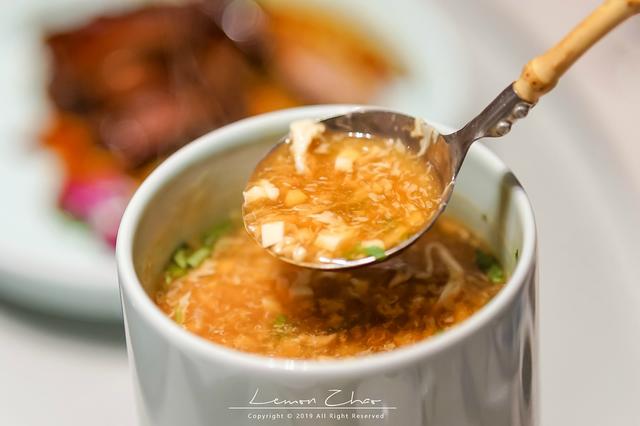
Tips: 1. 'Hu Shi One Pot', 'Li Hongzhang's Health Braised Dish', etc., these dishes are not only delicious but also have deeper meanings; 2. The first floor of the old street is located at the entrance of the number one historical street in China - Tuenmun Old Street; 3. 'One Pot of Luck' is a signature dish, конструкция 'Hubei Stinky Mackerel', 'Hu Shi One Pot', 'Yellow Mountain Double Stone', 'Hubei Gongfan Yuan', 'Tian Jian Mao Doufu' are characteristic products.
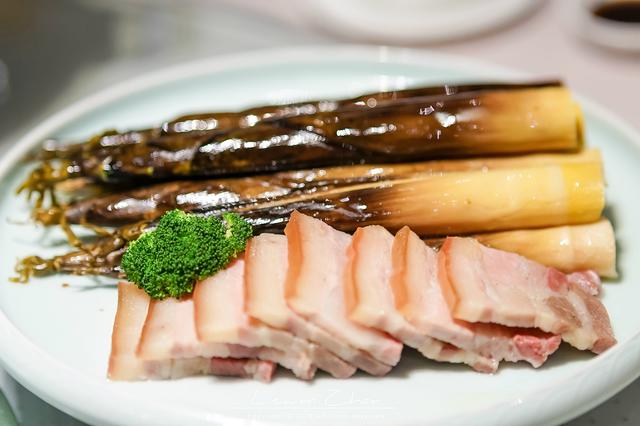
TIPS
1
2
3“”“”“”“”“”“”