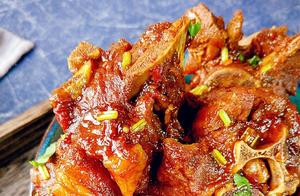
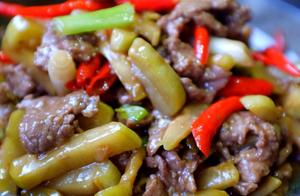
Shaanxi Cuisine: Green Tea Noodles – It's Really Green Tea
Tea, one of the world's three most famous beverages, is known as the 'Emperor of Oriental Beverages'. Modern scientific analysis shows that tea contains caffeine, tannins, tea polyphenols, carbohydrates, vitamins and minerals, as well as trace elements, more than 400 components.
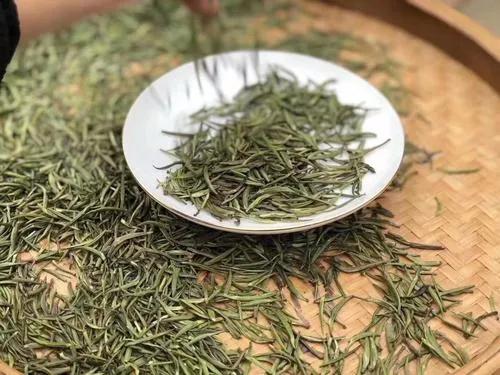
China is the hometown of tea, and tea is a unique beverage in China, with a history of several thousand years. People discovered tea, not only as a daily beverage, but also for medicinal use and as part of their diet. Therefore, making dishes with tea has become a brilliant creative approach in Chinese cuisine – 'in-depth cooking according to the ingredients'.
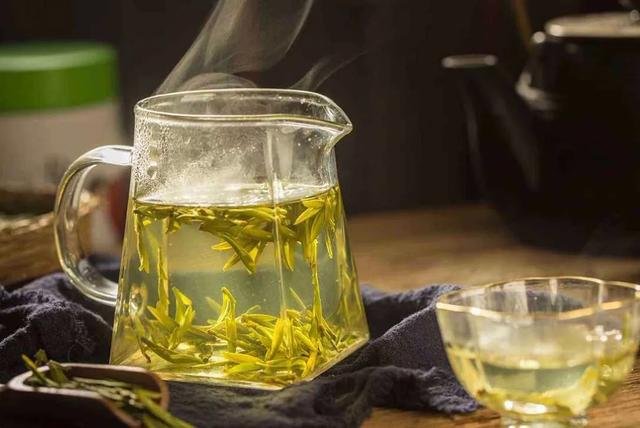
In Xigang, the simplest and most direct way to use tea in meals is green tea dumpling skin. Shanan produces rice, and making rice dumpling skin is a common skill mastered by people in Shanan. But using green tea to make dumpling skin is a unique creation of the people of Xigang, and a reflection of their love for tea.
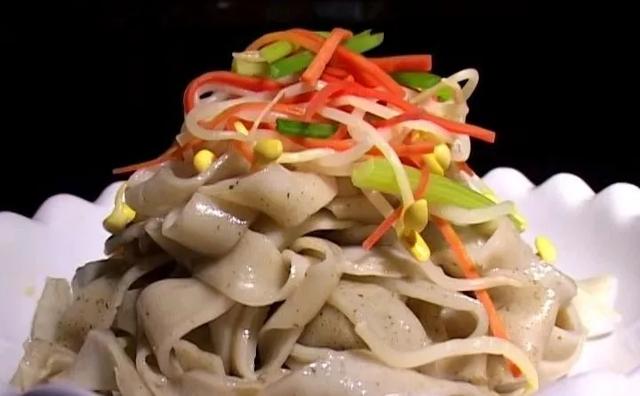
There are several ways to use tea in dishes: one is to use tea broth; two is to use tea itself; three is to combine tea broth and tea. No matter what form the tea meal takes, the role of tea is essentially to add color, remove fishy smell, and add fragrance. So, in the making of green tea dumpling skin, how will green tea be utilized?
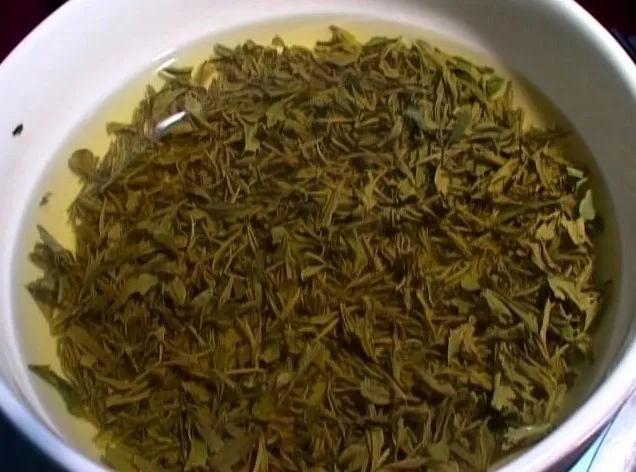
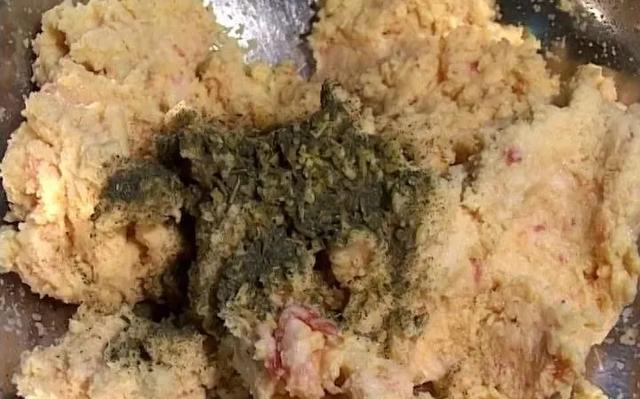
The process of making dumpling skin is inseparable from pounding. The simplicity and directness of green tea dumpling skin is such: break the tea into pieces and mix it directly with the prepared rice slurry, then stir well.
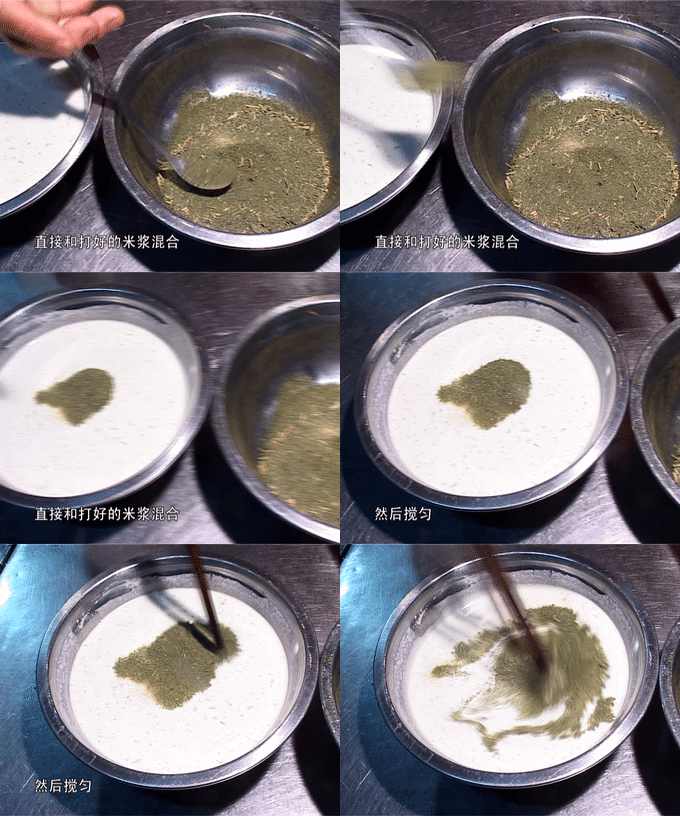
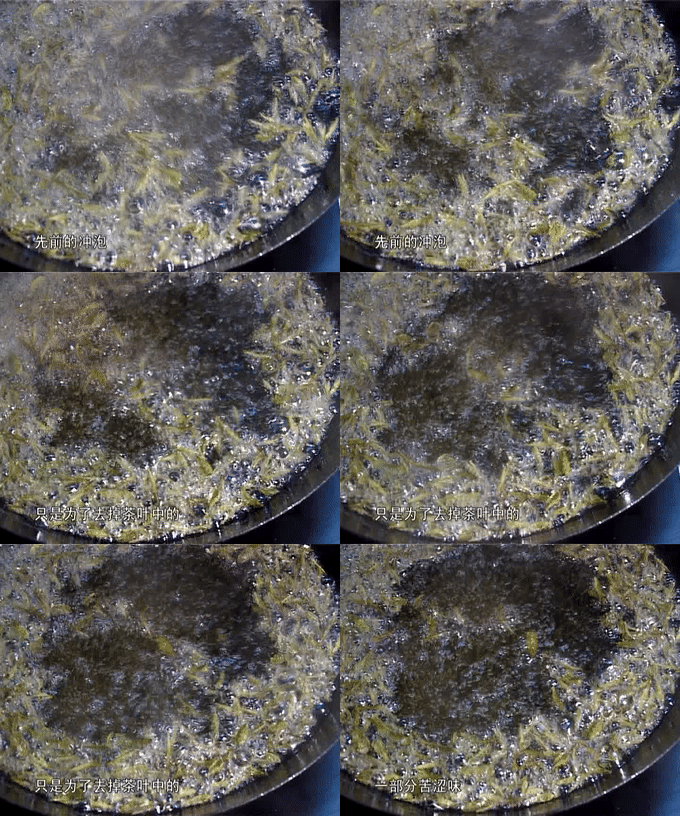
Adding green tea powder to the rice slurry, the slurry becomes tea-colored. Therefore, the main role of green tea in this process is to increase the color of the food. However, the amount of tea in this green tea dumpling skin cannot be too much, otherwise, directly adding unprocessed tea will impart a bitter taste to the dumpling skin.
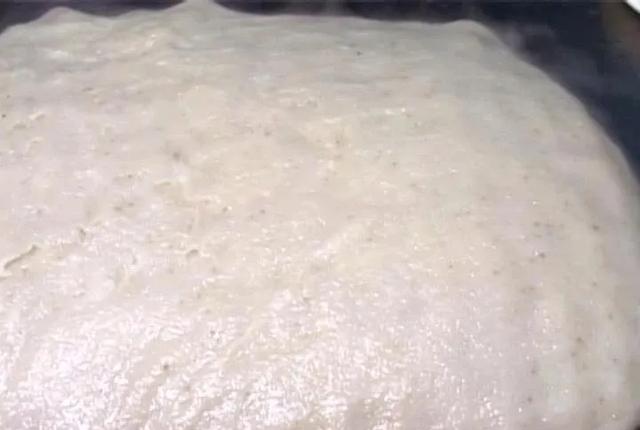
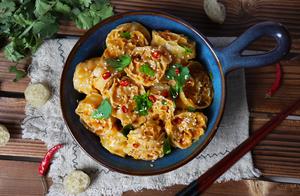
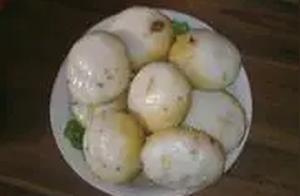
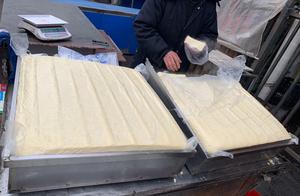
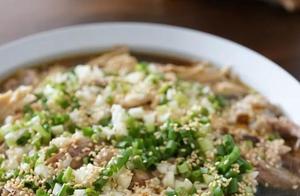
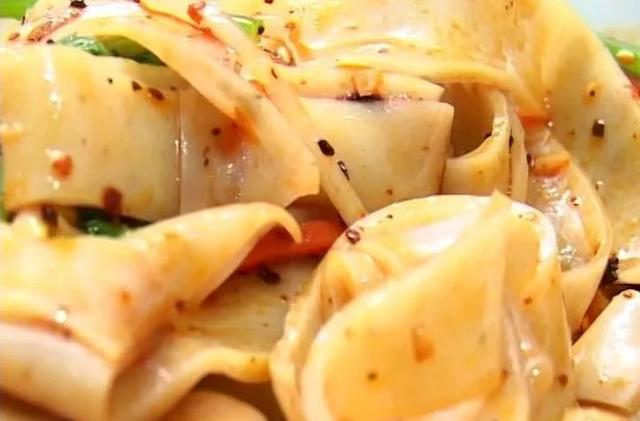
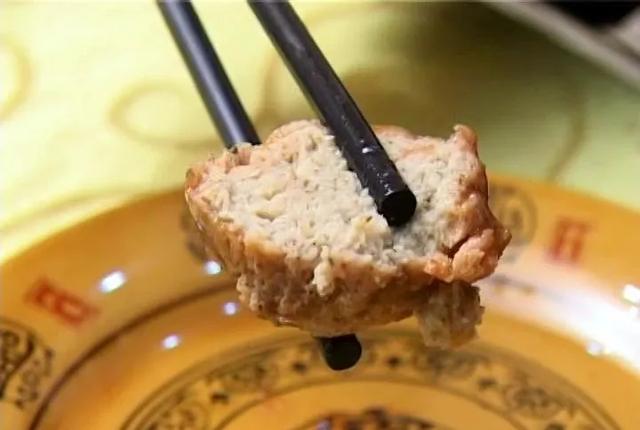
Green tea dumpling skin is so simple, and the dumpling skin that is steamed out will have the color of tea and traces of tea leaves. And like the cold noodles in other parts of Shanan, it is cut into thin strands before being brought to the table.
Source: Shaanxi Radio and Television Station Good Manager
(WGQ)
Statement: This article has indicated the source of, if there is any infringement, please contact us to delete! Contact email: [email protected]
WGQ