Business Owner's Dragon Raising Advice
Dragonfish, with its robust physique, arrogant demeanor, and flamboyant coloration, has captivated many fish enthusiasts. After several years of raising dragonfish, I often browse the 'Dragonfish Summit' for beginner questions, and I'd like to share some advice with those starting out, while also exchanging ideas and working together to raise healthy fish.

1. The dragonfish tank should not be smaller than 1.5\*60 (length\*width, with the corners rounded and not touching the water surface). A smaller size will hinder the fish from reaching its full potential; the fish's lips will become calloused from rubbing against the sides of the tank, making them look unsightly.
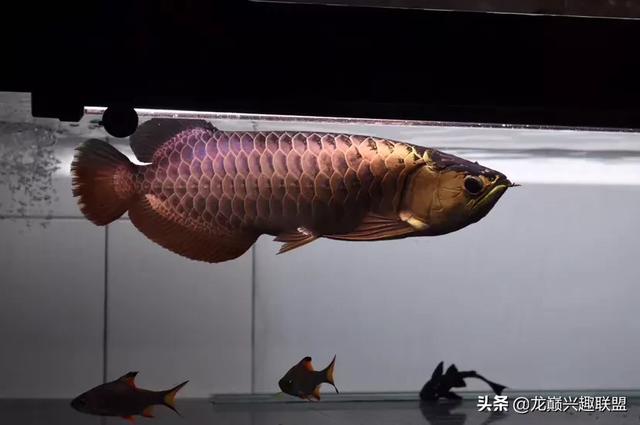
2. Thoroughly research your fish's identification. Remember, cheap fish are not necessarily good, and expensive fish can be flawed. Fish merchants are generally more knowledgeable than hobbyists, and it's rare to find a good deal. There are many detailed posts on 'Dragonfish Summit' discussing dragonfish anatomy and identification. If you can't learn it yourself, buy fish from a reputable breeder. Choose well-known brands and negotiate prices – they'll prioritize quality.
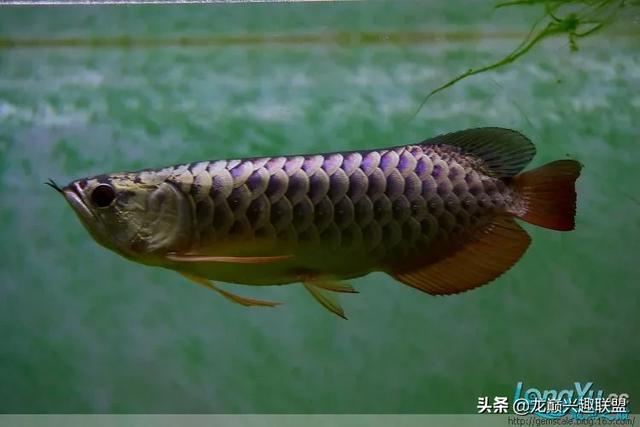
3. You need a certain level of fish-keeping experience. If you don't know anything, don't immediately start with expensive breeds. Even if you have an expert guiding you, they can't monitor your fish constantly; once a problem arises, it will be too late.
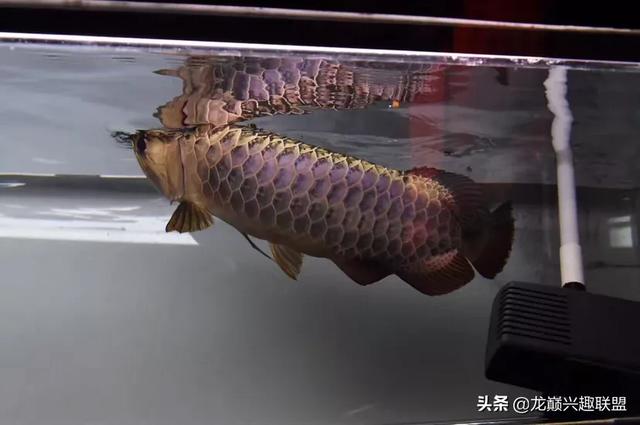
4. Avoid 'fish-keeping obsession.' Many fish die due to the owner's over-care. If you find something wrong today, and something else wrong tomorrow, you'll stress the fish to death. Fish-keeping is like raising a child – know when to let go. Allow the fish to recover from minor issues like collisions or minor bacterial infections by simply providing a good environment.
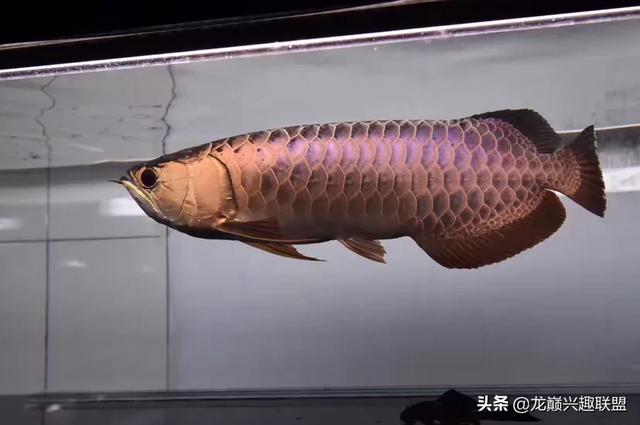
5. Don't panic if your fish is sick. Use the correct treatment methods and be persistent – don't change treatment plans after only a couple of days without results. There are many posts on 'Dragonfish Summit' detailing fish disease treatment. My experience is that in general, the 'Old Three' medications can cure most dragonfish diseases; they won't work for parasites. Master the art of feeding and maintain good hygiene to avoid intestinal problems, which are very difficult to treat and can be fatal, especially for young fish. An intestinal infection can cause a fish to stop eating for a month or more, and young fish can't withstand it.
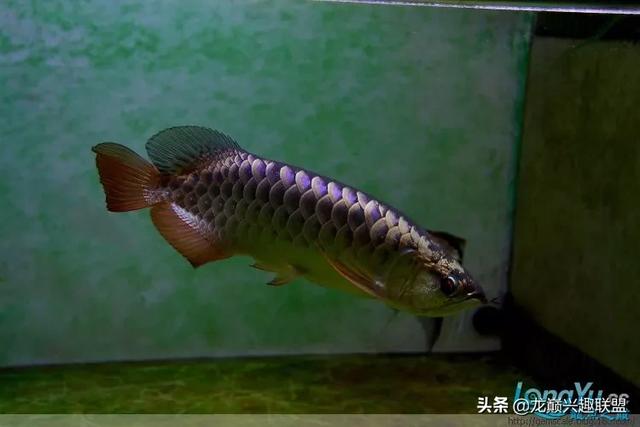
6. Create a reasonable fish-keeping schedule and stick to it – don't slack off. When you go out, check the oxygen and heater, and don't feed the fish. Increase food gradually as the fish eats. Gradually increase the amount of water you change, starting with small amounts.
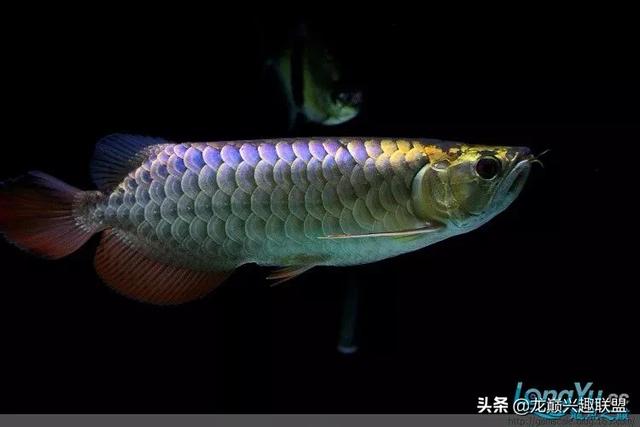
7. Dragonfish will refuse to eat. If the fish is in good condition, try different foods. If it doesn't eat, it will be fine – don't medicate it.
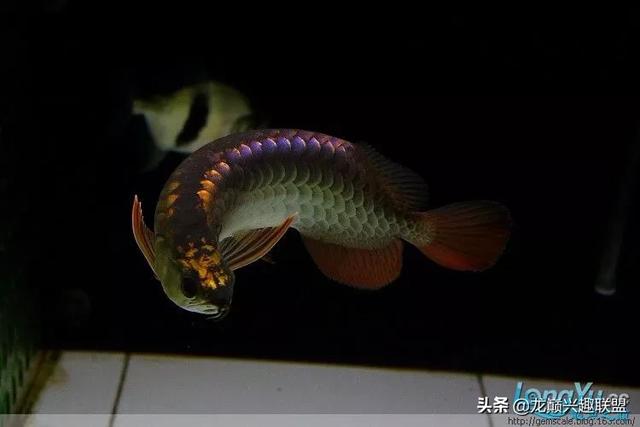
8. It's best to have a wave pump in the tank to prevent gill fluttering and strengthen the dragonfish's body.
9. Give the dragonfish plenty of space – don't keep two fish together in a small tank, as this makes management difficult. If something happens, it will worsen faster.
Author: Lida Dragonfish Farm
==
“”