Who Says Irrawaddy Dolphins Only Eat Wild Animals? Good News Comes From the Protection of This Endangered Species
Myanmar Chinese Network NewsThe Wildlife Conservation Society (WCS) released a statement saying that 79 Irrawaddy dolphins were discovered on the rivers of Irrawaddy and Bayinngyi, with a total of 79 heads. This is the most significant discovery of Irrawaddy dolphins in 20 years.
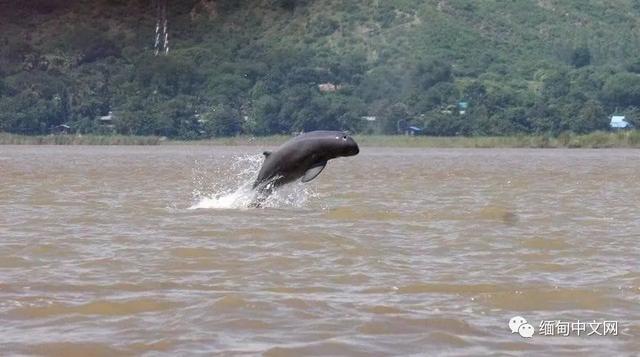
To date, the statistics of Irrawaddy dolphins in Myanmar have been conducted since 2002, when 37 heads were recorded. Afterwards, in 2018, 76 heads were recorded, and in 2019, 72 heads were recorded, and this year, 79 heads were recorded.
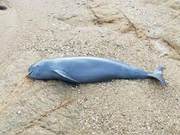
WCS spokesperson Wu Zheladen said that from 2002 to the early years of 2020, about 50 Irrawaddy dolphins died, mostly due to electrofishing and illegal fishing. Specifically, 6 Irrawaddy dolphins died in 2018, 3 died in 2019, and 1 died in early 2020.
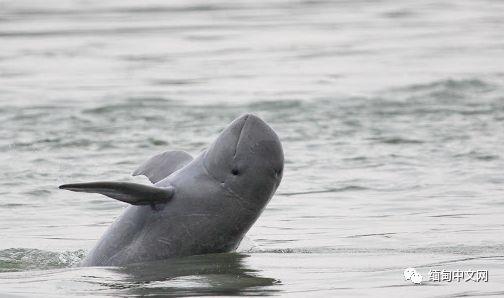
To protect the Irrawaddy dolphins, the government has designated 2 dolphin protection zones along the Irrawaddy River. At the same time, WCS, the Fisheries Management Department, and the Myanmar Inland Water Police cooperate to hold accountable those who violate illegal fishing regulations by electrofishing. In 2018, 18 fishermen were held accountable, and 2 fishermen were held accountable in 2019. In addition, 6 people signed a guarantee.
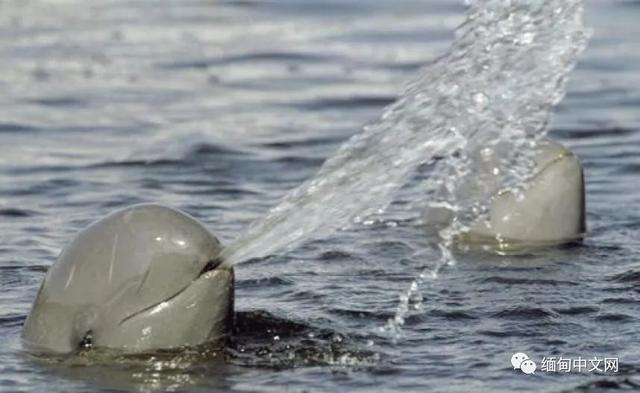
The Irrawaddy dolphin belongs to the truly endangered rare animal. There are only three rivers in the world where this rare species lives: the Irrawaddy River in Myanmar, the Mahakam River in the Indonesian Kalimantan Island, and the 118-mile stretch of the Mekong River between Cambodia and Laos. In the Mekong River section in Cambodia, the World Wildlife Fund believes there are 78 to 91 heads, while Cambodia's official data provides 155 to 175 heads. Currently, the global number of surviving individuals is only about a thousand, which is less than that of the giant panda, and it is listed in the IUCN International Wild Animal Red List, version 3.1 in 2012—Vulnerable (VU).