Dog Walks with an Outward Angle, Don't Laugh at Them for Walking Too 'Lady-Like,' It's Actually Uncomfortable
Diseases can be inherited, as is well known, particularly in dogs. Some diseases also show a hereditary tendency in dogs.
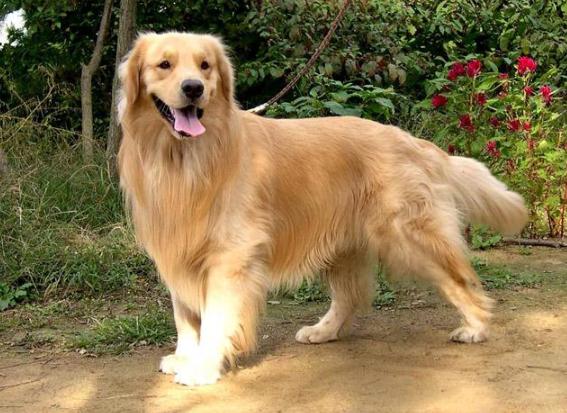
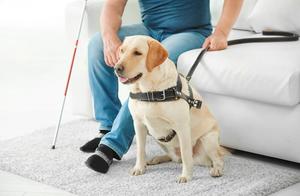
Among numerous foreign pets, Golden Retrievers are the most widely raised breed. Golden Retrievers have many advantages, such as being good at getting along with people, high intelligence, obedience, and a high incidence of hereditary diseases in Golden Retrievers. This disease is easily detectable during raising, and its scientific name is hip dysplasia.

Recently, a dog owner who raises Golden Retrievers sent a video from a dog exchange group near their home, which he thought was funny.
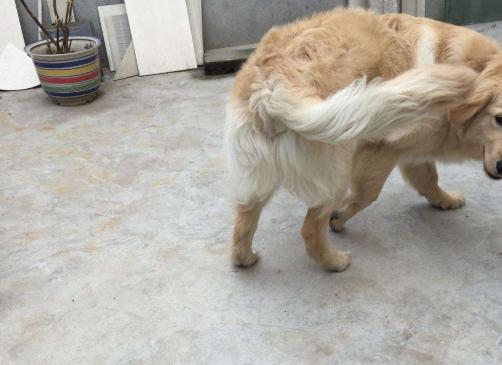
In the video, the Golden Retriever walks crookedly and awkwardly, and when viewed from the side, its walking posture shows slight outward deviation. Because the Golden Retriever is female, the owner filmed the dog's walking video, and teased her dog for being too 'lady-like.' Based on the owner's reaction, it is guessed that the owner is a newbie, and an experienced owner would sympathize with the dog when it becomes like this. This is a very typical symptom of hip dysplasia.
Understanding hip dysplasia
The hip joint is composed of the acetabulum and the femoral head, which are closely connected through ligaments and joint capsules. The fibrous layer of the joint capsule surrounds the femoral head in the middle, which can constrain the femoral head within the pelvis. However, in some pet dogs, the ligaments and joint capsules develop poorly, leading to the femoral head being prone to dislocated outwards. This is called hip dysplasia.

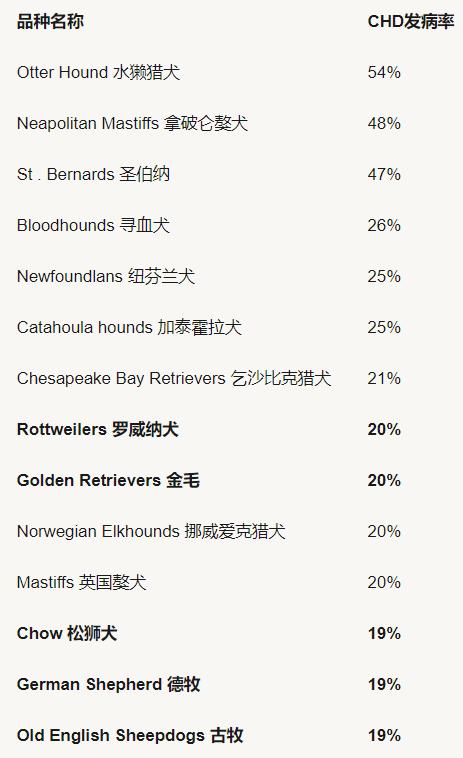
Hip dysplasia is common in large breeds such as Golden Retrievers, Labrador Retrievers, German Shepherds, Bernese Mountain Dogs, etc., which are high-incidence breeds.
In the early stages of the disease, it will cause arthritis and pain. If a dog suffers from hip dysplasia, its desire to move will decrease, and when walking, the waist will twist back and forth, like dancing with a willow stick. The outside of its hind feet will also be outward-facing.
Reasons for hip dysplasia
Currently, research on canine hip dysplasia is not thorough. Some scholars used to believe that it was caused by abnormal collagen; others believed that the shape of the pelvic bone was too shallow. However, one reason is consistently recognized, that is heredity. This is why some breeds have a much higher probability of suffering from hip dysplasia than other breeds.
How to prevent in daily life
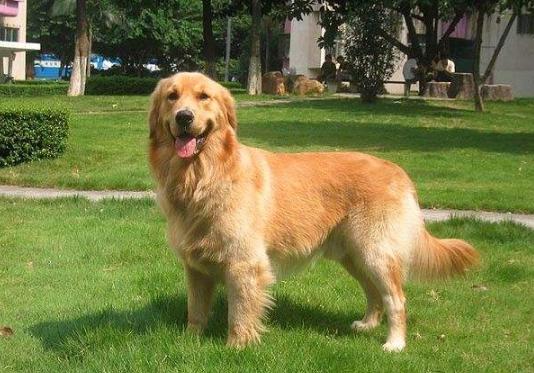
Avoid obesity
Obesity is the root of all diseases, it not only affects internal organs but also affects the development of bones. Besides genetic factors, excessive obesity will also increase the probability of the disease.
- Currently, most people feed their dogs dog food, and the back of the dog food packaging indicates how much weight the dog should eat and how much dog food should be fed. During feeding, the owner must not feed randomly, but should feed according to the standard marked on the dog food.
If a dog has already suffered from hip dysplasia, its weight can be reduced through diet, which can alleviate the burden on the joints.
Reduce strenuous exercise
Exercise is not about quantity, but quality. Excessive exercise can also harm dogs.
- After a dog suffers from hip dysplasia, it does not like to exercise, and excessive exercise will aggravate the wear and tear of the joints, causing pain for the dog. Furthermore, excessive exercise will also burden the hip joints and aggravate the condition.
Pay attention to your dog and share more pet knowledge every day