Ten Top Birdwatching Sites in Longjiang: A 'Bird Paradise' Experience
Original Title: Over 400 Species of Birds, Numerous Grade One and Two Protected Birds, Abundant Birdlife in Longjiang
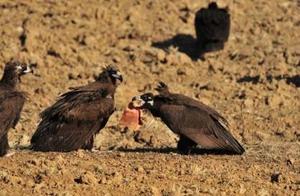
As the weather warms, the ice and snow in HeiLongjiang are melting, and large numbers of migratory birds are returning north to gather in wetlands. To this end, the Heilongjiang Provincial Department of Culture and Tourism launches a spring tourism product with the theme of ‘Blooming Flowers in the Northland, Longjiang’ inviting tourists to ‘Ten Top Birdwatching Sites’ to experience the vastness of the wetlands and admire the graceful postures of birds. It is understood that there are over 400 species of birds living in Heilongjiang, 50 of which are migratory birds, including 11 species of Grade One Protected Wild Animals such as Oriental White Stork, Cranes, and Great Bustards. Nearly a million birds of all kinds reside in Heilongjiang Province during the spring and autumn seasons. The XingKaiHu Lake gradually freezes and thaws, witnessing the return of Grey Herons and other migratory birds; The YangMu Water Reservoir in Tiger Lin City once welcomes more than 200 Black Dragon Eagles and Grade Two Protected Species, the Great Wild Swan, which is a real version of Swan Lake; The DunLuo River Provincial Nature Reserve welcomed more than 200 Oriental White Storks to settle and nest… Heilongjiang Province deserves the reputation of ‘Bird Paradise’.
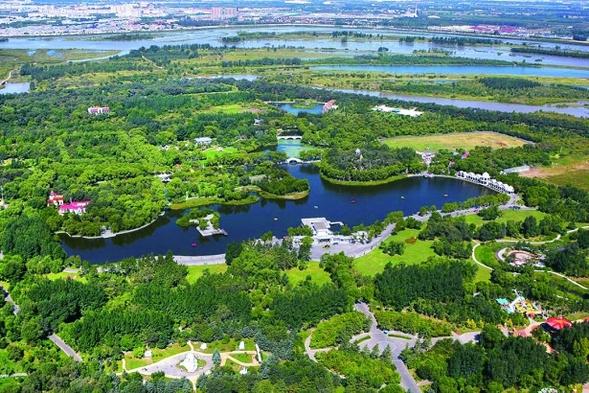
1. Sunshine Island National Wetland Park
According to monitoring and survey data from the expert team, there are seventy-three species of birds commonly found in the downtown area of Harbin; the best birdwatching spot in the downtown area is undoubtedly Sunshine Island Park. Sunshine Island integrates wetlands, lakes, grasslands, and shrubs, and can appreciate a very diverse range of birds: on the lake, you can admire the graceful figures of Red-crested Pochard, in the shrubs, there may be the shadows of Wild Turkeys, and even see urban-rare Little-billed Crow birds. In the spring, Green-headed Ducks, Red-crested Pochards, Red Kites, and migratory birds such as Grey Herons return to the embrace of Sunshine Island.
Viewing Time: Mid-April to Mid-May
Viewing Birds: Little-billed Crow, Green-headed Duck, Red-crested Pochard, Red Kite, etc.
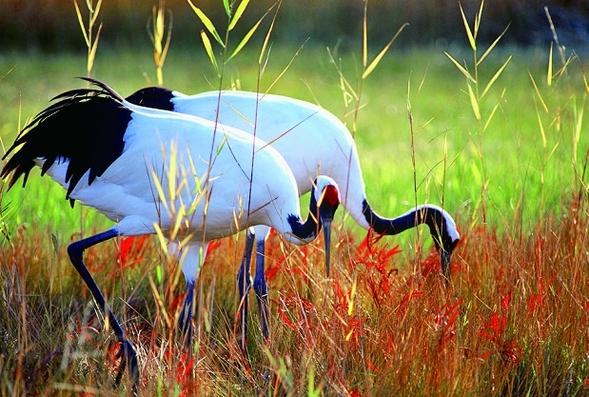
2. Zalon National Nature Reserve
Zalon National Nature Reserve is the largest reed wetland in the world, and Zalon wetland is famous for its Cranes. About 200,000 cranes of various species live here, including about 2/3 of the population of Cranes in China and 1/3 of the world’s population. From April to June, about 200-300 species of rare and precious birds appear and thrive, White Cranes, White-necked Cranes, Wild Swans, Little Swans, White Storks, and other rare birds ‘appear one by one’, which is a must-see for bird lovers.
Viewing Birds: Cranes, White-necked Cranes, etc.
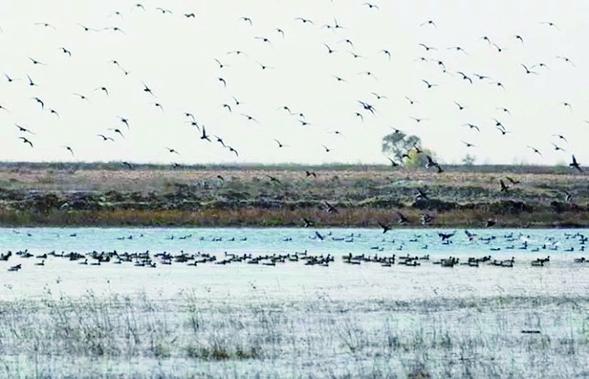
3. Taihu National Wetland Park
Taihu National Wetland Park is located on the east side of Tailei County, Qiqihar City, Heilongjiang Province, with abundant wild flora and fauna. The number of birds is as many as 162 species, including 21 species of Grade One and Two Protected Birds such as Cranes, Oriental White Storks, White Spoonbills, Wild Swans, etc., which is a major White Spoonbill breeding area in northern China.
Viewing Birds: White Spoonbill, Oriental White Stork, Wild Swan, etc.
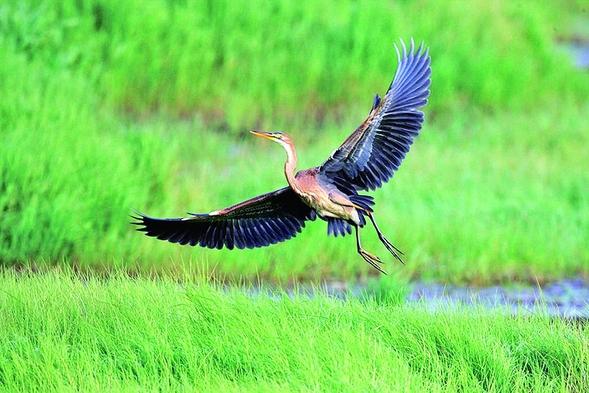
4. Black Duck Island
Black Duck Island in JiaoSi, Heilongjiang, is the confluence of Heilongjiang River and Ussuri River, forming an island wetland. Here, away from the inland, the ecological environment is good, Oriental White Stork, White-tailed Eagle, Golden Eagle, Cranes, White Geese are Grade One and Two Protected Birds, and are an important channel for the migration of Northeast Asian birds. In the spring of flowers, about a hundred Grey Herons build nests and breed here, which is a spectacular sight.
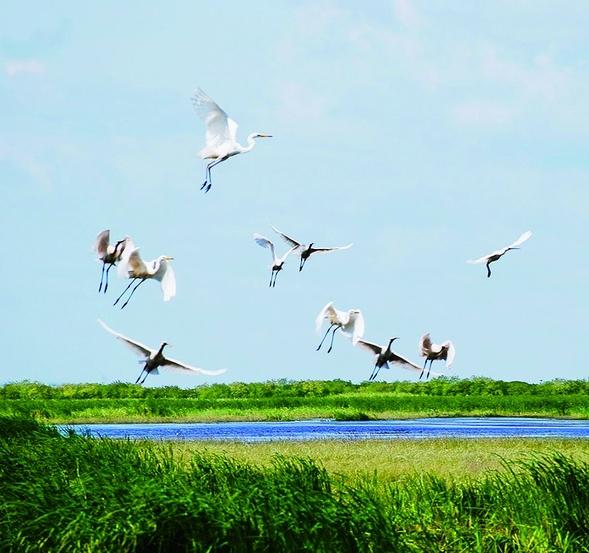
Viewing Birds: White Geese, Cranes, Golden Eagles, White Storks, etc.
5. Fuzhin National Wetland Park
Fuzhin National Wetland Park is located in the belly of the Three Rivers Plain, an important migratory stopover site for waterbirds in Northeast Asia. There are dozens of thousands of waterbirds staying and resting here every year. There are 6 species of Grade One Protected Wild Animals, such as Cranes, White Herons, White Storks, and 28 species of Grade Two Protected Animals, such as White-necked Cranes, Wild Swans, etc. More than 6,000 White-necked Cranes stay in Fuzhin wetland for about 200 of them.
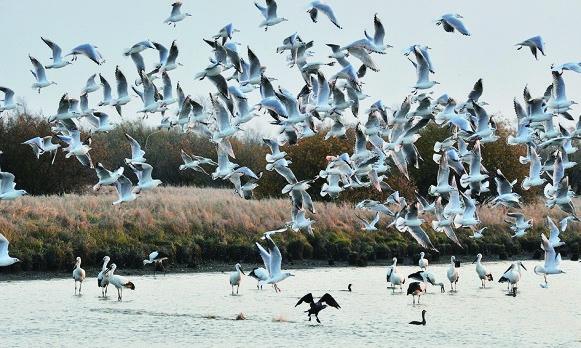
Viewing Birds: White-necked Cranes, Grey Herons, White Storks, etc.
6. Sanjiang Nature Reserve
Sanjiang National Nature Reserve is located in the northeastern part of the Three Rivers Plain, the confluence of Heilongjiang River and Ussuri River, is an important migration channel and breeding habitat for birds in Northeast Asia. White-tailed Eagles are stretching their giant wings in the middle and Russian border rivers, Cranes, Oriental White Storks, etc. are feeding and nesting in the reed thickets… Currently, there are more than 200 species of birds only in the wetland.
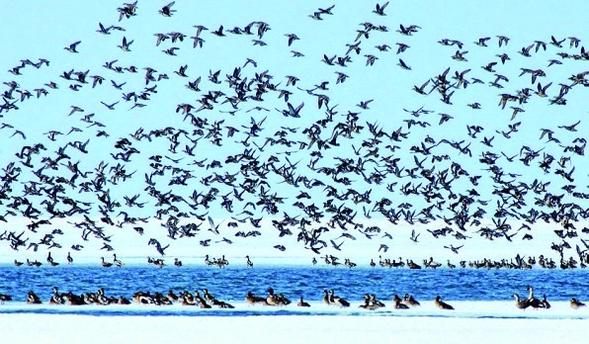
Viewing Birds: White-necked Cranes, Cranes, Oriental White Storks, Wild Swans, White Storks, White Herons, Grey-headed Ducks, etc.
7. Xingkai Lake Wetland
Xingkai Lake, a national nature reserve, is one of the largest freshwater lakes in Asia and the largest freshwater migratory station for migratory birds in Northeast Asia. There are White-tailed Eagles, Long-eared Owls, Grey Herons, etc., 285 species of important migratory birds in the world, 9 species of Grade One Protected Birds in China and 41 species of Grade Two Protected Birds.
Viewing Time: April
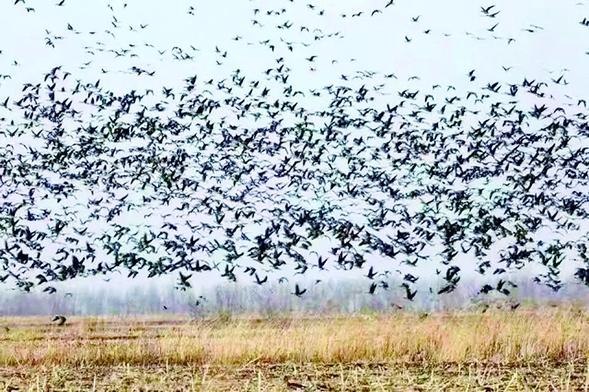
Viewing Birds: White-tailed Eagles, Cranes, Wild Swans and waterfowl, etc.
8. Seven Star River Wetland
Seven Star River National Nature Reserve is located in the belly of the Three Rivers Plain, the most well-preserved and representative inland marsh wetland in China. In Seven Star River wetland, rivers intersect and lakes are scattered, with abundant flora and fauna. Cranes, White Spoonbills, White Herons, Grey Herrets, Chinese Autumn Sand Pigeons are densely distributed, and is also known as ‘China’s White Spoonbill Town’.
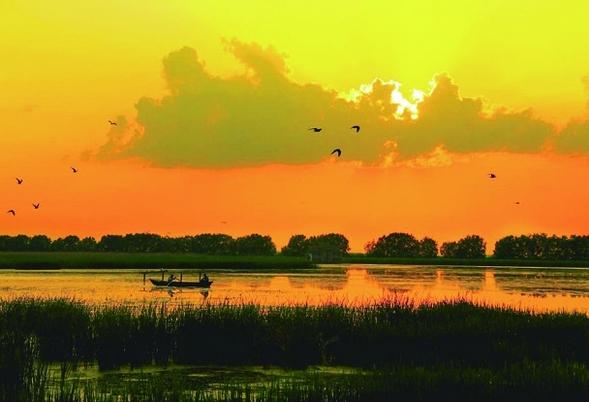
Viewing Birds: White Spoonbills, White Herons, Oriental White Storks, White-necked Cranes, Wild Swans, Grey-headed Ducks, etc.
9. Swan Nest Island Wetland
Swan Nest Island, located in Baoqing County, ShuangDuan, is an ecological environment with more than 1,200 species of flora and fauna, including nearly 200 species of birds, including Grade One and Two Protected Birds such as Cranes and White-necked Cranes, as well as Grey Herons, Wild Swans, White Geese, and Grade Two Protected Animals.
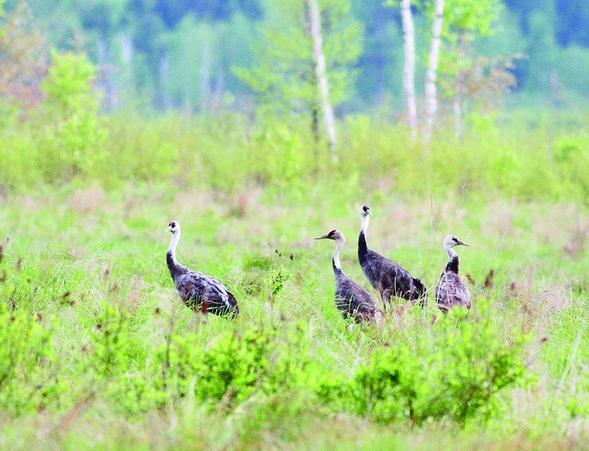
Viewing Birds: Swans, Cranes, Grey Geese, White Storks, etc. Large waterfowl such as swans, cranes, and white geese.
10. XinQ National Wetland Park
XinQ National Wetland Park is located in the XinQ District of Yichun City, Heilongjiang, is a habitat and breeding ground for the rare and endangered White Crane – a key habitat and breeding ground for White Cranes, and was awarded ‘China’s White Crane Town’ by the China Wild Animal Protection Association in 2009. Here, you can also see the Oriental White Stork, White-necked Crane, Wild Swan, Grey Heron, and other rare birds.