Understanding a Cat's 'Sick State': Early Detection is Key
/toothpaste|| Recommended reading time:5 minutes

Nature's laws are that every animal goes through birth, old age, sickness and death, so do humans and cats.
We all hope to stay healthy forever, but we can't, because no one can resist the natural laws of disease. Disease will always come to humans, and it will also come to our cats.
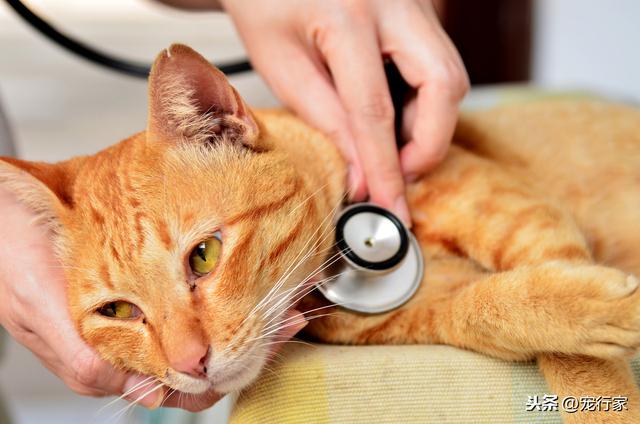
Unlike humans, cats can't express the discomfort and pain caused by illness in words. When a cat is sick, it can find a doctor to describe its symptoms, but when a cat is sick, it can only passively wait for humans to notice its abnormality.
If you don't understand the 'sick state' of your cat, how can you notice the disease in time? Failing to notice the disease in time can lead to minor illnesses becoming serious illnesses, and chronic diseases becoming fatal diseases.
It's a headache that the cat hides its pain so well. That is, even if they feel uncomfortable in their bodies, they will try their best to conceal it. Because cats don't want to show their weakness to others, they have strong self-protection abilities, and they won't let others see their illness easily unless it's absolutely necessary.
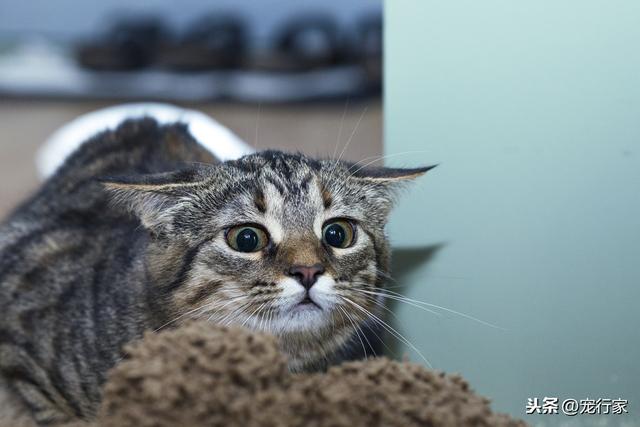
So, if cats hide their illness to protect themselves, then it's up to cat owners to notice the disease in time.
As a cat owner, are you ready to use your keen eyes to catch every detail of your cat, so that you can notice the diseases hidden in its body in time? If not, let's help you.
Observe the behavioral and physical changes of your cat
We will first focus on the changes in your cat's sleep time. It's a simple principle. If a cat is sick, it usually sleeps more, because the discomfort in its body makes it refuse to move.
Do your cat's sleep time suddenly increase compared to before, and are they always lazy? If so, you should take your cat to the hospital for a check-up.

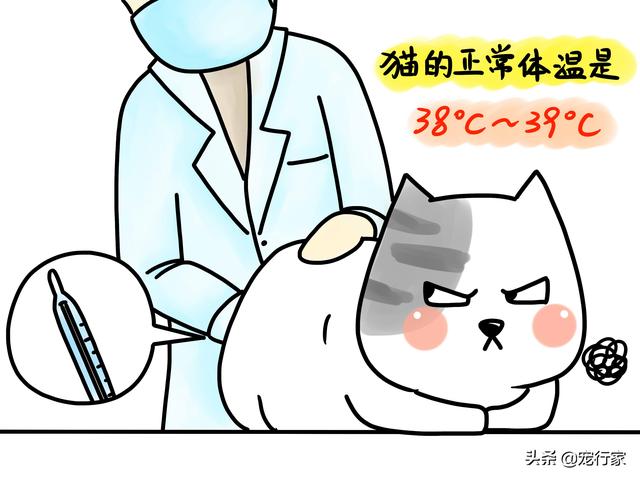
Another easily obtainable index is your cat's temperature. If possible, you can try to measure your cat's temperature rectally. If your cat is unruly during temperature measurement, you can seek help from a pet doctor.
The normal temperature of cats is between 38℃ and 39℃, which is slightly higher than that of humans. If you find that your cat is feverish, you should take it to the hospital.
Feverish cats may show drowsiness, loss of appetite and other symptoms. Their noses may be dry and their ears may be hot.
Although touching the ears is not an accurate measurement of temperature, if you feel that your cat's ears are cool, it is unlikely that it is feverish.
Besides, we should also pay attention to the cat's litter box behavior. Have there been any changes in its behavior when going to the toilet?
If it shows pain when going to the toilet, if its feces or urine contains blood, if its feces is hard or loose, you should take it to the hospital for a check-up.
We can also judge the health of our cats by observing their breathing frequency. The normal breathing frequency of cats is about 20-30 times per minute. When they are relaxed, their breathing frequency will decrease, and when they are active, their breathing frequency will increase.

If you find that your cat's breathing is fast or shows difficulty breathing, you should take it to the hospital for a check-up.
We also cannot ignore the eyes and nose of our cats. Check if there is excessive discharge in your cat's eyes and nose. If you find that your cat is crying, it may be allergic to something or have a sinus infection.

At the same time, you should also pay attention to whether your cat's pupils are dilated. Some diseases can cause cats to have dilated eyes and maintain this state for a long time. If you notice that your cat's pupils are always dilated, you need to take it to the hospital for a check-up.
How to check certain specific diseases

The most common disease in cats is flea infection. If cats often go out to play, the situation is even more serious.
If you find that your cat is scratching itself frequently, you can buy a flea comb to help it comb its fur. After combing its fur, carefully observe whether there are small, moving, brown fleas on the flea comb. These are fleas. Fleas often live in the cat's neck and tail.Currently, there are many drugs to eliminate fleas. You can buy drugs specifically for cats.Hyperthyroidism is a disease that cat owners often ignore. This disease's symptoms include an increase in a cat's appetite or an increase in its drinking volume, no obvious reason for weight loss, irritability or restlessness, vomiting, drowsiness, etc. If you find that your cat has two or more symptoms, you need to take it to the hospital for treatment.
Hyperthyroidism often occurs in older cats, rarely in young cats. Finally, let's talk about a disease: urinary tract disease. The symptoms of urinary tract disease in cats include frequent urination or difficulty urinating, loss of appetite, lack of spirit, urine in the urine, etc. There are many reasons for urinary tract disease in cats, such as insufficient drinking volume leading to blockage of the urethra. Cats that eat a lot of cat food are more likely to accumulate crystals in the urethra, which stimulates the bladder wall.

ConclusionNow, do you understand the manifestations of a cat in a 'sick state'?If you can notice the peculiarities of your cat as early as possible, you will have more chances to cure your cat in the early stage of the disease. This will avoid more pain and suffering for the cat, and save more medical expenses for you. 24

20~30



“”