Could 100 Amur Tigers Survive on the African Savanna?
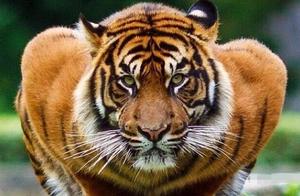
Friends who frequently watch animal documentaries are likely familiar with the African savanna, as it boasts a high concentration of wildlife and frequent battles between large animals for survival. Among the most formidable predators occupying the top of the food chain in Africa are lions, leopards, and cheetahs. However, tigers are conspicuously absent. Consequently, some people have proposed that if 100 Amur tigers were introduced to this region, what would be their way of life, and what scenarios might emerge? Let's analyze this from several aspects.
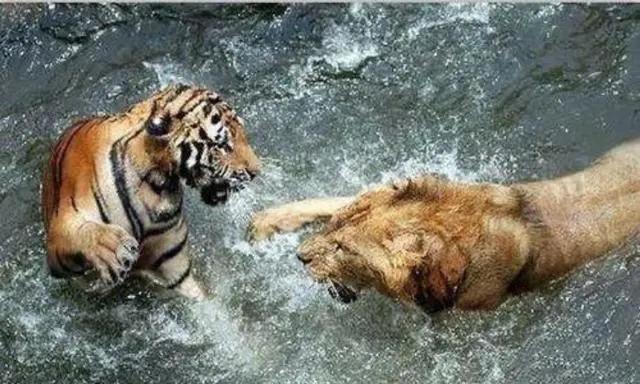
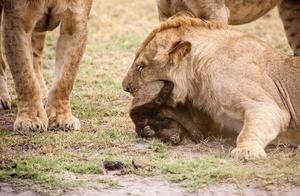
First, tigers are inherently territorial animals with strong territorial instincts, much like lions. If Amur tigers were to live on the African savanna, they would easily enter the territories of local lions, leading to conflicts over survival and territory. Lions are social animals, while tigers are solitary animals. In this confrontation, tigers would find themselves facing multiple opponents, ultimately ending in defeat.
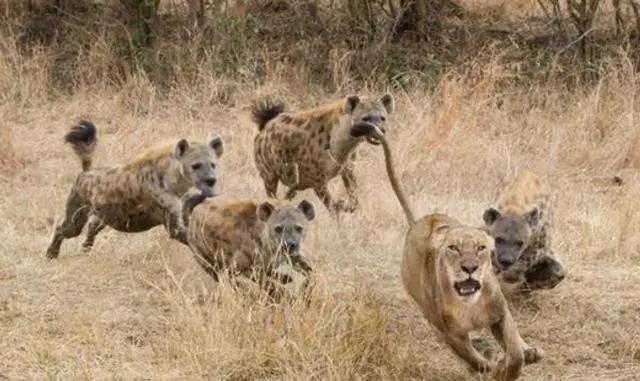
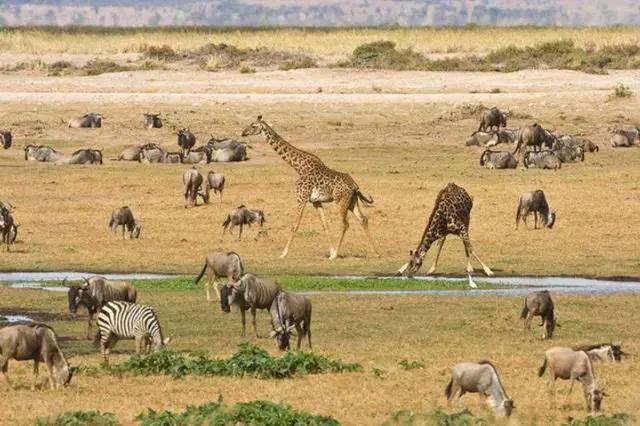
Second, the African savanna is home to a diverse range of species, and while food is abundant, the competitive pressure is also significant. There are numerous apex predators in Africa that challenge tigers, many of which are group-oriented. Even if tigers successfully obtain food, they would likely yield to group-oriented animals out of self-preservation. Over time, tigers could face starvation.
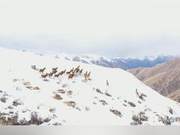
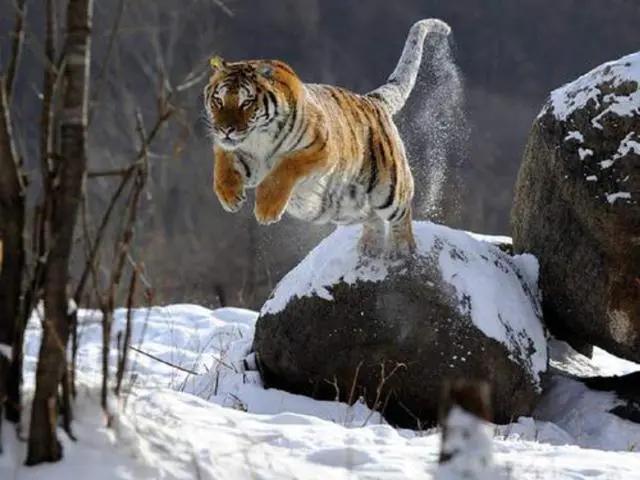
Third, Amur tigers have evolved to thrive in the mountainous terrain of Northeast China. Their ability to adapt to such an environment is uncertain, and their survival is questionable. If they cannot adapt within a short period, these Amur tigers would quickly face death.
Of course, these are speculations, as no one has actually experimented with transporting Amur tigers to the African savanna. However, some believe that animal adaptability is far greater than human adaptability. If Amur tigers were truly transported there, a new species might invade, and at that point, the Amur tigers would become a disaster for local animals.