Do You Have Arachnophobia? The Giant Spider Demonstrates: I'm Ugly But I'm Very Gentle
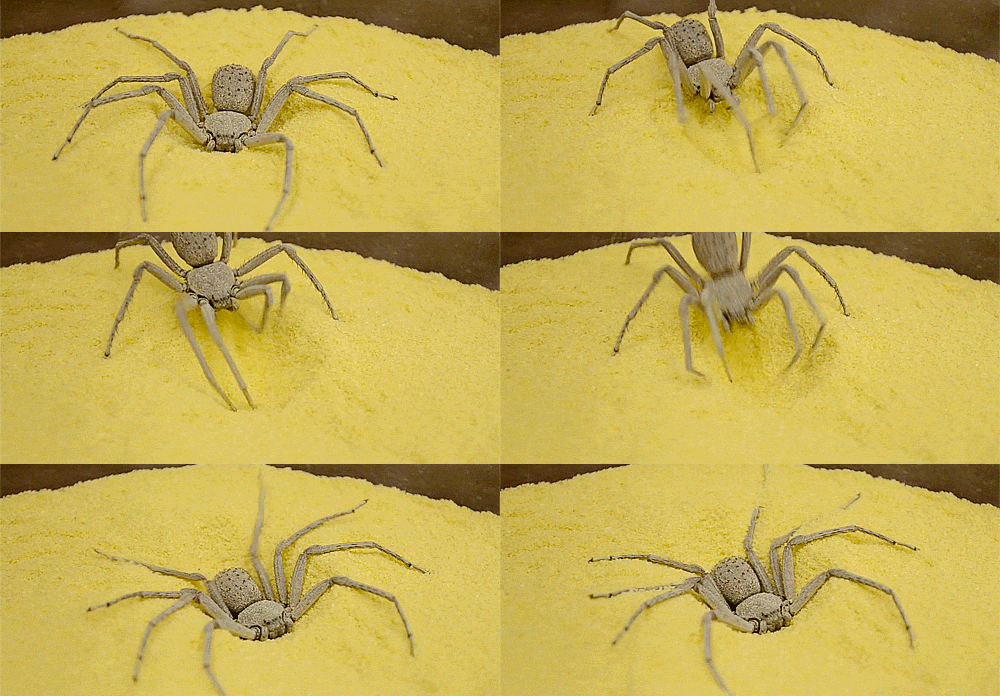
Approximately 50% of female and 18% of male spiders are controlled by spider phobia.
Yes, you didn't hear wrong, there is indeed the phenomenon of spider phobia, since ancient times, spiders have been a kind of ominous fear creature, with strange appearance, containing venom.
The spider family is very large, and all kinds of species have their own unique skills, such as the color-changing stunt of the autumn Kirin crab spider, the gold-ring spider with continuous front flips, and the water spider that can dive.
Today, the editor and everyone will introduce one, a giant bird-eating spider – the Amazon Giant Bird-Eating Spider.
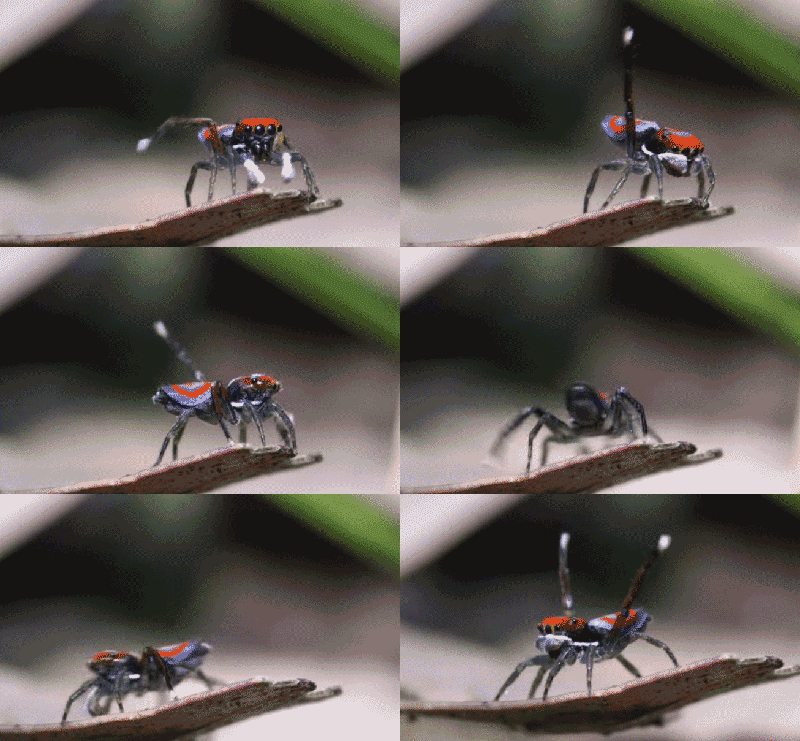
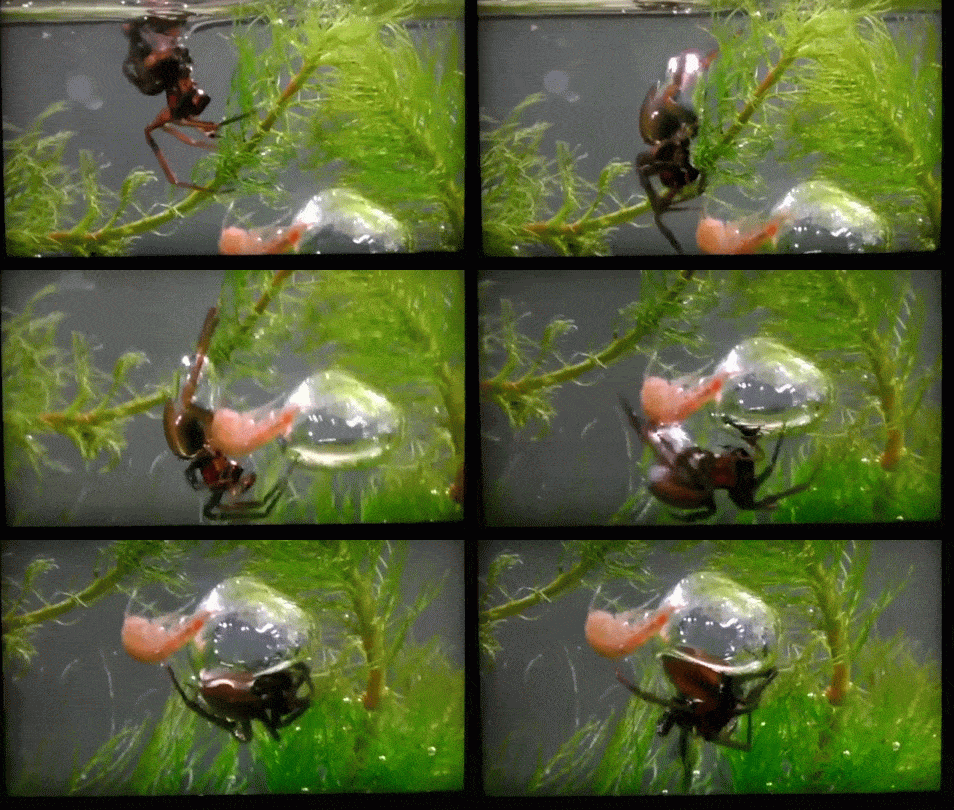
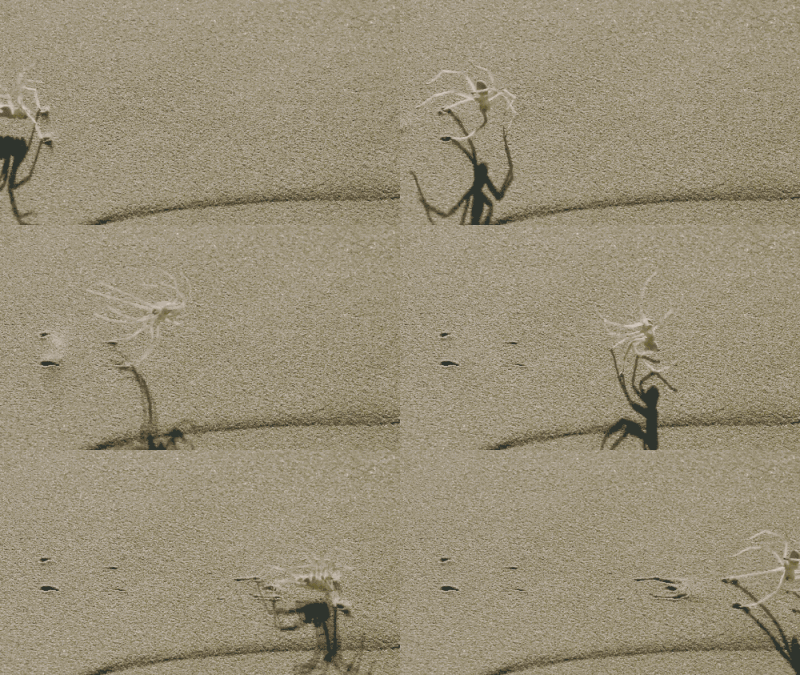
This is the largest spider species.
The Amazon Giant Bird-Eating Spider, also known as the Goliath Giant Bird-Eating Spider, hearing this name, it is full of power, can eat birds, it can be imagined that their size must be larger than ordinary spiders. So, how big is it exactly?
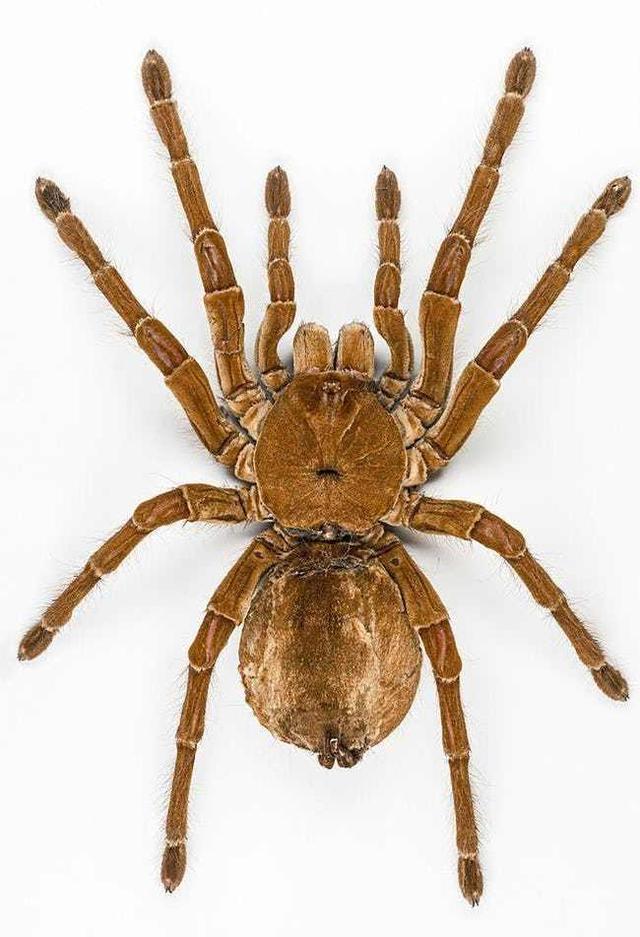
According to the Guinness World Record, in 1965, a male Amazon Giant Bird-Eating Spider was captured in Venezuela, with a spread of 18cm and a length of 13.5cm.
For such a creature, such a size is nothing to be surprised at. Some bird-eating spiders can even grow to more than 20cm, which is as big as a person's face, and the leg span can reach 28cm.
Although it is called a bird-eating spider, it is no different from other spiders, it mainly eats insects.
This means that their spider webs can hunt birds, lizards, frogs, toads, and even snakes, but in fact, they mainly feed on insects and worms.
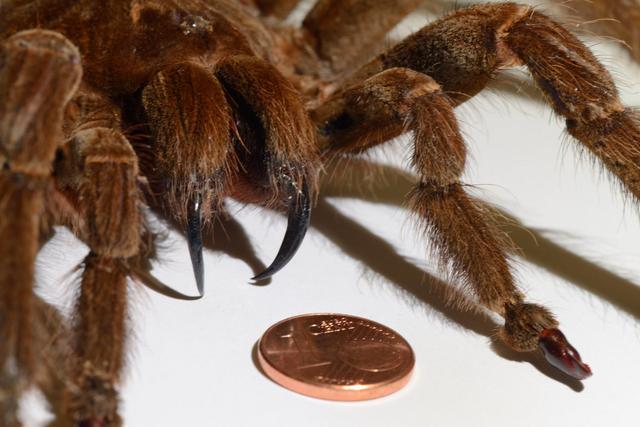
It has eight eyes of near-sightedness
The Amazon Giant Bird-Eating Spider is not a perfect predator, although it has eight eyes, but its vision is very poor. To make up for this, they hunt by sensing the vibrations on the ground. When they feel something, they rush towards the prey and subdue it with venom.
It can make a hissing sound like a rattlesnake.
When threatened, the spider will rub its legs, emitting a strong hissing sound, which sounds like a rattlesnake.
This sound is to scare away potential threats, so as to reduce the number of battles.
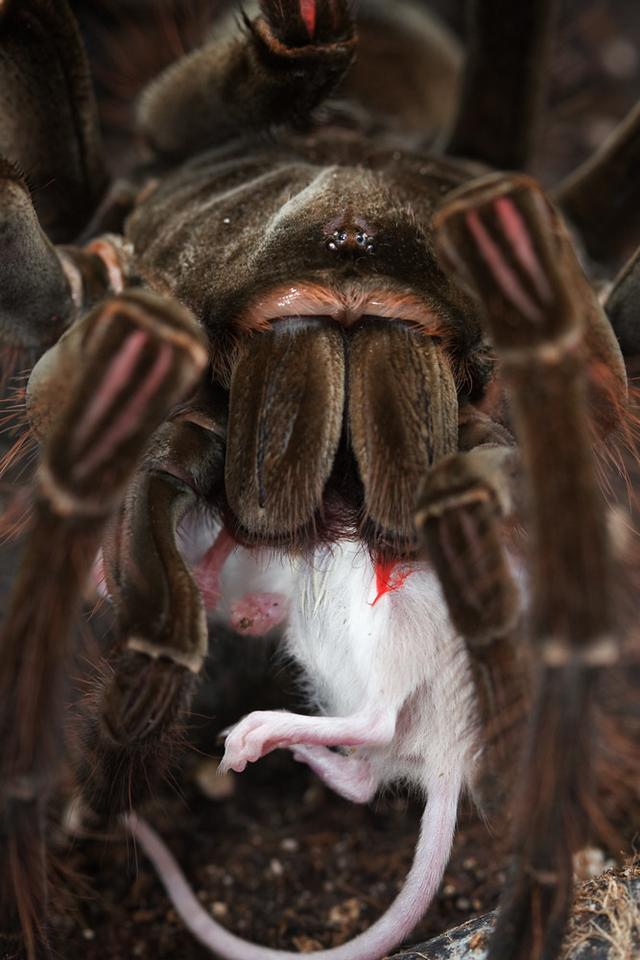
It has venom, but it is relatively harmless to humans.
The Amazon Giant Bird-Eating Spider's size is very scary, but in fact its aggressiveness is not strong, it is relatively harmless to humans.
It just wants to be alone, and it will only attack humans when threatened. Although it is a venomous spider, it usually will not use venom on humans. Even if bitten, it is just a bite, without venom, it is like being stung by a bee, causing pain and swelling.
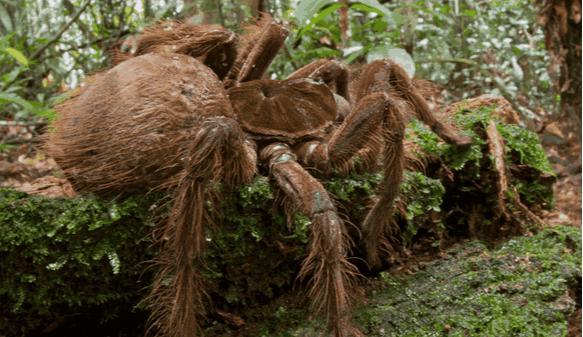
It can shoot tiny, barbed bristles from its abdomen.
If the spider really wants to attack, the bristles on the spider's abdomen are the weapon.
The spider's abdomen is lined with extremely fine hairs, which are like miniature harpoons under a microscope. When threatened, they will shoot out these barbed bristles, attacking the opponent's eyes, nose and mouth.
Imagine that extremely fine barbed harpoons drop from the sky, landing on the exposed human soft parts, especially the eyes, these bristles once entered the eyes, not only small and difficult to find, and because of the hook difficult to remove.
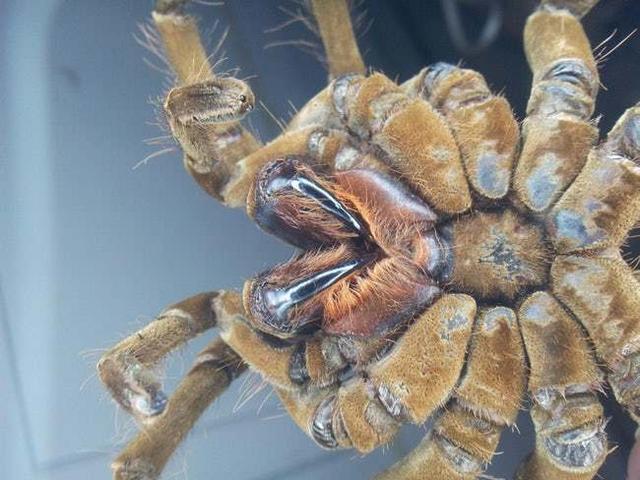
It can regenerate lost limbs.
The Amazon Giant Bird-Eating Spider can regenerate lost limbs like a snake, shedding the old skin and constantly growing new skin.
If a spider loses a leg, it will increase the liquid pressure in its body, snap off part of the carapace, and pump liquid into the limbs to force the old skin to shed and create a new leg in the shape of the lost limb, filling it with liquid until it becomes a solid leg.
This process often takes several hours, at which time the spider is in a vulnerable state.
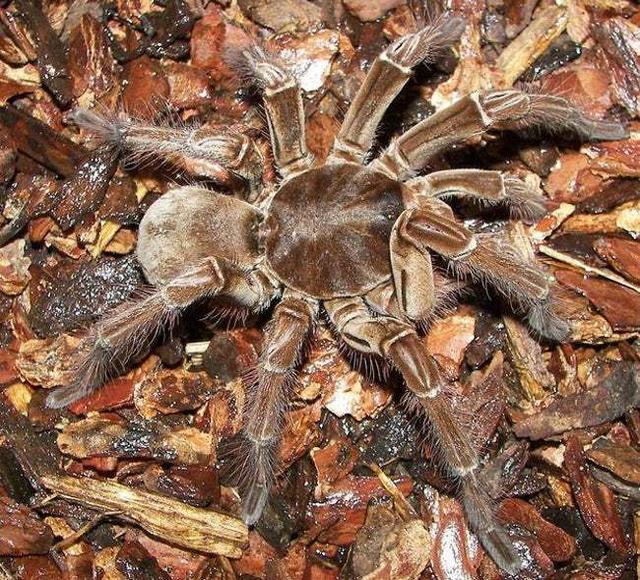
Female spiders can live for 10 to 15 years, but in the wild they can live up to 25 years, while male spiders live for 3 to 6 years.
The mission of male spiders is only to continue their offspring. They will die shortly after the first mating.
The most common lifespan is no more than one year, because it can only reach sexual maturity at this age.
The female spider, after mating, will use spider webs to integrate several hundred eggs into a ball, and then take the babies out to run around.
Finally
There is such a truth: no matter how scary an animal is, it will eventually become food for people's mouths.
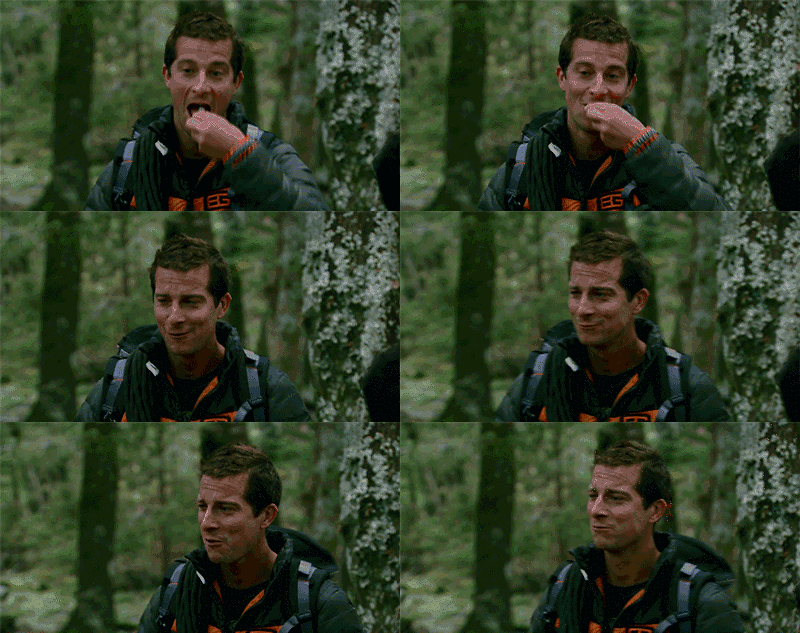
In Venezuela, this spider has become a favorite food of local children, children start to look for food themselves. According to the members of the tribe, these spiders taste good, as to whether they are roasted or steamed, currently unknown.