Not Only Humans Have IQ; These Animals Also Have Extremely High Intelligence – Humans Should Not Be Easily Provoked
As we all know, humans' ability to stand out from the natural world is due to the unique intelligence that humans possess, which allows us to use materials from the surrounding environment to make tools and then use these tools to solve the problem of survival. It is precisely because of this unique intelligence that humans gradually formed civilization. Later, humans came up with the term 'IQ' to describe a person's level of intelligence, which is also a reflection of one's unique intelligence. After humans had more contact with the natural world and other animals, we discovered that many animals in nature also exhibit high intelligence. Let's take a look at some of them.

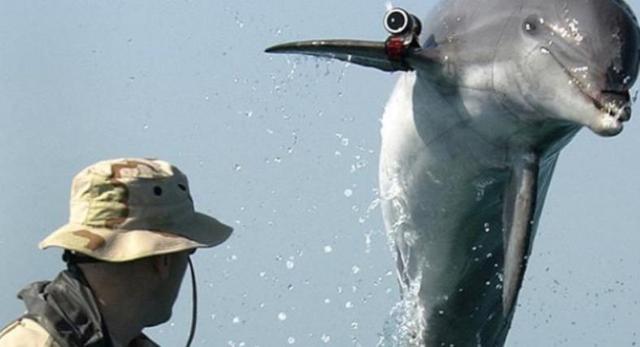
The first high-intelligence animal introduced is the whale. When we talk about whales, the first impression is usually that of a huge, imposing creature, without realizing they are also highly intelligent. In fact, orcas (a species of whale) are particularly adept at using strategies to hunt prey. Sometimes, when facing prey that is much larger than themselves, such as blue whales or fierce sharks, orcas often won't fall behind in the struggle. Therefore, scientists believe that orcas are also a high-intelligence animal. Compared to orcas, dolphins' higher intelligence is more widely known. In the ocean paradise, we often see trained dolphins that can understand and respond to human commands, performing the corresponding actions.
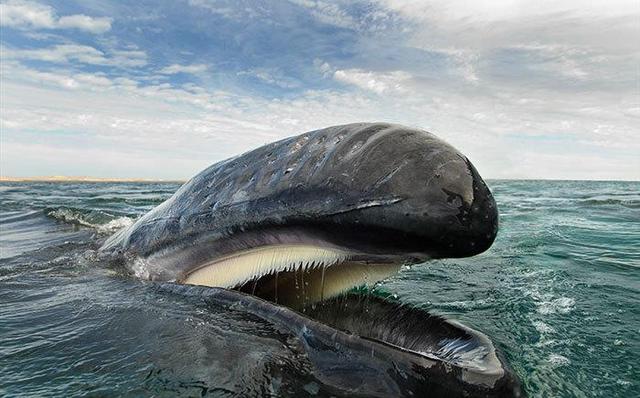
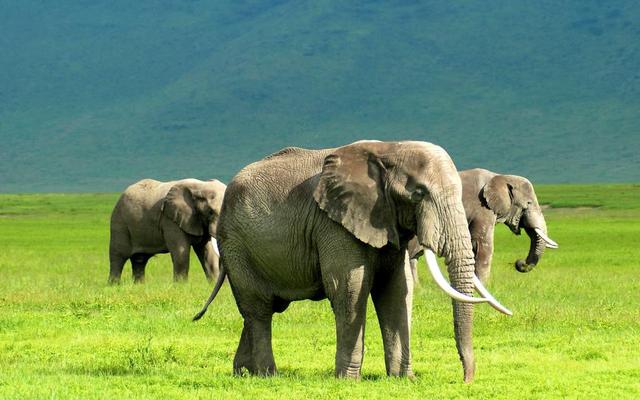
Besides, there have been dolphin rescue events at sea, which not only shows that dolphins are friendly towards humans but also reflects their extraordinary intelligence. The second high-intelligence animal is the elephant, which, like whales, gives the impression of a huge, imposing creature, rarely associated with high intelligence. However, according to animal studies, elephants not only understand human behavior and emotions but also develop similar emotions to humans, such as hatred and sympathy. According to the accounts of most elephant keepers, if they maintain a friendly relationship with the elephants, when the elephants show low mood, the elephants will come up to comfort them.
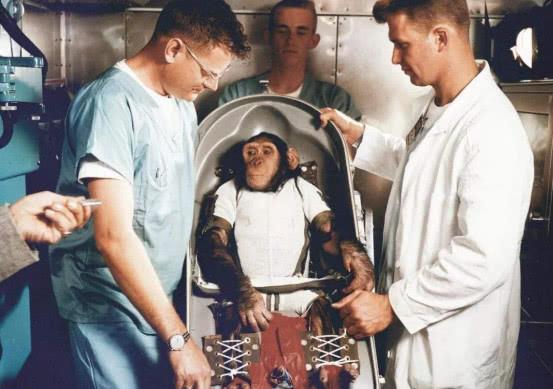
If the keepers treat the elephants unfriendlily, the elephants will hold grudges and seek opportunities to retaliate against the keepers. It's important not to assume that elephants are clumsy. Sometimes they make some inexplicable actions, which often reflect their high intelligence. The third high-intelligence animal is primates – chimpanzees and monkeys. Humans have studied chimpanzees to a degree comparable to that of most animal species. Through research, scientists have discovered that in chimpanzee populations, there is also a social hierarchy, and they have a distinct sense of leadership.
If you've ever had the experience of feeding animals at a zoo, you'll find that among all the animals, monkeys are the fastest in their movements, and they often can find the location of food faster. What further highlights the intelligence of primates is that they have already appeared to use tools. A research team in the Americas once found in a group of capuchin monkeys, there were individuals using stones to smash walnuts. This is not a characteristic of other animals, and it is a reflection of high intelligence.
There's also a high-intelligence marine animal that is often overlooked – the octopus, a cephalopod. An experiment showed that if an octopus is trapped in a bottle, it can use its own strength to twist open the lid and escape.