What is Whale Fall? And What Role Does it Play?
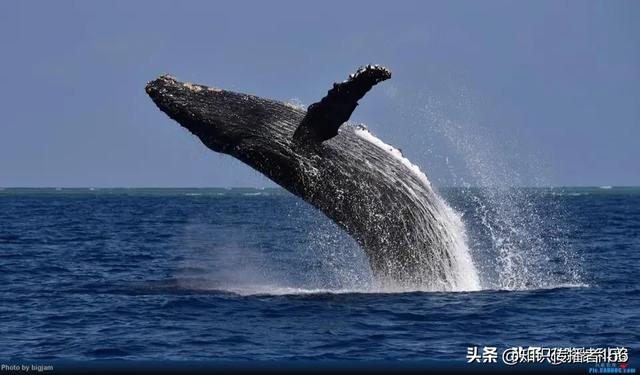
When a whale dies in the open ocean, its massive carcass will continuously sink to the seafloor, reaching depths of thousands of meters, and then ignite a new ecosystem that can sustain decades. This sunken whale is called ‘whale fall’ – a beautiful term in the study of ecology!
When the whale's body arrives at the seabed, it will soon be discovered by blind eels, sleeping sharks, and deep-sea crabs. More than 90% of the whale's soft tissues will be consumed by them, and this feast will typically last 4-12 months.
After the 40-plus large predators are satisfied, 20-plus polychaete and crustacean small animals move in, relying on the remaining food debris to sustain them for another two years.
However, this is just the beginning; when the whale is reduced to just its skeleton, the unique deep-sea ecosystem truly emerges. The deep sea is not without oxygen, but it is not particularly rich. Therefore, large amounts of special anaerobic bacteria will appear. They crawl into the whale bones, decomposing the lipids within, using sulfate as the oxidizing agent, producing hydrogen sulfide, thus creating an environment somewhat similar to deep-sea hydrothermal vents, rich in sulfur.
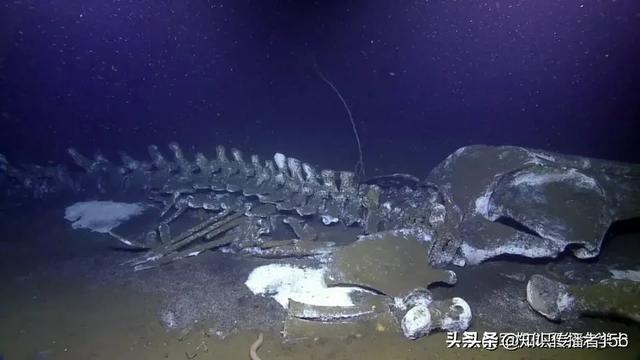
For most animals, hydrogen sulfide is toxic, but some chemoautotrophic bacteria can oxidize hydrogen sulfide in seawater with oxygen to obtain an energy source—so some animals can obtain energy from these bacteria through symbiosis, while others can directly eat the bacteria clusters. The whale bones are huge and rich in lipids, the decomposition is very slow, one large whale can sustain such an oasis and more than a hundred kinds of invertebrates for decades or even hundreds of years.
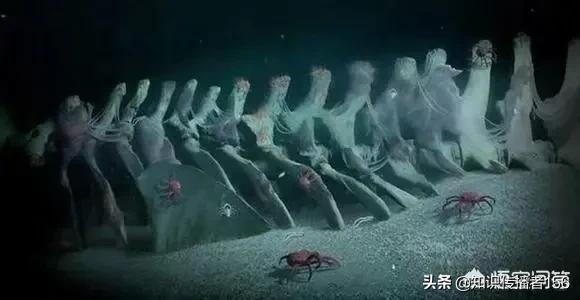
Whale fall is essentially whale giving back to the ocean, promoting material circulation.
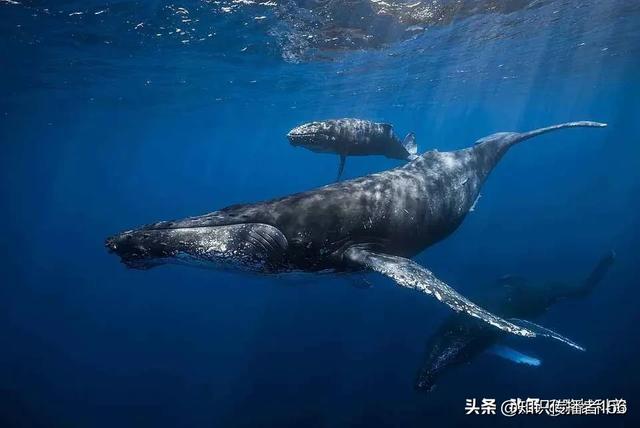
There are 80-plus species in the whale order worldwide, but only whales reaching 30 tons can truly form a thriving whale fall—and there are now less than ten species remaining, and half of them are endangered. Over the past two centuries, industrial whaling has pushed large whales into a very precarious situation. Today, the number of whale falls in the global oceans may only be about one-sixth of what it was before.
Thank you very much for your attention, thank you, thank you for your hard work!