Be Cautious When Contacting Animals, Pay Attention to Bites and Scratches, and Take Proper Measures to Ensure Safety
It is important for those who frequently live with or interact with animals to understand the potential dangers of animal bites and scratches. Any injury from an animal must receive appropriate wound care to prevent infection. If the injury is serious or shows signs of infection, a hospital is your only recourse.
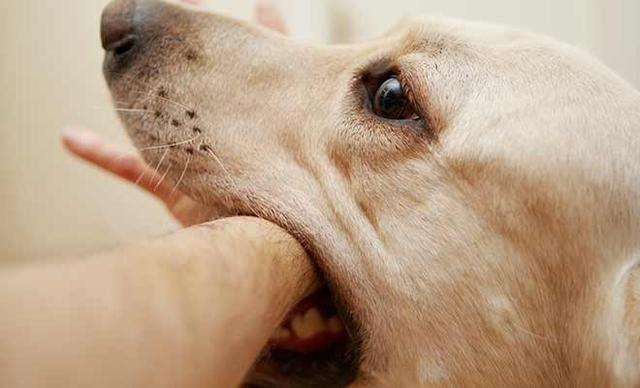
Reduce bites and scratches
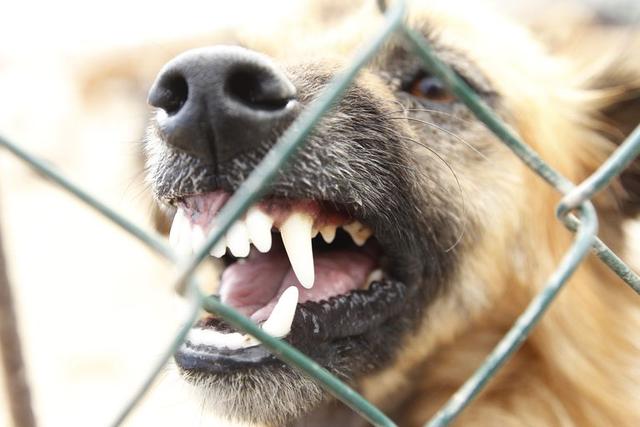
Animals, even well-trained pets, are unpredictable. When dealing with stressed, frightened, or injured animals, we must be extremely cautious. Pets may exhibit behaviors that deviate from their 'normal' characteristics when they are sick, injured, or perceive a threat.
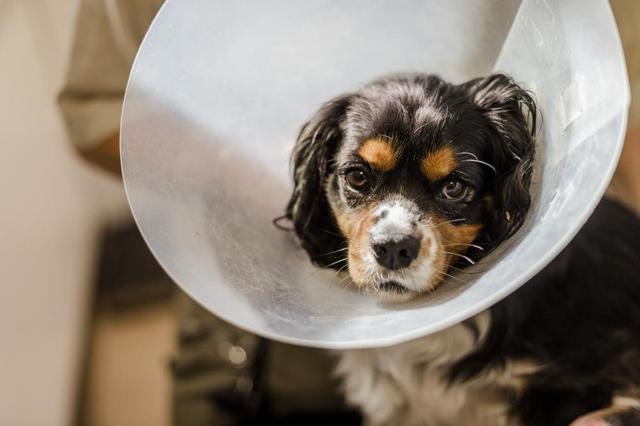
People are also frequently bitten during animal fights. While sometimes unavoidable, you shouldn't put yourself in a dog's fight, and cat wars should also be approached with caution.
If wild animals are sick or injured and not properly treated, the best option is to quickly contact your local animal control center for official assistance. Some people try to minimize interaction with pets or don't own pets at all because they were injured while helping animals, leading to embarrassment or frustration. The potential for human injury is also a major reason why many veterinarians don't allow owners to operate on injured pets.
Appearances can be deceiving
Some injuries may appear to cause little harm, such as puncture wounds (that don't tear the surrounding flesh), which usually heal quickly and completely. However, this doesn't necessarily mean it's safe, as bacteria and damage can become trapped beneath the skin, leading to infection.

In other cases, diseases can be transmitted through bites and scratches, such as the two most common zoonotic diseases: rabies and cat scratch disease (Bartonellosis). According to the Centers for Disease Control and Prevention (CDC), symptoms of these diseases may not appear for days or even longer. The CDC also states that up to 16 diseases can be transmitted from cats to humans, and 21 potential diseases can be transmitted from dogs. Therefore, ensuring your pet is up-to-date on all vaccinations and receives regular veterinary checkups is very important. If you don't know your pet or if your immune system is compromised, you should go to the doctor immediately after a pet injures you. Even a bite or scratch from a completely healthy pet, if not properly treated, can lead to infections from other sources.
Basic wound care
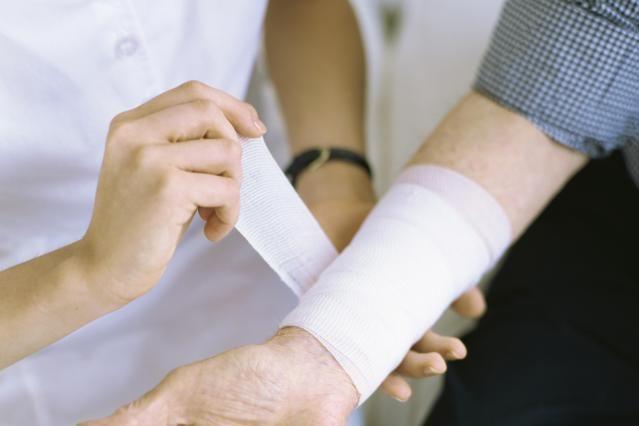
All wounds should be immediately washed with soap and water. According to Johns Hopkins Medicine, after being injured by a pet, you should wash the wound under a running faucet for at least five minutes, but avoid scrubbing, as this can damage surrounding tissue. After cleaning and drying the wound, apply a protective ointment or cream and cover it with a bandage.

Whether you are a pet owner or simply a pet lover, all bites and scratches should be taken seriously and examined by a doctor to ensure they do not cause further harm to the human body.